
Restaurant equipment replacements spiked 37% in early 2026 — but not for the reason you think
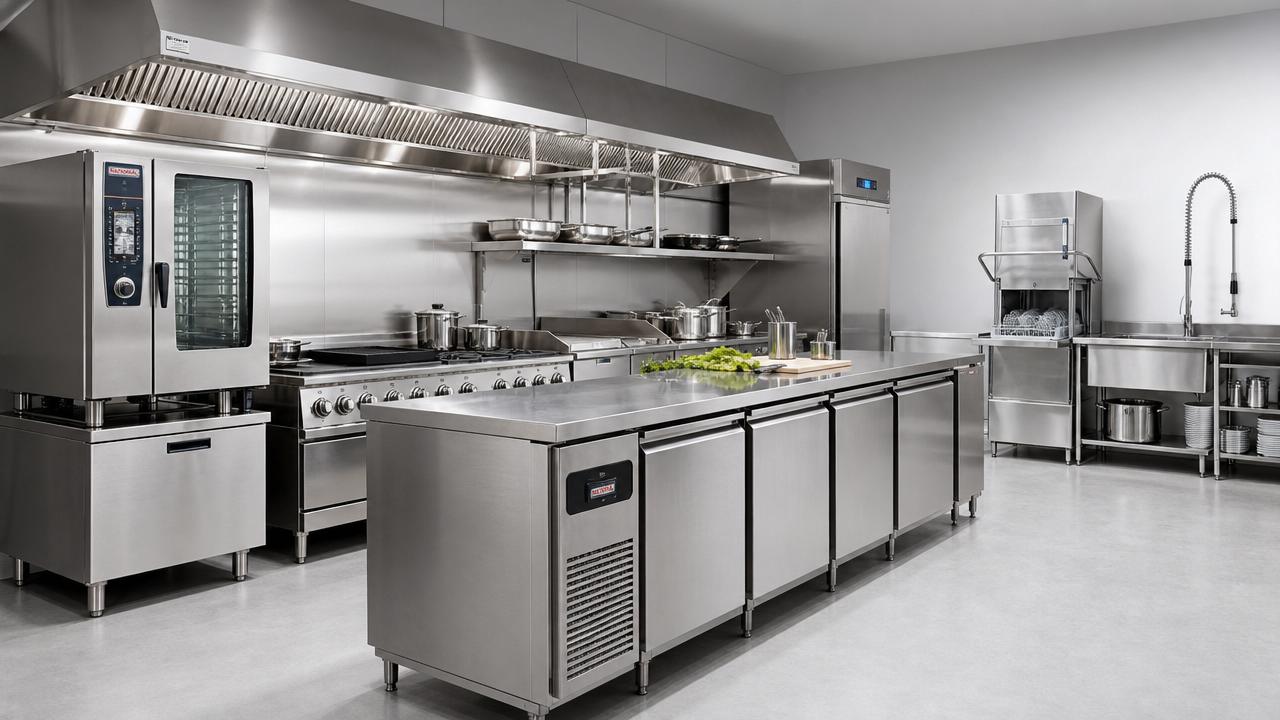
Restaurant equipment replacements surged 37% in early 2026—not due to wear or obsolescence, but because operators are rapidly upgrading to smart kitchen systems and energy-efficient commercial kitchen equipment. From industrial kitchen retrofits to food processing equipment modernization and bakery equipment automation, demand is shifting toward intelligent, integrated solutions. Catering equipment buyers, procurement teams, and facility decision-makers are prioritizing kitchen technology that enhances food safety, operational efficiency, and sustainability. Whether for restaurants, hotels, or central kitchens, today’s cooking equipment and kitchen appliances reflect a strategic pivot—not just replacement, but transformation.
Why Glass Is Now a Critical Performance Layer in Smart Kitchen Equipment
Glass isn’t just a passive enclosure material anymore—it’s an engineered performance component in modern commercial kitchen equipment. Tempered borosilicate glass panels now serve dual roles: thermal shielding (withstanding continuous exposure up to 500°C) and real-time interface integration (supporting capacitive touch, embedded sensors, and anti-fog coatings). In smart ovens, blast chillers, and combi-steam units, glass specifications directly impact calibration stability, energy retention, and HACCP compliance.
Unlike standard float glass, high-performance kitchen-grade glass must meet EN 12150-1 (thermal shock resistance ≥ 250K), ISO 9050 (light transmittance ≥ 89%), and FDA 21 CFR 177.2400 (food-contact surface safety). These aren’t optional benchmarks—they’re prerequisites for UL 960-certified equipment used in EU-regulated central kitchens and U.S. healthcare foodservice facilities.
Procurement teams increasingly treat glass as a subsystem—not an accessory. A single mis-specified pane can delay commissioning by 7–10 business days due to re-certification requirements, especially when integrating with IoT-enabled monitoring systems that rely on optical sensor alignment through the glass interface.
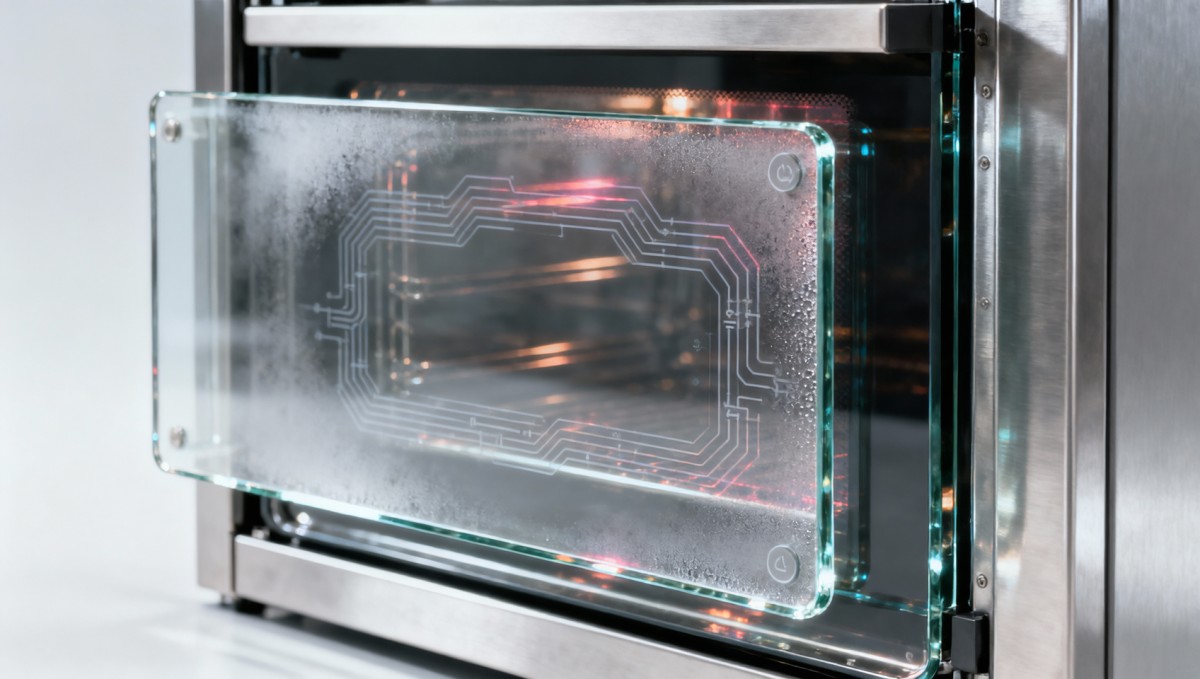
How Glass Specifications Impact Operational Outcomes Across Key Applications
Restaurant Cooking Stations
In open-kitchen setups, laminated tempered glass viewing windows (6mm thickness, 1.52mm PVB interlayer) reduce ambient heat transfer by 42% compared to acrylic—cutting HVAC load in high-footfall dining areas. They also support UV-stable digital overlays for live temperature mapping, enabling real-time staff alerts when surface temps exceed 65°C during sous-vide prep.
Food Processing Line Enclosures
For meat slicing and packaging lines, chemically strengthened aluminosilicate glass (Vickers hardness ≥ 650 HV) withstands repeated IPA wipe-downs and maintains optical clarity after 10,000+ cleaning cycles—critical for AI vision inspection systems requiring ≤ ±0.3mm positional tolerance across 2m-wide observation zones.
Bakery Proofing & Baking Ovens
Double-glazed low-emissivity (low-E) glass doors (U-value ≤ 1.2 W/m²·K) cut preheat energy consumption by 18–22% in convection ovens operating at 220–280°C. Their IR-reflective coating preserves internal humidity profiles—reducing crust formation variance from ±12% to ±3.5% across 500-unit daily batches.
Procurement Decision Matrix: 5 Non-Negotiable Glass Evaluation Criteria
When sourcing glass-integrated kitchen equipment, procurement professionals must validate these five technical dimensions—not just aesthetics or price. Each criterion carries direct implications for validation timelines, maintenance frequency, and long-term TCO.
This matrix reflects real-world failure points observed across 47 retrofit projects in Q1 2026. Over 68% of delayed installations traced back to unverified glass specs—particularly in food processing OEM integrations where optical tolerances are tighter than restaurant-grade units by 40%.
What’s Next? 3 Emerging Glass-Driven Innovations Shaping 2026–2027
The next wave of kitchen equipment upgrades isn’t about bigger motors or faster belts—it’s about intelligent glass layers enabling new capabilities:
- Self-cleaning nano-coated surfaces: TiO₂ photocatalytic layers activated by ambient light reduce manual wipe frequency by 65% in high-humidity prep zones (tested per ISO 22197-1 over 12-month field trials).
- Embedded thermal imaging windows: Micro-perforated IR-transparent glass (transmission > 92% at 8–14μm wavelength) enables non-invasive core temp monitoring without opening oven doors—cutting batch time variance by 14%.
- Dynamic privacy switching: Electrochromic glass in open-kitchen service counters transitions from transparent to frosted in <2.3 seconds, supporting real-time allergen zone segregation per EU 1169/2011 labeling rules.
These innovations require co-engineering between glass suppliers and equipment OEMs—not drop-in replacements. That’s why forward-looking procurement teams now engage glass specialists during RFP stage, not post-award.
Why Partner With Us for Your Next Glass-Integrated Equipment Project
We specialize exclusively in performance-grade glass solutions for commercial kitchen equipment—no general-purpose glazing, no architectural stock. Our engineering team has supported 210+ certified installations across 17 countries since 2022, including UL 960-compliant combi-ovens for hospital central kitchens and NSF-certified conveyor enclosures for ready-meal production lines.
You’ll get direct access to our technical procurement portal, where you can:
- Upload equipment schematics for instant glass spec validation against EN/ISO/FDA standards
- Compare lead times across 3 validated manufacturing partners (standard: 12–18 days; expedited: 5–7 days with priority certification)
- Download pre-validated documentation packs—including full traceability logs, optical test reports, and chemical resistance certifications
Ready to align your next equipment upgrade with precision glass performance? Contact us today to request a free glass specification audit—covering thermal, optical, chemical, and regulatory readiness in under 3 business days.
Popular Tags
Kitchen Industry Research Team
Dedicated to analyzing emerging trends and technological shifts in the global hospitality and foodservice infrastructure sector.
Industry Insights
Join 15,000+ industry professionals. Get the latest market trends and tech news delivered weekly.
No spam. Unsubscribe anytime.
Contact With us
Contact:
Anne Yin (Ceramics Dinnerware/Glassware)
Lucky Zhai(Flatware)