
A practical guide to choosing kitchen equipment
Choosing the right equipment shapes kitchen speed, food safety, labor efficiency, and operating cost. A strong restaurant kitchen equipment guide helps compare options by real usage, not by catalog claims alone.
In commercial kitchens, hotels, food plants, and mixed-use facilities, buying decisions depend on menu type, output volume, workflow, energy use, and maintenance support. The best choice is always scenario-specific.
Why scenario-based selection matters in a restaurant kitchen equipment guide
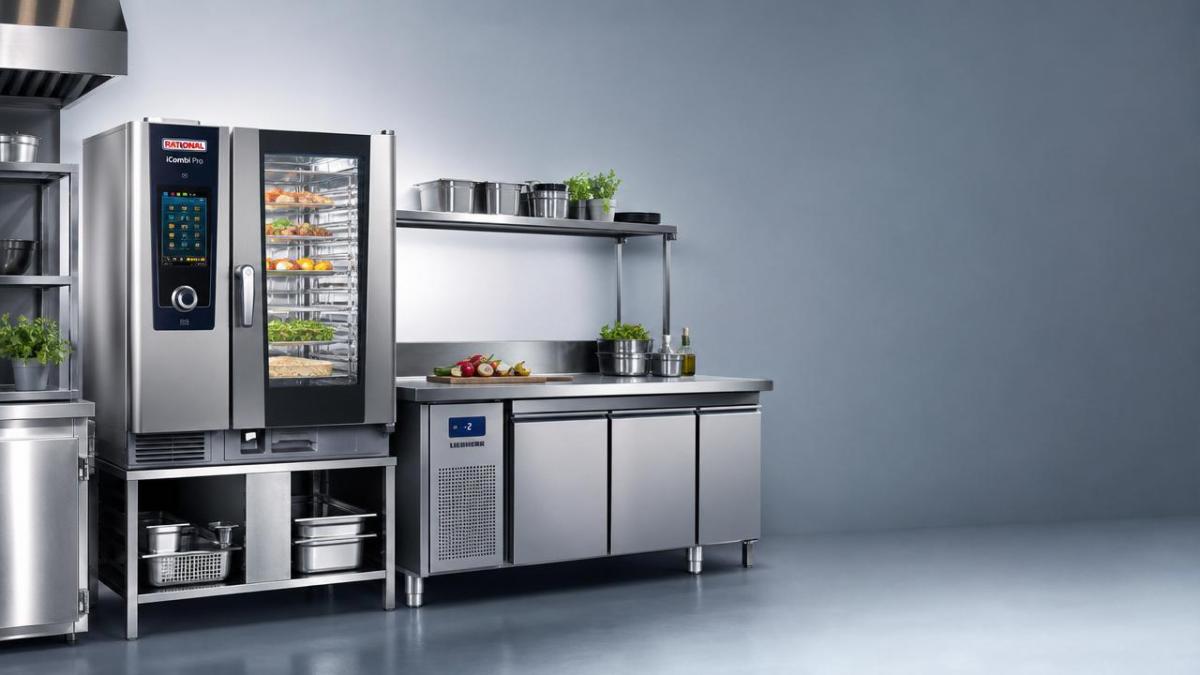
Kitchen equipment performs differently across environments. A machine that works well in a small café may fail in a central kitchen with continuous production and stricter sanitation demands.
This restaurant kitchen equipment guide focuses on matching equipment to use cases. That approach reduces overspending, avoids undercapacity, and supports safer daily operations.
Modern buyers also face new variables. Smart controls, automated food processing, and energy-efficient systems can improve consistency, but only when they fit the actual workflow.
How to judge needs before comparing kitchen equipment
Start with output requirements. Estimate peak meals per hour, preparation steps, holding time, and cleaning cycles. Capacity planning is more reliable than choosing by equipment size alone.
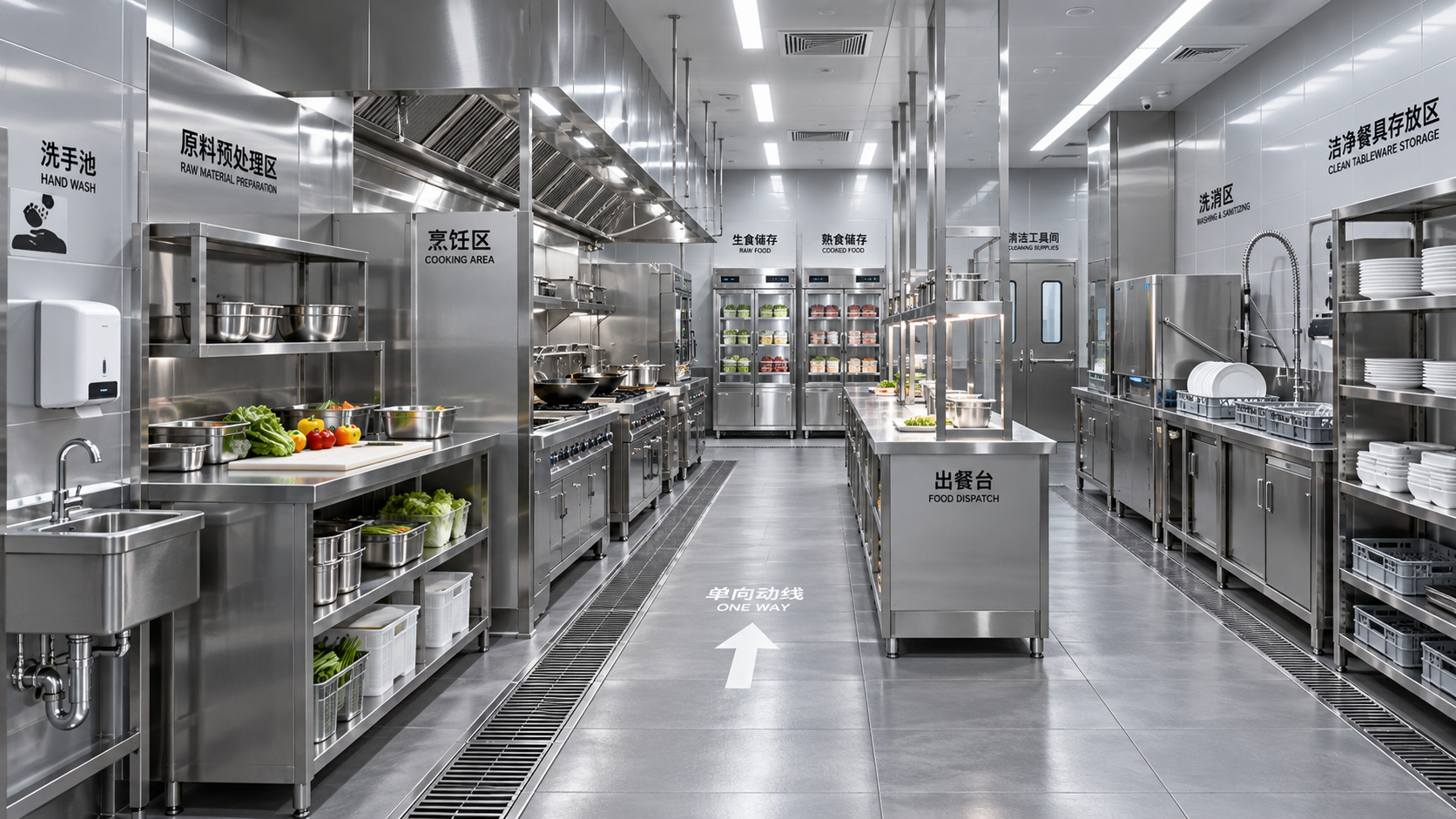
Next, map the process flow. Receiving, storage, prep, cooking, holding, serving, and washing should connect with minimal cross-traffic. Good equipment supports movement, hygiene, and timing.
Utility conditions also matter. Check power supply, gas availability, ventilation, drainage, water pressure, and floor load. Many installation problems begin before the equipment arrives.
Finally, review lifecycle cost. Purchase price matters, but energy consumption, spare parts, downtime risk, and service response often determine the true return on investment.
Typical scenario 1: restaurant kitchens with fast service pressure
Restaurants usually need speed, repeatability, and compact layouts. Equipment should shorten prep time, maintain quality during rush periods, and fit limited back-of-house space.
Key choices often include combi ovens, fryers, griddles, refrigeration, prep tables, dishwashing systems, and food holding units. Modular equipment is useful when menus change often.
Core judgment points for restaurants
- Peak-hour throughput and recovery speed
- Multi-function cooking to save floor space
- Easy cleaning surfaces and removable parts
- Reliable temperature control for consistency
- Ventilation compatibility and heat output
A practical restaurant kitchen equipment guide recommends prioritizing workflow over single-machine power. Faster production often comes from layout and coordination, not from larger appliances alone.
Typical scenario 2: hotel kitchens serving varied menus and dayparts
Hotel kitchens face broader demands. Breakfast, banquets, room service, buffet lines, and specialty dining may all depend on one integrated operation.
Equipment selection should support flexibility. Multi-program ovens, blast chillers, hot holding cabinets, banquet carts, and scalable refrigeration are usually more valuable than narrow single-use systems.
Core judgment points for hotels
- Menu diversity across multiple service periods
- Batch cooking with quality retention
- Transport between kitchen and serving areas
- Noise, appearance, and front-of-house integration
- Central monitoring for temperature and energy use
In this setting, the restaurant kitchen equipment guide should emphasize equipment interoperability. Connected systems help balance banquet surges and regular dining without overbuilding every station.
Typical scenario 3: food processing and central kitchen environments
Central kitchens and food processing sites require scale, traceability, and hygiene discipline. Here, automation and standardization are often more important than culinary flexibility.
Suitable solutions may include automated cutters, mixers, portioning systems, conveyor-based washing, vacuum packaging, cold-chain storage, and digital production tracking.
Core judgment points for processing environments
- Continuous operation and uptime requirements
- Sanitary design and cleanability standards
- Output consistency and weight accuracy
- Digital records for food safety compliance
- Labor savings through automation
For these operations, a restaurant kitchen equipment guide should include maintenance planning and spare-part access. Downtime in a high-volume plant can cost far more than a higher initial purchase.
Typical scenario 4: mixed commercial and residential-inspired spaces
Some projects blend commercial demand with limited space, such as small hospitality venues, open kitchens, demonstration spaces, and premium residential developments.
These spaces need compact, quiet, visually refined, and energy-conscious equipment. Safety features, easy user interfaces, and lower ventilation burdens often carry more weight.
Induction systems, undercounter refrigeration, multifunction ovens, and smart monitoring can improve usability without sacrificing performance. The right fit depends on real service intensity.
How scenario needs differ across commercial kitchen applications
Practical selection advice for each kitchen equipment scenario
- Choose capacity by peak demand, not average demand.
- Prefer equipment that matches menu complexity and staff skill level.
- Check sanitation design, especially corners, seals, drains, and removable parts.
- Compare energy ratings and actual operating cycles.
- Confirm local service coverage, spare parts, and warranty terms.
- Review digital features only if they solve real monitoring or consistency problems.
- Test installation constraints before final specification.
Any restaurant kitchen equipment guide should also compare ownership risk. A cheaper model with unstable service support can become the most expensive option over time.
Common mistakes when applying a restaurant kitchen equipment guide
One common mistake is copying another facility’s equipment list. Similar businesses may still differ in menu structure, labor availability, ventilation design, and service rhythm.
Another error is buying for maximum specification without checking utilization. Oversized equipment increases energy use, space pressure, and capital cost without improving output.
Digital kitchen tools are also misunderstood. Smart systems help when records, monitoring, and preventive maintenance matter. They add little value if daily operations remain manual and inconsistent.
Food safety can be overlooked during feature comparisons. Surface materials, cleanability, temperature stability, and separation of raw and cooked processes should remain non-negotiable criteria.
Next steps for making a confident equipment decision
Build a short evaluation sheet before requesting quotes. Include capacity, utility requirements, hygiene standards, energy performance, maintenance access, and expected daily workload.
Then compare two or three equipment options against the same scenario. This keeps the restaurant kitchen equipment guide practical and prevents decisions based only on brand familiarity.
If possible, review operating demonstrations, cleaning procedures, and service commitments. Real-world testing often reveals workflow issues that brochures never show.
A useful restaurant kitchen equipment guide turns selection into a structured process. When equipment matches the scenario, kitchens become safer, faster, more efficient, and easier to scale.
Popular Tags
Kitchen Industry Research Team
Dedicated to analyzing emerging trends and technological shifts in the global hospitality and foodservice infrastructure sector.
Industry Insights
Join 15,000+ industry professionals. Get the latest market trends and tech news delivered weekly.
No spam. Unsubscribe anytime.
Hot Articles
 Hygienic Restaurant Kitchen Design: Layout Rules to Reduce Cross-Contamination
- Why Glass Tea Servers Crack—and How to Prevent Thermal Shock When Brewing Tea
- How to Choose a Glass Tea Server for Hot and Cold Brewing Without Cracking
- How to Vet a Glass Storage Container Supplier for Foodservice and Retail Orders

Contact With us
Contact:
Anne Yin (Ceramics Dinnerware/Glassware)
Lucky Zhai(Flatware)