
Is kitchen design for restaurants worth upgrading in 2026
As foodservice operations become more automated, energy-conscious, and quality-driven, many decision-makers are asking whether kitchen design for restaurants is worth upgrading in 2026. For business evaluation, the answer is rarely based on appearance alone.
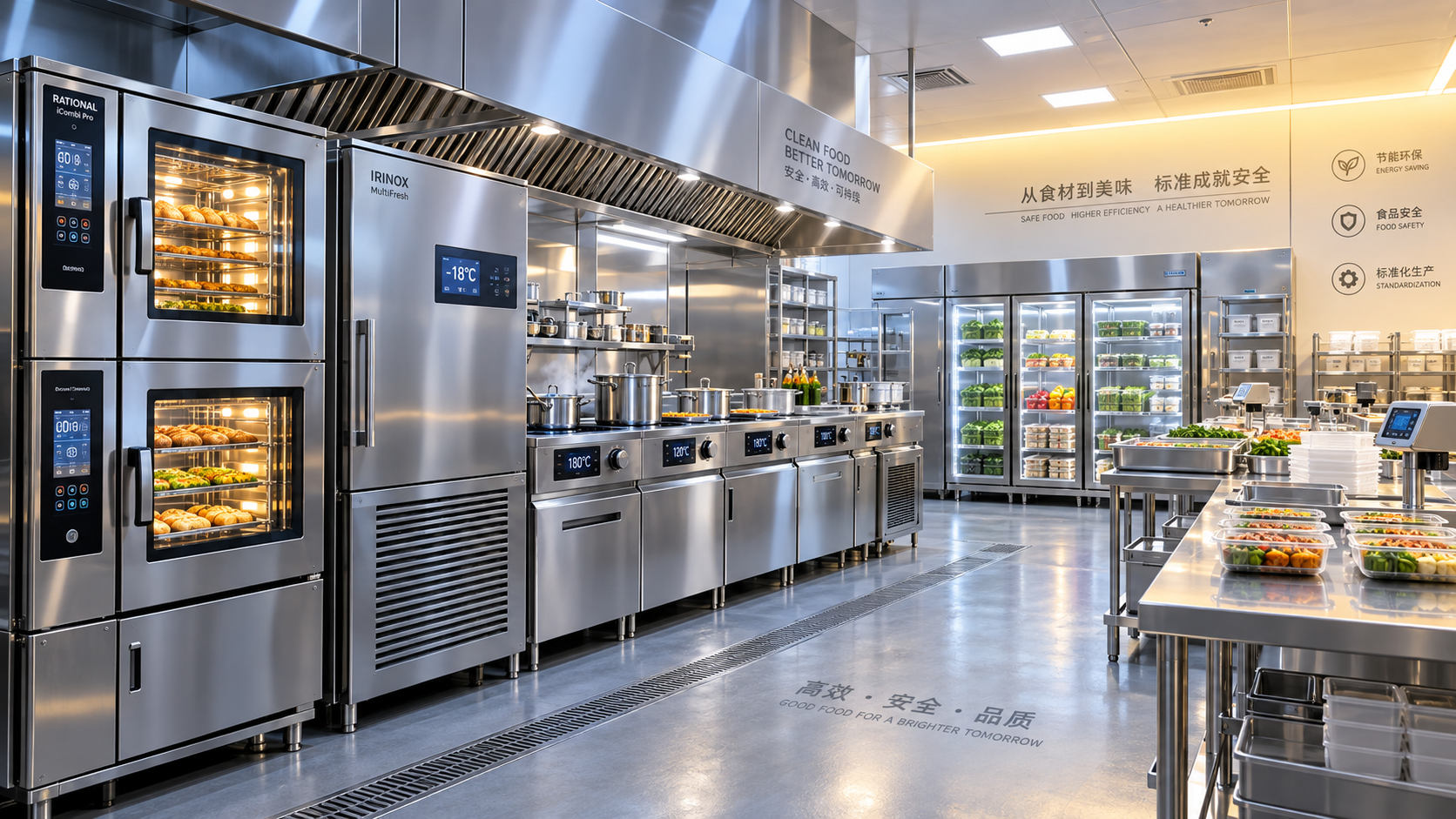
A strong kitchen design for restaurants can improve speed, food safety, staff movement, and equipment use. It can also support smart kitchen systems, reduce waste, and strengthen long-term operating stability.
In the broader kitchen equipment industry, upgrades now connect layout planning with automation, ventilation, energy efficiency, and digital management. That means the real question is not whether change looks modern, but whether it fits the operating scenario.
When is kitchen design for restaurants truly worth upgrading?
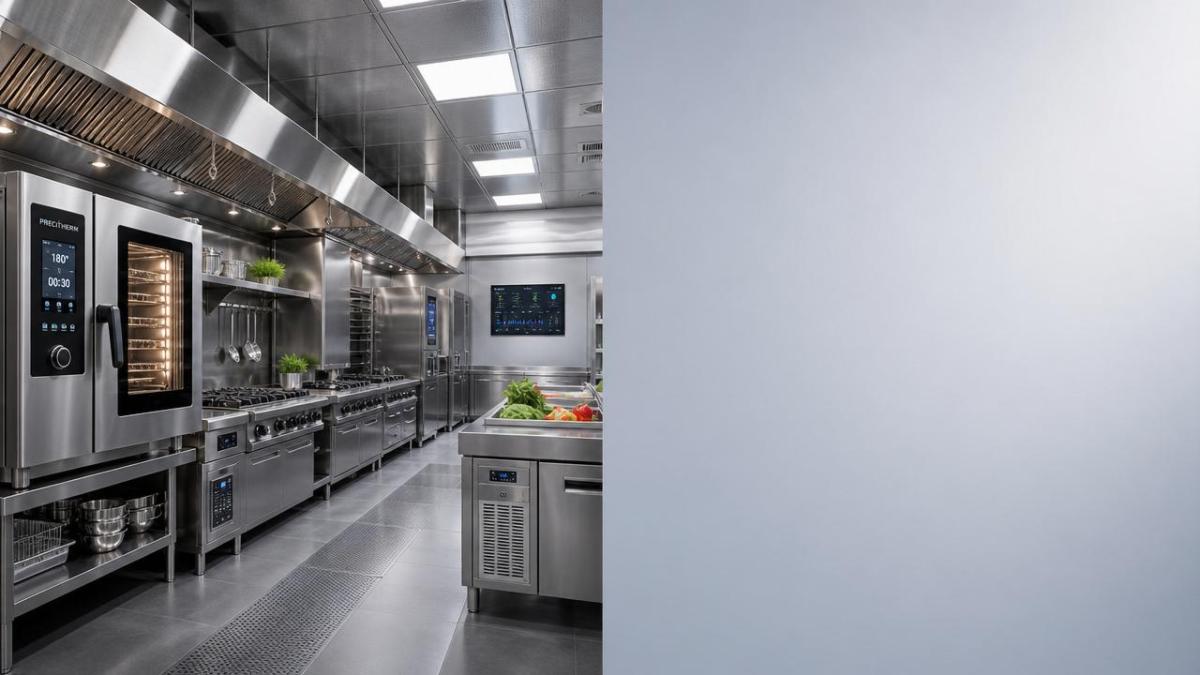
Kitchen design for restaurants is worth upgrading when layout limits output, increases labor steps, or creates food safety risks. In 2026, these issues matter more because labor costs and compliance expectations keep rising.
An upgrade also becomes more valuable when new equipment is planned. Smart ovens, prep stations, refrigeration, and monitoring systems perform better when the kitchen layout supports utility access and workflow logic.
If a restaurant already runs smoothly, a full redesign may not be urgent. However, partial upgrades can still deliver value in storage, cooking flow, dishwashing, or ventilation zones.
Why different restaurant scenarios need different design decisions
Not every operation benefits from the same kitchen design for restaurants. A quick-service concept needs speed and repetition. A hotel kitchen needs flexibility. A delivery-focused brand needs packaging efficiency.
Because restaurant types vary, upgrade value should be judged by menu complexity, service model, order peaks, staffing structure, hygiene requirements, and expected equipment lifespan.
This scenario-based view helps avoid overspending on features that look advanced but do not solve the real bottleneck. It also helps identify where integrated kitchen systems create the strongest return.
Which restaurant scenarios gain the most from a 2026 upgrade?
High-volume quick-service kitchens
Fast-paced kitchens often gain the most from upgraded kitchen design for restaurants. Even small layout changes can reduce steps between prep, cooking, assembly, and pickup.
In these settings, the main judgment points are throughput per hour, queue time, heat control, and order accuracy. Equipment placement and pass-through efficiency strongly affect revenue during peak periods.
Full-service restaurants with complex menus
A more complex menu requires stronger zoning. Raw storage, cold prep, hot cooking, plating, and washing should connect without crossing paths too often.
Here, kitchen design for restaurants is worth upgrading when ticket delays, inconsistent plating, or staff congestion appear regularly. Better station balance often improves both speed and food quality.
Delivery-first and ghost kitchen models
Delivery-focused operations need a different design priority. Packing, order staging, and courier handoff matter as much as cooking capacity.
For this scenario, kitchen design for restaurants should support short travel paths, digital order tracking, and efficient packaging storage. Poor dispatch flow can erase gains from good cooking equipment.
Hotels, resorts, and multi-function foodservice sites
These sites often serve breakfast, banquets, room service, and à la carte dining from linked production areas. Flexibility matters more than a single fixed line.
An upgrade is valuable when the kitchen must support varied volumes across the day. Modular stations, energy-efficient equipment, and smart scheduling tools usually provide better resilience.
How scenario needs differ in kitchen design for restaurants
This comparison shows why one standard layout rarely works for every business. The best kitchen design for restaurants reflects real production behavior, not only available floor area.
What to evaluate before upgrading kitchen design for restaurants
Before redesigning, review actual operating data. Peak-hour output, average ticket time, equipment idle rate, waste volume, and labor movement can reveal whether the current kitchen limits profit.
Also assess utility conditions. Gas, electric load, drainage, ventilation, and refrigeration placement can shape the cost and timing of any kitchen design for restaurants upgrade.
- Measure walking distance between key stations.
- Track delays caused by poor equipment access.
- Check whether food-safe separation is sufficient.
- Review ventilation performance during busy periods.
- Estimate energy savings from newer equipment layouts.
These checks make the decision more practical. They turn kitchen design for restaurants into a measurable business case instead of a visual renovation project.
What upgrade strategies fit different restaurant situations?
Choose partial upgrades when disruption must stay low
If closure time is costly, phased improvement may be the better path. Storage reconfiguration, undercounter refrigeration, or dishwashing flow changes can deliver gains without full reconstruction.
Choose full redesign when the concept has changed
If the menu, service model, or daily volume has changed significantly, a full kitchen design for restaurants review is often justified. Old layouts rarely fit new business models efficiently.
Prioritize smart and energy-efficient systems in 2026
The kitchen equipment industry is moving toward intelligent cooking, digital controls, and green energy solutions. Upgrades that support these systems often improve both compliance and operating visibility.
That includes connected ovens, automated holding, sensor-based monitoring, and integrated kitchen management tools. The right layout makes these technologies easier to install and use.
Which mistakes make restaurant kitchen upgrades less effective?
One common mistake is buying advanced equipment before fixing the flow problem. If people and products still cross inefficiently, new machines may not improve output.
Another mistake is underestimating storage and cleaning space. Kitchen design for restaurants fails when ingredients, utensils, packaging, and waste routes have no clear logic.
Ventilation is also often overlooked. Heat, grease, and air imbalance affect comfort, safety, and equipment life. In many cases, ventilation upgrades create indirect labor and maintenance benefits.
A final misjudgment is copying another restaurant’s layout without considering menu style, staffing, and order mix. A successful kitchen design for restaurants must reflect its own operating scenario.
So, is kitchen design for restaurants worth upgrading in 2026?
In many scenarios, yes. Kitchen design for restaurants is worth upgrading in 2026 when the current layout slows production, limits smart equipment use, raises labor pressure, or creates safety and quality risks.
The value is strongest when the upgrade matches a clear operating need. Fast service, delivery growth, menu complexity, and multi-function production each require different design priorities.
A practical next step is to map the current workflow, identify the top three bottlenecks, and compare partial versus full upgrade options. That process turns kitchen design for restaurants into a strategic investment decision.
With the kitchen equipment industry advancing toward automation, intelligence, and energy efficiency, a well-timed upgrade can support stronger performance now and better adaptability for the years ahead.
Popular Tags
Kitchen Industry Research Team
Dedicated to analyzing emerging trends and technological shifts in the global hospitality and foodservice infrastructure sector.
Industry Insights
Join 15,000+ industry professionals. Get the latest market trends and tech news delivered weekly.
No spam. Unsubscribe anytime.
Hot Articles
 How to Size a Commercial Kitchen Hood for Cooking Equipment and Heat Loads
- How to Size a Planetary Mixer Machine for High-Viscosity Batch Production
- How to Choose Ceramic Rice Plates for Restaurants: Size, Glaze, and Chip Resistance
- Kitchen Innovation Trends in Emerging Markets: Where Growth Will Come From in 2026
Contact With us
Contact:
Anne Yin (Ceramics Dinnerware/Glassware)
Lucky Zhai(Flatware)