
Are energy efficient restaurant supplies saving enough to switch
For finance-focused operations, energy efficient restaurant supplies are no longer a niche upgrade. They are becoming a practical response to rising utility costs, labor pressure, and tighter performance expectations across modern foodservice environments.
The main decision is not whether efficient equipment sounds attractive. It is whether energy efficient restaurant supplies can generate enough savings, resilience, and operating value to justify replacement timelines and capital spending.
In many kitchens, the answer increasingly depends on usage intensity, equipment age, maintenance history, and local energy prices. When these factors align, the switch often delivers more than lower bills alone.
Why the switch to energy efficient restaurant supplies is gaining urgency
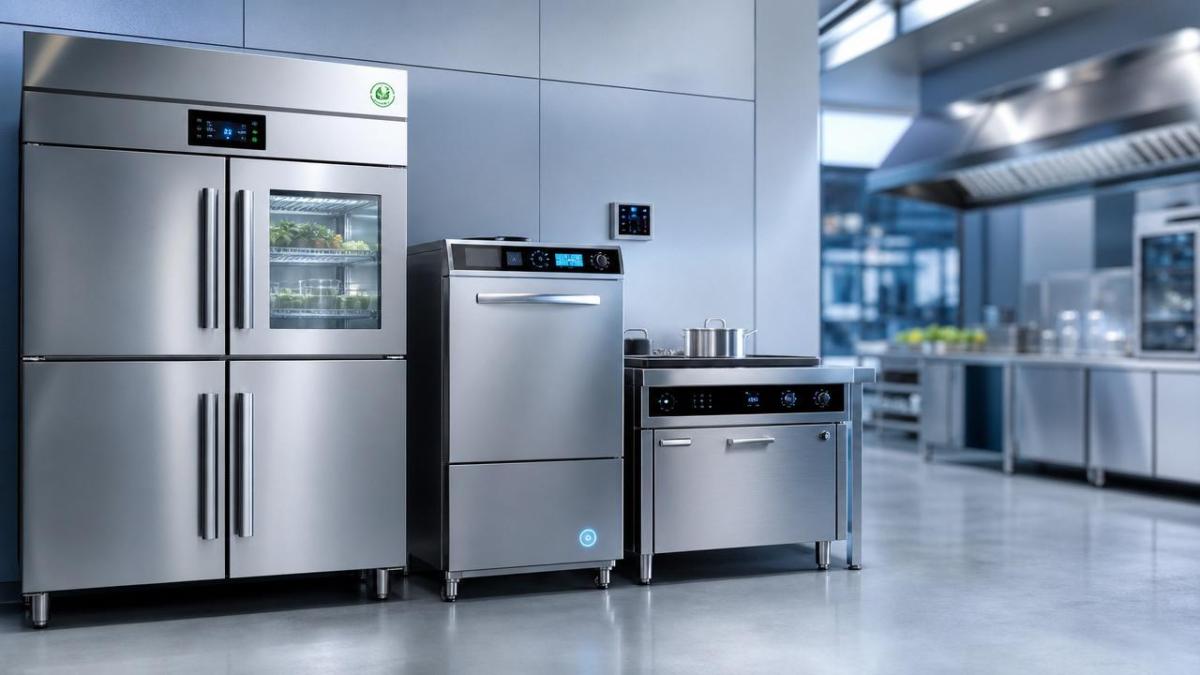
Commercial kitchens operate under constant heat, peak-hour pressure, and strict food safety standards. That makes them heavy users of electricity, gas, water, ventilation, and refrigeration capacity throughout the day.
At the same time, the kitchen equipment industry is moving toward automation, intelligent controls, and integrated systems. Energy efficient restaurant supplies now fit into a broader shift toward smarter, measurable operations.
Older appliances often consume excess power because of outdated compressors, weak insulation, inefficient burners, or poor standby controls. These losses may seem small individually, but they compound across every service hour.
The trend is especially visible in restaurants, hotels, central kitchens, and food processing support spaces. High-volume operations are reassessing lifecycle cost instead of focusing only on the initial purchase price.
The market signals show efficiency is becoming a baseline expectation
Several signals suggest efficient kitchen solutions are moving from optional to expected. Buyers increasingly compare equipment by total operating cost, not just brand, size, or short-term discount.
Utility volatility is one driver. Another is digital monitoring, which makes waste easier to identify. Once performance data becomes visible, inefficient assets are harder to justify.
Suppliers are also embedding sensors, smart scheduling, variable-speed motors, and sleep modes into new equipment. These features improve the economic case for energy efficient restaurant supplies over time.
- Energy costs are rising faster than many kitchens can offset through menu pricing.
- Aging equipment creates hidden expense through heat loss, downtime, and unstable output.
- Sustainability reporting is influencing investment decisions in hospitality and foodservice.
- Smart kitchen systems make efficiency gains easier to track and verify.
- Water-saving and ventilation improvements now matter alongside direct energy savings.
What actually drives savings from energy efficient restaurant supplies
Savings do not come from a label alone. They result from specific design improvements that reduce waste during cooking, holding, cleaning, refrigeration, and idle periods.
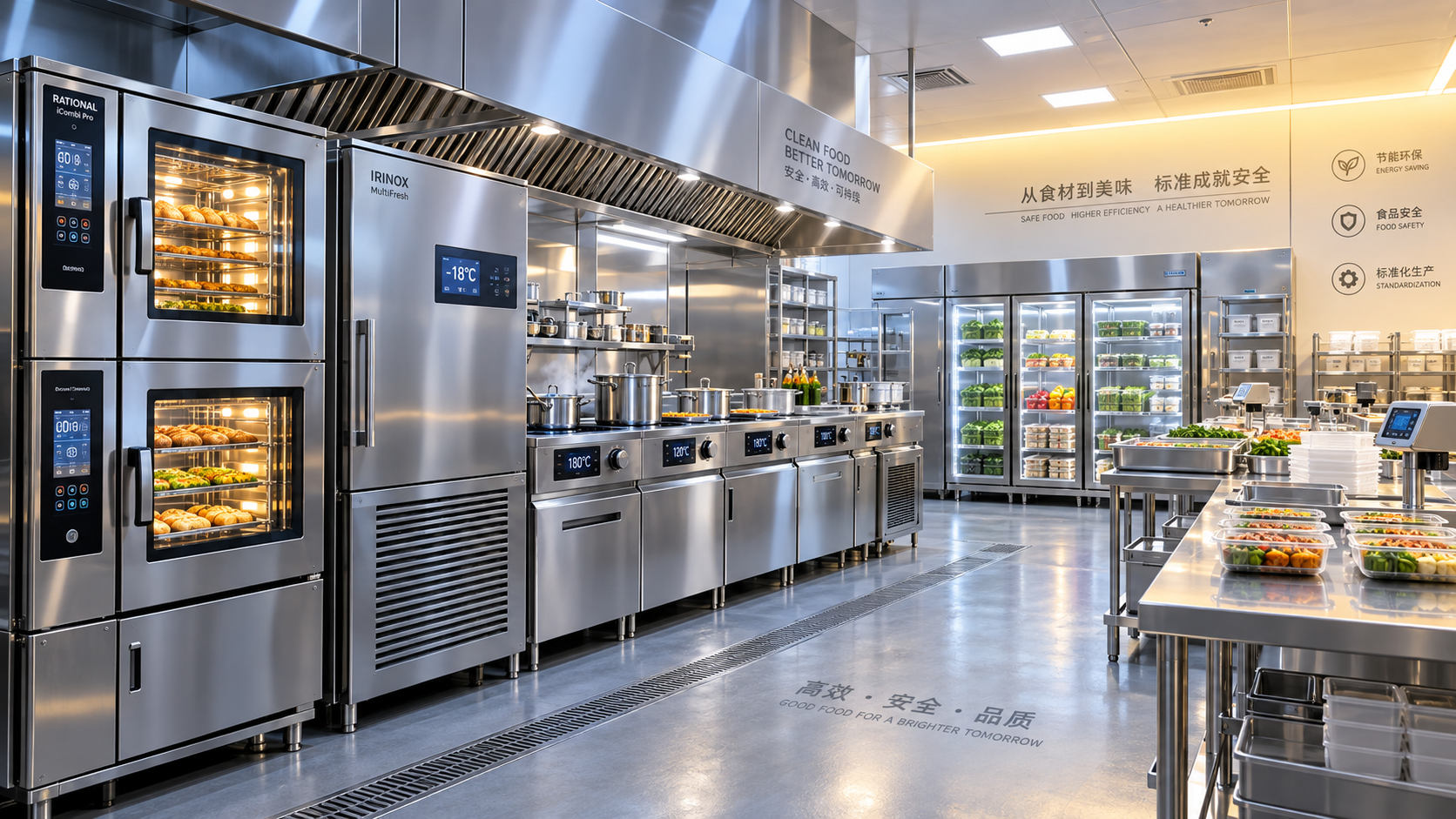
These improvements are strongest in high-use equipment. Refrigerators, freezers, fryers, combi ovens, dishwashers, ice machines, and ventilation systems often offer the clearest return opportunities.
The payback question depends on usage patterns, not marketing claims
A common mistake is assuming every replacement has the same financial value. In reality, energy efficient restaurant supplies pay back faster when equipment runs long hours or faces heavy load variation.
For example, replacing a lightly used unit may produce modest savings. Replacing a constantly operating cooler or a high-volume dishwasher can deliver visible monthly reductions much sooner.
Payback also improves when maintenance costs are already rising. An older unit may consume more power, require more repairs, and create greater temperature inconsistency at the same time.
Key variables that shape the return
- Hours of daily operation
- Local electricity, gas, and water rates
- Age and condition of current equipment
- Repair frequency and spare part availability
- Heat load on HVAC and ventilation systems
- Food loss caused by temperature instability
This is why capital decisions should compare full ownership cost over several years. The sticker price rarely tells the whole story for energy efficient restaurant supplies.
The benefits reach beyond utility bills
Efficient equipment can improve kitchen economics in indirect ways. Lower ambient heat may reduce staff fatigue and ease ventilation demand during rush periods.
More precise temperature control can support food quality and consistency. That matters in restaurants, hotel kitchens, and production environments where repeatability affects both service speed and waste rates.
Connected systems can also strengthen oversight. When managers track runtime, alerts, and peak consumption, they can schedule maintenance earlier and avoid more expensive failures.
- Reduced downtime through better component performance
- Lower cooling burden in already hot kitchens
- Improved compliance with food safety temperature targets
- Stronger sustainability positioning for commercial clients
Where the switch makes the most sense first
Not every asset should be replaced at once. The best approach is usually phased, starting with equipment that combines high energy use, high service importance, and visible maintenance burden.
This sequence helps operations capture early wins. Those savings can support later upgrades across broader sets of energy efficient restaurant supplies.
What deserves close attention before making the switch
A smart buying decision should test more than rated efficiency. Real savings depend on installation quality, staff use habits, maintenance support, and fit within the kitchen workflow.
Focus points worth reviewing
- Confirm energy performance under realistic operating conditions.
- Check compatibility with electrical, gas, and ventilation infrastructure.
- Estimate maintenance needs and parts support before purchase.
- Review operator controls for simplicity and training impact.
- Include water use, labor impact, and food loss in the financial model.
Without this review, even strong energy efficient restaurant supplies can underperform in practice. Efficiency works best when the equipment matches process design and service reality.
A practical way to judge whether savings are enough
A useful decision framework combines hard savings with operational risk reduction. That means comparing current costs against future costs across a clear time horizon.
- Measure current energy, water, repair, and downtime costs by equipment type.
- Rank assets by usage hours and business criticality.
- Model savings from shortlisted energy efficient restaurant supplies.
- Include installation, training, and disposal costs.
- Review expected payback, lifecycle value, and service reliability together.
When decisions follow this structure, the switch becomes less speculative. It becomes a targeted investment based on measurable operating improvement.
In many cases, energy efficient restaurant supplies do save enough to justify adoption. The strongest returns usually appear where energy intensity, maintenance strain, and process inconsistency already limit performance.
The next step is simple: audit the most energy-intensive assets, compare lifecycle cost, and prioritize replacements with the shortest and clearest return. That approach turns efficiency from a claim into a financial result.
Popular Tags
Kitchen Industry Research Team
Dedicated to analyzing emerging trends and technological shifts in the global hospitality and foodservice infrastructure sector.
Industry Insights
Join 15,000+ industry professionals. Get the latest market trends and tech news delivered weekly.
No spam. Unsubscribe anytime.
Hot Articles
 How to Size a Commercial Kitchen Hood for Cooking Equipment and Heat Loads
- How to Size a Planetary Mixer Machine for High-Viscosity Batch Production
- How to Choose Ceramic Rice Plates for Restaurants: Size, Glaze, and Chip Resistance
- Kitchen Innovation Trends in Emerging Markets: Where Growth Will Come From in 2026
Contact With us
Contact:
Anne Yin (Ceramics Dinnerware/Glassware)
Lucky Zhai(Flatware)