
What restaurant supplies for food trucks save the most space
Choosing the right restaurant supplies for food trucks is critical when every inch affects workflow, safety, and service speed. Space-saving equipment does more than fit into a tight mobile kitchen. It reduces clutter, supports food safety, improves labor flow, and helps mobile operations handle higher volumes without costly redesigns.
In the kitchen equipment industry, compact design now connects with energy efficiency, smart controls, and multifunction performance. For food trucks, the best restaurant supplies combine small footprints, easy cleaning, and reliable output. That mix matters whether the truck serves coffee, tacos, fried snacks, or prepped bowls.
Why a space-saving checklist matters for food truck equipment
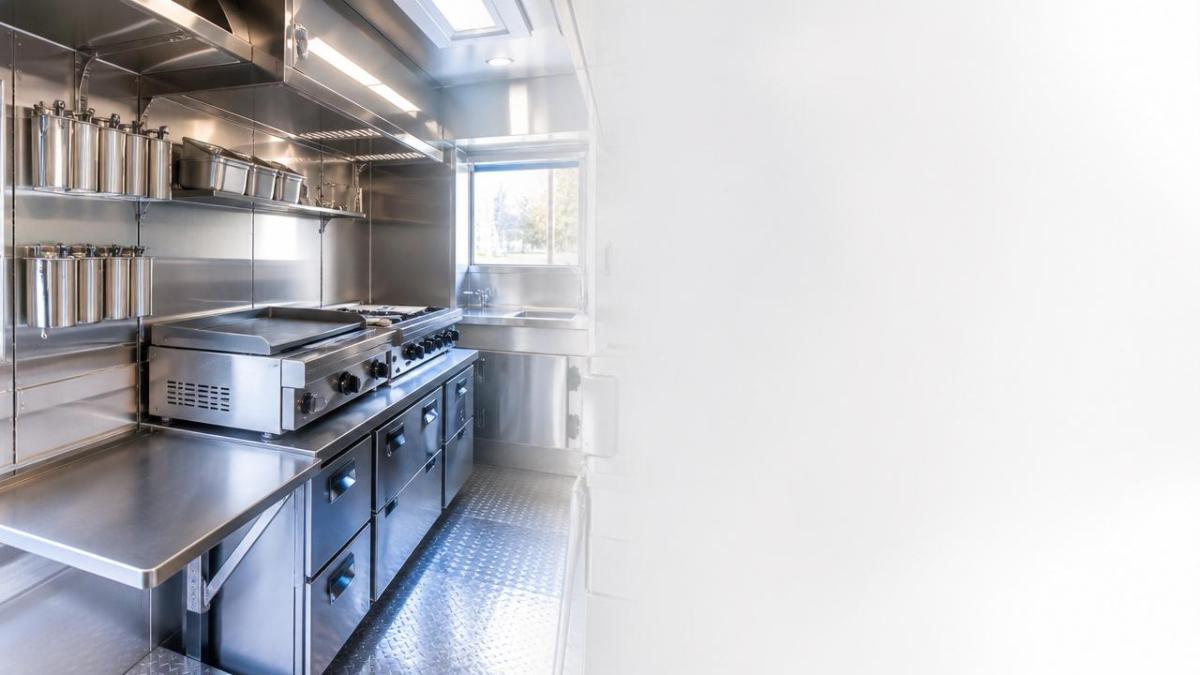
A food truck is a moving commercial kitchen with strict limitations. Floor space, counter depth, electrical load, ventilation, water access, and storage height all affect equipment decisions. Without a checklist, operators often buy units that work well in restaurants but fail inside compact mobile layouts.
A clear selection process helps compare restaurant supplies for food trucks by footprint, stacking potential, service access, and multi-use value. It also prevents hidden losses from oversized prep tables, bulky refrigeration, or single-purpose appliances that occupy premium workspace all day.
Core checklist: restaurant supplies for food trucks that save the most space
Use this checklist to evaluate compact kitchen equipment before purchase, retrofit, or replacement. The most effective restaurant supplies for food trucks usually solve two or three problems at once.
- Choose countertop combination equipment that grills, warms, or toasts in one unit, reducing the need for separate appliances and freeing prep zones for faster assembly.
- Prioritize undercounter refrigeration instead of upright cabinets when menu items require frequent access near the line and vertical clearance is limited by hoods or shelving.
- Install fold-down or slide-out work surfaces to create temporary prep space during rush periods without blocking aisle movement during cleaning or restocking.
- Select nesting food pans, stackable ingredient bins, and modular storage inserts to organize small ingredients while reducing wasted dead space inside refrigerated drawers.
- Use wall-mounted magnetic holders, rail systems, and overhead racks to move utensils, squeeze bottles, and small tools off counters and into vertical storage.
- Pick slim hand sinks and compact warewashing stations designed for mobile kitchens, ensuring compliance while preserving more room for production equipment.
- Replace large standalone fryers or griddles with narrow, high-output models sized to actual menu demand rather than peak assumptions that rarely occur.
- Add refrigerated prep tables with built-in ingredient rails so cold storage and assembly happen in one footprint instead of across separate stations.
- Standardize containers, lids, and dry storage bins to one or two sizes, making shelving more efficient and reducing irregular gaps between products.
- Check service clearance, door swing, and ventilation gaps before purchase, because compact equipment still wastes space if it cannot open or be cleaned properly.
- Favor equipment with digital controls and programmable settings, which reduce operator intervention and eliminate extra holding devices or timing accessories.
- Measure power draw and water use alongside physical dimensions, since utilities often limit usable equipment choices more than floor area alone.
Which supplies usually deliver the best space-saving value
Undercounter refrigerators and drawer chillers
These are among the most practical restaurant supplies for food trucks. They place cold ingredients directly below the working line, shorten movement, and remove the need for one large reach-in unit. Drawer models also help with portion control and product separation.
Countertop combi and multifunction cooking units
Compact ovens, rapid-cook units, panini grills, and combination steam-convection systems can replace several single-use appliances. In the broader kitchen equipment market, multifunction units are growing because they support flexible menus while lowering installation pressure in smaller kitchens.
Vertical shelving and hanging storage systems
Food trucks often ignore wall height. Shelves above eye level, ceiling-mounted racks, and sidewall organizers can store disposables, seasoning containers, and lightweight tools. This keeps the main counter clear for production, which is often the true bottleneck during service.
Foldable prep and service components
Drop-leaf counters, collapsible shelves, and sliding cutting boards create flexible workstations. They are especially useful when trucks change from prep mode to service mode. Among restaurant supplies for food trucks, these low-cost additions often produce the highest space return per dollar.
Space-saving choices by operating scenario
High-speed lunch trucks
For burger, taco, wrap, or rice-bowl concepts, assembly speed matters most. Refrigerated prep tables, undercounter cold storage, and narrow high-performance griddles usually save more space than large holding cabinets. The goal is a straight line from cooking to topping to handoff.
In this setting, restaurant supplies for food trucks should reduce hand travel. Ingredient rails, mounted sauce bottle racks, and ticket holders above the line help maintain output without enlarging the cooking zone.
Coffee and beverage trucks
Beverage operations need efficient counter management more than heavy cooking equipment. Slim undercounter ice machines, cup dispensers mounted overhead, and milk refrigerators under the espresso station preserve service space. Compact blenders with sound enclosures can also reduce clutter and improve comfort.
Water filtration and waste routing should be planned early. Poor utility placement can consume valuable cabinet space and force awkward storage compromises.
Fried food or snack trucks
These concepts require careful balancing of heat, oil management, and holding space. Narrow fryers, stacked warming units, and dump stations integrated with the fryer line typically outperform larger standalone units. Heat-producing equipment should be grouped to avoid fragmented work areas.
Commonly overlooked risks when selecting restaurant supplies for food trucks
Oversizing for ambition instead of demand. Equipment is often selected for an expanded future menu, but oversized units reduce daily efficiency. Choose scalable modules, not permanently oversized footprints.
Ignoring cleaning access. Tight installations may look efficient on paper, yet become sanitation problems in operation. Every appliance needs enough clearance for wiping, grease removal, and service checks.
Using mismatched containers. Random storage bins create wasted shelf pockets and slow inventory handling. Standardized pans and dry goods containers make compact layouts perform better.
Forgetting door and drawer movement. A refrigerator that blocks the aisle when opened is not truly compact. Test movement paths before finalizing any equipment plan.
Separating prep from storage. Long reaches between chilled storage and assembly surfaces waste seconds on every order. Integrated stations are usually the better use of limited floor area.
Practical execution steps before buying
- Map the menu to equipment, then remove any appliance used for only one low-volume item.
- Measure actual aisle width, wall height, hood clearance, and service access before comparing product catalogs.
- Rank restaurant supplies for food trucks by multifunction use, not by standalone capacity or showroom appearance.
- Test a mock workflow using tape outlines on the floor and counters to find bottlenecks early.
- Verify electrical, gas, water, and ventilation requirements together so utility conflicts do not cancel space savings.
- Prefer energy-efficient and smart kitchen equipment when it reduces heat load, holding time, or unnecessary backup devices.
Conclusion and next action
The best restaurant supplies for food trucks are rarely the smallest products alone. They are the units that combine storage, prep, cooking, and compliance into fewer, smarter footprints. In today’s kitchen equipment industry, compact and integrated solutions offer the strongest long-term value for mobile foodservice.
Start with a measured layout, build a checklist around workflow, and compare each item by output per square inch. That approach leads to cleaner design, faster service, and a food truck that performs like a much larger kitchen.
Popular Tags
Kitchen Industry Research Team
Dedicated to analyzing emerging trends and technological shifts in the global hospitality and foodservice infrastructure sector.
Industry Insights
Join 15,000+ industry professionals. Get the latest market trends and tech news delivered weekly.
No spam. Unsubscribe anytime.
Hot Articles
 Hygienic Restaurant Kitchen Design: Layout Rules to Reduce Cross-Contamination
- Why Glass Tea Servers Crack—and How to Prevent Thermal Shock When Brewing Tea
- How to Choose a Glass Tea Server for Hot and Cold Brewing Without Cracking
- How to Vet a Glass Storage Container Supplier for Foodservice and Retail Orders


Contact With us
Contact:
Anne Yin (Ceramics Dinnerware/Glassware)
Lucky Zhai(Flatware)