
What makes kitchen design for home practical and timeless
A well-planned kitchen design for home should do more than look beautiful—it should make everyday cooking easier, keep the space organized, and stay stylish for years. As modern kitchens evolve with smarter layouts, energy-efficient appliances, and practical storage solutions, homeowners are looking for designs that balance comfort, function, and lasting value.
For end consumers, the best kitchen design for home is not only about finishes or color trends. It is about how the room performs 2 to 5 times a day, how safely appliances operate, how well storage supports real habits, and whether the space still feels current after 10 years instead of 2.
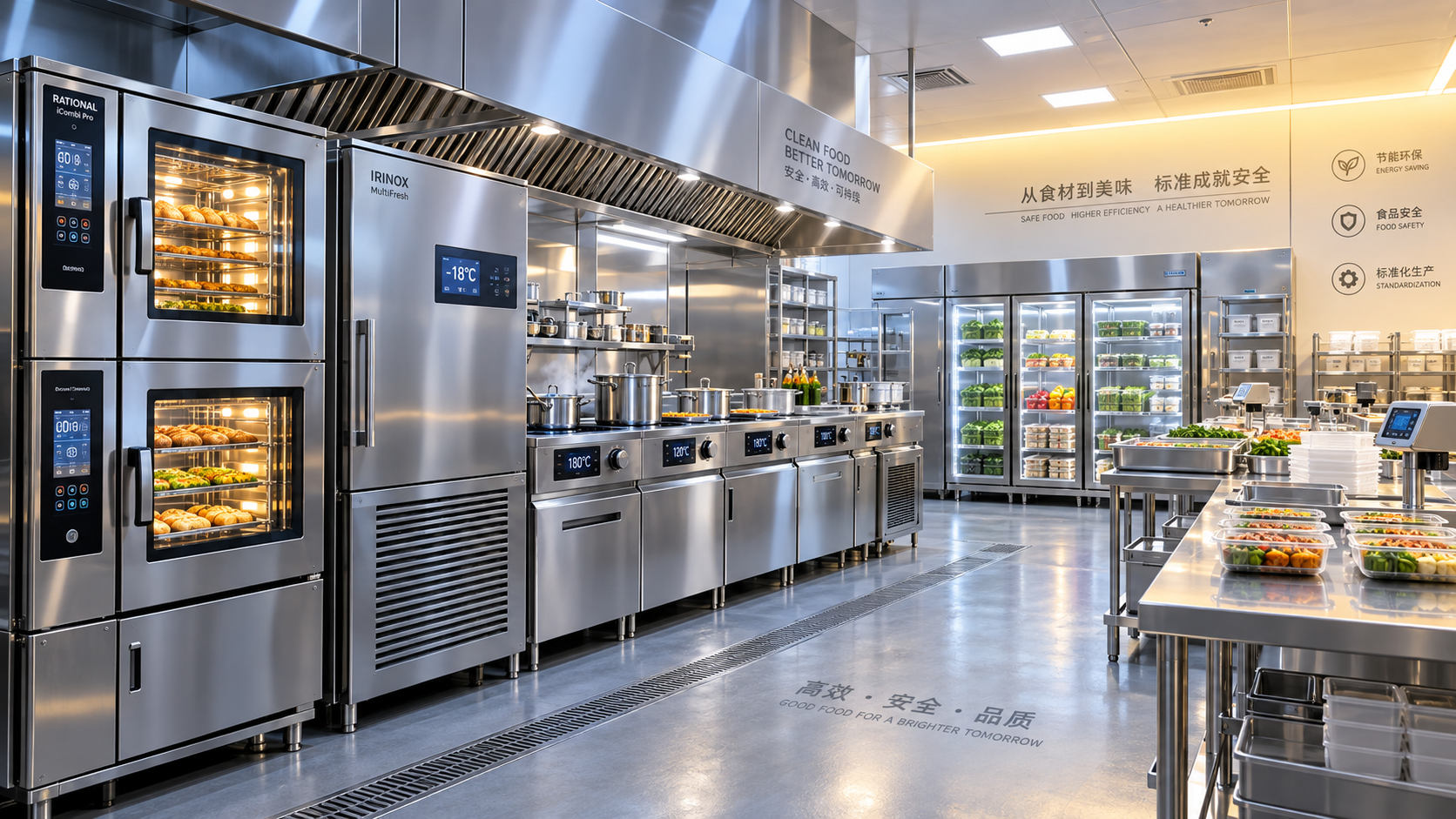
The kitchen equipment industry has strongly influenced residential design. Features once common in professional foodservice environments—better workflow, durable surfaces, energy-saving equipment, and integrated systems—are now shaping household kitchens. That shift makes practical, timeless planning more important than ever when homeowners compare layouts, cabinets, appliances, and long-term maintenance needs.
Why Practical and Timeless Kitchen Design Matters
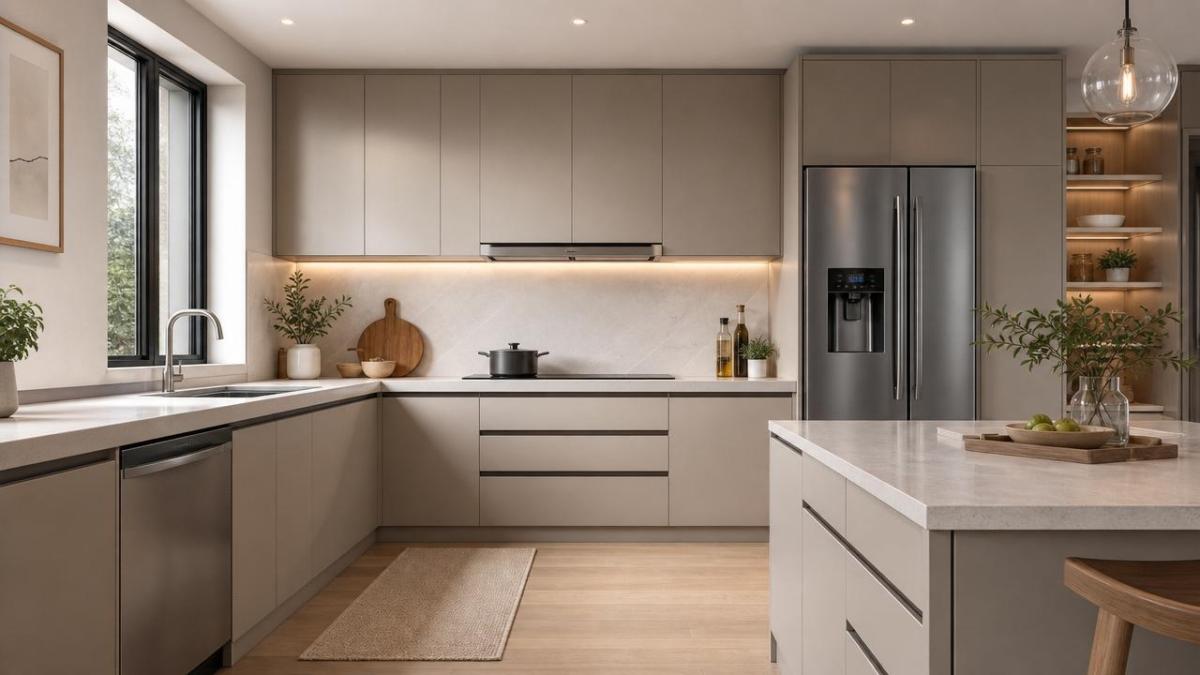
A practical kitchen design for home reduces friction in everyday tasks. If a family spends 45 to 90 minutes a day preparing meals, packing lunches, cleaning, and organizing groceries, even small layout mistakes can create years of inconvenience. Poor spacing, limited storage, or badly placed appliances often become costly problems after installation.
Timeless design adds another layer of value. Instead of chasing short-lived trends, homeowners benefit from choices that remain visually balanced and functional through changing family needs. Neutral finishes, durable materials, and standard appliance dimensions usually age better than highly customized features that become difficult to repair or replace within 5 to 8 years.
Function First, Style Second
In many homes, the kitchen works as a cooking zone, storage hub, dining support area, and social space at the same time. A successful plan should support at least 4 basic functions: food preparation, cooking, cleaning, and storage. If one of these is weak, the entire room feels less efficient no matter how attractive the finishes look.
That is why professional planning often starts with movement paths, counter lengths, ventilation needs, and appliance use frequency. For example, a prep counter of 90 to 120 cm near the sink and refrigerator can significantly improve workflow. Likewise, keeping cookware within 1 to 2 steps of the cooktop cuts repetitive movement during daily meal preparation.
How the Kitchen Equipment Industry Shapes Better Homes
Residential buyers increasingly expect the same benefits seen in commercial kitchen planning: efficient zoning, easy-to-clean surfaces, smarter storage, and lower energy consumption. While home kitchens do not need industrial equipment, they benefit from the same logic—reduce wasted steps, simplify maintenance, and choose equipment that matches actual usage patterns.
Energy-efficient induction cooktops, low-noise dishwashers, soft-close hardware, pull-out pantry systems, and sensor-based lighting are all examples of how broader kitchen equipment innovation supports modern household needs. These upgrades can improve comfort while lowering monthly utility waste over a 12-month cycle.
Common Pain Points Homeowners Should Avoid
- Insufficient storage for dry goods, cookware, and small appliances
- Walkways narrower than 90 cm, which restrict movement and door clearance
- Too little task lighting over prep zones, sinks, and cooktops
- Oversized islands that reduce circulation rather than improve utility
- Trend-driven finishes that show wear quickly or date the room within 3 to 5 years
These issues are common because many buyers focus on display-room appearance instead of long-term use. A practical kitchen design for home should always be evaluated under real conditions: grocery unloading, meal prep, hot cookware handling, child safety, storage access, and regular cleaning frequency.
Core Elements of a Practical Kitchen Layout
Layout is the foundation of any kitchen design for home. Cabinets, appliances, and decorative finishes can be changed later, but moving plumbing, ventilation, or electrical lines is far more disruptive. That is why the layout stage deserves careful review before product selection or final quotation.
The Work Triangle and Modern Activity Zones
The traditional work triangle connects the sink, cooktop, and refrigerator. It still works well in many homes, especially in compact spaces under 15 square meters. A combined triangle distance of roughly 4 to 8 meters is often comfortable, keeping movement efficient without making the kitchen feel cramped.
However, modern households often need more than a triangle. A better approach is to create 5 zones: storage, prep, cooking, cleaning, and serving. This zoning method is especially useful in open-plan homes where 2 or 3 people may use the kitchen at the same time.
Typical Residential Layout Options
The right layout depends on floor area, household size, and appliance mix. The comparison below highlights practical considerations homeowners can use during planning and supplier discussions.
For many homeowners, the L-shape and U-shape offer the best balance of efficiency and long-term flexibility. They support practical kitchen design for home by combining circulation, storage, and appliance placement without forcing the room into a rigid visual style.
Storage Planning That Supports Daily Use
Storage should be planned by category, not by cabinet count alone. A family kitchen often needs separate areas for daily cookware, dry food, refrigerated goods, cleaning tools, and occasional appliances. Deep drawers of 45 to 60 cm are often more functional than fixed shelves because they improve visibility and reduce bending.
Vertical organization also matters. Upper cabinets work best for lighter items used weekly, while lower drawers should hold heavy pans, mixing bowls, and small machines. Pull-out pantry units, tray dividers, and corner carousel systems can improve access in spaces that would otherwise be wasted.
Countertop and Clearance Guidelines
- Keep at least 90 cm of clear prep space near the sink or between the sink and cooktop.
- Allow 100 to 120 cm walkway clearance in front of cabinets and appliances.
- Reserve 30 to 45 cm landing space beside the refrigerator and oven when possible.
- Use countertop materials that resist heat, stains, and frequent cleaning cycles.
These measurements are not luxury extras. They are practical standards that reduce crowding and improve safety. In a kitchen design for home, proper spacing often matters more than adding one more decorative feature or another upper cabinet.
Choosing Materials and Appliances That Stay Relevant
Timeless kitchens are usually built from durable, low-maintenance choices rather than dramatic finishes with a short style cycle. Homeowners should compare appearance, cleanability, repairability, and replacement cost over a 7 to 15 year period, especially for cabinets, countertops, flooring, and large appliances.
Cabinet and Surface Decisions
For cabinetry, simple door profiles tend to age better than highly ornate styles. Matte or satin finishes can also be more forgiving than high-gloss surfaces, which often show fingerprints and micro-scratches more clearly. Neutral tones such as warm white, soft gray, natural oak, or muted greige usually provide better resale flexibility.
Countertops should be selected according to actual cooking habits. A household that cooks daily may prioritize stain resistance, low porosity, and impact tolerance. A lighter-use kitchen may focus more on appearance. The best kitchen design for home considers both visual consistency and maintenance frequency, not just showroom appeal.
Energy-Efficient and Smart Appliance Selection
Homeowners now expect more from kitchen equipment than simple operation. They want lower power consumption, easier cleaning, quieter performance, and in some cases app-based control. Smart functions can be useful, but they should solve real needs such as timer monitoring, cooking alerts, or energy management rather than adding complexity.
The table below outlines practical appliance factors that support a timeless kitchen investment and help align design choices with long-term household use.
A good rule is to select appliances with standard dimensions, dependable service access, and intuitive controls. Highly specialized formats may look impressive at first but can complicate future replacement, especially if a model is discontinued after several product cycles.
Design Details That Age Well
- Use layered lighting: ambient, task, and accent in 3 separate circuits where possible
- Choose handles or integrated pulls that are easy to clean and grip
- Limit highly personalized color blocking to accessories rather than permanent fixtures
- Include at least 4 to 6 well-placed power outlets for small appliances and charging
These choices make a kitchen feel current without locking it into one short-term trend. In practical terms, timelessness often comes from restraint, consistency, and easy maintenance rather than from expensive customization alone.
Implementation, Budget Control, and Long-Term Performance
Even the best kitchen design for home can fail if implementation is rushed. A practical project usually moves through 5 stages: needs analysis, layout planning, appliance selection, installation coordination, and post-installation inspection. For a mid-range renovation, the full process may take 4 to 10 weeks depending on customization level and local supply timelines.
How to Prioritize Spending
When budgets are limited, spending should prioritize elements that are hardest to change later. Plumbing locations, ventilation performance, cabinet structure, drawer hardware, and durable work surfaces generally deliver better long-term value than purely decorative upgrades. Cosmetic features can be refreshed later at lower cost.
A useful decision method is to divide spending into 3 levels: fixed infrastructure, high-use components, and visual accents. Fixed infrastructure includes wiring, water points, extraction, and built-in cabinetry. High-use components include hinges, drawers, faucets, and cooktops. Visual accents include paint tones, stools, decorative pendants, and wall accessories.
Checks Before Final Approval
- Confirm appliance door swing and drawer clearance with actual measurements.
- Test lighting at night and during daytime to avoid shadowed prep zones.
- Inspect ventilation path and filter accessibility for routine cleaning.
- Verify countertop seams, edge finishing, and backsplash sealing.
- Open every cabinet and drawer fully to identify collision points.
- Review maintenance instructions for each major kitchen equipment item.
These 6 checks prevent many avoidable issues that only become visible after handover. They are especially important when multiple suppliers handle cabinets, appliances, and installation separately.
Common Mistakes That Reduce Long-Term Value
Oversizing Equipment
A larger appliance is not always better. A refrigerator that dominates circulation or an island that blocks traffic can reduce comfort every day. Equipment should match household size, cooking style, and cleaning habits rather than showroom scale.
Ignoring Maintenance Access
Built-in elegance matters, but service access matters more. Filters, water connections, and electrical points should remain reachable. If a simple repair requires cabinet dismantling, ownership costs often rise over the next 3 to 7 years.
Following Trends Too Closely
Open shelving, bold colors, or unusual finishes can work in moderation, but they should not replace core practicality. A timeless kitchen keeps trend elements flexible and concentrates permanent investment on layout quality, durable materials, and reliable kitchen equipment.
FAQ for Homeowners Planning a Practical Kitchen
How long should a kitchen design stay relevant?
A well-executed kitchen design for home should remain functional for 10 to 15 years, with only minor updates such as paint, lighting, or hardware changes.
Are smart appliances necessary?
Not always. Smart features are worthwhile when they improve monitoring, safety, or energy use. If they add complexity without daily value, simpler models may be the better investment.
What matters most in a smaller kitchen?
In compact spaces, prioritize clear workflow, vertical storage, multi-use counters, and standard-sized appliances. A disciplined layout often creates more benefit than adding extra decorative features.
A practical and timeless kitchen is built on a clear principle: daily usability comes first, and lasting style follows from smart choices. Homeowners who focus on layout efficiency, durable materials, right-sized appliances, and maintenance-friendly details are more likely to create a kitchen that performs well for years and continues to support changing family routines.
If you are comparing kitchen equipment, planning a renovation, or looking for a tailored kitchen design for home, now is the right time to review your layout, appliance strategy, and long-term budget priorities. Contact us to explore practical solutions, request a customized plan, or learn more about efficient and future-ready kitchen options.
Popular Tags
Kitchen Industry Research Team
Dedicated to analyzing emerging trends and technological shifts in the global hospitality and foodservice infrastructure sector.
Industry Insights
Join 15,000+ industry professionals. Get the latest market trends and tech news delivered weekly.
No spam. Unsubscribe anytime.
Hot Articles
 How to Size a Commercial Kitchen Hood for Cooking Equipment and Heat Loads
- How to Size a Planetary Mixer Machine for High-Viscosity Batch Production
- How to Choose Ceramic Rice Plates for Restaurants: Size, Glaze, and Chip Resistance
- Kitchen Innovation Trends in Emerging Markets: Where Growth Will Come From in 2026
Contact With us
Contact:
Anne Yin (Ceramics Dinnerware/Glassware)
Lucky Zhai(Flatware)