
Chafing Dish Price Differences Explained by Material and Design
When evaluating Chafing Dish options, price differences often come down to material quality, structural design, and long-term operating value. For financial decision-makers, understanding these cost drivers is essential to balancing budget control with durability, appearance, and service efficiency. This guide explains how different materials and designs influence Chafing Dish pricing and purchasing ROI.
Why does Chafing Dish pricing vary so much in commercial purchasing?
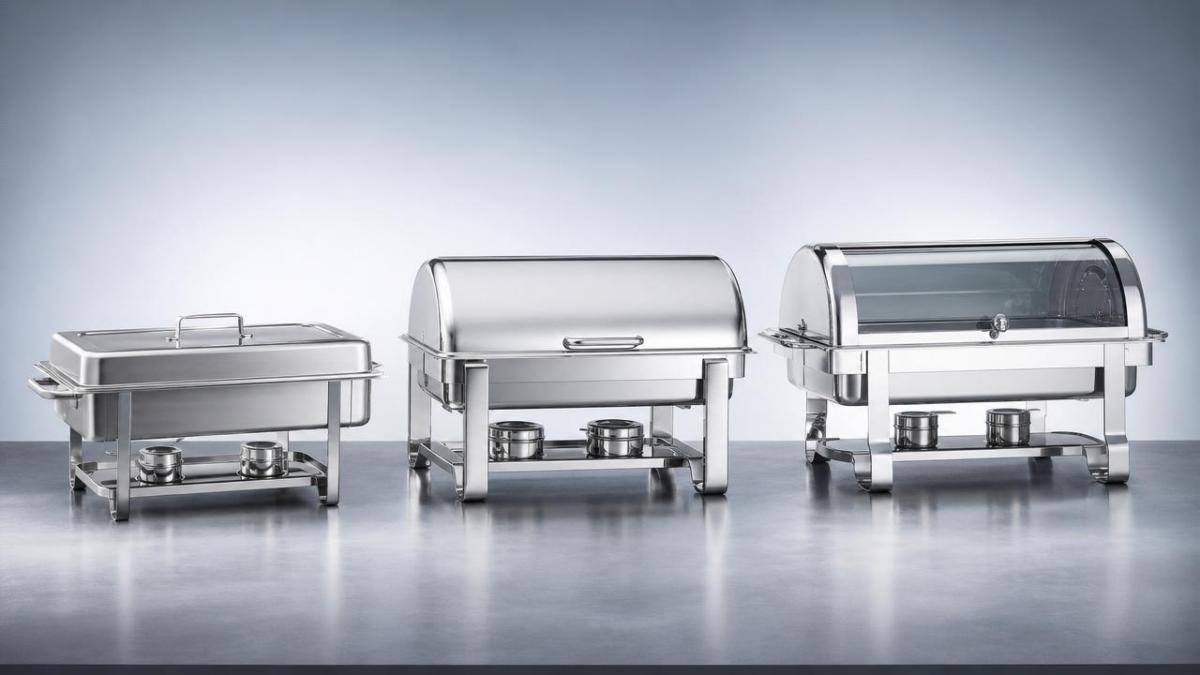
In the kitchen equipment sector, a Chafing Dish is not just a serving container. It affects buffet presentation, food temperature stability, labor efficiency, and replacement frequency. That is why two products with a similar appearance can carry very different price tags. For a finance approver, the key question is not simply which unit costs less, but which option delivers the lowest total cost across its service life.
Price differences are usually driven by three layers. First is material, such as stainless steel grade, thickness, and whether glass or aluminum components are added. Second is design, including lid structure, heating method, frame stability, and ease of cleaning. Third is supply-side value, such as manufacturing consistency, packaging quality, spare parts availability, and compliance with commercial foodservice expectations.
- Low-priced Chafing Dish models often meet short-term budget targets but may create hidden costs through denting, corrosion, poor hinge performance, and uneven heat retention.
- Mid-range products usually improve structural reliability, finish quality, and user convenience, making them suitable for hotels, event catering, and restaurant buffet lines.
- Premium models often command higher upfront prices because of stronger materials, refined design details, induction compatibility, and a more polished front-of-house appearance.
In a market moving toward smarter, more efficient kitchen systems, buyers are also paying closer attention to energy use, cleaning time, replacement cycles, and service standardization. Even for a traditional buffet product like a Chafing Dish, procurement decisions now connect directly to operating efficiency and brand image.
How material affects Chafing Dish cost, durability, and replacement risk
Material is the most visible driver of Chafing Dish price, but the real financial impact lies in lifecycle performance. Stainless steel remains the mainstream choice because it balances corrosion resistance, strength, and cleanability. However, not all stainless steel performs the same in buffet and catering environments.
Common material choices in the market
The table below summarizes how common Chafing Dish material configurations influence purchase price and operational value in commercial kitchens, hotel buffets, and banquet service.
For finance teams, the difference between 201 and 304 stainless steel is rarely just a material line item. It can affect warranty claims, visual aging, sanitation confidence, and asset replacement timing. In humid service areas or high-turnover buffet use, a lower-cost material can become more expensive over time.
Material-related cost risks that are easy to miss
- Thin metal bodies may warp after repeated heating cycles, affecting pan fit and lid closure.
- Lower corrosion resistance can shorten the useful life in coastal, humid, or high-cleaning-frequency environments.
- Inconsistent polishing quality may not stop functionality, but it can reduce perceived service quality in front-of-house applications.
Which Chafing Dish designs justify a higher price?
Design is the second major factor behind Chafing Dish price differences. A simple rectangular dish with a removable lid costs less to produce than a hydraulic roll-top model or an induction-ready premium unit. Design upgrades are not only cosmetic. They often improve workflow, safety, and guest-facing presentation.
Design features that usually add cost
- Roll-top or half-open lid systems require more complex hinges and better balance control.
- Induction-compatible bases need more precise structural design and heat transfer planning.
- Glass viewing panels increase presentation value and reduce unnecessary lid opening, but they raise component cost.
- Integrated handles, drip-control details, and smoother corners improve user safety and cleaning efficiency.
From a budgeting perspective, the right question is whether a premium design removes an operating pain point. In self-service hotel buffets, a roll-top Chafing Dish may reduce mess and improve guest access. In banquet back-up service, a simpler flip-lid model may be more cost-effective because aesthetics matter less than quick setup and transport.
Design also affects storage, stacking, and service recovery. Units with awkward handles or unstable frames can increase breakage risk during transport. A slightly higher purchase price may be justified if the design cuts labor friction across daily service cycles.
Material and design comparison for finance approval
When a procurement team presents several Chafing Dish options, finance approvers need a quick way to compare cost drivers against expected use. The table below helps translate product specifications into budget implications and operational logic.
This comparison shows that Chafing Dish pricing should be approved against service intensity and brand positioning, not against unit cost alone. A product that is too basic for a premium buffet can weaken customer perception. A product that is too advanced for a low-use operation can tie up capital without sufficient return.
What should financial approvers examine beyond the quoted Chafing Dish price?
A supplier quote rarely captures the full cost of a Chafing Dish program. In hospitality, foodservice, and institutional kitchen operations, total spend often depends on breakage exposure, cleaning labor, accessory replacement, and delivery reliability. These factors matter even more when projects involve multiple outlets or time-sensitive openings.
A practical approval checklist
- Ask for stainless steel grade confirmation and body thickness range, especially for projects expecting heavy turnover.
- Check whether food pans, fuel holders, covers, and handles are included or charged separately.
- Review packing protection for export or intercity transport to reduce dent and hinge damage upon arrival.
- Clarify spare part supply, especially for glass lids, hinge assemblies, and induction-related components.
- Confirm delivery schedule and batch consistency if the project requires uniform buffet presentation across multiple sites.
In global kitchen equipment sourcing, manufacturing origin can influence cost structure, but lead time, consistency, and after-sales support may be just as important. Finance teams should coordinate with operations and procurement early, especially when opening dates are fixed and replacement windows are limited.
How to match Chafing Dish specification to real operating scenarios
Not every operation needs the same Chafing Dish specification. The best commercial choice depends on service frequency, customer visibility, heating source, and staff handling conditions. Scenario-based matching helps prevent overbuying and underbuying at the same time.
Recommended selection logic by application
The following table links common foodservice environments with practical Chafing Dish priorities and likely price positioning.
A scenario-based approach helps finance approvers understand why one Chafing Dish should be standardized across multiple properties while another should remain project-specific. It also improves budget planning by separating high-visibility service zones from back-up or low-contact service areas.
Are higher-priced Chafing Dish models better for ROI?
Not always. The best ROI comes from matching cost to operational reality. A premium Chafing Dish delivers value when it extends service life, reduces labor friction, supports energy-efficient heating systems, or strengthens front-of-house presentation. If those benefits do not apply, a simpler model may be the smarter financial decision.
When paying more often makes sense
- The buffet line is guest-facing and visual consistency affects brand perception.
- The operation runs daily, making durability and easy cleaning more important than minimal entry cost.
- The site is moving toward electric or induction-based service for better energy control and safer operation.
- The business wants standardized equipment across locations to simplify procurement and replacement planning.
When a lower-cost model may be justified
- The Chafing Dish is used occasionally for temporary service or seasonal events.
- The service area is back-of-house or low-visibility, so decorative upgrades provide little benefit.
- The buyer is managing a highly constrained opening budget and needs phased equipment upgrades later.
In many kitchen equipment projects, the best answer is a mixed strategy. Standardize a durable mid-range Chafing Dish for core service, then selectively upgrade premium zones. This approach protects capital while keeping customer-facing areas aligned with service expectations.
FAQ: common procurement questions about Chafing Dish price differences
How do I know whether a Chafing Dish quote is realistically priced?
Compare more than the picture and dimensions. Check stainless steel grade, body thickness, included accessories, lid mechanism, heating compatibility, packing method, and spare part support. A very low quote may exclude food pans, fuel holders, or stronger packaging, which changes the real landed cost.
Is 304 stainless steel necessary for every Chafing Dish purchase?
Not for every case, but it is often the safer choice for commercial foodservice environments with frequent cleaning, visible presentation, and repeated use. For light-duty or temporary applications, a lower-cost option may work. The decision should reflect humidity, usage intensity, and expected replacement cycle.
Do roll-top Chafing Dish designs save money in operation?
They can. Roll-top designs may improve guest convenience, reduce awkward lid placement, and help keep buffet areas cleaner. However, they are mechanically more complex, so quality matters. Poor hinge construction can erase the expected benefit through maintenance or replacement issues.
What is the biggest mistake finance teams make when approving Chafing Dish purchases?
The most common mistake is treating all Chafing Dish models as equivalent serving ware. In reality, differences in material, lid structure, heating method, and finish quality can change lifespan, labor use, guest impression, and replacement cost. Unit price alone rarely tells the full story.
Why choose us for Chafing Dish selection and quotation support?
In commercial kitchen equipment sourcing, decision quality depends on how clearly product details are translated into operational and financial outcomes. We support buyers who need more than a simple price list. Our approach focuses on practical specification matching, scenario-based recommendation, and clearer cost visibility for hotels, restaurants, catering projects, and institutional foodservice operations.
- Parameter confirmation: compare material grade, body thickness, lid structure, heating compatibility, and pan configuration before approval.
- Product selection: identify which Chafing Dish models fit buffet service, banquet use, central kitchen distribution, or premium guest-facing stations.
- Delivery planning: discuss lead time, packing method, batch consistency, and project schedule coordination for multi-site orders.
- Custom solution support: review finish, shape, accessory combinations, and quantity planning for differentiated hospitality concepts.
- Certification and compliance discussion: align product expectations with common commercial food-contact and export documentation needs where applicable.
- Sample and quotation communication: evaluate actual build quality and obtain a more decision-ready cost breakdown before final commitment.
If you are comparing Chafing Dish options for a new project, replacement purchase, or standardized multi-location rollout, contact us to review specifications, pricing logic, delivery timing, and suitable alternatives. A focused discussion now can prevent under-spec purchases, unnecessary upgrades, and avoidable replacement costs later.
Popular Tags
Kitchen Industry Research Team
Dedicated to analyzing emerging trends and technological shifts in the global hospitality and foodservice infrastructure sector.
Industry Insights
Join 15,000+ industry professionals. Get the latest market trends and tech news delivered weekly.
No spam. Unsubscribe anytime.
Contact With us
Contact:
Anne Yin (Ceramics Dinnerware/Glassware)
Lucky Zhai(Flatware)