
Ceramic Dinner Plate Trends Moving Beyond Plain White
The ceramic dinner plate is no longer limited to plain white designs. Today’s consumers are embracing textured finishes, earthy tones, handcrafted details, and modern shapes that bring more personality to the table. As dining spaces become an extension of personal style, ceramic plates are evolving to balance beauty, durability, and everyday practicality, making them a key trend to watch in contemporary kitchen and tableware choices.
For end consumers, this shift is about more than appearance. A ceramic dinner plate now sits at the intersection of home aesthetics, food presentation, material safety, dishwasher performance, and replacement value over 2–5 years of regular use. In the broader kitchen equipment and tableware market, changing consumer preferences are also influencing sourcing, product development, and retail assortment decisions.
Whether someone is upgrading a weekday dinner set, building a more distinctive hosting table, or comparing options for a new home, understanding current ceramic plate trends can help avoid poor purchases. Shape, glaze, firing quality, rim design, stackability, and chip resistance all matter. The most successful products today combine visual character with practical features suited to daily life.
Why the Ceramic Dinner Plate Market Is Shifting
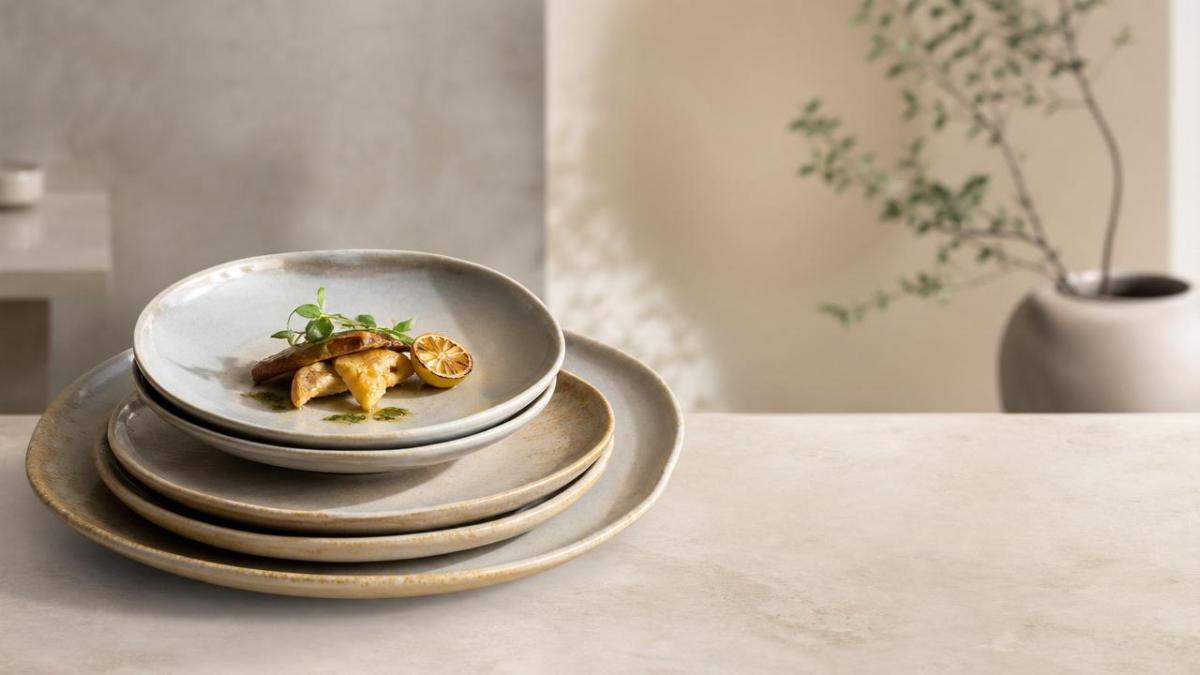
The move beyond plain white is tied to three visible changes in consumer behavior. First, homes are being styled more intentionally, and tableware is part of that design language. Second, social sharing has increased attention on plating and visual presentation. Third, buyers expect tableware to perform across multiple situations, from quick weekday meals to small gatherings of 4–8 guests.
In practical terms, the ceramic dinner plate is now evaluated across at least 4 dimensions: look, feel, durability, and maintenance. A plate may appear attractive online, but if it stains after 3–6 months, scratches easily with stainless flatware, or stacks poorly in compact cabinets, satisfaction drops quickly. This is why contemporary buyers are paying closer attention to finish quality and construction details.
From Minimalism to Personality
Plain white still has a place, especially for highly versatile use, but it is no longer the default aspiration. Many consumers now prefer reactive glazes, matte surfaces, speckled finishes, soft irregular rims, and color palettes inspired by sand, clay, charcoal, olive, or stone. These choices create warmth and individuality without making a table feel overly formal.
This trend also reflects a broader shift in the kitchen equipment sector toward products that combine function with experience. Just as appliances are becoming smarter and more design-conscious, tableware is expected to add both utility and visual value. For shoppers, that means a ceramic dinner plate is often treated as a lifestyle purchase rather than a simple replaceable item.
What Consumers Now Expect
A modern plate should work across several routines. It should be suitable for breakfast, lunch, dinner, reheating, and cleanup. In many households, the ideal diameter falls between 10 and 11 inches, giving enough room for complete meals without overwhelming smaller dining tables or dish racks. Weight also matters; plates that are too heavy can be tiring for daily handling, while very light options may feel less stable.
- Dishwasher-safe glaze that holds up through frequent weekly cycles
- Microwave compatibility for everyday reheating convenience
- Reasonable chip resistance at the rim and base ring
- Stackable design for shelves with limited vertical space
- Neutral-to-expressive styling that suits both casual and semi-formal meals
Top Ceramic Dinner Plate Trends Consumers Are Choosing
Several design directions are shaping today’s ceramic dinner plate category. These trends are not only aesthetic; they affect maintenance, plating style, visible wear, and long-term satisfaction. Choosing the right trend depends on how often the plates are used, who uses them, and whether the buyer values visual statement or low-maintenance practicality more.
1. Textured and Reactive Glaze Finishes
Reactive glaze is popular because it makes each plate feel slightly unique. The tonal variation can help food look more vibrant and less flat than it often appears on pure white surfaces. However, buyers should check whether the finish is smooth enough for easy cleaning. Deep texture can trap sauce residue or oil, especially around decorative rims.
For regular home use, a light-to-moderate texture is often the safer choice. It adds character while remaining easier to wipe clean after 1–2 daily meal cycles. A balanced glaze should feel refined rather than rough.
2. Earth Tones and Muted Natural Colors
Color is moving toward warm neutrals and grounded shades. Beige, terracotta, slate blue, moss green, and off-black are now common alternatives to white. These tones coordinate well with wood tables, stone countertops, and mixed-material kitchens, making them easy to integrate into modern homes without demanding a full dining room redesign.
3. Organic Shapes and Soft Irregularity
Perfect symmetry is no longer the only sign of quality. Slightly irregular edges, hand-finished contours, and artisanal silhouettes are widely appreciated because they feel more personal. Even small deviations in the rim can make a set feel less factory-generic. That said, extremely uneven shapes may reduce stackability and create storage inefficiency in compact kitchens.
4. Matte Surfaces with Modern Appeal
Matte ceramic dinner plate designs are valued for their calm, contemporary look. They photograph well and reduce glare under warm indoor lighting. The main trade-off is that some matte finishes can show metal marks more easily. Consumers who use stainless cutlery daily should check whether the plate surface is designed to minimize visible abrasion over time.
The table below compares four major trends by appearance, maintenance needs, and ideal use case. This helps buyers narrow down options based on actual daily habits rather than style alone.
The strongest overall trend is not simply “more decorative.” It is better described as thoughtful variation. Buyers still want a ceramic dinner plate that is practical, but they no longer accept a trade-off where functionality requires visual blandness.
How to Choose the Right Ceramic Dinner Plate for Daily Use
A good purchase starts with use frequency. A household that serves 2 meals a day on the same set has different needs from someone buying a 6-piece set mainly for weekend entertaining. Material quality, rim thickness, glaze consistency, and compatibility with existing kitchen routines should all be checked before selecting a style.
Check 5 Core Performance Factors
- Plate size: 10–11 inches is a common range for balanced everyday use.
- Weight: moderate weight supports durability without feeling cumbersome.
- Surface finish: smoother finishes are usually easier to maintain.
- Rim profile: reinforced or slightly thicker rims can reduce visible chipping risk.
- Storage fit: stack height matters if cabinets have limited vertical clearance.
Dishwasher and Microwave Compatibility
For most consumers, dishwasher safety is non-negotiable. If plates are washed 4–7 times per week, poor glaze quality becomes visible quickly through fading, roughness, or staining. Microwave compatibility also matters for leftovers and meal prep. Buyers should avoid decorative finishes that are attractive on shelves but inconvenient in real kitchen use.
Durability Versus Delicate Styling
Thin and refined edges can look elegant, but extremely delicate rims tend to be less forgiving in busy households. Homes with children, frequent hosting, or tighter storage conditions often benefit from slightly sturdier construction. A ceramic dinner plate should survive regular handling, stacking, and loading without making users feel they must treat it like decorative art.
The following comparison table can help consumers evaluate options based on practical buying priorities rather than style impressions alone.
The key takeaway is simple: the best ceramic dinner plate is the one that keeps looking good after repeated use, not just the one that looks impressive on the first day. Long-term satisfaction usually comes from balanced specifications rather than the most dramatic design choice.
Common Buying Mistakes and How to Avoid Them
Consumers often focus heavily on color and shape while overlooking daily-use details. This leads to attractive purchases that become inconvenient after 2–3 weeks. In the tableware segment of the kitchen equipment market, usability remains one of the strongest predictors of repeat satisfaction.
Mistake 1: Choosing Only by Visual Style
A plate may fit a design mood board perfectly but still fail in storage or cleanup. Before buying, consumers should compare at least 3 aspects beyond style: finish maintenance, weight in hand, and stack profile. These details directly affect how often the plate will actually be used.
Mistake 2: Ignoring Set Composition
Some buyers purchase a ceramic dinner plate set without checking whether matching side plates, bowls, or serving pieces are available. If expansion is needed later, inconsistent glaze batches or discontinued colors can become a problem. For growing households, it is often wise to choose collections that can be replenished within 6–12 months.
Mistake 3: Underestimating Care Needs
Heavily textured or matte pieces may need more careful handling than glossy glazed alternatives. If convenience is a top priority, consumers should ask whether the plate supports routine dishwasher use and whether dark sauces, oils, or acidic foods are likely to leave visible traces.
A Practical 4-Step Buying Process
- Define use case: daily meals, entertaining, or mixed use.
- Check size and cabinet fit using real measurements.
- Compare finish type against maintenance tolerance.
- Review replacement flexibility and set expansion options.
This simple process reduces the risk of buying plates that are visually appealing but operationally frustrating. In home kitchens, convenience often determines whether premium-looking tableware becomes a favorite or stays unused.
How Ceramic Dinner Plate Trends Connect to the Wider Kitchen Equipment Industry
Although ceramic plates seem far removed from large kitchen systems, they reflect many of the same market forces driving the broader kitchen equipment industry: better material performance, design-led innovation, efficiency in daily use, and consumer demand for products that combine durability with experience value.
Manufacturers and suppliers are responding with improved glazing processes, more consistent firing control, and wider collections that coordinate with modern kitchen environments. As households increasingly expect products to be both practical and expressive, the tableware category becomes a meaningful part of kitchen purchasing decisions rather than an afterthought.
Why This Matters for End Consumers
Better production consistency can improve finish uniformity, reduce visible defects, and support more reliable repeat purchases. For buyers, this means a higher chance that a ceramic dinner plate ordered today will match replacement pieces bought later. In real terms, that saves time, avoids mismatched sets, and improves long-term value.
The current trend direction also aligns with broader sustainability preferences. Consumers are increasingly willing to buy fewer, better pieces that remain attractive over years of use. A versatile plate that works for 80% of meals is often more valuable than a niche design used only occasionally.
Choosing Trend-Driven Plates Without Sacrificing Everyday Value
The best ceramic dinner plate trends are the ones that improve the dining experience while respecting real household routines. Textured surfaces, earthy palettes, matte finishes, and organic forms are all strong options when supported by good glaze quality, practical sizing, and durable construction. Consumers do not need to choose between style and usability if they evaluate both with equal care.
If you are comparing ceramic dinner plate options for daily use, gifting, or a full tableware refresh, focus on finish performance, storage fit, replacement flexibility, and long-term comfort in use. For more product guidance, tailored selection advice, or broader kitchen and tableware solutions, contact us today to explore the right option for your home and dining style.
Popular Tags
Kitchen Industry Research Team
Dedicated to analyzing emerging trends and technological shifts in the global hospitality and foodservice infrastructure sector.
Industry Insights
Join 15,000+ industry professionals. Get the latest market trends and tech news delivered weekly.
No spam. Unsubscribe anytime.


Contact With us
Contact:
Anne Yin (Ceramics Dinnerware/Glassware)
Lucky Zhai(Flatware)