
Glass Home Vase Styles Buyers Are Watching in 2026
As 2026 approaches, buyers are closely tracking how glass home vase trends align with broader home and hospitality needs, from styling versatility to durability and presentation value. Alongside products like glass wedding decor vase and glass party vase, today’s sourcing decisions are also influenced by coordinated tabletop items such as ceramic serving platter and stoneware soup bowl, reflecting a growing demand for functional, design-led collections.
What glass home vase styles are gaining attention in 2026?
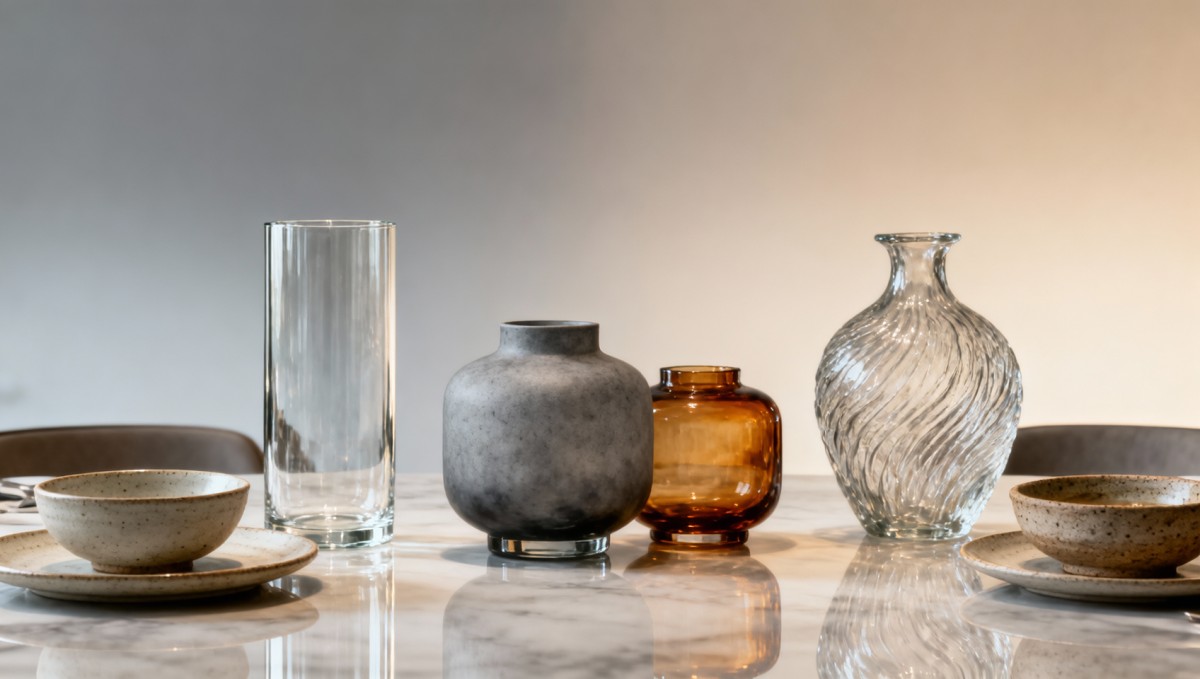
For 2026, buyers are not simply asking which glass home vase looks attractive on a shelf. They are evaluating which styles can work across household retail, hotel decoration, restaurant tabletop presentation, event styling, and coordinated kitchen and dining collections. This matters in a market where visual presentation supports brand image, while practical concerns such as breakage rates, replenishment cycles, and storage efficiency directly affect purchasing decisions.
Across the broader kitchen equipment and tabletop supply chain, design-led products now need to serve more than one purpose. A glass home vase may appear in residential décor, but it is also increasingly considered for hospitality settings, café counters, buffet lines, reception areas, and private dining rooms. Buyers typically assess 3 core dimensions: display appeal, operational durability, and collection compatibility with plates, bowls, serving platters, and other tabletop items.
The strongest styles buyers are watching include clear minimalist cylinders, textured artisanal forms, tinted neutral glass, sculptural statement vases, and compact multifunctional designs. These categories are attractive because they fit 2 major sourcing goals at the same time: they support visual merchandising and they simplify cross-category assortment planning. This is especially relevant for distributors and procurement teams managing 4–6 seasonal launches per year.
In commercial environments linked to foodservice and hospitality, buyers also prefer vase styles that do not conflict with hygiene routines, frequent handling, or changing decorative themes. A vase that works for a hotel breakfast station, banquet setup, or restaurant host stand may need to be cleaned weekly or even daily, stored in batches of 12–24 units, and replaced quickly without visible assortment mismatch.
Key style directions shaping sourcing decisions
Minimalist clear glass remains highly watchable because it supports flowers, dried arrangements, candles, and table accents without overpowering other service items. It also integrates well with ceramic serving platter ranges, stoneware soup bowl collections, and neutral dining accessories used in restaurants, hotels, and premium homeware channels.
Textured and hand-finished looks are also rising because they deliver a crafted appearance while maintaining commercial flexibility. Buyers often use these for boutique hospitality or gift-led retail. However, they must verify whether the texture traps dust, complicates washing, or increases visible inconsistency across batches larger than 200–500 pieces.
- Clear cylindrical designs suit high-volume purchasing because they stack planning, packaging, and replacement more easily.
- Muted smoke, amber, and olive tones support warmer interior trends and pair well with wood, stoneware, and brushed metal surfaces.
- Compact low-profile vases are increasingly favored for restaurant tables because they reduce obstruction in service zones.
- Statement sculptural pieces work best in lobbies, reception counters, and visual merchandising rather than heavy-turnover table service.
How do buyers compare vase styles for home, hospitality, and coordinated tabletop programs?
Comparison is where many sourcing projects succeed or fail. A vase that performs well in residential e-commerce may not be suitable for hotels, restaurants, or event operators. Procurement teams need to compare form, weight, opening diameter, cleaning convenience, packaging efficiency, and style compatibility with wider kitchen and dining assortments. This is particularly important when the same supplier supports decorative glassware and tabletop products used in foodservice environments.
When buyers compare a glass wedding decor vase with a glass party vase or a daily-use glass home vase, the question is not only aesthetic. It is also operational. Wedding décor often prioritizes elegance and photo impact. Party use may prioritize quick setup and replacement. Home retail focuses more on shelf appeal and gifting. Hospitality buyers often need a middle ground that balances presentation and repeat usability over 6–12 month procurement cycles.
The table below summarizes common differences buyers assess when selecting styles for multiple channels. It can help importers, wholesalers, restaurant groups, and hotel purchasing teams align aesthetic goals with real usage conditions.
This comparison shows why a single “best” glass home vase style rarely exists. Buyers usually need a range architecture instead: one stable bestseller, one seasonal trend item, one hospitality-friendly format, and one premium visual anchor. That 4-part assortment structure helps reduce overbuying risk while improving display consistency across multiple selling channels.
Where coordinated tabletop sourcing changes the decision
More buyers now source vases together with tabletop items because end customers want coherent collections rather than isolated products. A glass home vase that visually matches a ceramic serving platter, stoneware soup bowl, and serving accessories creates stronger cross-sell potential and simplifies catalog presentation. In foodservice-related procurement, this also supports integrated dining concepts from front-of-house display to table presentation.
For B2B decision makers, coordinated sourcing can shorten supplier communication by 1–2 rounds, reduce packaging mismatch, and make sample evaluation more efficient. It also helps when launching hospitality projects that need décor and functional tabletop products delivered within the same 2–4 week planning window.
What should procurement teams check before placing orders?
A common mistake in glass home vase procurement is focusing too heavily on appearance and too little on operational details. Information researchers may begin with trend images, but purchasing managers and business decision makers need a more disciplined checklist. In most projects, 5 key checks matter most: dimensions, glass thickness, base stability, packaging protection, and compatibility with the intended use frequency.
For example, a narrow-neck decorative vase may look refined online, yet it may be difficult to clean in restaurants or event operations where turnaround time is tight. A wide-base design may be more stable, but it can consume more shelf or table space. For operators managing high-use environments, replacement planning often works best when case packs, spare quantity ratios, and restocking schedules are discussed before the first bulk order.
The kitchen equipment and hospitality supply environment has already trained professional buyers to think in systems. They compare workflow, durability, sanitation, and energy efficiency for appliances. The same disciplined approach increasingly applies to decorative tabletop products. Even for a glass party vase, buyers now ask whether it supports repeated handling over multiple event cycles, whether outer cartons are export-safe, and whether finish consistency is acceptable from one batch to the next.
The following table provides a practical selection framework for buyers balancing visual goals with commercial execution. It is especially useful when sourcing for hotels, restaurants, distributors, and multi-category homeware programs.
Procurement teams should treat this as a risk-control tool, not just a product checklist. A visually strong vase line can still fail if packaging claims are unclear, sample evaluation is skipped, or handling conditions are underestimated. For importers and contract buyers, one extra sample review cycle can prevent avoidable issues during a 30–45 day sourcing timeline.
A practical 4-step buying process
- Define the use case first: home retail, hotel décor, restaurant table service, banquet use, or seasonal event styling.
- Shortlist 3–5 styles based on dimensions, finish, and compatibility with existing tabletop products.
- Request samples and confirm packaging method, lead time, labeling details, and acceptable tolerance in handcrafted appearance.
- Place trial volume first when possible, then scale to regular orders after confirming breakage rate, customer feedback, and reorder stability.
Questions operators and end users should ask
Users and operators often spot issues that buyers miss. Can the vase be cleaned quickly between uses? Does it slide easily on polished surfaces? Will it obstruct guest interaction on a two-person table? Does it pair naturally with serving items used nearby? These are simple questions, but they directly affect whether a glass home vase succeeds in real environments instead of just looking good in a catalog.
Which risks, compliance points, and misconceptions do buyers often overlook?
One frequent misconception is that all decorative glassware can be sourced using the same criteria. In reality, a glass home vase for residential sale, a glass wedding decor vase for events, and a tabletop decorative item used in foodservice-adjacent settings may require different packaging, finish review, and operational planning. If the product is placed near food presentation zones, buyers should also consider hygiene handling processes and cleaning suitability, even when the vase itself is not food-contact equipment.
Another oversight is assuming that visual samples tell the full story. Samples show style direction, but they do not automatically confirm transit resistance, carton durability, or batch repeatability. In international trade, especially when shipments move through multiple handling points over 2–6 weeks, packaging structure becomes nearly as important as the vase design itself.
Buyers connected to kitchen equipment, restaurant supply, and hospitality purchasing are already familiar with compliance thinking. They routinely ask about electrical safety, sanitation, and energy efficiency in other product categories. Decorative items should be reviewed with similar discipline: material description should be clear, product usage should be accurately stated, and suppliers should communicate practical care instructions instead of vague quality claims.
Where applicable, general export and product communication should remain transparent. For example, if an item is handmade or partially hand-finished, acceptable variation should be clarified before order confirmation. If packaging is intended for retail display versus bulk project use, carton design and labeling expectations should be separated early in the process.
Common risk points to review before approval
- Mismatch between display photos and actual tint, especially for smoke or amber glass under different lighting conditions.
- Insufficient base stability for busy restaurant tables, event counters, or lobby surfaces with regular foot traffic.
- Bulk cartons optimized for freight efficiency but not for fast replenishment at store or hotel operation level.
- Unclear replacement planning when purchasing for 50, 100, or 300-room hospitality programs.
FAQ for researchers, buyers, and decision makers
How do I choose between a glass home vase and a glass party vase?
Choose based on usage frequency and replacement speed. A glass home vase usually prioritizes style longevity and daily display compatibility. A glass party vase often prioritizes quick setup, cost control, and easier event turnover. If the same item must serve both functions, look for stable medium-size formats that balance appearance and handling practicality.
What lead time is common for vase sourcing projects?
Lead time varies by order volume, finish complexity, and packaging method. For many standard programs, sample confirmation may take 7–15 days, while bulk production and shipment planning often require several additional weeks. Buyers should also allow time for packaging approval, especially for export orders or coordinated tabletop collections.
Are tinted or textured vases harder to manage than clear ones?
Often yes, but not always. Tinted and textured styles create stronger visual differentiation, yet they may show batch variation more clearly and can require more careful cleaning review. Clear designs are usually easier for repeat ordering and assortment matching, which is why they remain strong in both retail and hospitality procurement.
Why do tabletop coordination and kitchen-related sourcing matter for decorative vases?
Because buyers increasingly want complete presentation solutions, not isolated items. A vase that visually aligns with a ceramic serving platter, stoneware soup bowl, and dining accessories supports stronger merchandising, smoother hospitality styling, and more efficient supplier management. This integrated mindset reflects a wider shift in the kitchen equipment and foodservice supply chain toward smarter, more cohesive purchasing decisions.
Why work with a supplier that understands both décor trends and operational sourcing?
In 2026, buyers are not just tracking style. They are balancing display value, replenishment logic, packaging safety, and range coordination. A useful supplier should be able to discuss more than color and shape. They should also help clarify product dimensions, usage scenarios, sample priorities, case-pack options, expected lead times, and how a glass home vase line can sit alongside tabletop and kitchen-related categories in one practical sourcing plan.
This is especially valuable for importers, hospitality groups, restaurant suppliers, and category managers who already source within the broader kitchen equipment ecosystem. In that environment, procurement decisions are becoming more integrated, more time-sensitive, and more data-driven. Buyers need partners who understand how design, handling, delivery, and commercial usability connect across the full assortment.
If you are evaluating glass wedding decor vase options, glass party vase programs, or coordinated collections that include ceramic serving platter and stoneware soup bowl lines, a structured consultation can save significant back-and-forth. Early discussion around 3–5 candidate styles, packaging expectations, and intended sales channels usually leads to better sample selection and more realistic quotation review.
Contact us to discuss specific parameters such as vase size range, finish preference, carton configuration, sample support, delivery schedule, project-based customization, and coordination with tabletop or hospitality collections. Whether you are comparing products for research, preparing a purchase plan, or building a broader supply program, we can help you move from trend watching to sourcing decisions with clearer product matching and more practical execution.
Popular Tags
Kitchen Industry Research Team
Dedicated to analyzing emerging trends and technological shifts in the global hospitality and foodservice infrastructure sector.
Industry Insights
Join 15,000+ industry professionals. Get the latest market trends and tech news delivered weekly.
No spam. Unsubscribe anytime.

Contact With us
Contact:
Anne Yin (Ceramics Dinnerware/Glassware)
Lucky Zhai(Flatware)