
Ceramic Rice Plate vs Porcelain: What Sells Better
Choosing between a ceramic rice plate and porcelain is more than a style decision—it affects durability, cost, presentation, and buyer demand. For distributors, retailers, and foodservice buyers comparing products like stoneware rice bowl, ceramic pasta plate, and porcelain baking dish, understanding what sells better can help optimize purchasing strategies and meet evolving market preferences.
In most markets, porcelain usually sells better in formal dining, hospitality, and premium retail because it looks refined, feels lighter, and supports a higher-value presentation. Ceramic rice plates, however, often perform better in casual dining, home use, and value-driven channels where rustic aesthetics, affordability, and everyday practicality matter more. The better-selling option depends less on the material name alone and more on customer segment, price positioning, design trend, and usage scenario.
What Usually Sells Better: Ceramic Rice Plate or Porcelain?
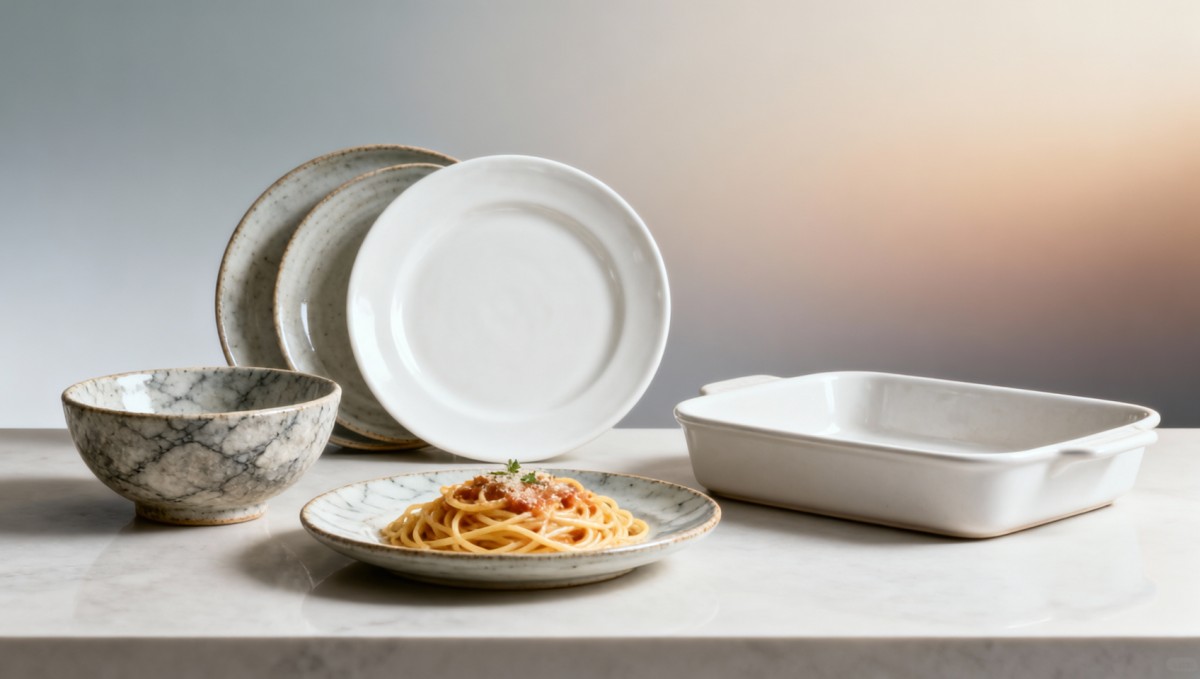
If the goal is a quick buying conclusion, the answer is this: porcelain tends to have broader appeal in premium and professional settings, while ceramic rice plates often move well in lifestyle retail and mid-range household demand.
For procurement teams and decision-makers, sales performance is usually shaped by five factors:
- Target market: Hotels, fine dining restaurants, and banquet businesses often prefer porcelain.
- Price sensitivity: Buyers serving cost-conscious consumers may choose ceramic options with stronger visual variety.
- Design preference: Handmade-looking textures and earthy finishes often favor ceramic.
- Operational needs: Lightweight consistency and stackability often favor porcelain.
- Brand positioning: Premium tableware collections are more commonly built around porcelain.
So, what sells better is not a one-size-fits-all answer. If you sell to upscale dining and hospitality, porcelain often wins. If you supply casual restaurants, homeware shops, or trend-led tableware collections, ceramic rice plates can be equally competitive or even stronger.
What Buyers Care About Before They Place an Order
Search users looking for “ceramic rice plate vs porcelain” are rarely asking about material science alone. They usually want to know which product will perform better commercially or practically.
The most common buyer concerns include:
- Which one is more durable for daily use?
- Which one gives better profit margin or resale potential?
- Which one matches current dining and home decor trends?
- Which one is safer and easier for kitchen operations?
- Which one creates fewer complaints about chipping, weight, or appearance inconsistency?
Distributors and wholesalers also care about broader commercial questions, such as minimum order flexibility, breakage risk during shipping, consistency between batches, and whether a product can fit both retail and foodservice channels.
Material Differences That Affect Real-World Sales
Although people often use “ceramic” as a broad term, porcelain and many rice plates both belong to the ceramic family. In practical buying terms, the comparison usually means standard ceramic or stoneware-style rice plates versus porcelain tableware.
Porcelain is generally made from finer clay and fired at higher temperatures. This often results in:
- a smoother and more refined surface
- higher density
- a lighter feel relative to strength
- a cleaner white base for premium presentation
Ceramic rice plates, especially rustic or stoneware-inspired products, are often valued for:
- warm textures and handcrafted appearance
- broader color and glaze variety
- strong visual fit for casual dining concepts
- accessible pricing in many market segments
From a sales perspective, porcelain often performs better when customers want elegance and uniformity. Ceramic performs better when customers want character, trend appeal, and a more relaxed dining style.
Which Is Better for Restaurants, Hotels, and Foodservice Operations?
For foodservice buyers, the right choice depends on service model rather than trend alone.
Porcelain is often the better fit for:
- hotels and banquet operations
- fine dining restaurants
- high-volume operations needing consistent stackability
- brands focused on clean plating presentation
Why? Porcelain usually offers a more standardized appearance, making replacement easier and table settings more uniform. It also supports premium plating for rice dishes, side dishes, desserts, and tasting menus.
Ceramic rice plates are often better for:
- casual dining restaurants
- Asian fusion concepts
- farm-to-table or rustic restaurant branding
- cafes and lifestyle-driven foodservice spaces
These venues often benefit from the visual warmth of ceramic tableware. A ceramic pasta plate or stoneware rice bowl can help build a more artisanal brand image, which matters in social-media-driven dining markets.
That said, operators should also test edge durability, glaze resistance, and dishwasher performance before scaling up any purchase.
Which Material Has Better Retail and Distribution Potential?
For retailers and distributors, what sells better is closely linked to customer expectations in each channel.
Porcelain usually has stronger sales potential in:
- department stores
- wedding and gift markets
- premium kitchenware collections
- hotel and restaurant supply catalogs
Ceramic often has stronger sales potential in:
- home decor retail
- online lifestyle stores
- casual dining supply ranges
- trend-based seasonal tableware launches
Buyers should also think in collection logic, not just single-item logic. A ceramic rice plate may sell more effectively when paired with a matching ceramic pasta plate, bowl, mug, or serving platter. Porcelain often works better in complete hospitality programs that include plates, cups, saucers, and porcelain baking dish lines.
If your goal is long-term B2B repeat orders, porcelain often provides stronger consistency. If your goal is trend responsiveness and design differentiation, ceramic may create better retail momentum.
Cost, Margin, and Risk: What Procurement Teams Should Compare
Purchase price alone does not decide what sells better. Smart buyers compare total business value.
Key evaluation points include:
- Unit cost: Ceramic products may be competitively priced, but design complexity can change cost significantly.
- Breakage rate: Material strength, packaging quality, and logistics handling all matter.
- Replacement consistency: Porcelain usually performs better in standardized repeat production.
- Inventory flexibility: Fashion-driven ceramic styles may have shorter trend cycles.
- Margin potential: Premium porcelain can support higher perceived value, while distinctive ceramic can also command good markup if design is strong.
For enterprise buyers, the best procurement question is not “Which is cheaper?” but “Which option gives the best mix of sell-through, durability, visual appeal, and reorder stability?”
How to Decide What Will Sell Better in Your Market
If you are still comparing ceramic rice plate vs porcelain, use this practical framework:
- Define the end user. Is the buyer a hotel, a restaurant chain, a retailer, or a household consumer?
- Match the dining style. Minimalist and formal often favor porcelain; natural and rustic often favor ceramic.
- Check operational demands. Consider dishwasher use, microwave safety, stacking, and replacement rate.
- Review visual trend direction. Neutral white porcelain stays evergreen; colored or textured ceramic may benefit trend-led sales.
- Test small before scaling. Pilot both options with real customers or in limited distribution.
In many cases, the strongest strategy is not choosing only one. A balanced product portfolio can include porcelain for hospitality and premium buyers, plus ceramic rice plates for casual retail and design-led segments.
Final Verdict
When asking “Ceramic Rice Plate vs Porcelain: what sells better,” the most accurate answer is that porcelain usually sells better in premium, professional, and formal-use markets, while ceramic often sells better in casual, trend-driven, and home-oriented channels.
For procurement professionals and business decision-makers, the winning product is the one that fits the customer’s use case, price expectations, and visual preferences. Porcelain offers consistency, elegance, and strong hospitality appeal. Ceramic offers texture, personality, and flexible consumer appeal. If you evaluate both through market fit, operational performance, and resale potential, the better-selling choice becomes much clearer.
Popular Tags
Kitchen Industry Research Team
Dedicated to analyzing emerging trends and technological shifts in the global hospitality and foodservice infrastructure sector.
Industry Insights
Join 15,000+ industry professionals. Get the latest market trends and tech news delivered weekly.
No spam. Unsubscribe anytime.

Contact With us
Contact:
Anne Yin (Ceramics Dinnerware/Glassware)
Lucky Zhai(Flatware)