
Glass Latte Mug New Releases Seen at 2026 Shows
At the 2026 trade shows, the latest glass latte mug designs stood out alongside rising demand for stylish, functional tabletop essentials. From buyers comparing a ceramic pasta plate or stoneware soup bowl to decision-makers tracking product trends, these new releases reveal how kitchenware is evolving toward better presentation, everyday usability, and market-ready innovation.
What made the 2026 glass latte mug releases worth attention?
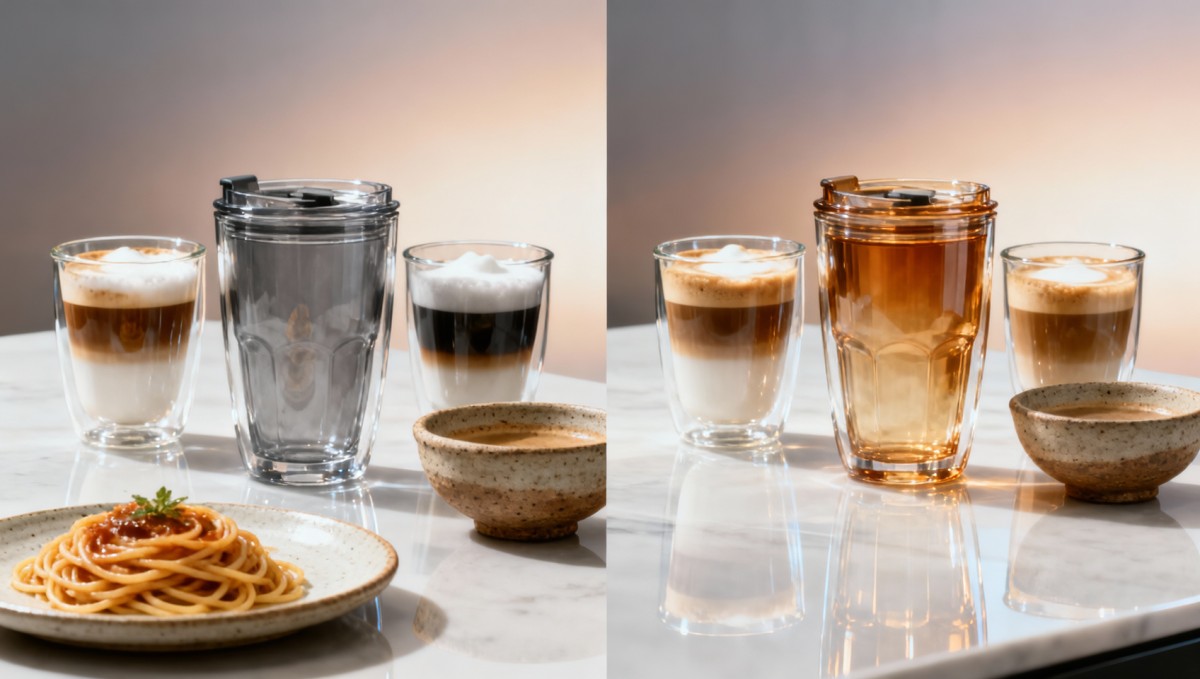
The strongest signal from 2026 shows was not just about appearance. Glass latte mug launches reflected a broader kitchen equipment trend: operators and buyers now want drinkware that supports presentation, safe handling, efficient storage, and consistent replacement planning. In both commercial and retail channels, mugs are being evaluated as working tools rather than decorative add-ons.
For information researchers, the key shift is easy to spot. New models focused on 3 core priorities: thermal practicality, visual clarity, and compatibility with modern coffee service routines. Many exhibitors highlighted capacities in the 250 ml–450 ml range, which fit common latte, cappuccino, and specialty beverage programs across cafés, hotels, and premium casual dining operations.
For users and operators, comfort mattered as much as style. Handle geometry, wall thickness, and lip shape were refined to improve grip and drinking feel during repeated daily use. In high-turn environments, even small design changes can reduce breakage risk, improve service speed, and make cleaning cycles smoother over 2–3 service periods per day.
For procurement teams and business decision-makers, these launches also indicated a sourcing direction. Buyers no longer compare a glass latte mug only against another mug. They compare it with the wider tabletop range, including a ceramic pasta plate, stoneware soup bowl, dessert glass, and matching serving items, because coordinated presentation increasingly influences menu value perception and reorder planning.
Why this matters across the kitchen equipment industry
The kitchen equipment sector is moving toward smarter, more integrated purchasing decisions. Even simple tabletop products are now selected within larger systems that include coffee machines, dishwashing processes, storage racks, and service workflows. That makes glass latte mug selection relevant not only to front-of-house aesthetics, but also to operational efficiency and replacement cost control.
This is especially important for hotels, restaurant groups, and foodservice businesses working under tight launch windows of 2–6 weeks. A mug that looks attractive but fails in stacking, transport, or cleaning compatibility can create avoidable friction. That is why the 2026 launches attracted attention from both tabletop buyers and broader kitchen equipment sourcing teams.
- Better alignment with beverage menu formats, usually within 250 ml–450 ml serving ranges.
- Improved fit for repeated use in cafés, hotels, and restaurant chains with daily washing cycles.
- Stronger merchandising value when paired with coordinated items such as a ceramic pasta plate or stoneware soup bowl.
Which design and performance features stood out at the shows?
The 2026 product direction showed a clear balance between form and function. Double-wall options drew interest because they help reduce outer-surface heat transfer while preserving drink visibility. Single-wall versions remained popular for cafés prioritizing lighter weight and faster inventory turnover. In both cases, exhibitors emphasized practical dimensions rather than novelty for its own sake.
Rim design was another discussion point. A thinner lip can improve drinking comfort, but in high-frequency commercial use, buyers often prefer a slightly reinforced edge for durability. This is the type of detail that matters when mugs move through 1–3 dishwashing cycles daily and are handled by multiple staff members during peak service periods.
Handle size and shape also changed. Larger loop handles were favored for operator comfort in quick-service and hotel breakfast settings, while more compact silhouettes appealed to premium coffee bars and retail buyers focused on visual refinement. The best launches combined stable handling with enough clearance for fast gripping, especially in glove or towel-assisted service conditions.
Color and finish trends stayed relatively restrained. Clear glass remained dominant, but smoky tints, amber accents, and lightly textured bases appeared in curated collections. These finishes were often presented not as isolated pieces, but as part of broader tabletop systems that could visually match a ceramic pasta plate, stoneware soup bowl, and other serving ware categories.
Key product attributes buyers compared on site
The table below summarizes typical comparison points seen in buyer conversations around new glass latte mug releases. These are not fixed specifications for every product, but they reflect common evaluation logic used in foodservice, hospitality, and retail procurement.
The most useful takeaway is that no single feature wins in every scenario. A hotel breakfast program may value easy handling and fast replenishment, while a boutique café may prioritize visual layering and glass clarity. Matching the mug to actual service conditions remains more important than chasing the most eye-catching launch.
How these features affect real operations
In commercial environments, tabletop items interact with labor, dishwashing, shelf space, and replacement planning. A heavy or fragile mug may perform well in a showroom but create hidden costs during 6–12 months of daily service. Operators therefore increasingly ask for samples before scaling up volume commitments.
For household and retail channels, the decision path is different but still practical. Buyers often assess whether the glass latte mug works across multiple beverage types and whether it can visually pair with kitchen essentials already in stock. That is one reason trade show collections increasingly appeared in coordinated ranges rather than as isolated single SKUs.
How should buyers compare glass latte mugs with other tabletop categories?
A common mistake is treating drinkware procurement as separate from the rest of tabletop sourcing. In reality, many hospitality and foodservice buyers compare a glass latte mug together with a ceramic pasta plate, stoneware soup bowl, dessert plate, and serving tray. They do this because visual consistency affects menu presentation, photography quality, and perceived product value.
The comparison is not about replacing one category with another. It is about understanding how materials perform side by side. Glass offers transparency and a lighter visual effect. Ceramic supports heat retention and broad color options. Stoneware often signals texture, warmth, and handcrafted character. Each material serves a different role in a complete tabletop strategy.
From a purchasing perspective, cross-category comparison helps prevent mismatched collections. A sleek modern glass latte mug may not fit a rustic stoneware soup bowl environment unless the broader concept is planned. Decision-makers working on 3-category or 5-category tabletop programs usually gain better long-term consistency when they assess style, durability, and replenishment together.
This is also where integrated kitchen equipment suppliers can provide value. Instead of discussing one item at a time, they can support buyers with coordinated recommendations covering front-of-house presentation, storage practicality, and supply continuity. That reduces sourcing fragmentation and helps teams work faster when opening a new site or refreshing an existing concept.
Material and category comparison for sourcing decisions
The following table can help procurement teams compare a glass latte mug with adjacent tabletop items commonly reviewed during the same buying cycle.
This comparison shows why the 2026 releases gained attention. The glass latte mug now competes not only within drinkware, but within the broader presentation budget. Buyers increasingly want every tabletop piece to justify its place through usability, visual identity, and replenishment practicality.
A practical 4-point comparison checklist
- Check service fit first: match mug capacity, handle use, and visual profile to the actual beverage menu and service style.
- Review category harmony: compare how the mug works beside a ceramic pasta plate, stoneware soup bowl, and other tabletop pieces.
- Assess replacement logic: confirm whether reorder consistency is manageable over 6–12 months, especially for chains and multi-site projects.
- Test operational handling: verify dishwashing, storage, and breakage risks before committing to large-volume procurement.
What should procurement teams evaluate before placing an order?
Procurement decisions are rarely blocked by aesthetics alone. More often, teams struggle with unclear specifications, uncertain lead times, sample approval delays, or inconsistent communication between users, buyers, and management. That is why selecting a glass latte mug should begin with a structured review rather than a catalog-based decision.
A practical process usually includes 4 stages: demand definition, sample review, supply confirmation, and order execution. For standard items, sample readiness may take about 7–15 days depending on availability. For custom packaging, logo work, or coordinated sets including a ceramic pasta plate or stoneware soup bowl, planning often extends into a 2–4 week decision window.
Operators should be involved early. They can identify issues that may not appear in a specification sheet, such as hand feel after dishwashing, stacking friction, and fit on saucers or trays. Their feedback is especially valuable when the same mug will be used across breakfast, café, and dessert service periods.
Business decision-makers should also consider supply continuity. In global kitchen equipment sourcing, the cheapest visible price may not produce the lowest total cost if replenishment is unstable, packaging protection is weak, or product consistency shifts between batches. A balanced sourcing decision protects both service standards and budget discipline.
Key procurement criteria for glass latte mug projects
Before approving a purchase, many buyers use an internal scoring method. The table below offers a practical framework for evaluating suppliers and product fit in a more disciplined way.
When these criteria are reviewed together, procurement becomes less reactive and more strategic. This is particularly helpful for buyers working across multiple product groups, where a glass latte mug may need to align with other kitchen equipment and tabletop categories in one consolidated sourcing project.
Common sourcing risks to avoid
- Approving a visually attractive mug without checking daily handling conditions, washing routines, and replacement planning.
- Comparing quotes without confirming whether packaging, sample support, or coordinated tabletop items are included.
- Ignoring cross-category harmony when the mug must work beside a ceramic pasta plate or stoneware soup bowl in the same concept.
- Waiting too late to confirm lead time, especially for launches tied to seasonal menus or new-site openings.
What trends, compliance points, and buyer questions will shape the next cycle?
Looking beyond the 2026 shows, the direction is clear. Tabletop products are increasingly being sourced as part of integrated kitchen and foodservice systems. Buyers want practical design, repeatable quality, and easier coordination across categories. That fits the broader kitchen equipment industry movement toward efficiency, standardization, and smarter procurement decisions.
Compliance also remains relevant, even for simple drinkware. Buyers typically ask for general food-contact suitability, care guidance, and usage limitations appropriate for their market. Requirements can differ by destination and application, so confirming applicable standards and documentation early in the process saves time during quotation and order approval.
Another trend is smaller but more deliberate pilot ordering. Instead of jumping directly into full-scale purchasing, many teams test samples or limited batches over 2–4 weeks. This allows operators to assess handling, washing, breakage patterns, and customer response before expanding the order into larger restaurant, hotel, or retail programs.
In short, the newest glass latte mug releases are not just trend pieces. They are indicators of how tabletop sourcing is becoming more data-driven, scenario-based, and integrated with operational realities. The businesses that evaluate these products carefully are more likely to get better value from both presentation and performance.
FAQ
How do I choose the right glass latte mug size?
Start with your menu. A 250 ml–300 ml range may suit smaller milk coffee service, while 350 ml–450 ml is more common for full latte and signature beverages. Also check cup holder fit, tray use, and whether the mug needs to align visually with other tabletop products in the same service setting.
Is a glass latte mug suitable for commercial foodservice use?
It can be, if the product matches operational conditions. Commercial suitability depends on handling comfort, dishwashing routine, replacement planning, and packaging protection during transport and storage. Testing samples over several service days or 1–2 weeks gives better insight than relying on appearance alone.
Why compare it with a ceramic pasta plate or stoneware soup bowl?
Because many buyers source by collection, not by item. A glass latte mug often needs to fit a complete tabletop concept. Comparing it with a ceramic pasta plate or stoneware soup bowl helps ensure style consistency, color balance, and practical alignment across the menu and dining experience.
What is a reasonable lead-time expectation?
For standard sample review, 7–15 days is a common planning range. Full order timing varies depending on quantity, packaging, customization, and shipping method. If the project involves coordinated kitchenware sets or branded packaging, allowing a 2–6 week decision and execution window is often more practical.
Why work with a supplier that understands both tabletop products and kitchen equipment sourcing?
A capable sourcing partner does more than offer a catalog. They help connect product choice with operating reality. That means supporting glass latte mug selection based on service style, beverage menu, dishwashing routine, packaging needs, and broader tabletop coordination, including items such as a ceramic pasta plate or stoneware soup bowl.
This wider perspective matters because the kitchen equipment industry increasingly values integrated solutions. Restaurants, hotels, and foodservice businesses want purchasing decisions that save time, reduce mismatch, and simplify replenishment. When one partner can support product matching, sample review, specification confirmation, and shipment planning, internal coordination becomes easier.
If you are evaluating new glass latte mug releases seen at 2026 shows, you can contact us to discuss 6 practical points: capacity selection, material comparison, matching tabletop collections, sample support, estimated delivery timing, and market-specific compliance considerations. We can also help review custom packaging, coordinated set development, and quote comparison for multi-item sourcing projects.
For faster decision-making, send your target capacity range, usage scenario, estimated quantity, preferred style direction, and whether you need matching products such as a ceramic pasta plate or stoneware soup bowl. This allows a more accurate discussion on product selection, lead time, customization scope, and quotation options without unnecessary back-and-forth.
Popular Tags
Kitchen Industry Research Team
Dedicated to analyzing emerging trends and technological shifts in the global hospitality and foodservice infrastructure sector.
Industry Insights
Join 15,000+ industry professionals. Get the latest market trends and tech news delivered weekly.
No spam. Unsubscribe anytime.

Contact With us
Contact:
Anne Yin (Ceramics Dinnerware/Glassware)
Lucky Zhai(Flatware)