
Ceramic Dessert Bowl Makers Expand Regional Output
As ceramic dessert bowl makers expand regional output, buyers and kitchen operators are paying closer attention to product versatility, supply stability, and market trends. From the ceramic dessert bowl and stoneware soup bowl to the ceramic rice plate and porcelain baking dish, regional manufacturing growth is reshaping sourcing strategies for foodservice, retail, and hospitality businesses worldwide.
The core takeaway is clear: regional output expansion is not just about higher production volume. It directly affects lead times, minimum order flexibility, quality consistency, freight risk, and product customization. For procurement teams, operators, and business decision-makers, the real question is whether regional ceramic tableware supply can improve reliability and margins without compromising durability, design, or foodservice performance.
Why Regional Output Expansion Matters to Buyers Right Now
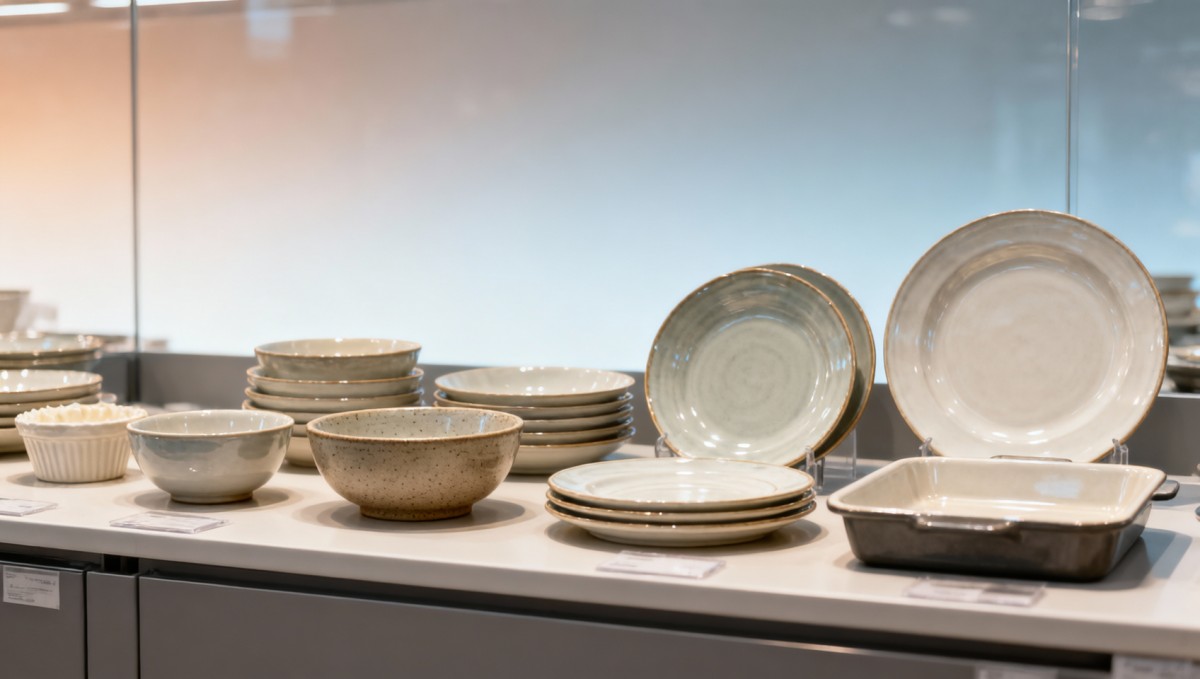
Searchers looking into ceramic dessert bowl makers are usually trying to answer practical sourcing questions: Will supply become more stable? Can local or regional production reduce delays and logistics costs? Are there better options for restaurants, hotels, catering groups, and retail distributors that need dependable ceramic serving ware?
Regional manufacturing expansion matters because it changes the sourcing equation in several ways:
- Shorter replenishment cycles: Buyers can often reduce waiting time compared with long-distance import-only models.
- Better risk control: A broader production footprint helps reduce disruption from shipping congestion, geopolitical shifts, or seasonal freight volatility.
- More flexible order structures: Some regional ceramic dessert bowl makers can support mixed-SKU orders, lower MOQs, or faster sample development.
- Closer market alignment: Manufacturers serving regional demand are often quicker to adapt to local dining styles, portion sizes, glaze preferences, and hospitality trends.
For kitchen equipment and foodservice buyers, this means ceramic products are no longer evaluated only on unit price. They are increasingly judged on total supply performance, including replacement speed, breakage rates, menu presentation value, and long-term purchasing efficiency.
What Target Buyers Care About Most When Comparing Ceramic Bowl Suppliers
Different reader groups approach this topic from different angles, but their concerns overlap more than they differ.
Information researchers want to understand market direction. They need to know whether regional output signals stronger competition, improved availability, or a shift in sourcing priorities across the tableware and kitchen supply market.
Users and operators focus on daily practicality. They care about whether a ceramic dessert bowl or stoneware soup bowl can withstand repeated washing, stack efficiently, match portion control needs, and maintain appearance under heavy service use.
Procurement professionals are usually comparing suppliers on measurable criteria such as:
- Production capacity and lead time stability
- Quality control systems and defect rate
- Price consistency across repeat orders
- Packaging safety for transit
- Customization capability for size, glaze, color, and branding
- Compliance with food-contact and market standards
Business decision-makers care most about commercial outcomes. They want to know whether sourcing from expanding regional ceramic dessert bowl makers can reduce operational risk, improve gross margin, support brand positioning, and create a more resilient supply chain.
Which Product Categories Are Benefiting from Regional Manufacturing Growth
Regional output expansion is not limited to one item. It is affecting a wider ceramic dining and kitchenware portfolio, especially products used in hospitality, casual dining, retail homeware, and institutional foodservice.
The most relevant categories include:
- Ceramic dessert bowl: Popular for plated desserts, side dishes, fruit, yogurt, and premium casual dining presentation.
- Stoneware soup bowl: Favored where a thicker body, rustic aesthetics, and heat retention are important.
- Ceramic rice plate: Common in Asian dining formats and multi-purpose foodservice operations requiring compact, durable serving pieces.
- Porcelain baking dish: Valuable for oven-to-table service, retail cookware lines, and specialty menu applications.
As output grows regionally, buyers often gain access to a broader product mix rather than just more of the same bowl. This is important for businesses that want coordinated collections across dessert service, soup presentation, side dishes, and bakeware. A supplier capable of offering multiple related categories can simplify purchasing and improve visual consistency across the dining experience.
How Regional Production Changes Sourcing Strategy for Foodservice and Hospitality
For many buyers, the biggest benefit of regional ceramic production is not simply cost reduction. It is the ability to build a more responsive sourcing model.
Restaurants and hotels often face changing menu concepts, seasonal promotions, and replacement needs. If ceramic dessert bowl makers expand output closer to demand centers, buyers may be able to:
- Launch new table settings faster
- Reduce safety stock requirements
- Reorder broken or depleted items with less disruption
- Test market-specific colors and shapes with lower inventory exposure
- Balance imported flagship lines with regionally supplied replenishment stock
This is especially useful for chains, catering groups, and multi-site hospitality operators. Instead of relying on one distant factory for every SKU, they can diversify procurement across regional partners while maintaining category standards.
That said, regional supply is not automatically better. Buyers still need to assess whether newer or expanding factories can deliver repeatable glaze quality, dimensional consistency, and packaging performance at scale. Output growth only creates value when manufacturing discipline grows with it.
How to Evaluate a Ceramic Dessert Bowl Maker Beyond Price
If you are selecting among ceramic dessert bowl makers, a low quotation should never be the main decision factor. The more useful approach is to evaluate the supplier through a total-cost and fitness-for-use lens.
Key checkpoints include:
- Material and firing quality: Ask about body composition, firing temperature, glaze durability, and resistance to chipping or crazing.
- Use-case compatibility: Confirm whether items are dishwasher-safe, microwave-safe, oven-safe, or suitable for commercial back-of-house conditions.
- Production consistency: Review sample-to-bulk consistency in color, finish, thickness, and dimensions.
- Capacity realism: Verify whether reported output matches actual lead-time performance during peak seasons.
- Packaging engineering: Strong export or regional transit packaging helps reduce hidden replacement costs.
- Customization process: Check the timeline and technical support for logo application, custom glaze development, and private-label projects.
For procurement teams, it is also smart to compare suppliers by landed cost, reorder responsiveness, and defect handling policy. A slightly higher unit price may still offer better value if it reduces breakage, replacement delays, or service complaints.
Market Trends Shaping Demand for Ceramic Dessert Bowls and Related Tableware
Several broader market trends explain why regional ceramic output is expanding and why demand remains strong.
- Presentation-driven dining: Restaurants increasingly use ceramic serving ware to enhance visual appeal and perceived menu value.
- Multi-functional tabletop products: Buyers prefer bowls and dishes that work across dessert, side, soup, and snack applications.
- Durable premium casual aesthetics: Stoneware and porcelain continue to perform well because they combine practicality with elevated presentation.
- Supply chain diversification: Importers and distributors are reducing overdependence on a single production geography.
- Retail and hospitality crossover: Products designed for professional use are increasingly influencing consumer homeware demand.
In this environment, ceramic dessert bowl makers that can expand regionally while maintaining design relevance and quality control are likely to become more attractive partners. Buyers are not only purchasing bowls; they are investing in availability, visual brand consistency, and service continuity.
What Buyers Should Do Next Before Committing to a Supplier
If regional output expansion has opened new sourcing options, the best next step is a structured comparison process. Buyers should request more than a price list.
A practical supplier review process should include:
- Requesting samples for real-use testing in kitchen and service conditions
- Comparing lead times for both first orders and repeat orders
- Checking quality assurance procedures and inspection standards
- Reviewing product range depth across ceramic dessert bowl, stoneware soup bowl, ceramic rice plate, and porcelain baking dish categories
- Evaluating packaging, logistics support, and damage claim response
- Confirming customization options and MOQ requirements
- Assessing whether the supplier can support long-term volume growth
For enterprise buyers, pilot orders are often the smartest approach. They provide real data on defect rates, delivery reliability, packaging performance, and operational fit before larger commitments are made.
Regional expansion among ceramic dessert bowl makers is creating meaningful opportunities, but the strongest purchasing decisions will come from balancing cost, quality, flexibility, and supply resilience. Buyers who focus on total value rather than headline price will be in a better position to secure dependable ceramic tableware for foodservice, hospitality, and retail channels.
In summary, the rise of regional ceramic manufacturing is important because it gives buyers more options to improve supply stability, shorten lead times, and align products with local market needs. Whether the need is for a ceramic dessert bowl, stoneware soup bowl, ceramic rice plate, or porcelain baking dish, the winning strategy is to choose suppliers that combine scalable output with proven product performance and consistent execution.
Popular Tags
Kitchen Industry Research Team
Dedicated to analyzing emerging trends and technological shifts in the global hospitality and foodservice infrastructure sector.
Industry Insights
Join 15,000+ industry professionals. Get the latest market trends and tech news delivered weekly.
No spam. Unsubscribe anytime.
Contact With us
Contact:
Anne Yin (Ceramics Dinnerware/Glassware)
Lucky Zhai(Flatware)