
Restaurant Kitchen Equipment Standards That Affect Inspections
Restaurant kitchen equipment standards play a direct role in whether a facility passes inspections, avoids violations, and maintains food safety. For quality control and safety managers, understanding how equipment design, materials, installation, and maintenance affect compliance is essential. This article explains the key standards inspectors focus on and how the right equipment choices can reduce risk and improve operational readiness.
What restaurant kitchen equipment standards mean in practice
In everyday operations, restaurant kitchen equipment standards are not limited to product specifications or manufacturer claims. They describe the conditions that make equipment safe, cleanable, durable, and suitable for foodservice use. Inspectors usually evaluate whether a piece of equipment supports hygienic food handling, prevents contamination, maintains required temperatures, and can be cleaned and maintained without creating hidden hazards.
For quality control personnel and safety managers, these standards matter because they connect directly to inspection outcomes. A refrigerator that cannot hold temperature, a sink installed with poor drainage, or prep tables made from non-compliant materials can all trigger corrective actions. In many facilities, inspection failures are caused less by dramatic breakdowns and more by small but preventable equipment issues that indicate weak control over sanitation and maintenance.
The kitchen equipment industry has evolved quickly in response to these demands. Commercial kitchens now rely on stainless steel fabrication, smart temperature monitoring, automated cooking equipment, energy-efficient appliances, and integrated management systems. While innovation improves efficiency, it also raises the need to verify that new equipment still meets established sanitation, safety, and performance expectations.
Why inspections increasingly focus on equipment compliance
Foodservice inspections are increasingly equipment-sensitive because equipment affects nearly every critical control point in a kitchen. Cold holding units protect perishable ingredients. Cooking equipment supports safe internal temperatures. Warewashing systems influence sanitization. Ventilation systems reduce grease buildup, heat stress, and fire risk. When equipment fails to perform as intended, food safety management becomes inconsistent even if staff training is otherwise strong.
This focus is also tied to broader industry trends. As restaurants, hotels, central kitchens, and food processing operations scale up, they depend on standardized equipment to keep quality stable across multiple shifts and locations. At the same time, regulators and auditors expect more documented evidence that equipment is suitable for purpose, easy to sanitize, and maintained in a condition that does not endanger food or workers.
For global suppliers and buyers, this means restaurant kitchen equipment standards are now part of both compliance strategy and operational strategy. An equipment decision can affect inspection readiness, labor efficiency, preventive maintenance costs, utility use, and brand reputation.
The core areas inspectors typically evaluate
Although local regulations differ, most inspection authorities look at a common set of equipment-related conditions. Safety managers should treat these as the foundation of an internal review process.
These categories show why restaurant kitchen equipment standards should not be seen as a narrow engineering issue. They are part of a full compliance system that includes facility design, sanitation programs, staff procedures, and supplier management.
Materials and hygienic design that affect inspection results
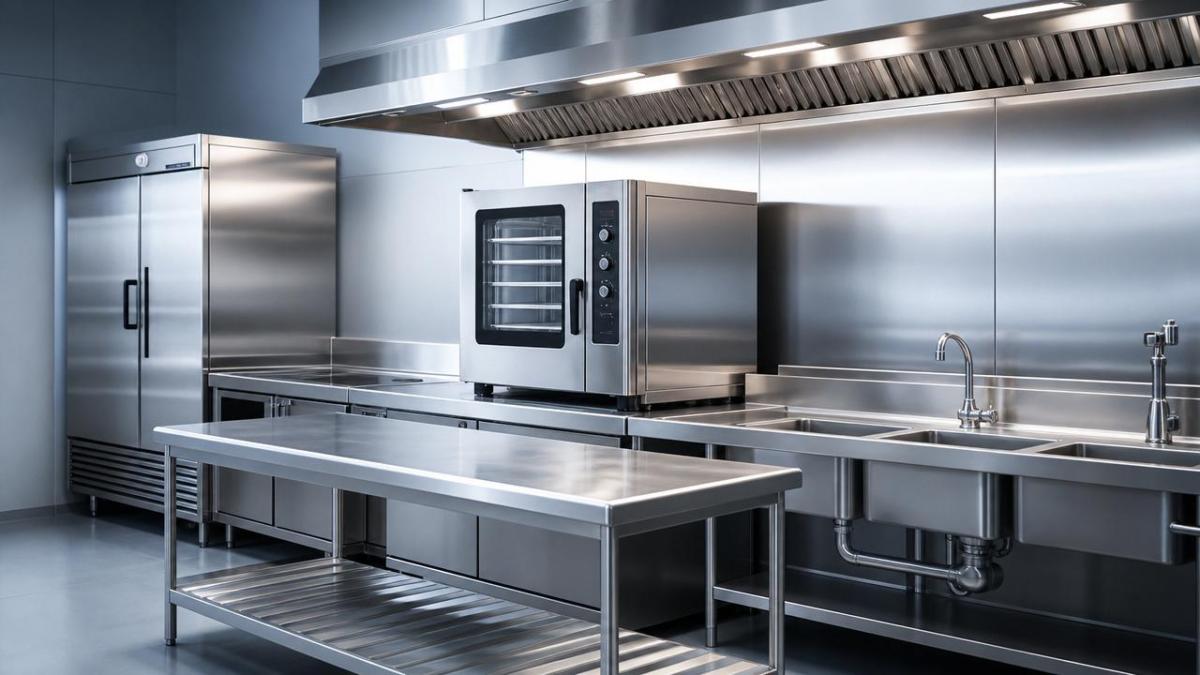
One of the most visible inspection factors is whether equipment is built from appropriate materials. Stainless steel remains the preferred choice in many commercial environments because it resists corrosion, tolerates frequent cleaning, and provides a smooth food-contact surface. By contrast, cracked plastic, exposed wood in wet zones, flaking paint, or pitted metal often raise immediate concerns.
Inspectors also pay attention to hygienic design details. Rounded internal corners, welded seams, detachable guards, and easy-access panels support faster and more reliable cleaning. Equipment with sharp crevices, exposed fasteners in food zones, or hollow members that are not sealed can collect residues and moisture. These design weaknesses may not stop production on day one, but they often become repeat inspection findings over time.
For safety managers, the key lesson is that compliant materials alone are not enough. Restaurant kitchen equipment standards also require practical cleanability under real operating conditions, including high-volume service, grease exposure, repeated sanitizing, and frequent handling by multiple employees.
Temperature control equipment as a critical compliance point
Cold storage, hot holding, cooking, and rapid cooling systems are among the most heavily scrutinized assets during inspections. If equipment cannot consistently achieve required temperatures, food safety plans lose credibility. This applies to reach-in refrigerators, undercounter chillers, freezers, blast chillers, ovens, steamers, fryers, warming cabinets, and even display cases.
The issue is not just whether a unit works at the moment of inspection. Authorities may also review thermometer accuracy, door gasket condition, airflow obstruction, recovery speed, calibration routines, and records showing how temperature deviations are handled. Smart kitchen systems now offer digital monitoring and alerts, which can strengthen control if the data is reviewed and acted on consistently.
In practical terms, quality teams should verify three things: the equipment is capable, the readings are accurate, and the maintenance program is active. Restaurant kitchen equipment standards are often passed or failed on these basic points.
Installation standards that are often underestimated
Even certified equipment can create compliance problems when installed poorly. Inspectors frequently note issues such as inadequate clearance from walls, inaccessible utility lines, improper sealing to floors, missing backflow protection, weak drainage, or insufficient ventilation above cooking equipment. These conditions reduce cleanability, create moisture risks, and may introduce fire or electrical hazards.
Installation should support both sanitation and safe operation. Floor-mounted equipment may need to be sealed or elevated for cleaning access. Exhaust hoods and grease filters must match the heat and vapor load of the cooking line. Dishwashing equipment needs proper water supply, pressure, and drainage. Ice machines require careful placement to prevent splash contamination and difficult-to-clean surrounding areas.
For multi-site operators, installation consistency is especially important. Standardizing layout and utility planning across locations reduces inspection variability and simplifies training, cleaning, and maintenance verification.
Where restaurant kitchen equipment standards create business value
Although inspections are a major driver, the value of restaurant kitchen equipment standards goes beyond passing audits. Properly selected and maintained equipment improves food quality consistency, lowers contamination risk, reduces emergency repairs, and supports energy efficiency goals. In a market increasingly shaped by automation and intelligent systems, standards also help operators compare technologies on a reliable compliance basis.
This matters across a broad industry landscape. Restaurants need dependable line equipment. Hotels depend on high-capacity production and buffets that hold safe temperatures. Central kitchens require efficient, repeatable processing. Foodservice brands expanding internationally need equipment that aligns with local and export market expectations. In each case, standards support safer scaling.
Typical equipment categories and inspection-sensitive concerns
Not all equipment carries the same inspection risk. The table below helps quality control and safety managers prioritize review activities.
Practical steps for quality and safety managers
A strong compliance approach starts before inspection day. First, create an equipment register that identifies model, serial number, certification status, installation date, service history, and critical control relevance. This gives teams a clear picture of what assets deserve the highest monitoring intensity.
Second, inspect equipment the way regulators do. Look for damaged seals, standing water, loose handles, scale buildup, inaccessible surfaces, worn coatings, inaccurate thermometers, and missing covers. Third, align preventive maintenance with risk. Refrigeration, warewashing, ventilation, and temperature-sensitive cooking equipment should never be serviced only after failure.
Fourth, involve procurement and engineering teams early. New equipment purchases should be reviewed not only for price and output, but also for cleanability, spare parts access, utility compatibility, and compliance documentation. Fifth, train operators to report small abnormalities quickly. Many inspection failures begin as minor leaks, unstable temperatures, or damaged surfaces that go unreported during busy service periods.
How to prepare for changing standards and smarter kitchens
The kitchen equipment sector is moving toward automation, intelligence, and energy efficiency, but these advances do not replace basic compliance principles. In fact, they make verification more important. Smart ovens, connected chillers, automated fryers, and digital monitoring tools can improve consistency, yet they must still be evaluated for hygienic design, safe installation, reliable data, and maintainability.
As global sourcing expands, buyers should also pay close attention to manufacturing quality and recognized certifications. Equipment produced in major export centers can be highly competitive, but documentation, local code alignment, and after-sales support still need careful review. Restaurant kitchen equipment standards should therefore be part of supplier qualification, not just internal inspection preparation.
Conclusion and next actions
Restaurant kitchen equipment standards shape inspection performance because they influence sanitation, temperature control, worker safety, and operational reliability at the same time. For quality control and safety managers, the most effective approach is to treat equipment as a compliance system rather than a collection of individual machines. Materials, design, installation, maintenance, and documentation must all support inspection readiness.
If your facility is reviewing current assets or planning upgrades, start with the equipment categories that have the greatest impact on food safety and recurring violations. Build a clear assessment checklist, verify certification and performance, and make preventive maintenance part of routine governance. In a foodservice environment where expectations continue to rise, stronger control of restaurant kitchen equipment standards is one of the most practical ways to reduce risk and improve long-term operational confidence.
Popular Tags
Kitchen Industry Research Team
Dedicated to analyzing emerging trends and technological shifts in the global hospitality and foodservice infrastructure sector.
Industry Insights
Join 15,000+ industry professionals. Get the latest market trends and tech news delivered weekly.
No spam. Unsubscribe anytime.


Contact With us
Contact:
Anne Yin (Ceramics Dinnerware/Glassware)
Lucky Zhai(Flatware)