
Restaurant Kitchen Efficiency Problems You Can Spot Early
Restaurant kitchen efficiency problems rarely appear overnight. Operators and kitchen staff can often spot early warning signs, such as slow prep flow, equipment bottlenecks, rising energy use, or frequent cleaning delays, before they affect service quality. Understanding these signals helps teams improve restaurant kitchen efficiency, reduce waste, and maintain safer, more consistent daily operations.
Why early efficiency signals matter more than they used to
Restaurant kitchens are operating in a different environment than they were a few years ago. Labor is tighter, menu complexity is higher, delivery volume often overlaps with dine-in peaks, and energy costs are under closer review. At the same time, modern kitchen equipment is becoming smarter, more connected, and more specialized. That shift means restaurant kitchen efficiency is no longer judged only by speed during service. It is also measured by how well a kitchen handles change, staffing pressure, sanitation demands, and equipment reliability across the full day.
For operators and line staff, this creates a practical challenge: small signs of inefficiency now have bigger consequences. A prep station that runs five minutes late may affect online orders, table turns, food holding time, and labor overtime all at once. A cooler door that does not seal properly may increase energy use, force product movement, and create repeated interruptions. In this environment, spotting restaurant kitchen efficiency problems early is becoming a daily operating skill, not just a management task.
This change also reflects wider industry direction. Commercial kitchens are moving toward automation, digital monitoring, energy-efficient systems, and more integrated workflows. As those technologies spread, the kitchens that perform best are usually not the ones with the most equipment, but the ones that identify friction early and respond before performance drops.
The strongest trend signals operators can notice on the floor
Many restaurant kitchen efficiency issues begin as patterns that seem minor in isolation. The value comes from recognizing them as signals of a larger shift in workflow, equipment condition, or staffing balance. The following changes are among the most common warning signs in active kitchens.
These signals matter because they connect directly to restaurant kitchen efficiency in ways that are measurable and visible. Teams can often see them before they appear in waste reports or customer complaints. That makes early observation one of the most cost-effective forms of kitchen improvement.
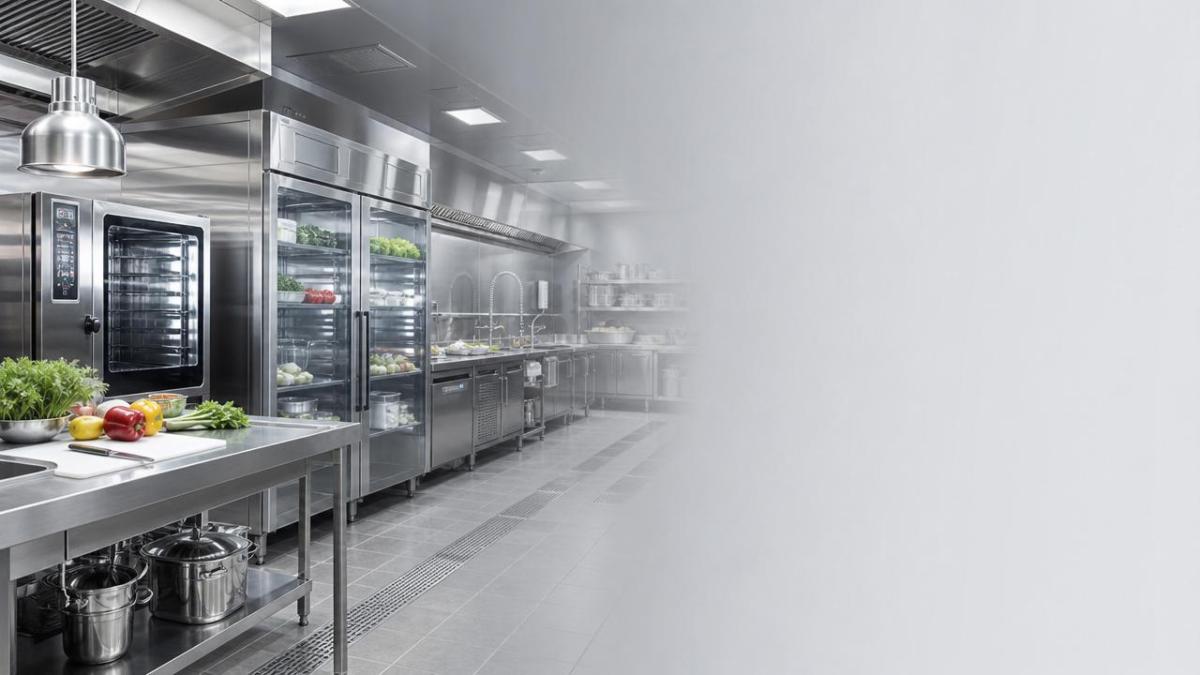
What is driving these efficiency problems across modern kitchens
The rise in restaurant kitchen efficiency concerns is not caused by one factor alone. It comes from several overlapping shifts in foodservice operations and kitchen equipment use.
1. More demand is concentrated into shorter time windows
Many kitchens now face compressed demand from lunch peaks, evening service, pickup orders, and app-based delivery. This creates intense bursts of activity that expose weak layout decisions, underpowered equipment, and limited holding capacity. A kitchen that seems manageable during slower periods may show severe restaurant kitchen efficiency problems during these compressed windows.
2. Equipment fleets are becoming more mixed
Operators often use a mix of older appliances and newer energy-efficient or smart equipment. While this approach controls capital spending, it can create workflow mismatch. A fast combi oven paired with slow refrigeration recovery or poor prep access does not deliver full value. In practice, restaurant kitchen efficiency depends on system balance, not single-machine performance.
3. Labor realities are changing daily execution
When teams are smaller or less experienced, kitchens rely more heavily on clear setup, intuitive tools, and dependable equipment. Tasks that once depended on experienced staff memory now need better organization and easier repeatability. This is one reason why operators are paying closer attention to layout, automation support, and cleaning-friendly equipment design.
4. Energy and compliance are under more scrutiny
Rising utility costs and stronger food safety expectations are changing what counts as efficient. A station that produces quickly but wastes power, causes temperature fluctuation, or delays sanitation is no longer truly efficient. Restaurant kitchen efficiency is increasingly linked with energy performance, maintenance planning, and hygienic workflow.
How these changes affect different roles in the kitchen
Efficiency problems are not experienced equally. The same bottleneck may affect prep staff, line cooks, dishwashing teams, and managers in different ways. Understanding these differences helps teams choose better solutions instead of treating every delay as a staffing problem.
This role-based view is important because it changes the response. If a problem appears mainly at the line, the answer may be station sequencing. If it appears in sanitation, the issue may be equipment cleanability, sink access, or waste routing. Better restaurant kitchen efficiency comes from locating the true source of friction.
Why equipment choices now shape workflow more directly
In today’s kitchen equipment market, buying decisions are increasingly tied to operating flow rather than just output capacity. Operators are paying more attention to recovery time, footprint efficiency, ease of cleaning, digital monitoring, and compatibility with surrounding stations. This reflects a broader shift in the industry toward integrated kitchen systems.
For kitchen staff, the practical meaning is simple: equipment should reduce decision load and movement, not create new waiting points. A refrigeration unit that holds temperature but is awkward to access may still hurt restaurant kitchen efficiency. A powerful cooking appliance that requires long cleaning cycles can shift pressure to closing tasks. An automated device that saves labor but interrupts batch timing may create a different bottleneck.
That is why early efficiency observation has become a valuable feedback loop for suppliers, managers, and end users. The best workflow improvements often come from linking what staff see every day with how equipment performs over time.
The most useful signs to track before service quality drops
Operators do not need complex analytics to start improving restaurant kitchen efficiency. Several simple indicators can reveal whether a kitchen is drifting toward larger problems.
- Prep completion times compared with planned start of service
- Number of tasks waiting on one shared appliance, sink, or storage point
- Frequency of emergency cleaning or reorganization during active production
- Small maintenance complaints that repeat across multiple shifts
- Changes in utility use without matching increases in sales volume
- Extra walking, reaching, or product movement during normal service
Tracking these signs is especially useful in kitchens adapting to new menus, new equipment, or changing order channels. They help teams separate temporary adjustment issues from structural efficiency problems.
Practical response ideas for teams facing early efficiency drift
Once warning signs are visible, the next step is not always to buy more equipment. In many cases, the first improvements come from better sequencing, zoning, maintenance discipline, and clearer task ownership. The strongest response usually follows a simple order: observe, isolate, test, then invest.
Start by identifying where flow breaks first. If prep delay appears before cooking pressure, look at storage access, prep surface location, and small appliance availability. If line delay grows during the rush, review shared tools, holding strategy, and pass coordination. If cleaning keeps interrupting production, inspect drainage, waste disposal points, and the cleanability of high-use equipment.
For kitchens considering equipment upgrades, focus on fit with actual workflow. Ask whether the new unit reduces movement, supports sanitation timing, lowers energy draw, or improves consistency under peak conditions. This is a more durable path to restaurant kitchen efficiency than choosing equipment only by headline capacity.
What to watch next as kitchen operations continue to evolve
Looking ahead, restaurant kitchen efficiency will be shaped by three connected directions. First, more kitchens will adopt equipment with monitoring functions, making it easier to spot abnormal energy use, downtime patterns, and temperature drift earlier. Second, labor-sensitive design will become more important, especially in kitchens with frequent staff turnover. Third, integrated thinking will matter more: storage, prep, cooking, cleaning, and waste handling will be evaluated as one system rather than separate purchases.
For operators and staff, this means early observation is becoming a strategic advantage. The kitchens that improve fastest are often the ones that notice change while it is still manageable. They treat repeated small delays, minor maintenance complaints, and rising utility use as business signals rather than isolated inconveniences.
FAQ: common questions about restaurant kitchen efficiency problems
What is the first sign of declining restaurant kitchen efficiency?
In many kitchens, the first sign is not slower service itself but growing inconsistency before service begins. Prep finishing late, repeated searching for tools, or multiple staff waiting for one station are early warnings.
Are efficiency problems usually caused by staff or equipment?
Usually both factors interact. Staff may work hard, but poor layout, limited access, or unreliable appliances create unnecessary delay. Strong restaurant kitchen efficiency comes from matching people, process, and equipment.
When should a kitchen consider equipment changes?
Consider changes when the same bottleneck repeats across shifts, when maintenance issues keep returning, or when energy use rises without a clear demand reason. The best timing is before service quality is affected consistently.
Final takeaway for operators and kitchen teams
Restaurant kitchen efficiency is increasingly shaped by broader industry changes: smarter equipment, tighter labor conditions, higher sanitation expectations, and stronger cost control. Because of that, early signs matter more than ever. Slow prep flow, equipment bottlenecks, cleaning delay, and rising utility use are not small details. They are trend signals that reveal where the kitchen system is under strain.
If your team wants to judge the impact on daily operations, focus on a few questions: Where does flow break first? Which station creates repeated waiting? Which appliance adds cost without supporting output? Which cleaning task disrupts production most often? Answering those questions can help you improve restaurant kitchen efficiency before bigger service, safety, or cost problems appear.
Popular Tags
Kitchen Industry Research Team
Dedicated to analyzing emerging trends and technological shifts in the global hospitality and foodservice infrastructure sector.
Industry Insights
Join 15,000+ industry professionals. Get the latest market trends and tech news delivered weekly.
No spam. Unsubscribe anytime.


Contact With us
Contact:
Anne Yin (Ceramics Dinnerware/Glassware)
Lucky Zhai(Flatware)