
Stainless Steel Restaurant Kitchen Surfaces That Clean Faster
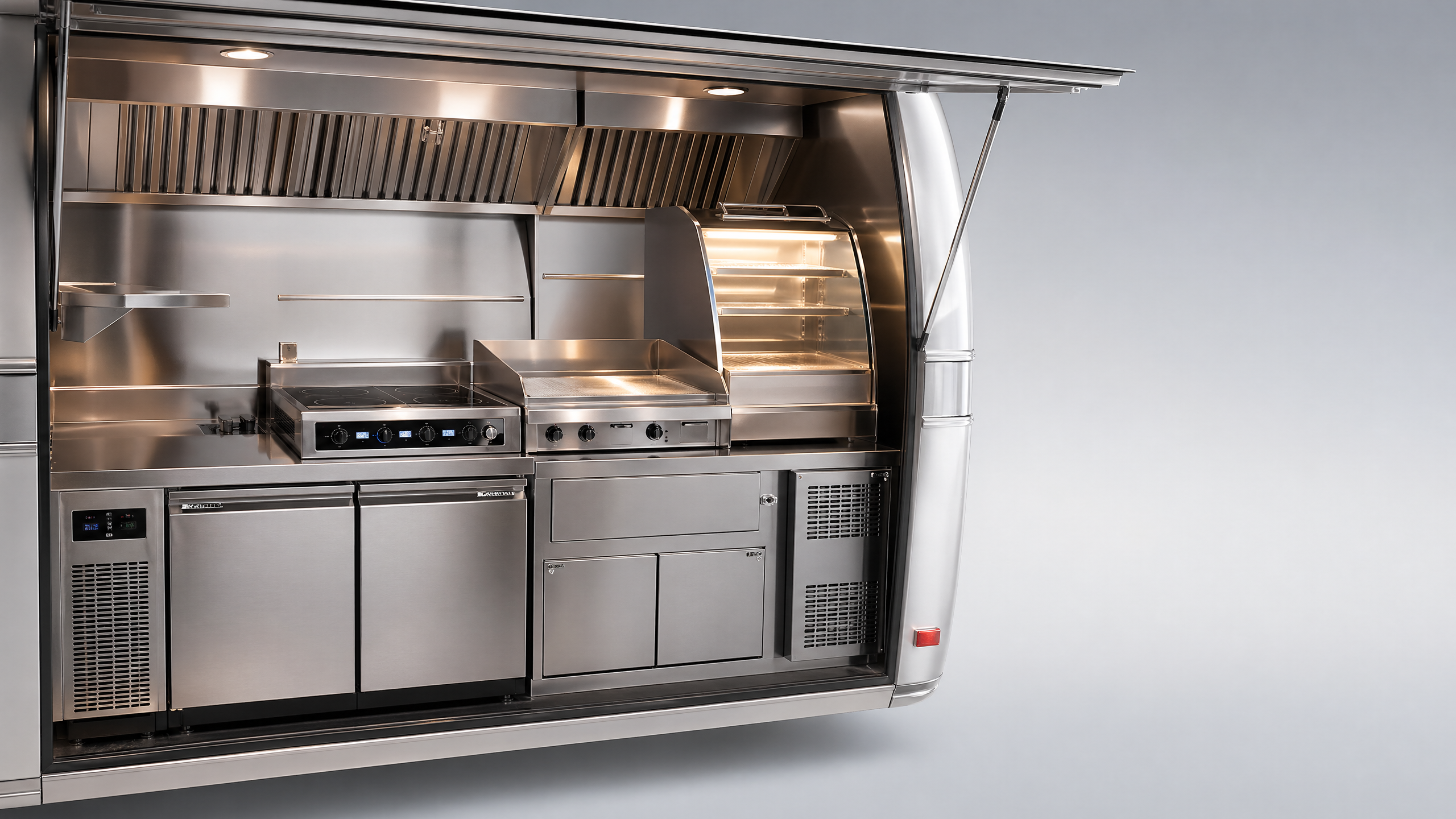
In a commercial restaurant kitchen, every second counts—and so does every cleaning routine. Stainless steel restaurant kitchen surfaces are a top choice for faster restaurant kitchen cleaning, better hygiene, and smoother restaurant kitchen organization. From the restaurant kitchen counter to the restaurant kitchen sink and appliances, the right materials help operators reduce downtime, improve workflow, and maintain food-safe standards.
Why do stainless steel restaurant kitchen surfaces clean faster in real operations?
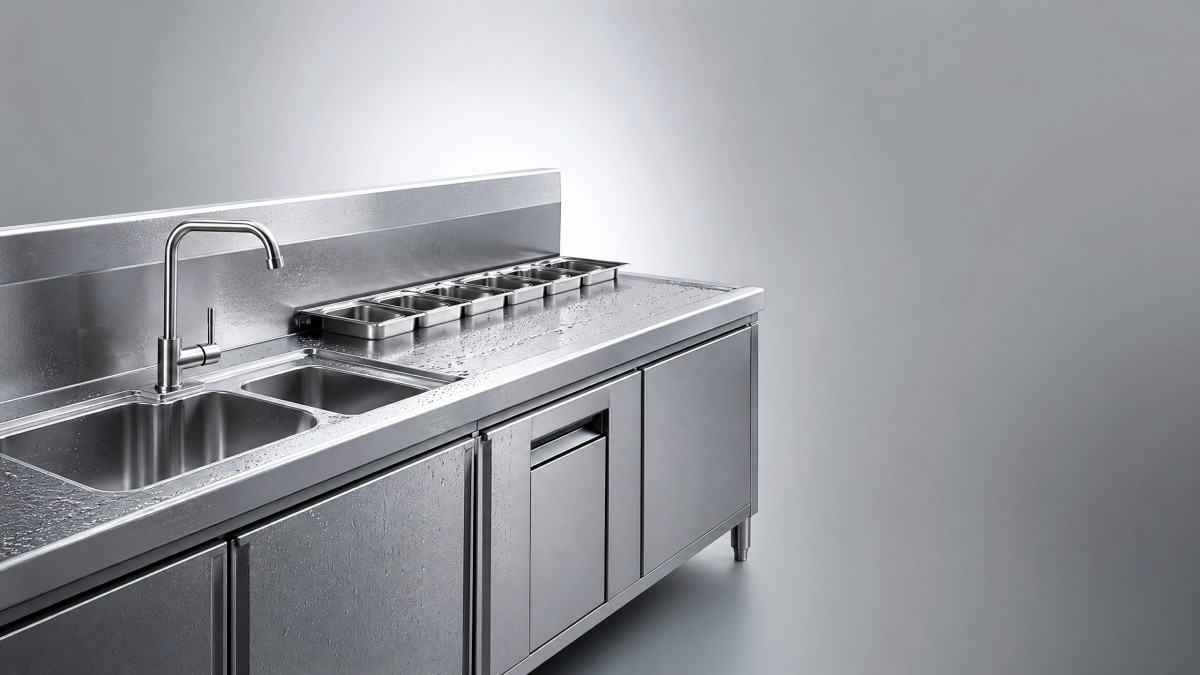
In busy foodservice environments, cleaning speed is not just a housekeeping issue. It affects labor efficiency, food safety, shift handover, and service continuity. Stainless steel restaurant kitchen surfaces are widely used because they are non-porous, easy to wipe, and compatible with common commercial cleaning routines performed several times per shift.
A typical restaurant may sanitize prep areas every 2–4 hours, perform line cleaning at the end of each service period, and complete a deeper washdown daily. When the surface material resists stains, grease adhesion, and moisture retention, operators spend less time scrubbing and more time keeping production moving.
This matters across the wider kitchen equipment industry as well. Restaurants, hotels, central kitchens, and food processing facilities increasingly demand equipment that supports hygiene, operational consistency, and lower cleaning complexity. Stainless steel fits this trend because it integrates well with modern, modular, and high-frequency cleaning workflows.
For decision-makers, the value goes beyond appearance. Faster cleaning can reduce idle time between prep cycles, simplify staff training, and support compliance with routine sanitation procedures. In kitchens with breakfast, lunch, and dinner turnover, saving even a few minutes per zone can improve daily workflow noticeably.
What surface characteristics make the difference?
Not all stainless steel installations perform the same way. Cleanability depends on surface finish, weld quality, edge treatment, drainage design, and how the worktop connects to sinks, splashbacks, and storage units. A poorly finished joint can trap debris even if the base material itself is suitable.
In commercial kitchens, common practical priorities include smooth welded seams, rounded internal corners, backsplash integration, and sufficient thickness for stability. These factors help reduce food residue accumulation in corners and shorten the time required for wiping, rinsing, and sanitizing after use.
Key reasons operators prefer stainless steel surfaces
- Non-porous contact surfaces reduce absorption of liquids, oils, and food particles compared with many lower-cost alternatives.
- Routine cleaning usually requires only 3 basic steps: remove debris, wash with approved detergent, and sanitize according to site procedures.
- Integrated construction can limit joints and gaps, which are common problem points in high-use restaurant kitchen counters and sink areas.
- The material works well in hot, humid, and high-turnover conditions typical of grill lines, prep stations, dishwashing zones, and pass areas.
Which restaurant kitchen zones benefit most from faster-cleaning stainless steel?
Different zones create different cleaning pressures. A restaurant kitchen sink area faces constant moisture and detergent contact. A prep counter handles proteins, vegetables, and sauces in repeated cycles. Cooking-adjacent surfaces deal with grease aerosols and heat. The best stainless steel restaurant kitchen surfaces are selected by matching design details to these specific use patterns.
For information researchers and operators, this is where selection becomes practical. Instead of asking whether stainless steel is good in general, ask which finish, gauge, and fabrication style suits each zone. In many projects, 3–5 primary surface categories cover most needs: prep tables, sink units, wall shelving, equipment tops, and service counters.
The table below compares common application zones and what buyers should prioritize when faster restaurant kitchen cleaning is the main goal.
The comparison shows that surface performance is highly context-dependent. A material choice that works well on a dry prep table may be less suitable for a wet sink line if drainage and edge detailing are weak. For procurement teams, evaluating by zone usually leads to better long-term results than using one generic specification everywhere.
Typical application scenarios across foodservice and processing
Stainless steel restaurant kitchen surfaces are not limited to independent restaurants. They are also common in hotel kitchens, bakery production areas, commissary kitchens, institutional canteens, and light food processing rooms. In these settings, cleaning frequency may range from once per shift to continuous wipe-down during active production.
In central kitchens and larger production facilities, integrated kitchen systems are increasingly designed around standardized stainless work zones. This supports digital cleaning checklists, workflow zoning, and easier preventive maintenance. The result is not only hygiene control, but also better consistency across sites and teams.
- Quick-service restaurants usually value rapid wipe-down and shift turnover speed.
- Hotels often prioritize appearance, durability, and mixed hot-cold service demands.
- Central kitchens need repeatable sanitation routines across larger production volumes.
- Food processing rooms focus more heavily on hygienic design, washdown resistance, and controlled workflows.
How should buyers compare stainless steel with alternative kitchen surface materials?
Procurement decisions are often influenced by upfront budget, but restaurant operators live with the daily cleaning burden. That is why comparison should include service life, maintenance effort, and sanitation practicality. Stainless steel may not be the lowest initial-cost option in every case, yet it frequently performs better in high-use commercial settings.
Alternatives such as laminate, coated metals, stone, or some composite materials can work in specific back-of-house or light-duty areas. However, in environments with frequent water exposure, impact, hot pans, and repeated sanitizing, the long-term trade-offs become more visible within 6–24 months of operation.
The table below provides a practical comparison for users, procurement teams, and business decision-makers evaluating faster-cleaning restaurant kitchen surfaces.
For most restaurant kitchen counters, sink assemblies, and worktops exposed to repeated use, stainless steel remains the most balanced option between hygiene, durability, and cleaning speed. The key is not simply choosing stainless, but choosing the right grade and fabrication level for the task.
Cost should be measured over the operating cycle
A lower purchase price can be offset by more labor-intensive cleaning, earlier replacement, or downtime caused by swelling, cracking, coating damage, or difficult-to-clean seams. For high-turnover kitchens operating 10–16 hours per day, maintenance effort often matters as much as purchase price.
Business decision-makers should compare at least 4 cost dimensions: initial equipment cost, cleaning labor demand, expected service life, and replacement disruption. This broader lens is especially important in multi-site chains, hotels, and central kitchens where standardization supports both training and maintenance control.
What should procurement teams check before ordering stainless steel kitchen surfaces?
Buyers often focus first on dimensions and price, but restaurant kitchen surface performance depends on several technical and operational details. Procurement should align with actual usage intensity, cleaning chemicals, installation environment, and whether the project requires standard modules or customized fabrication.
A practical evaluation usually includes 5 key checkpoints: material grade, sheet thickness, fabrication quality, edge and corner treatment, and installation compatibility with other kitchen equipment. If one of these is overlooked, the cleaning advantage of stainless steel can be reduced in daily use.
The next table summarizes a straightforward purchasing framework that can be used by restaurant owners, purchasing managers, and project teams during supplier comparison.
This framework helps filter suppliers more effectively. Instead of comparing only quotations, teams can compare total usability. In many cases, a better-finished product reduces rework, complaint handling, and sanitation problems after installation.
A simple 4-step procurement process
- Map the kitchen by zones: prep, wash, cook line, pass, storage support, and utility interfaces.
- Define cleaning frequency and exposure level: dry use, wet use, grease-heavy use, or mixed use.
- Confirm dimensions, equipment integration points, and whether standard or custom fabrication is required.
- Review sample details, lead time, packing, installation method, and post-delivery inspection criteria.
For standard items, lead times may be shorter, while customized fabrication can take longer depending on quantity, complexity, and export documentation. Buyers with opening deadlines should verify production and shipment timing early, often 2–6 weeks in advance for project coordination.
Compliance and practical documentation to request
In B2B purchasing, asking the right documents is part of risk control. Depending on market and application, buyers may request material information, hygienic design details, fabrication drawings, packing lists, and routine quality inspection records. In some projects, additional market-specific compliance documentation is also required.
Rather than relying on generic claims, request product-specific confirmation on contact surfaces, weld finishing, dimensions, and installation interfaces. This is particularly useful for chain restaurants, hotels, and food production clients that need consistent standards across multiple sites.
Common mistakes, maintenance tips, and questions buyers often ask
Even good stainless steel restaurant kitchen surfaces can underperform if selection or maintenance is wrong. The most common issue is assuming all stainless products are identical. In practice, grade, finish, design, and fabrication quality all influence how quickly a surface cleans and how well it stays serviceable over time.
Another frequent mistake is over-specifying or under-specifying. A light-duty worktop may be enough for a dry bakery support area, while a seafood wash station or heavy prep line may need stronger corrosion resistance and more hygienic detailing. Matching specification to use is more effective than choosing the cheapest or the most expensive option by default.
Maintenance is also straightforward but should be consistent. Daily wipe-down, prompt removal of salt-rich residue, and avoidance of unsuitable abrasive tools can help preserve surface condition. In most kitchens, a simple routine repeated each shift is more effective than infrequent intensive cleaning.
FAQ: practical questions from operators and buyers
How do I choose stainless steel surfaces for a small restaurant kitchen?
Start with the 3 highest-contact zones: prep table, sink line, and pass counter. If budget is limited, prioritize stainless steel in wet and food-contact areas first. Then review whether standard modules can cover 80%–90% of the layout before moving to customized pieces for awkward corners or equipment interfaces.
Are all stainless steel restaurant kitchen counters equally easy to clean?
No. Ease of cleaning depends on finish quality, corner design, weld treatment, and how the counter integrates with walls, sinks, and undershelves. Two counters made from stainless steel can perform very differently if one has exposed seams, sharp internal corners, or poor drainage detailing.
What delivery factors should procurement teams confirm in advance?
Confirm 6 items early: drawings, final dimensions, material requirements, quantity, packaging method, and expected delivery window. For export or multi-site projects, also check labeling, batch consistency, and whether assembly or installation instructions are included with the shipment.
Can stainless steel support modern smart kitchen and integrated system projects?
Yes. As the kitchen equipment industry moves toward automation, digital management, and integrated workflows, stainless steel remains a practical base material for workstations, equipment support frames, hygienic prep zones, and modular line configurations. It fits well with standardized layouts and repeatable sanitation programs.
Why choose us for stainless steel restaurant kitchen surface projects?
If you are comparing stainless steel restaurant kitchen surfaces for a new kitchen, renovation, chain rollout, hotel project, or food processing upgrade, we can support the decision process with practical project information rather than generic sales language. Our focus is to help you shorten evaluation time and reduce specification mistakes.
You can contact us to discuss product selection, material grade confirmation, sink and counter configuration, custom dimensions, estimated lead time, packing requirements, and quotation planning. If your project involves export, multi-site procurement, or integration with other commercial kitchen equipment, we can also align documentation and fabrication details at the early stage.
For buyers with active projects, it is helpful to prepare 4 inputs before consultation: layout drawing, target application zones, expected quantity, and delivery schedule. With these basics, the discussion becomes faster and more accurate, especially when custom stainless steel restaurant kitchen surfaces are involved.
Reach out if you want support on parameter confirmation, solution comparison, sample discussion, compliance-related questions, or budget-based alternatives. A clear specification now can save cleaning labor, installation revisions, and procurement delays later.
Popular Tags
Kitchen Industry Research Team
Dedicated to analyzing emerging trends and technological shifts in the global hospitality and foodservice infrastructure sector.
Industry Insights
Join 15,000+ industry professionals. Get the latest market trends and tech news delivered weekly.
No spam. Unsubscribe anytime.
Contact With us
Contact:
Anne Yin (Ceramics Dinnerware/Glassware)
Lucky Zhai(Flatware)