
Restaurant Kitchen Equipment for Food Trucks That Saves Power
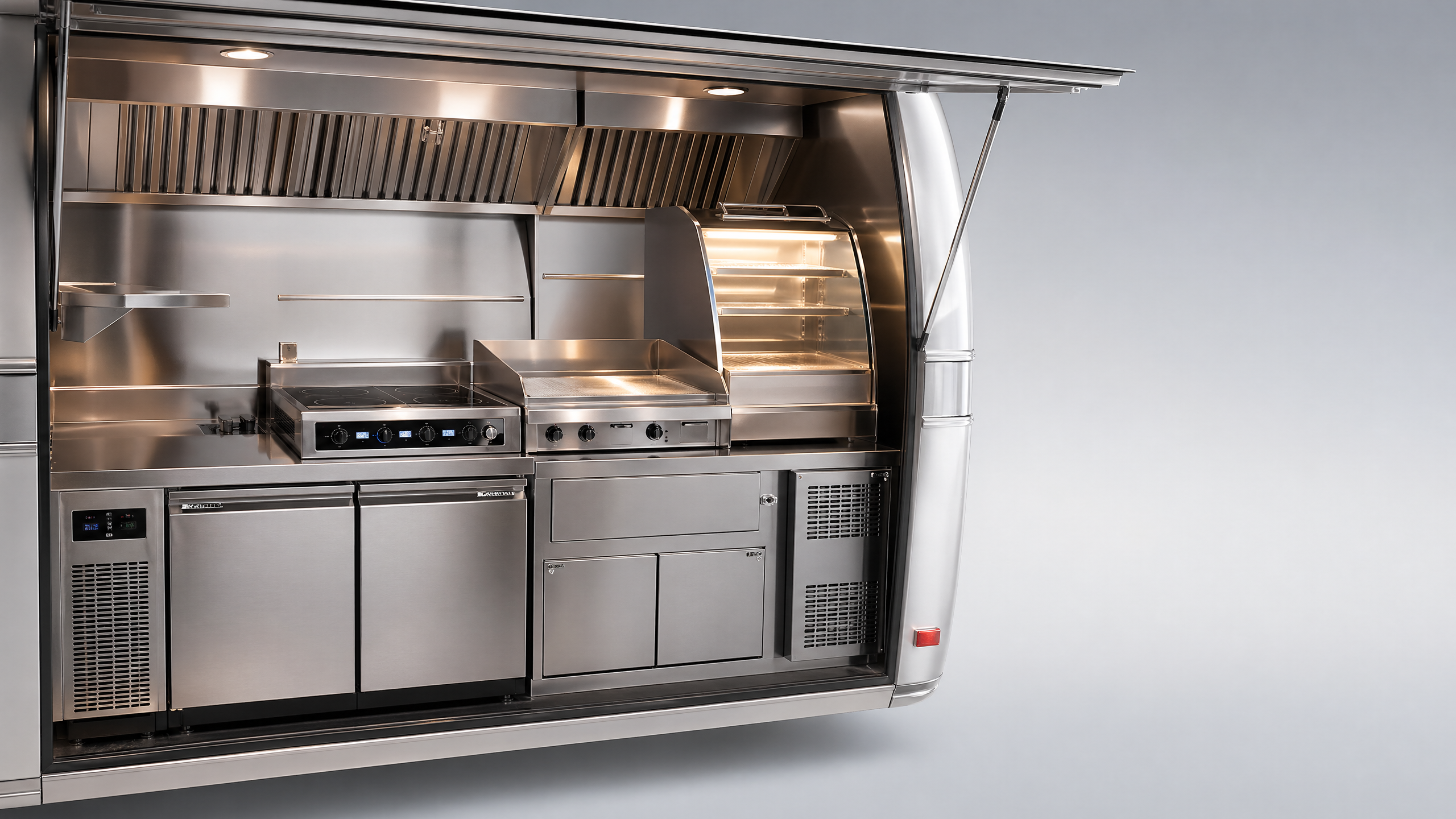
Choosing the right restaurant kitchen equipment for food trucks is essential for reducing power use, improving workflow, and maintaining food safety in a compact mobile space. From restaurant kitchen appliances and stainless steel restaurant kitchen setups to smart restaurant kitchen organization and storage, the best solutions combine efficiency, durability, and practical design for operators, buyers, and growing foodservice businesses.
Why power-saving restaurant kitchen equipment matters in food trucks
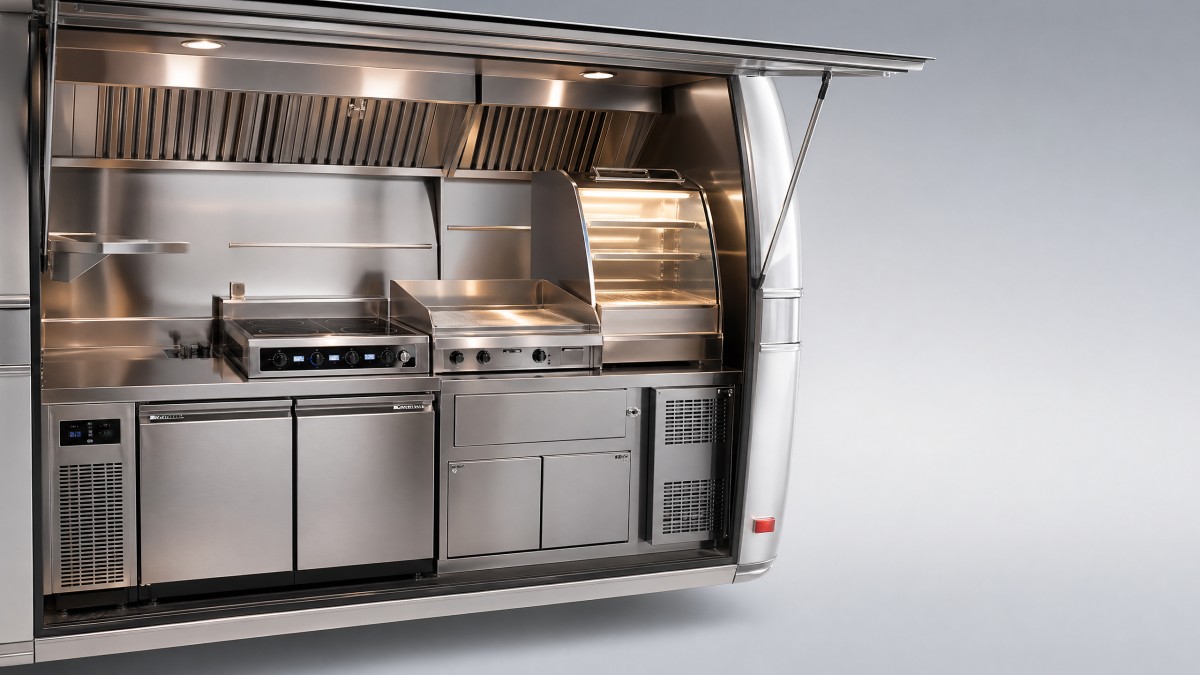
Food trucks operate under tighter space, power, and ventilation limits than most fixed restaurants. In many mobile kitchens, the available electrical supply falls within a practical range such as 3kW–12kW depending on generator size, local hookup conditions, and the menu. That means every piece of restaurant kitchen equipment must justify its power draw, heat output, and footprint.
For operators, the issue is not only lower utility cost. Excessive power demand can overload circuits, reduce generator stability, and slow service during peak windows of 2–4 hours. For buyers and decision-makers, the wrong equipment mix often creates hidden costs: more ventilation requirements, shorter maintenance intervals, and workflow bottlenecks that reduce ticket volume.
The broader kitchen equipment industry has been moving toward automation, intelligence, and energy efficiency because foodservice businesses need safer and more controllable operations. In food trucks, this trend is even more important. Compact commercial kitchen equipment with insulated construction, faster heat recovery, and smart temperature control can improve consistency while limiting unnecessary energy use.
A good food truck setup usually balances 4 core goals: cooking performance, food safety, speed of cleaning, and reliable power management. Stainless steel restaurant kitchen solutions remain common because they support hygiene and durability, but the real value comes when storage, prep, cooking, and holding equipment are selected as one integrated mobile line instead of as isolated purchases.
What makes food truck equipment selection different?
- Limited installation depth and aisle width require multi-function restaurant kitchen appliances instead of oversized single-purpose units.
- Continuous operation during lunch and evening peaks means equipment should recover temperature quickly after each opening or loading cycle.
- Mobile vibration and frequent transport increase the need for reinforced mounting, secure shelving, and stable internal components.
- Power-saving design must also reduce heat load, because every extra watt inside the truck can increase ventilation demand and operator discomfort.
Common equipment categories in a power-conscious mobile kitchen
Most food trucks rely on a compact group of restaurant kitchen equipment categories: refrigeration, cooking, hot holding, prep surfaces, washing stations, and restaurant kitchen storage. Within each category, efficiency should be measured by output per hour, standby consumption, recovery time, and ease of cleaning rather than by purchase price alone.
For example, undercounter refrigeration may save floor space, while induction units can reduce ambient heat compared with some traditional open-flame configurations where the menu and local code allow it. Likewise, insulated hot holding cabinets may consume less energy over a service window than repeatedly reheating food in higher-draw cooking equipment.
Which restaurant kitchen equipment saves the most power in real food truck scenarios?
The best answer depends on menu type, service speed, and available utilities. A truck focused on coffee and light snacks has very different needs from one serving fried food or grilled proteins. Still, several equipment types repeatedly stand out in mobile applications because they combine lower energy waste with practical output and simplified restaurant kitchen organization.
The table below compares common food truck restaurant kitchen equipment from a power-saving and operational perspective. The ranges are typical planning references rather than fixed specifications, because actual values depend on size, insulation, duty cycle, and local installation conditions.
The strongest savings often come from layout and duty-cycle matching rather than from one technology alone. For example, a truck that preps in batches every 30–60 minutes may benefit more from efficient holding and cold storage than from adding another cooking station. Matching the appliance to production rhythm prevents idle energy consumption.
How to judge power-saving value beyond the brochure
Procurement teams should ask not only for rated power, but also for operating behavior across three phases: startup, active cooking, and standby. A unit with moderate rated input but long warm-up time may consume more total energy over a day than a faster unit that reaches working temperature quickly and cycles efficiently.
Operators should also check door-opening frequency, insulation quality, cleaning downtime, and whether the equipment supports portioned batch production. In compact restaurant kitchen storage and prep areas, frequent opening of poorly placed refrigeration can increase compressor workload and interrupt service flow.
Three practical indicators to compare
- Temperature recovery time after loading or opening during normal service.
- Standby efficiency during low-demand periods of 15–45 minutes between rushes.
- Output consistency per batch, especially when the same menu is produced 20, 50, or 100 portions at a time.
How should buyers compare layout, power, and workflow before purchasing?
A food truck purchase is not just a product decision; it is a system decision. Buyers often compare restaurant kitchen equipment by price, but the better method is to evaluate 5 linked dimensions: footprint, power load, heat output, cleaning access, and menu throughput. This avoids the common problem of installing strong equipment that the truck cannot use efficiently in daily operations.
The most effective procurement process usually starts with menu mapping. List the top 8–12 items, estimate average service volume per hour, identify hot and cold holding requirements, and then assign each function to the minimum number of appliances needed. In many trucks, combining prep and storage zones saves more power than adding one more cooking appliance.
Restaurant kitchen organization also directly affects energy use. If staff take 3–5 extra steps for every ingredient refill, doors stay open longer, food handling slows down, and thermal loss increases. Compact stainless steel restaurant kitchen designs should therefore place cold storage under or beside the prep point and keep cooking tools within one turn or one reach zone.
The table below can be used by procurement teams, owners, and operators as a selection checklist before requesting a quote or confirming final configuration.
This checklist is especially useful in B2B sourcing because it turns general product claims into operational questions. It also helps separate a basic appliance sale from a true mobile kitchen solution. A reliable supplier should be able to discuss service intervals, layout fit, ventilation interaction, and lead time instead of quoting only a single unit price.
A simple 4-step procurement method
- Define the menu and hourly output target, such as 30–80 orders during peak service.
- Map available power, ventilation, and usable workstation zones inside the truck.
- Shortlist restaurant kitchen appliances by function, not by catalog category alone.
- Compare total operating fit, including cleaning time, replacement parts, and delivery cycle of 2–6 weeks where relevant.
What standards, materials, and installation details should not be overlooked?
In mobile foodservice, power-saving equipment still has to meet practical hygiene and compliance needs. Stainless steel restaurant kitchen construction remains a preferred choice because it supports cleaning, corrosion resistance, and long-term durability in demanding environments. Buyers should pay attention to surface finish, welded joints, edge treatment, and drain-friendly design in prep and wash areas.
For food trucks selling across regions, applicable requirements can differ, but common checkpoints include food-contact safety, electrical safety, ventilation compatibility, and sanitation-friendly design. It is reasonable to ask suppliers whether their restaurant kitchen equipment can align with local inspection requirements, utility conditions, and documentation needs before shipment or installation.
Installation details strongly affect energy performance. If ventilation flow is unbalanced, refrigeration may work harder. If cooking equipment is placed too close to cold storage, compressor cycles may increase. If access for cleaning is poor, grease buildup can reduce thermal efficiency over time. Small layout errors can create daily losses across months of operation.
For most projects, it is useful to review the setup in 3 stages: pre-purchase drawing review, pre-delivery utility confirmation, and post-installation operational testing. Even a short 1–2 day validation period after setup can reveal whether doors, handles, service clearances, and prep movements work as intended in real service conditions.
Key points to review with a supplier
- Material suitability for commercial use, especially in high-moisture and high-cleaning-frequency environments.
- Electrical compatibility, plug type, and whether startup load may affect simultaneous operation.
- Cleaning access for daily sanitation, weekly maintenance, and periodic parts replacement.
- Lead time for standard units versus custom layouts, often ranging from stocked items to several weeks for tailored fabrication.
Common mistake to avoid
One frequent mistake is buying high-capacity equipment intended for a fixed restaurant and placing it into a truck with lower service volume. Oversizing increases energy use, ventilation load, and installation complexity. In many food truck projects, correctly sized compact commercial kitchen equipment delivers better real productivity than larger units that spend long periods running below useful capacity.
FAQ: what do operators and buyers ask most about food truck kitchen equipment?
The questions below reflect common concerns from information researchers, users, procurement teams, and business decision-makers. They focus on selection logic, operating risk, and the practical trade-offs that shape a power-saving restaurant kitchen equipment plan.
How do I choose restaurant kitchen equipment for a small food truck?
Start with the menu, not the catalog. Identify the 3–5 appliances that directly create revenue during the busiest 2–3 hours, then support them with compact refrigeration, holding, and restaurant kitchen storage. Favor equipment that combines functions, recovers temperature quickly, and fits the actual utility plan instead of assuming more capacity is always better.
Are stainless steel restaurant kitchen setups still the best option for mobile kitchens?
For many commercial applications, yes. Stainless steel is widely used because it is durable, cleanable, and suitable for frequent sanitation. However, the value comes from the full design: smooth surfaces, workable corners, practical shelves, and easy-access service areas. Material alone does not guarantee efficient operation if the layout increases movement or cleaning time.
What is a realistic delivery cycle for food truck restaurant kitchen equipment?
Delivery depends on whether you need stocked appliances, fabricated stainless steel components, or a partly customized mobile kitchen package. Standard items may move faster, while integrated projects often require drawing confirmation, utility review, and production scheduling. In many sourcing situations, planning around 2–6 weeks is more practical than expecting immediate full-system delivery.
What are the most common power-saving mistakes?
The biggest issues are oversizing equipment, ignoring standby consumption, placing hot and cold units too close together, and neglecting workflow. Another common problem is poor restaurant kitchen organization, which causes repeated door openings and unnecessary movement. Savings usually come from the combined effect of layout, batch planning, insulation, and maintenance habits.
Why choose us for food truck restaurant kitchen equipment planning and sourcing?
Food truck projects need more than a product list. They require a clear understanding of mobile workflow, compact restaurant kitchen storage, hygiene-friendly stainless steel fabrication, and the shift toward energy-efficient kitchen solutions that now shape the global kitchen equipment industry. That is why supplier support should cover configuration logic as well as manufacturing and delivery.
We can help you review core decisions before purchase, including equipment function matching, utility compatibility, space planning, and practical operating sequence. This is especially useful if you are comparing several restaurant kitchen appliances and need to understand which options support lower power use without slowing service or reducing food safety control.
You can contact us for specific topics such as parameter confirmation, equipment selection, compact stainless steel restaurant kitchen layouts, estimated delivery cycles, customization scope, certification-related document preparation, sample support for selected components, and quotation discussion based on your menu and truck size.
If you are planning a new truck or upgrading an existing mobile kitchen, send your menu type, expected hourly volume, available power range, and preferred equipment list. With those 4 inputs, it becomes much easier to recommend a practical restaurant kitchen equipment package that saves power, supports workflow, and fits real operating conditions.
- commercial kitchen equipment
- kitchen appliances
- cooking equipment
- kitchen design
- restaurant kitchen
- kitchen solutions
- Griddle
- kitchen equipment
- restaurant kitchen equipment
- restaurant kitchen design
- stainless steel restaurant kitchen
- restaurant kitchen equipment for food trucks
- restaurant kitchen layout
- restaurant kitchen appliances
- restaurant kitchen storage
- restaurant kitchen organization
- restaurant kitchen setup
- restaurant kitchen equipment planning
Popular Tags
Kitchen Industry Research Team
Dedicated to analyzing emerging trends and technological shifts in the global hospitality and foodservice infrastructure sector.
Industry Insights
Join 15,000+ industry professionals. Get the latest market trends and tech news delivered weekly.
No spam. Unsubscribe anytime.
Contact With us
Contact:
Anne Yin (Ceramics Dinnerware/Glassware)
Lucky Zhai(Flatware)