
Restaurant Kitchen Equipment Supplier Terms That Affect Total Cost
Choosing a restaurant kitchen equipment supplier is about far more than the sticker price. From restaurant kitchen equipment specifications and stainless steel restaurant kitchen durability to restaurant kitchen layout planning, maintenance, and after-sales support, supplier terms can directly shape your total cost. This guide helps procurement teams, operators, and decision-makers evaluate commercial restaurant kitchen investments with greater clarity and lower long-term risk.
Why supplier terms matter more than the quoted equipment price
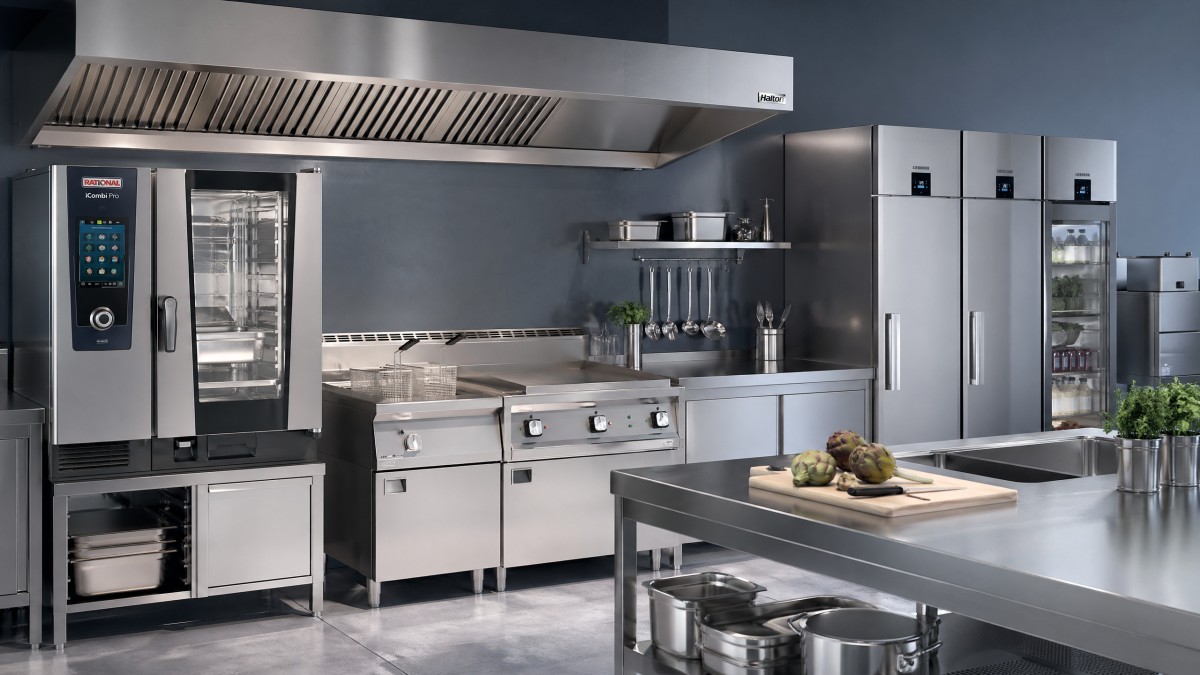
When buyers compare restaurant kitchen equipment suppliers, the first number they often focus on is unit price. That is understandable, but it is rarely the number that determines real project cost. In practice, total cost is shaped by payment terms, lead times, warranty scope, spare parts access, installation responsibilities, training, utilities compatibility, and long-term maintenance requirements.
For a restaurant owner, chef, procurement manager, or operations director, the real question is not “Which supplier is cheapest?” but “Which supplier creates the lowest total cost and least operational risk over the equipment lifecycle?” A lower upfront quote can quickly become more expensive if the equipment consumes more energy, fails under heavy use, requires hard-to-find parts, or causes delays before opening.
This is especially true in commercial kitchens where downtime directly affects service quality, labor productivity, food safety, and revenue. A fryer, combi oven, refrigeration unit, or preparation station that performs poorly does not only create repair bills. It can slow ticket times, increase food waste, trigger compliance issues, and force emergency replacement purchases at premium cost.
That is why smart sourcing decisions should balance price with supplier terms that affect ownership cost. Buyers need to examine how each supplier supports restaurant kitchen layout planning, how clearly they define technical specifications, whether they understand workflow needs, and how dependable their support is after delivery. The strongest supplier relationship lowers both visible and hidden costs.
Which supplier terms have the biggest impact on total cost?
Several supplier terms consistently influence total cost more than buyers expect. The first is specification clarity. If restaurant kitchen equipment specifications are vague, buyers may receive units that technically match the quote but fail to match capacity, voltage, gas type, ventilation requirements, or local code expectations. This can create rework, installation delays, or even full replacement.
The second major factor is warranty definition. A “one-year warranty” sounds reassuring, but buyers should ask what it actually includes. Does it cover parts only, or parts and labor? Is travel time included for service technicians? Are wear components excluded? Must approved technicians perform installation for warranty validity? Fine print here often separates a reliable partner from a low-cost vendor.
Third, delivery and installation terms can significantly alter project budgets. Some suppliers quote equipment only, while crating, shipping, customs handling, on-site positioning, commissioning, and staff training are charged separately. If these terms are not clarified early, project budgets can expand quickly. For imported commercial restaurant kitchen systems, logistics complexity alone may add substantial unplanned cost.
Fourth, spare parts availability and service responsiveness matter more than many first-time buyers realize. A lower-cost supplier may be attractive until a key cooking or refrigeration component fails and replacement parts take weeks to arrive. In a live kitchen environment, the cost of downtime can far exceed the original purchase savings. That makes after-sales capability a core financial variable, not just a service feature.
How equipment quality and materials affect long-term operating cost
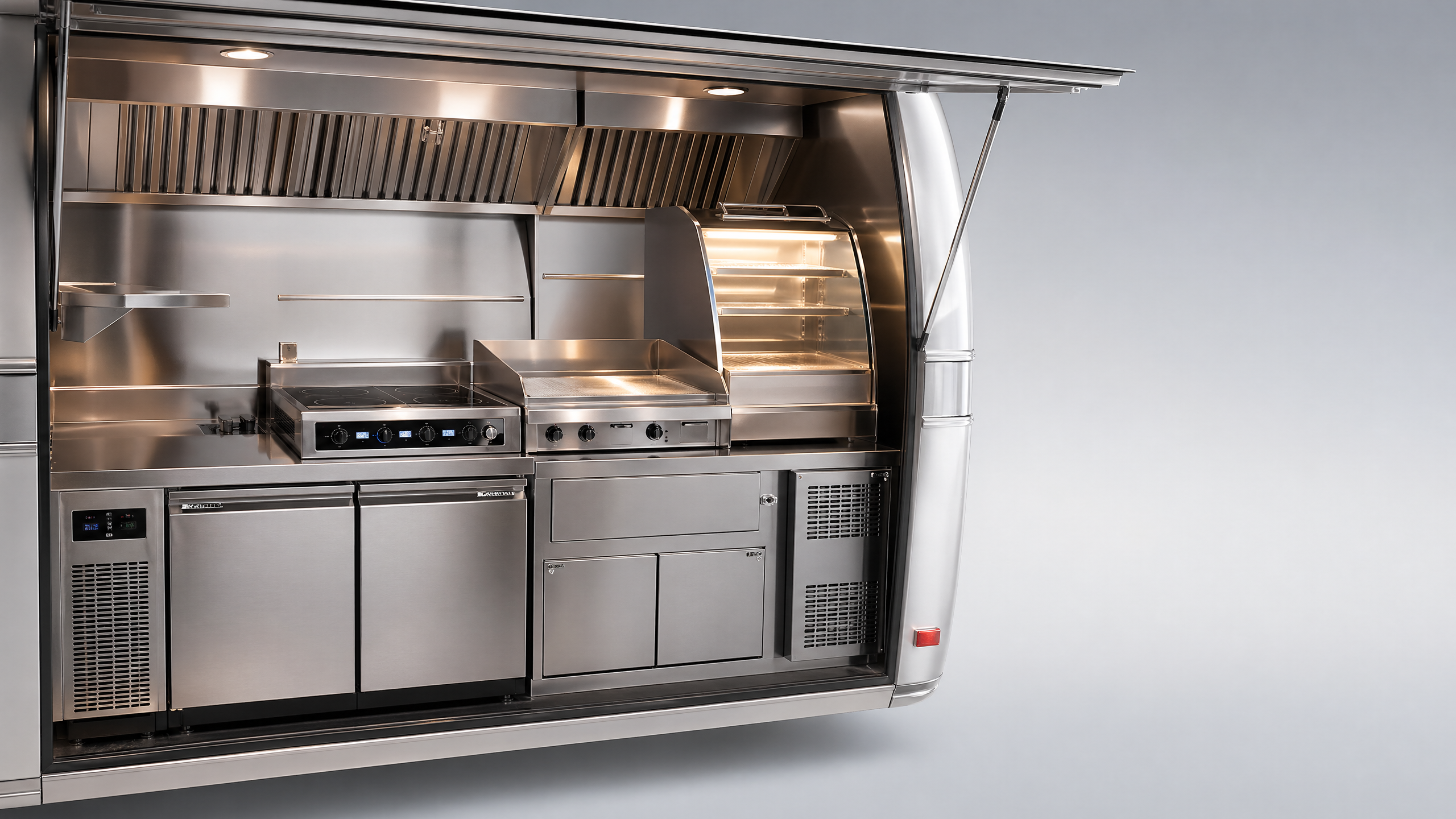
Commercial kitchens are high-intensity environments. Heat, grease, moisture, cleaning chemicals, repeated impact, and long operating hours all place heavy demands on equipment. That is why material quality, structural design, and manufacturing consistency are critical when comparing suppliers. Stainless steel restaurant kitchen equipment is often favored because it supports hygiene, corrosion resistance, and service life, but not all stainless steel builds are equal.
Buyers should verify the grade and thickness of stainless steel used in worktables, cabinets, sinks, shelving, and cooking line fabrication. Lower-grade or thinner materials may look acceptable during installation but can dent, warp, rust, or loosen under daily use. Over time, that leads to repair costs, sanitation concerns, and premature replacement. The right supplier should explain material choices rather than hiding behind generic language.
Component quality also affects operating cost. Burners, thermostats, compressors, door hinges, seals, control panels, and insulation quality all influence performance and maintenance frequency. Energy-efficient restaurant kitchen solutions may cost more at first, but they often reduce utilities and stabilize performance over years of heavy operation. That can be especially important for multi-unit operators and high-volume kitchens.
It is also worth assessing whether the supplier’s products are designed for the intended workload. A kitchen serving 80 covers per day has very different demands from a hotel breakfast operation, a quick-service chain, or a central production kitchen. Equipment that is underspecified for actual output may wear out faster, increase labor time, and create service bottlenecks. Matching equipment durability to application is one of the clearest ways to control total cost.
How layout planning and site compatibility change the real budget
Even excellent equipment can become a poor investment if it does not fit the workflow or physical conditions of the site. Restaurant kitchen layout planning has a direct effect on labor efficiency, safety, cleaning, supervision, and output consistency. Suppliers that only sell products without understanding line flow, prep zoning, storage access, and utility routing can expose buyers to expensive redesigns later.
Before purchase, buyers should confirm dimensions, clearance requirements, exhaust needs, drainage conditions, and utility demands. Gas pressure, electrical load, water quality, floor drainage, and ventilation capacity all influence whether equipment can be installed and operated correctly. If these conditions are overlooked, the restaurant may need electrical upgrades, ductwork changes, plumbing modifications, or hood adjustments that were never included in the original equipment budget.
A capable supplier should help identify these issues early. In many cases, the most valuable supplier is not the one offering the lowest unit price, but the one reducing the risk of mismatch between equipment and site. This is particularly important for remodels, replacement projects, compact kitchens, and facilities with mixed local and imported equipment standards.
Layout support also affects future flexibility. If the supplier helps create a modular and scalable kitchen design, the operation can add stations, improve throughput, or replace units with less disruption later. That planning value is easy to underestimate during procurement but often produces meaningful savings in labor, expansion cost, and downtime over the long term.
Questions buyers should ask about service, maintenance, and support
After-sales support is one of the strongest predictors of lifetime value. Buyers should ask how service requests are handled, what the typical response time is, where spare parts are stocked, and whether remote troubleshooting is available. A supplier with structured service processes can reduce both disruption and repair expense, especially for critical cooking, refrigeration, and warewashing equipment.
Training is another major factor. If operators are not trained on startup, shutdown, cleaning, calibration, and safe use, equipment failure becomes more likely. Improper operation can also reduce output quality and void warranty coverage. Suppliers that provide practical onboarding, manuals, and operating guidance often reduce long-term maintenance cost more than buyers expect.
Preventive maintenance terms should also be reviewed carefully. Does the supplier offer maintenance schedules, inspection visits, or recommended service intervals? Can they provide replacement parts kits for common wear items? Do they supply digital records or service histories for chain operations? Good maintenance support turns reactive repair into planned asset management.
For decision-makers, the key point is simple: service reliability is part of the product. A lower-cost machine supported by a weak service network is often more expensive than a premium unit with accessible parts, fast response, and proper operator support. In foodservice, continuity matters as much as capability.
How payment, lead time, and contract structure influence financial risk
Commercial equipment purchases also carry financial and project-timing risks that should be evaluated at contract stage. Payment terms affect cash flow, especially for new restaurant openings, multi-site rollouts, or hotel kitchen renovations. Buyers should understand deposit requirements, milestone payments, final acceptance conditions, and any penalties tied to changes or delays.
Lead times deserve close attention. If a supplier quotes attractive pricing but cannot deliver key equipment on the schedule needed for fit-out and commissioning, the resulting delay may affect contractor sequencing, staff training, licensing readiness, and opening day revenue. The hidden cost of late delivery often exceeds the savings from a lower quote.
Customization terms are equally important. Many restaurant kitchens require custom stainless fabrication, adapted lineups, or region-specific utility configurations. Buyers should verify approval drawings, revision limits, production tolerances, and responsibility for errors. If custom work proceeds without clear sign-off procedures, disputes can arise over whether the delivered product matches the intended design.
International procurement adds another layer. Import duties, certifications, packaging standards, shipping insurance, and port-to-site handling can all affect total landed cost. Buyers sourcing from major manufacturing hubs such as China, Germany, Italy, or Japan should calculate the full commercial impact rather than comparing ex-factory prices alone.
A practical framework for comparing restaurant kitchen equipment suppliers
To make better sourcing decisions, buyers should use a structured comparison method. Start with a total cost view that includes purchase price, freight, installation, utility adaptation, training, preventive maintenance, expected repair frequency, spare parts cost, energy use, and likely service life. This prevents low quotes from winning only because key costs are excluded.
Next, score suppliers on operational fit. Evaluate whether their restaurant kitchen equipment specifications align with actual production volume, menu complexity, staffing model, and available space. Ask whether they have experience with similar concepts such as quick-service restaurants, hotels, bakeries, central kitchens, or institutional foodservice. Proven fit often reduces implementation mistakes.
Then assess risk control. Review warranty terms, service coverage, replacement parts access, quality certifications, and project management capability. If possible, request customer references from comparable operations. A supplier’s real value is often visible in how they manage issues, not just how they present products during the sales stage.
Finally, consider strategic value. Some suppliers can support future growth through standardized specifications, multi-site service coordination, and equipment upgrades aligned with smart kitchen technologies or energy-efficiency goals. For expanding businesses, this capability can create purchasing consistency and lower long-term operational complexity.
What different stakeholders should prioritize before making a final decision
Procurement teams should focus on contract clarity, total landed cost, commercial terms, and vendor reliability. They need to ensure that every assumption is documented, from accessories and commissioning to warranty triggers and service exclusions. Their role is to prevent hidden cost from entering the purchase through unclear language.
Kitchen operators and chefs should prioritize usability, cleaning, workflow fit, output consistency, and recovery speed during peak service. They are best positioned to judge whether the equipment will support real production conditions. Their feedback is essential because operational friction turns directly into labor inefficiency and guest dissatisfaction.
Business owners and senior decision-makers should look at return on investment, risk exposure, brand standards, and lifecycle value. The right supplier should help protect uptime, support food safety, and maintain performance over years, not just at installation. When equipment decisions are tied to long-term operating strategy, the total cost picture becomes much clearer.
For most buyers, the best decision is not the cheapest quote and not necessarily the most premium brand. It is the supplier whose terms, quality, service, and technical fit produce the lowest combined cost of ownership and operational risk for the specific kitchen environment.
Conclusion: the best supplier is the one that lowers hidden cost, not just purchase price
Restaurant kitchen equipment supplier terms affect far more than a procurement spreadsheet. They shape installation success, operating efficiency, maintenance burden, service continuity, and equipment lifespan. That is why total cost should be evaluated through specifications, layout compatibility, material quality, support capability, and contract structure, not just the initial quote.
For buyers comparing commercial restaurant kitchen options, the most useful approach is to ask better questions early. What does the warranty truly cover? Are spare parts locally available? Is stainless steel restaurant kitchen construction appropriate for the workload? Will the supplier support restaurant kitchen layout planning and site coordination? How much risk sits outside the quoted price?
When these questions are answered clearly, procurement becomes more strategic and less reactive. The result is a kitchen that performs better, lasts longer, and costs less over time. In a business where margins, uptime, and food quality all matter, that is the supplier decision that delivers real value.
- smart kitchen
- central kitchen
- kitchen design
- restaurant kitchen
- kitchen solutions
- kitchen equipment
- restaurant kitchen equipment
- kitchen equipment suppliers
- restaurant kitchen equipment supplier
- stainless steel restaurant kitchen
- restaurant kitchen layout planning
- restaurant kitchen equipment specifications
- commercial restaurant kitchen
- restaurant kitchen layout
- restaurant kitchen equipment suppliers
Popular Tags
Kitchen Industry Research Team
Dedicated to analyzing emerging trends and technological shifts in the global hospitality and foodservice infrastructure sector.
Industry Insights
Join 15,000+ industry professionals. Get the latest market trends and tech news delivered weekly.
No spam. Unsubscribe anytime.
Contact With us
Contact:
Anne Yin (Ceramics Dinnerware/Glassware)
Lucky Zhai(Flatware)