
Restaurant Kitchen Layout Planning That Reduces Staff Cross Traffic
Effective restaurant kitchen layout planning is the foundation of a safer, faster, and more profitable operation. From commercial restaurant kitchen design to restaurant kitchen organization, storage, and equipment placement, the right layout reduces staff cross traffic, improves cleaning workflows, and supports daily efficiency. This guide explores practical strategies, equipment considerations, and planning ideas for operators, buyers, and decision-makers building a high-performance kitchen.
Why Cross Traffic Becomes a Hidden Cost in Restaurant Kitchen Design
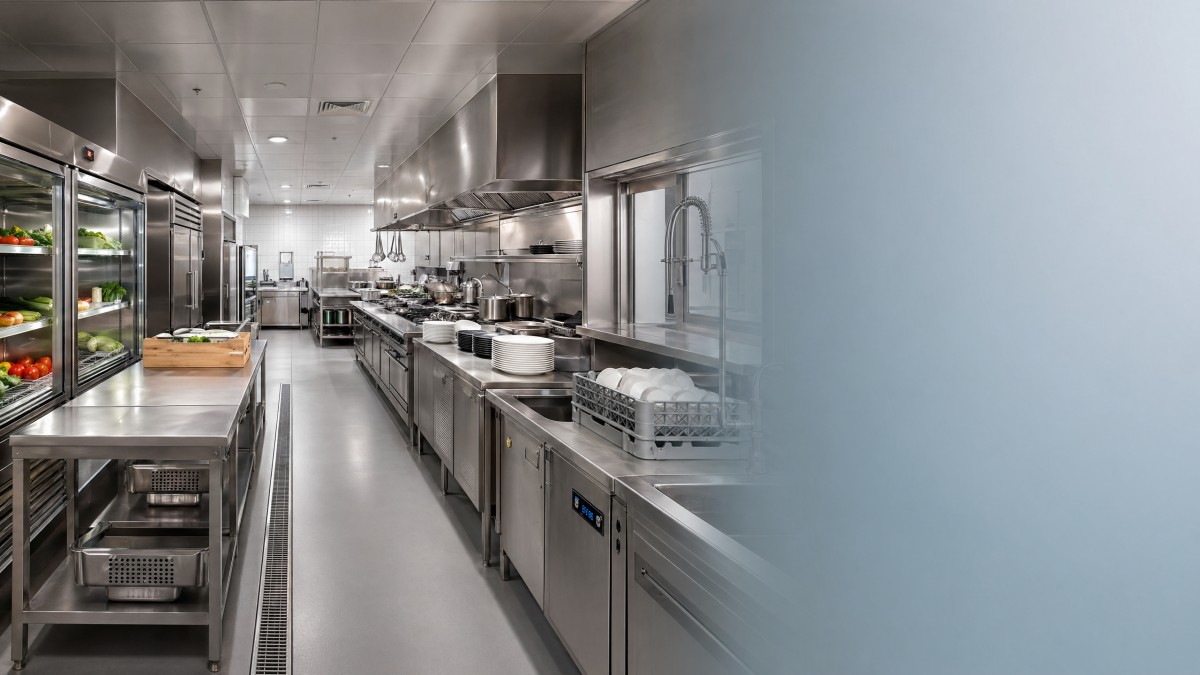
In restaurant kitchen layout planning, cross traffic happens when cooks, prep staff, dishwashing teams, runners, and receiving personnel repeatedly intersect in the same aisle or work zone. The result is not only slower service. It also increases collision risk, temperature loss during food transfer, sanitation problems, and labor waste across every shift.
For operators, the problem usually shows up in familiar ways: hot pans moving past raw ingredient prep, dish racks blocking the pickup line, or storage doors opening into production paths. In a compact commercial kitchen, even an extra 3–5 seconds per movement can accumulate into measurable delays during lunch and dinner peaks.
For procurement teams and business decision-makers, poor restaurant kitchen organization also creates avoidable equipment inefficiency. Oversized islands, misaligned refrigeration, or underplanned pass-through stations often force future replacement or relocation. That means extra installation cost, utility reconnection, and service interruption within 6–18 months of opening or renovation.
The core goal is simple: design a flow where receiving, storage, prep, cooking, plating, service, dish return, and waste handling move in a logical sequence. In many foodservice projects, the most effective improvement is not adding more equipment, but reducing overlap between 4 critical movement paths: food, people, clean items, and waste.
The four traffic paths that should rarely overlap
- Raw product flow: receiving to cold or dry storage, then to washing and prep stations.
- Hot line flow: cooking equipment to finishing, pass, and service handoff.
- Cleanware flow: dishwashing exit to shelving, plating stations, or service replenishment points.
- Waste flow: scrap collection, refuse holding, and grease-related handling away from clean prep.
When these paths are separated by zone rather than managed by staff caution alone, kitchens typically gain more predictable throughput. This is especially important in businesses using automated kitchen systems, smart kitchen technologies, or digital kitchen management tools, where layout consistency directly affects workflow visibility and equipment utilization.
How to Plan a Low-Cross-Traffic Kitchen Workflow from Receiving to Dish Return
A practical commercial restaurant kitchen design begins with process mapping before equipment selection. Many teams start by counting menu items or appliance types, but a stronger method is to map the kitchen into 6 workflow stages: receiving, storage, prep, cooking, service, and cleaning. This sequence reduces layout decisions based on guesswork.
In a standard project, receiving should be located near dry storage, cold storage, and waste staging. Prep should sit between storage and the cook line, not across it. Dish return should connect to washing and clean storage without crossing the plating area. This linear or semi-linear logic works well for restaurants, hotels, and central kitchen support spaces.
Aisle planning matters as much as equipment planning. While exact dimensions depend on code, equipment depth, and service style, many professional layouts work best when primary operator aisles, landing zones, and door swing clearances are reviewed as a combined movement system rather than as separate furniture positions. This prevents 2–3 bottlenecks from undermining the whole plan.
The strongest layouts also assign each station a clear role. A prep table should not become overflow storage. A pass counter should not become a temporary cooling zone. Once multifunction drift begins, staff paths multiply and restaurant kitchen organization breaks down, especially during the busiest 2–4 hours of daily production.
A step-by-step planning sequence
- List the top-selling menu groups and identify their prep, cook, hold, and plating requirements.
- Separate traffic into food flow, staff flow, dish flow, and waste flow.
- Place high-frequency equipment within the shortest practical path between adjacent process stages.
- Check cleaning access, maintenance access, and utility routing before finalizing equipment positions.
Typical zoning priorities for fast, safe movement
In high-volume operations, the cook line, cold prep, and dishwashing area usually generate the highest traffic density. That is why buyers should evaluate not just appliance capacity but also adjacency. A 10-pan combi oven placed far from plating may reduce labor efficiency more than a slightly smaller unit positioned correctly within the production sequence.
The same logic applies to storage. Frequently used ingredients should be kept in point-of-use refrigeration or nearby undercounter units where appropriate, while bulk goods remain in central storage. This two-level storage strategy can reduce repeated backtracking over dozens of trips per shift without increasing clutter in prep zones.
Which Kitchen Layout Types Reduce Staff Cross Traffic Most Effectively?
There is no single best restaurant kitchen layout for every business. The right solution depends on menu complexity, available floor area, service volume, and labor model. However, some layout types are more effective than others when the main objective is to reduce staff cross traffic and maintain clean directional flow.
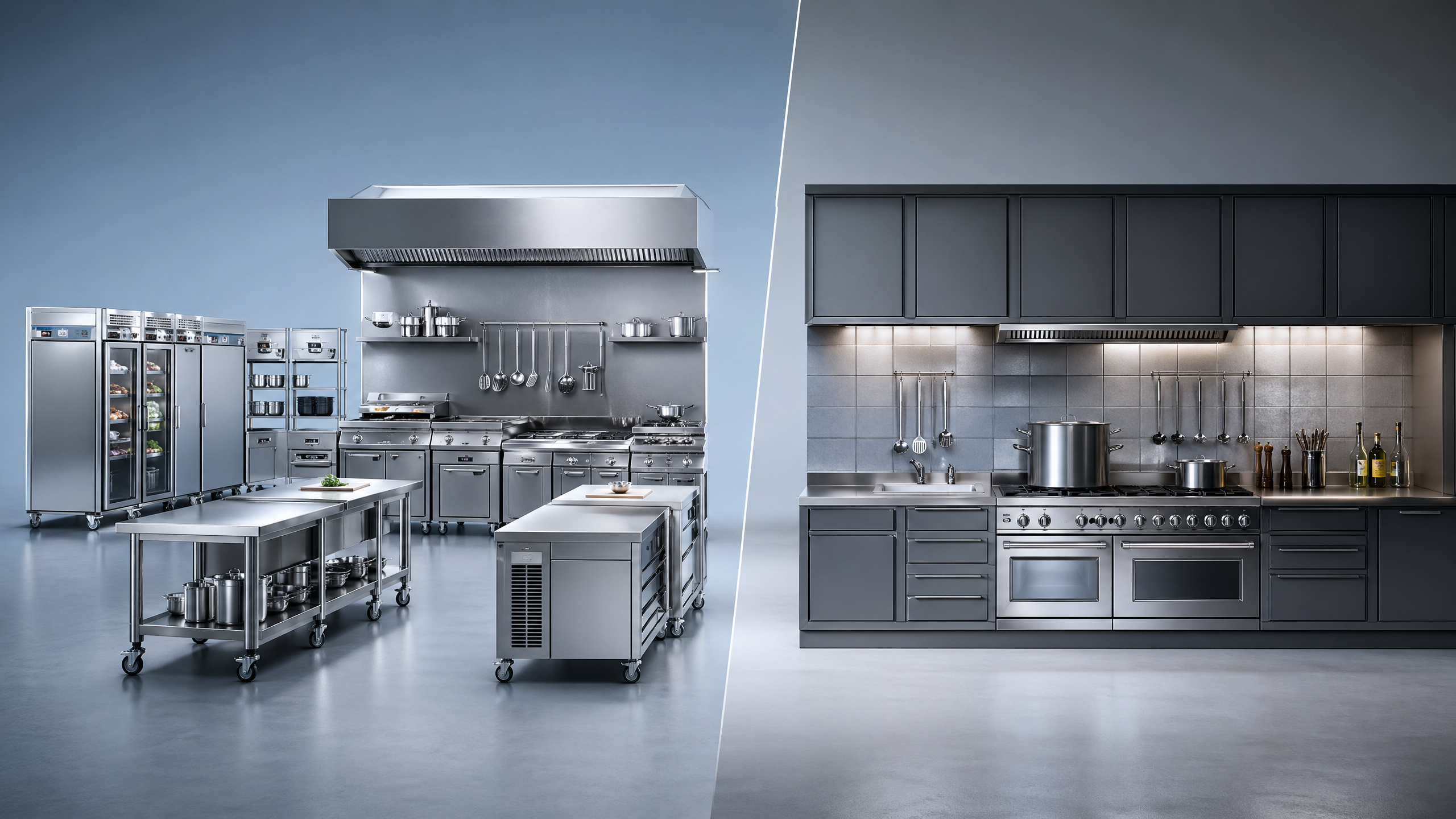
Assembly-line layouts often suit quick-service kitchens with repetitive production. Zone-based island layouts can work for larger restaurants with specialized stations, but only when circulation is carefully separated. Galley layouts are efficient in narrow spaces, though they require stricter control of aisle blockages, refrigeration door swings, and pass-through placement.
For hotels, institutional dining, and central kitchen models, a hybrid workflow is common. These projects may combine batch prep, cold holding, hot finishing, and tray assembly in different production windows. In such cases, time-based separation becomes as important as physical separation, especially across 2 or 3 meal periods per day.
The table below compares common layout approaches through the lens of traffic control, operational fit, and equipment planning. It can help procurement teams evaluate whether a design concept supports both present demand and future menu expansion.
The most suitable layout is usually the one that shortens repeated movement, protects food safety separation, and leaves enough service access for cleaning and maintenance. In other words, layout selection should be tied to operating rhythm, not just available floor geometry or appliance preference.
Common decision mistakes
- Choosing a layout based on visual symmetry instead of workflow efficiency.
- Adding equipment before confirming service routes, dish return paths, and waste exit points.
- Ignoring future menu additions that may require extra cold prep, holding, or finishing capacity.
What Equipment Placement Decisions Matter Most for Buyers and Operators?
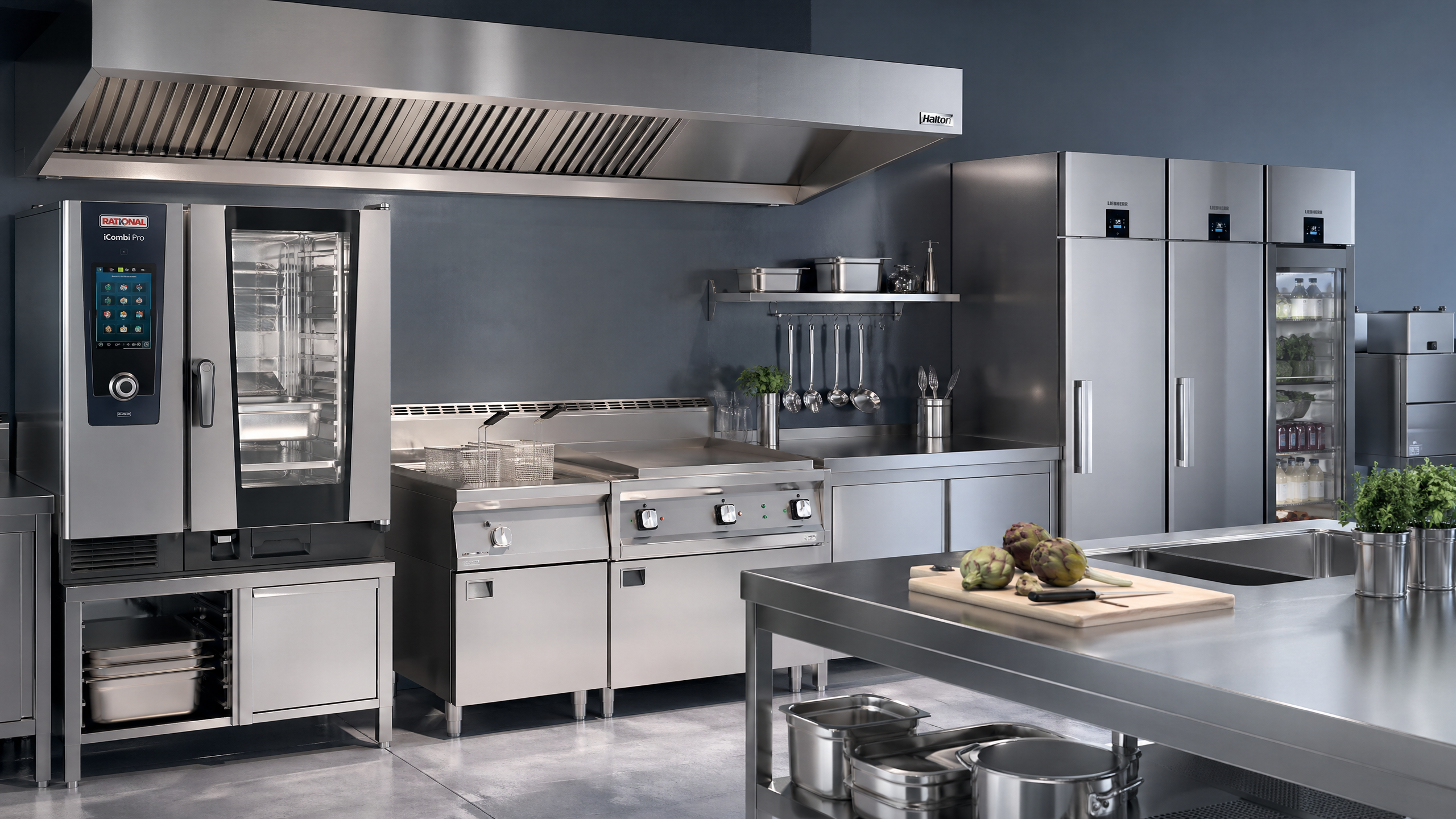
In the kitchen equipment industry, product selection and layout planning should never be treated as separate tasks. A high-performance appliance can still create a low-performance kitchen if it is placed in the wrong sequence or blocks utility access, staff movement, or cleaning reach. For B2B buyers, this is where layout strategy directly affects return on investment.
The first priority is frequency of use. Equipment used every 5–15 minutes during service should sit near its paired task or ingredient source. The second priority is heat, moisture, and sanitation interaction. For example, fryers, ranges, sinks, and refrigeration should be reviewed as environmental neighbors, not isolated units on a purchasing list.
The third priority is support infrastructure. Ventilation, drainage, power load, water supply, grease management, and maintenance clearance influence long-term operating cost. This is especially important as modern kitchens adopt intelligent cooking equipment, digital controls, and more energy-efficient kitchen solutions that depend on reliable utility integration.
For procurement teams comparing suppliers from major manufacturing markets such as China, Germany, Italy, or Japan, the evaluation should go beyond unit price. Delivery lead time, spare parts support, installation guidance, documentation quality, and compatibility with local compliance requirements all affect project success within the first 30–90 days after commissioning.
Equipment placement checklist for traffic reduction
Before final approval, it helps to review a structured placement checklist. The table below focuses on practical planning points that connect restaurant kitchen layout planning with equipment purchasing decisions.
This checklist is also useful during supplier discussions. It shifts the conversation from isolated product features to full-system performance. That is a more reliable way to compare commercial kitchen equipment in projects where efficiency, safety, compliance, and future scalability all matter.
Where smart and energy-efficient equipment helps most
Automation and digital kitchen management tools are most effective when deployed in bottleneck zones. Examples include programmable cooking centers on the hot line, monitored refrigeration in high-turnover stations, or dishwashing systems that support predictable cleanware flow. These technologies do not replace layout logic, but they can reinforce it when selected for the right station.
Energy-efficient kitchen solutions also contribute to traffic reduction indirectly. Lower heat output, faster recovery time, and better station-level control help teams hold position rather than constantly adjust around overloaded or slow-performing equipment. In many projects, operational stability is just as valuable as peak capacity.
How to Balance Cost, Compliance, and Long-Term Efficiency
Budget pressure often leads buyers to focus on initial equipment pricing, but restaurant kitchen layout planning should be evaluated through total operating impact. A lower-cost configuration may appear attractive at purchase stage, yet create ongoing labor waste, harder cleaning routines, or premature replacement when the menu expands or traffic volumes rise.
A more resilient approach is to compare at least 3 cost layers: equipment acquisition, installation and utility adaptation, and ongoing operational effect. For example, relocating one refrigeration bank or reworking exhaust coordination after installation can cost more than choosing the better-fit layout option during planning. Early review usually saves both money and downtime.
Compliance should be reviewed at the same time. Commercial kitchens typically need attention to food-contact material suitability, cleanability, ventilation design, fire-related requirements, electrical safety, and workflow separation between raw and ready-to-serve areas. Specific obligations vary by market, but layout decisions often determine whether compliance is easy or difficult to maintain in daily use.
For international sourcing projects, documentation quality is critical. Buyers should confirm product specifications, utility data, installation drawings, maintenance instructions, and lead time commitments before ordering. In many projects, a realistic delivery and installation window can range from 2–6 weeks for standard items and longer for customized lines or integrated kitchen systems.
Cost-saving ideas that do not compromise flow
- Use modular stainless worktables and shelving where menu flexibility is still evolving.
- Choose point-of-use refrigeration only for high-turnover ingredients, not for every station.
- Standardize utility-side connections where possible to simplify maintenance and future replacement.
- Review whether one multifunction cooking unit can replace 2 separate low-use appliances without creating a new bottleneck.
A practical procurement review model
A useful review model is to score options across 5 dimensions: workflow fit, sanitation access, utility compatibility, operator ergonomics, and service support. This method gives decision-makers a stronger basis than simple price comparison. It also helps align chefs, facility managers, procurement teams, and ownership before purchase approval.
In many cases, the best value solution is not the cheapest line item. It is the plan that minimizes rework, supports safe production, and stays efficient as order volume changes between low, medium, and high-demand periods throughout the year.
FAQ: Common Questions About Restaurant Kitchen Layout Planning
The questions below reflect common concerns from information researchers, operators, buyers, and company decision-makers. They focus on real project decisions rather than theory alone.
How do I know if my current kitchen has a cross traffic problem?
Look for repeated intersections during peak service: dish carts crossing the pass, cooks leaving the line for ingredients every few minutes, or prep staff sharing the same aisle with receiving or waste movement. If the same 2–3 points create congestion every shift, layout rather than staffing is usually the root issue.
Which areas should be separated first in a small commercial kitchen?
Start with raw prep, hot production, dish return, and waste staging. Even in a compact layout, these four functions should not fully overlap. If space is limited, use time-based scheduling plus compact equipment placement to reduce conflict. Prioritize the areas with the highest movement frequency during the busiest 1–2 service windows.
What should buyers ask suppliers before confirming equipment for a new kitchen?
Ask for utility requirements, installation clearances, maintenance access needs, lead time, spare parts support, and whether the equipment fits the intended workflow sequence. Also request confirmation on documentation for local compliance review. These questions reduce the risk of late-stage adjustment and help compare suppliers on operational value, not only quotation price.
How long does a layout optimization project usually take?
A focused review for an existing kitchen can often be completed in several planning steps over 1–3 weeks, depending on drawing availability and decision speed. A new-build or larger renovation with equipment coordination, compliance review, and customized production flow usually requires a longer schedule, especially when imported equipment or integrated systems are involved.
Why Choose Us for Kitchen Layout Planning and Equipment Consultation
We support restaurant kitchen layout planning with a practical view of workflow, equipment selection, and implementation risk. Instead of treating commercial kitchen equipment as a simple product list, we help connect menu process, staff movement, sanitation logic, and purchasing decisions into one workable plan.
Our approach is suited to operators improving restaurant kitchen organization, procurement teams comparing suppliers, and business decision-makers evaluating capacity, budget, and delivery timing. We can discuss standard equipment, smart kitchen technologies, energy-efficient kitchen solutions, and integrated configurations for restaurants, hotels, and central kitchen environments.
You can contact us for specific support on layout review, equipment parameter confirmation, workflow zoning, utility coordination, typical delivery cycles, customization scope, certification-related documentation, sample discussions, and quotation planning. If you are deciding between 2 or 3 layout options, we can also help compare them from the perspective of traffic reduction, cleaning access, and long-term operating efficiency.
If you are preparing a new project or upgrading an existing kitchen, send your floor plan, target production model, and equipment list. We can help identify bottlenecks early, recommend more suitable commercial restaurant kitchen design ideas, and support a solution that is safer, more efficient, and easier to operate day after day.
- commercial kitchen equipment
- smart kitchen
- cooking equipment
- central kitchen
- kitchen design
- restaurant kitchen
- kitchen solutions
- Storage Cabinet
- kitchen equipment
- restaurant kitchen design
- commercial restaurant kitchen design
- restaurant kitchen layout planning
- commercial restaurant kitchen
- restaurant kitchen layout
- restaurant kitchen organization
Popular Tags
Kitchen Industry Research Team
Dedicated to analyzing emerging trends and technological shifts in the global hospitality and foodservice infrastructure sector.
Industry Insights
Join 15,000+ industry professionals. Get the latest market trends and tech news delivered weekly.
No spam. Unsubscribe anytime.
Contact With us
Contact:
Anne Yin (Ceramics Dinnerware/Glassware)
Lucky Zhai(Flatware)