
Restaurant Kitchen Layout Planning for Small Footprint Concepts
For small-footprint concepts, effective restaurant kitchen layout planning is not just about fitting equipment into a tight room. It directly affects ticket times, staff safety, storage access, sanitation, labor efficiency, and even menu viability. In most cases, the best small kitchen layout is the one that reduces unnecessary movement, separates conflicting tasks, and makes cleaning and restocking easy without slowing service.
That is why operators, buyers, and decision-makers should evaluate kitchen layout planning as both an operational design issue and an investment decision. The right restaurant kitchen organization approach can help a compact space perform like a much larger commercial restaurant kitchen, while the wrong layout can create bottlenecks that no equipment upgrade will fully fix.
This guide focuses on the questions real readers usually have: how to plan workflow in a tight space, what restaurant kitchen equipment specifications matter most, how to improve restaurant kitchen storage, when stainless steel restaurant kitchen systems are worth the cost, and how to avoid layout mistakes that increase labor, waste, and compliance risk.
What matters most when planning a small restaurant kitchen layout?
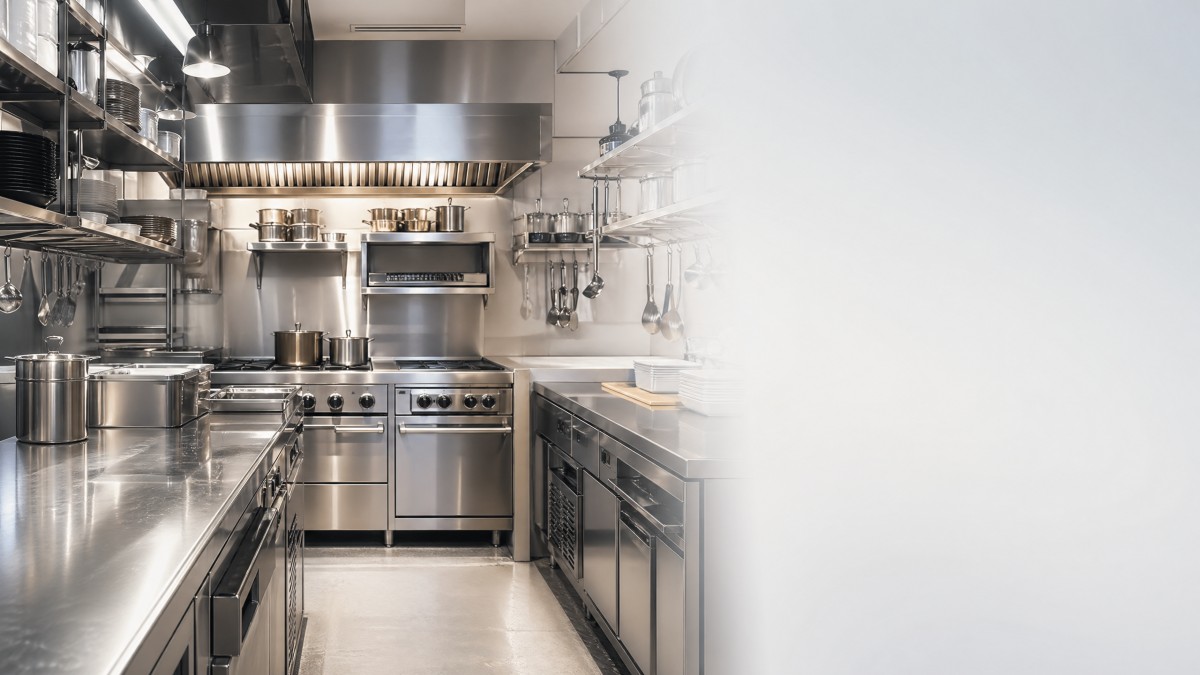
The core search intent behind this topic is practical decision-making. Readers are usually not looking for theory alone. They want to know how to design a small kitchen that works in real service conditions, supports the menu, fits the available square footage, and avoids costly rework later. Whether the reader is an operator, a purchasing manager, or a business owner, the key question is the same: how do we make a small kitchen efficient enough to support speed, consistency, and food safety?
In a small-footprint concept, every layout decision has a chain reaction. If prep is too far from cold storage, labor time increases. If the cook line blocks the pass, expediting slows down. If dishwashing traffic crosses plated food traffic, sanitation risk rises. Good restaurant kitchen layout planning starts with process flow, not equipment catalogs. The sequence of receiving, storage, prep, cooking, plating, service, warewashing, and waste removal should shape the room.
For most compact formats such as cafés, quick-service restaurants, kiosks, cloud kitchens, snack bars, and limited-menu casual concepts, a high-performing layout should do three things well: minimize staff steps, maintain clear zoning, and support repeatable service during peak hours. If the layout does not improve those outcomes, it is probably not the right plan, even if it looks efficient on paper.
Start with menu, volume, and workflow before choosing equipment
A small kitchen should be built around what the business actually needs to produce. That means menu engineering comes before equipment selection. A concept serving baked items, coffee, and reheated prepared foods needs a very different layout from one producing stir-fry, grilled proteins, and made-to-order sides. The menu determines the number of stations, the heat load, the ventilation requirement, the prep area, and the refrigeration strategy.
Projected sales volume is equally important. Many kitchen layouts fail because the space was planned for average demand instead of peak demand. A small kitchen may operate smoothly during slow periods but collapse during lunch rush if cold holding is undersized, the pass is too narrow, or only one person can access the main prep counter. Layout planning should always test the busiest service window first, because that is when bottlenecks become visible.
Workflow mapping is one of the most useful tools at this stage. List each major task in service order, then identify who performs it, what tools or equipment are needed, and where handoff points occur. This reveals whether the concept needs a linear flow, parallel prep, or shared stations. In a small commercial restaurant kitchen, reducing even a few repeated steps per order can create measurable improvements in labor efficiency and output.
Choose a layout model that fits the concept, not just the room
There is no single best restaurant kitchen layout for all small spaces. The right model depends on service style, menu complexity, and staff count. A galley layout works well in narrow spaces because it supports linear movement and keeps tools within reach. An assembly-line layout is ideal for high-volume, limited-menu operations where the sequence of production rarely changes. An L-shaped or zone-based layout can suit concepts that require more separation between prep, cooking, and finishing.
For very tight footprints, a compact island layout is usually less practical unless the kitchen serves multiple staff members around a central station. In many cases, wall-based equipment placement with undercounter refrigeration and vertical storage provides better use of limited square footage. The goal is not to force a textbook pattern into the room, but to create a layout that supports the actual motion of the team.
One useful test is to walk through a typical order path from receiving ingredients to final service. If staff have to backtrack repeatedly, cross one another too often, or leave their station for basic tools and ingredients, the layout model needs revision. In small kitchens, friction compounds quickly. A design that looks acceptable in drawings may still fail if it creates hidden interruptions every few minutes during service.
How to improve restaurant kitchen organization in a limited footprint
Restaurant kitchen organization is often the difference between a small kitchen that feels controlled and one that feels constantly congested. Organization should not be treated as a final housekeeping step after equipment installation. It should be built into the original layout through designated storage positions, standardized station setups, clear labeling, and easy access to frequently used tools and ingredients.
The most effective compact kitchens usually rely on point-of-use storage. This means each station keeps only what it needs for immediate service, while backup stock is stored nearby but not on the main work surface. For example, line cooks may keep one insert pan of each high-use ingredient in reach, with replenishment stock in undercounter refrigerated drawers. This reduces clutter while maintaining speed.
Visual discipline also matters. Open shelves, magnetic racks, wall-mounted utensil systems, and labeled food containers can help staff find items instantly. In a small kitchen, searching for a tool wastes not only time but also physical space because movement stops while someone checks drawers or reaches across another person. Better organization improves both speed and safety because fewer objects are left in temporary or unstable positions.
Restaurant kitchen storage strategies that maximize every inch
Restaurant kitchen storage should be planned in layers: bulk storage, backup storage, and active-use storage. Small concepts often fail by mixing all three together. Dry goods overflow into prep areas, cold items crowd worktops, and cleaning tools compete with food-contact equipment. A better approach is to assign exact storage roles to each zone and prevent overflow through disciplined par levels and replenishment routines.
Vertical storage is especially valuable in small-footprint concepts. Wall shelving, overhead racks where code allows, and tall but narrow storage units can reclaim space without reducing floor circulation. However, vertical storage only works well when frequently used items stay within safe reach. Heavy products or high-turn items should not be stored too high, because this creates lifting risk and slows service.
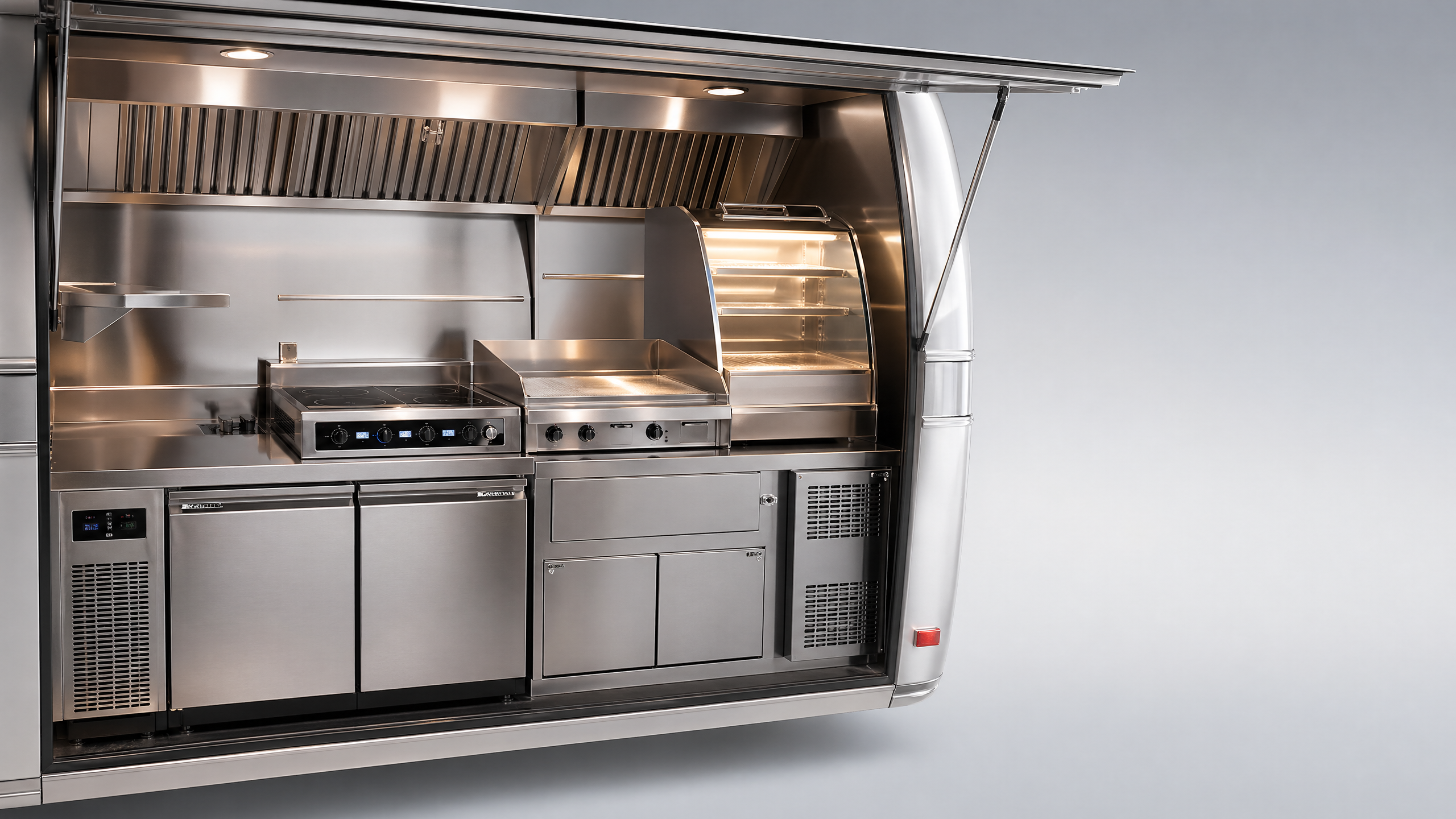
Undercounter and drawer refrigeration can dramatically improve space efficiency when compared with relying only on reach-in units. They keep ingredients close to stations and reduce travel time during service. Mobile shelving, nested containers, corner utilization systems, and slim-profile storage cabinets can also improve capacity. The best restaurant kitchen storage plan is not the one with the most shelves, but the one that keeps inventory accessible, clean, and separated by function.
Equipment specifications that matter most in a small commercial restaurant kitchen
When evaluating restaurant kitchen equipment specifications for a compact layout, dimensions are only the beginning. Buyers also need to review ventilation demand, clearance requirements, service access, energy consumption, drainage needs, door swing, production capacity, and compatibility with surrounding workstations. A unit that technically fits into the available width may still be a poor choice if it blocks maintenance access or creates excess heat in a tight line.
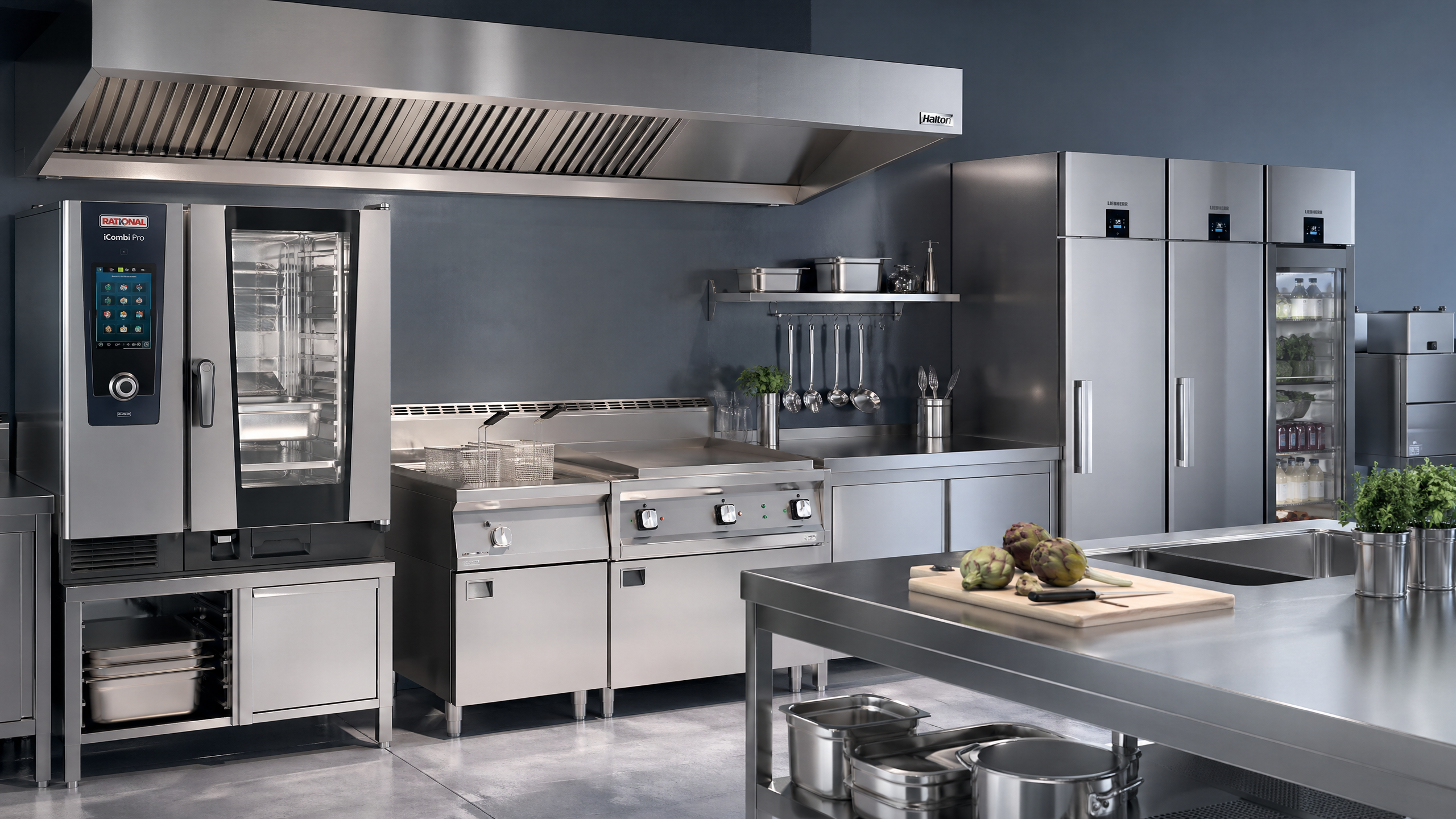
Multifunction equipment is often the smartest choice for small concepts. Combination ovens, high-speed ovens, compact griddles, ventless solutions where legally permitted, refrigerated prep tables, and modular cooking suites can save both floor area and labor. The key is to balance flexibility with throughput. A multifunction unit is useful only if it can handle the real production load during peak service without becoming a bottleneck.
Decision-makers should also compare lifecycle value instead of purchase price alone. In a tight kitchen, downtime from unreliable equipment has a larger operational impact because there are fewer backup options. Easy-clean surfaces, removable parts, good technical support, and efficient energy performance can produce better long-term value than a lower upfront cost. For growing concepts, standardized equipment platforms may also simplify training and future expansion.
Why stainless steel restaurant kitchen solutions remain the standard
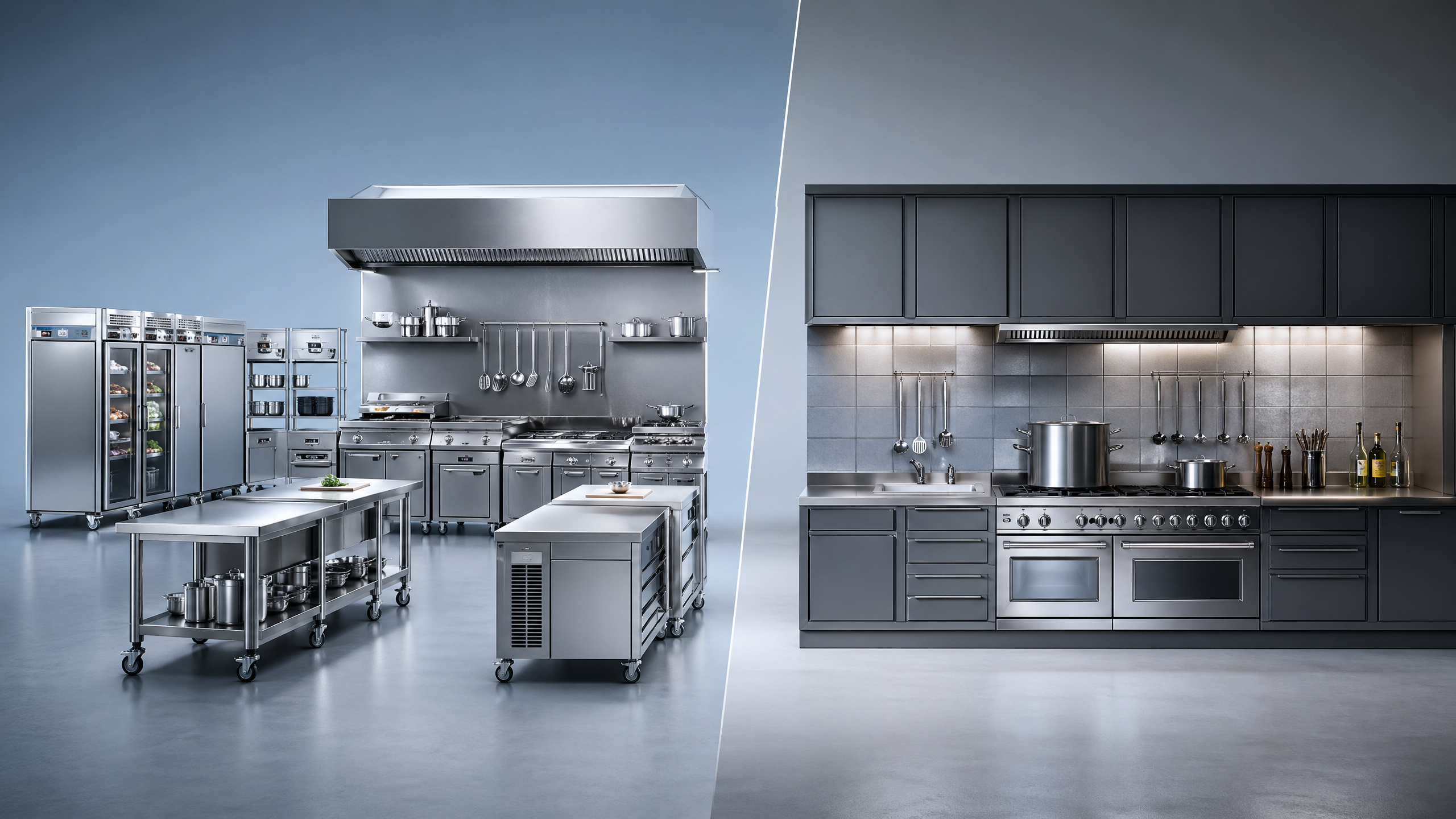
In small kitchens, materials matter because surfaces are used intensively and cleaned frequently. Stainless steel restaurant kitchen equipment and worktables remain the preferred standard for durability, hygiene, and maintenance. Stainless steel resists corrosion, handles repeated sanitation cycles well, and supports a professional workflow in environments where moisture, heat, grease, and food acids are constant.
Beyond durability, stainless steel supports operational efficiency. Smooth surfaces are easier to wipe down, integrated backsplashes can reduce debris buildup, and welded construction often improves cleanability in high-use areas. In compact spaces where prep, cooking, and storage areas are close together, materials that simplify sanitation help reduce contamination risk and cleaning time.
For procurement teams, the key is not simply to specify stainless steel everywhere without review. Gauge, finish, load capacity, and weld quality should match the intended use. Heavy-duty workstations, sink systems, and shelving in wet or high-impact zones usually justify stronger construction. Lighter-duty pieces may be acceptable in lower-stress areas. Matching material quality to the task helps control budget while preserving reliability.
Common layout mistakes that create bottlenecks and hidden costs
One common mistake is overloading the kitchen with equipment that looks useful individually but fails collectively. Too many appliances reduce landing space, restrict movement, and make cleaning harder. In a small-footprint concept, open counter space is not wasted space. It is what allows prep, assembly, staging, and recovery during busy periods. Every added unit should earn its place through proven production need.
Another frequent error is poor separation between clean and dirty flows. Dish return, waste handling, and warewashing should not interfere with plating, cold prep, or ingredient staging. Even if full physical separation is impossible, directional movement and timed processes should reduce contact between those functions. This is especially important for food safety compliance and staff discipline.
Insufficient utility planning is another hidden risk. Electrical load, gas supply, water lines, floor drains, grease management, and ventilation must align with the final equipment plan. Last-minute utility changes are expensive and often force compromises in placement. For decision-makers, this is where early coordination between operations, designers, equipment suppliers, and contractors can prevent major budget overruns.
How operators and buyers can evaluate whether a layout will work
Before final approval, teams should pressure-test the design. A practical review includes counting steps between core stations, checking reach distances, simulating peak production, confirming door openings and cleaning access, and verifying restocking paths. If possible, mark equipment footprints on the floor and walk the service pattern with actual staff. This simple exercise often reveals issues that are easy to miss in CAD drawings.
Buyers and managers should also ask targeted questions: Can two people work the line without collision? Is backup stock close but not in the way? Are hot, cold, and dirty zones clearly controlled? Can equipment be serviced without dismantling the station? Is there enough flexibility for menu changes or seasonal volume shifts? These questions help connect layout planning to business performance rather than aesthetics alone.
For companies comparing suppliers, value should be assessed across design support, equipment quality, customization options, after-sales service, and the ability to integrate storage, prep, cooking, and sanitation solutions into one coherent system. In small kitchens, integrated planning usually delivers better outcomes than purchasing isolated pieces from multiple sources without a unified workflow strategy.
Final thoughts: the best small kitchen layout is the one that protects flow
Restaurant kitchen layout planning for small-footprint concepts is ultimately about protecting flow. The most successful layouts are not necessarily the ones with the most equipment or the most aggressive space utilization. They are the ones that let people move efficiently, keep ingredients and tools where they are needed, support food safety, and maintain output during peak demand.
For operators and users, that means prioritizing organization, storage logic, and station design. For procurement teams, it means focusing on equipment specifications, serviceability, and lifecycle value. For business decision-makers, it means recognizing that layout quality affects labor cost, order speed, menu execution, and customer experience in direct and measurable ways.
If you are planning a compact commercial restaurant kitchen, start with menu and workflow, then build equipment, storage, and material choices around those realities. When each square foot has a defined purpose, even a very small kitchen can deliver consistent, safe, and profitable performance.
- restaurant kitchen
- kitchen solutions
- Griddle
- Storage Cabinet
- Food Containers
- kitchen equipment
- restaurant kitchen equipment
- stainless steel restaurant kitchen
- restaurant kitchen layout planning
- restaurant kitchen equipment specifications
- commercial restaurant kitchen
- restaurant kitchen layout
- restaurant kitchen storage
- restaurant kitchen organization
Popular Tags
Kitchen Industry Research Team
Dedicated to analyzing emerging trends and technological shifts in the global hospitality and foodservice infrastructure sector.
Industry Insights
Join 15,000+ industry professionals. Get the latest market trends and tech news delivered weekly.
No spam. Unsubscribe anytime.
Contact With us
Contact:
Anne Yin (Ceramics Dinnerware/Glassware)
Lucky Zhai(Flatware)