
Ceramic Dessert Bowl Finishes: Which Looks Premium
Choosing the right finish can instantly elevate a ceramic dessert bowl from ordinary to premium. For buyers, operators, and sourcing teams in the kitchen equipment industry, understanding how glaze, texture, and color compare across products like stoneware soup bowl, ceramic pasta plate, and porcelain baking dish helps identify designs that balance aesthetics, durability, and market appeal.
In commercial kitchens, hospitality dining rooms, retail tableware programs, and private-label sourcing projects, finish selection is not only a design issue. It affects cleaning efficiency, chip visibility, plating performance, shelf appeal, and even replacement frequency over 12 to 24 months of use. A bowl that looks premium under showroom lighting but dull after repeated dishwasher cycles may underperform in real operations.
For procurement teams and decision-makers, the key question is practical: which ceramic dessert bowl finishes truly signal premium quality while remaining suitable for restaurant, hotel, café, or branded retail environments? The answer depends on glaze depth, body material, surface consistency, color control, and how the finish supports the intended service model.
What Makes a Ceramic Dessert Bowl Look Premium in Professional Use
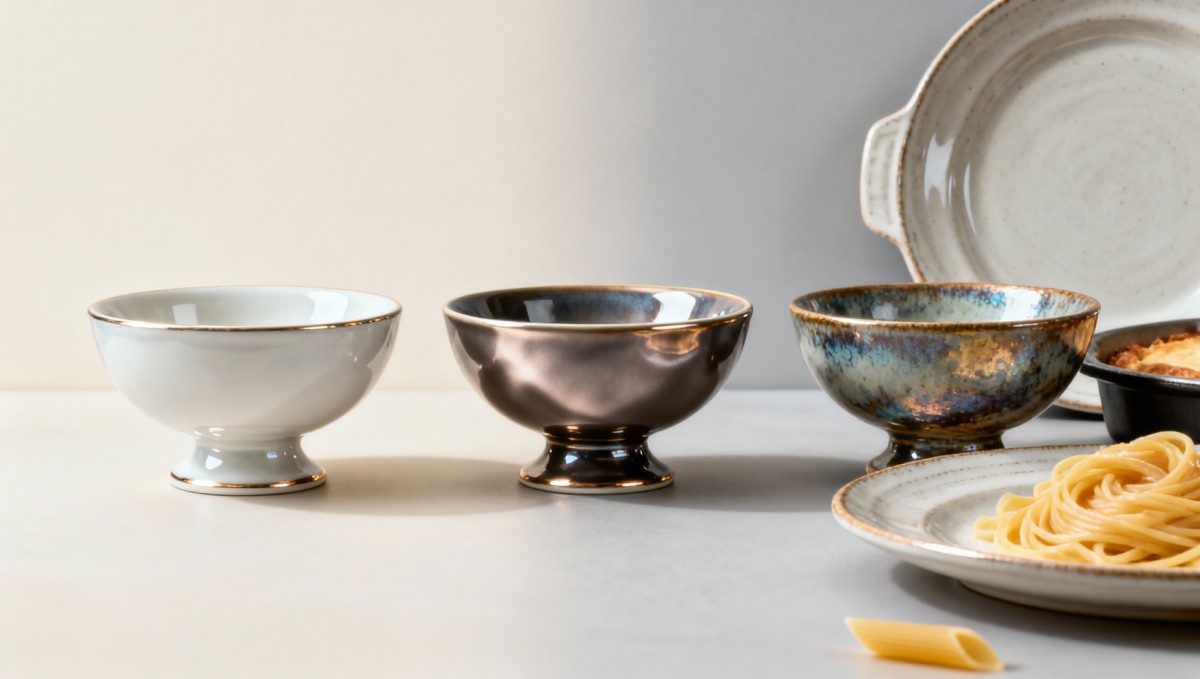
A premium look starts with visual depth. On a ceramic dessert bowl, that usually comes from even glaze application, controlled reflection, refined edge finishing, and a body material that supports color clarity. Whether the bowl is used for plated desserts, side servings, or tasting portions, the finish must look intentional from a distance of 1 to 2 meters and still feel refined in hand.
In kitchen equipment and tableware procurement, premium does not always mean glossy. Matte, satin, reactive, and semi-gloss finishes can all appear high-end when the surface quality is stable and the base clay body is well matched. A stoneware soup bowl may benefit from earthy texture and warm tones, while a porcelain baking dish often appears more premium with smooth, bright, highly controlled glazing.
Operators should also evaluate how a finish performs after 50 to 100 wash cycles. In high-turn restaurants, bowls can be washed multiple times per day, so surface fading, metal marking, and visible abrasion matter. Finishes that retain color and gloss consistency over repeated use usually create a stronger premium impression than finishes that look dramatic only when new.
Four visual signals buyers usually associate with premium tableware
- Consistent glaze coverage with no patchiness, pinholes, or uneven pooling around the rim.
- Clean foot ring finishing, because rough bases can reduce perceived quality and increase scratching risk on tabletop surfaces.
- Balanced color tone across production batches, especially for white, charcoal, ivory, sand, and muted pastel ranges.
- Surface definition that complements plating, allowing desserts to stand out under ambient restaurant lighting or display case lighting.
For procurement decisions, the finish should be judged alongside bowl shape, stackability, and body thickness. A premium appearance loses value if the bowl chips easily at the rim or cannot stack safely in back-of-house storage. In many projects, a wall thickness of around 3 mm to 6 mm provides a useful balance between refined appearance and operational durability, depending on the clay body and firing process.
Comparing Popular Finishes: Glossy, Matte, Reactive, and Textured
Different finishes communicate different kinds of premium value. Glossy finishes often suggest cleanliness, brightness, and a more formal dining presentation. Matte finishes usually signal contemporary design, artisan character, and a softer visual tone. Reactive glazes create variation and uniqueness, while textured surfaces offer tactile interest and a more handcrafted look.
The best choice depends on where the ceramic dessert bowl will be used. In hotel buffets or banquet service, glossy and semi-gloss finishes may be easier to standardize across hundreds of units. In chef-driven restaurants or boutique cafés, reactive or satin finishes can create stronger visual differentiation. For residential retail, warm matte finishes often perform well because they fit modern kitchen and tabletop trends.
However, premium appearance must be measured against maintenance realities. Highly textured surfaces may trap residue more easily. Some matte glazes can show metal marks sooner than polished glossy surfaces. Reactive finishes can vary from batch to batch, which is attractive in artisan ranges but less ideal for tightly controlled hospitality programs that need visual consistency across 500 to 5,000 pieces.
Finish comparison for commercial and sourcing decisions
The table below compares common ceramic dessert bowl finishes from the perspective of visual premium effect, operational suitability, and sourcing control.
For many B2B buyers, satin and controlled reactive finishes often create the strongest premium impression because they look more curated than standard glossy ware but remain commercially usable when quality control is strict. Still, the correct finish must match service intensity, replacement budget, and brand image rather than trend alone.
A practical rule for selection
If a program requires more than 1,000 pieces with repeat orders every 3 to 6 months, consistency should weigh as heavily as appearance. If the order is a smaller premium run, such as 100 to 300 sets for a concept launch, more expressive finishes can be considered because visual uniqueness may justify slightly higher variation.
Material, Color, and Glaze Pairing Across Stoneware, Ceramic, and Porcelain
A finish does not exist in isolation. The same matte glaze can look warm and artisanal on stoneware, but crisp and refined on porcelain. That is why buyers comparing a stoneware soup bowl, ceramic pasta plate, and porcelain baking dish should assess finish together with body material, firing temperature, and target use. In most sourcing projects, these three factors determine more than 70% of the final premium impression.
Stoneware generally supports earthy, natural, and heavier-looking finishes. It works well with speckled glazes, warm neutrals, and soft matte surfaces. Porcelain usually supports finer edge definition, brighter whites, and smooth glossy or satin finishes. General ceramic bodies vary more widely, so suppliers should provide sample confirmation for tone, density, and glaze compatibility before the final order.
Color also influences premium perception. White and ivory remain strong choices because they support food presentation and suit broad hospitality use. Dark charcoal, moss, slate blue, and sand tones are increasingly used in premium casual dining. Yet darker matte finishes can make water spots, abrasions, or glaze inconsistency more visible, especially under direct LED lighting common in modern service environments.
How body material changes the finish result
The following comparison helps procurement and design teams align finish expectations with actual material behavior.
For buyers comparing premium value, porcelain often delivers the cleanest and most polished impression, especially in white or off-white. Stoneware, however, can look more expensive in trend-led foodservice concepts when the finish appears intentional and the form is well proportioned. The better choice depends on whether the brand story is refined, artisanal, or hybrid.
Recommended pairing approach
- Use porcelain with bright gloss or soft satin for elegant dessert plating and premium hotel service.
- Use stoneware with matte, speckled, or reactive glaze for chef-driven concepts and visual differentiation.
- Use versatile ceramic bodies for mid-range programs that need balanced price, appearance, and production flexibility.
In sampling, request at least 3 pieces per finish and compare them under kitchen, dining, and daylight conditions. A finish that looks premium in one lighting environment can appear flat or overly reflective in another, and that difference matters in both food presentation and retail display.
Procurement Criteria: How to Judge Premium Finish Beyond Appearance
Procurement teams should move from visual preference to measurable checks. Premium finish selection for a ceramic dessert bowl should include glaze consistency, dishwasher resistance, scratch visibility, stacking behavior, edge durability, and batch control. These checks reduce the risk of approving an attractive sample that later fails under operational pressure.
In commercial buying, the finish should be reviewed together with MOQ, lead time, packing method, and acceptable variation standards. For example, a reactive glaze may be acceptable with moderate tone variation, but the buyer should define approval boundaries in advance. Without that step, repeat orders placed 8 to 12 weeks later may not match the original batch closely enough for front-of-house use.
Decision-makers should also think in terms of total replacement cost. A cheaper finish that shows visible wear after 6 months can become more expensive than a better-finished bowl that stays presentable for 18 months. This matters for restaurants, hotel groups, and catering operations where tableware affects brand perception every service cycle.
Core checks before approving a bulk order
- Inspect rim and surface under direct light for pinholes, shade variation, and glaze drips.
- Test stacking 10 to 20 units to identify abrasion points and instability.
- Run cleaning trials using the actual dishwasher cycle, detergent, and drying process used on site.
- Check whether dessert sauces, syrups, or fruit acids leave visible residue after normal washing.
- Confirm acceptable batch variation in writing, especially for handmade or reactive styles.
The table below summarizes practical procurement factors that help translate premium appearance into reliable purchasing decisions.
A useful purchasing method is to score each sample on a 1 to 5 scale across appearance, cleaning, durability, and consistency. That simple matrix helps align designers, operators, and finance teams. It also prevents selection based only on showroom appeal, which is a common mistake in cross-functional sourcing.
Common Mistakes, Operational Risks, and Finish Selection by Use Case
One common mistake is assuming the most eye-catching finish is the most premium. In reality, premium value comes from fit-for-purpose performance. A highly reactive ceramic dessert bowl may look exceptional in a product catalog, but if each batch varies too widely, it may create inconsistency across restaurant tables or e-commerce listings. That can weaken perceived quality instead of strengthening it.
Another risk is choosing finish before considering menu style. Dark matte bowls can highlight pale mousses and panna cotta beautifully, but they may reduce contrast for chocolate desserts or heavily glazed pastries. Very glossy white bowls support broad food presentation, yet they can feel less distinctive in brands trying to project craft or regional character.
Operational teams should also account for handling intensity. In a café with moderate turnover, an expressive finish may perform well for years. In high-volume hospitality environments running 200 to 500 covers per day, smooth and stable finishes often provide better long-term value. Back-of-house workflow, dishwashing capacity, and storage density should all inform the decision.
Finish selection by business scenario
Hotels and banquet operations
Glossy or satin porcelain usually performs well because it combines premium appearance with a clean, standardized look. It also supports large-scale replacement and consistent presentation across events.
Chef-led restaurants and boutique dining
Reactive or matte stoneware can create stronger identity and improve plating impact. The buyer should still approve variation limits and test wear resistance before the first production run.
Retail and private-label homeware
Soft matte, satin, and warm neutral glazes often have broad market appeal. They photograph well, align with modern kitchen trends, and work across mixed assortments such as pasta plates, soup bowls, and baking dishes.
FAQ for buyers and operators
Which finish looks most premium for a ceramic dessert bowl?
There is no single answer. Satin porcelain often looks refined and upscale, while reactive stoneware can appear more exclusive in design-driven settings. The right finish depends on whether the brand image is classic, modern, artisanal, or trend-led.
Is matte always harder to maintain than glossy?
Not always, but some matte glazes show metal marks and abrasion more quickly. Buyers should request real cleaning and wear tests, ideally over multiple cycles, before confirming a bulk order.
How many samples should be reviewed before purchase?
For a standard project, at least 3 to 5 samples per finish are useful. For reactive or handmade styles, reviewing more pieces gives a clearer view of acceptable variation and helps avoid disappointment in production.
What lead time should buyers expect?
Lead time varies by supplier, order size, and finish complexity. In many international sourcing projects, sample approval may take 1 to 3 weeks, and bulk production may take 4 to 8 weeks, excluding shipping.
A ceramic dessert bowl looks premium when finish, material, color, and operational performance work together rather than compete. Glossy finishes offer clarity and easy maintenance, matte and satin surfaces support modern presentation, and reactive finishes create stronger individuality when variation is properly managed. For buyers in the kitchen equipment and tableware sector, the best result comes from matching finish style to service intensity, brand position, and replacement planning.
If you are evaluating dessert bowls, stoneware soup bowl collections, ceramic pasta plate assortments, or porcelain baking dish lines for hospitality, retail, or private-label sourcing, a structured sample review can reduce risk and improve long-term value. Contact us to discuss finish options, compare sourcing requirements, and get a tailored product selection plan for your application.
Popular Tags
Kitchen Industry Research Team
Dedicated to analyzing emerging trends and technological shifts in the global hospitality and foodservice infrastructure sector.
Industry Insights
Join 15,000+ industry professionals. Get the latest market trends and tech news delivered weekly.
No spam. Unsubscribe anytime.

Contact With us
Contact:
Anne Yin (Ceramics Dinnerware/Glassware)
Lucky Zhai(Flatware)