
How to Prevent Cracks in a Ceramic Baking Bowl
Cracks in a ceramic baking bowl can ruin food presentation, shorten product lifespan, and increase replacement costs. Whether you are comparing a porcelain baking dish, a stoneware soup bowl, or a ceramic dessert bowl, understanding the causes of cracking helps users and buyers choose safer, longer-lasting kitchenware. This guide explains practical prevention tips, material differences, and everyday handling methods for better baking performance.
For kitchen operators, hospitality buyers, and sourcing teams, a cracked bowl is not only a product issue. It can affect food safety, service continuity, plating consistency, and total cost of ownership. In commercial kitchens that run 2 to 3 meal peaks per day, repeated thermal stress and rough handling often accelerate failure.
For households and professional foodservice environments alike, preventing cracks starts with understanding how ceramic materials behave under heat, moisture, impact, and storage pressure. The right use pattern, product specification, and supplier evaluation standard can significantly reduce breakage risk over a 12 to 24 month usage cycle.
Why Ceramic Baking Bowls Crack in Real Kitchen Environments
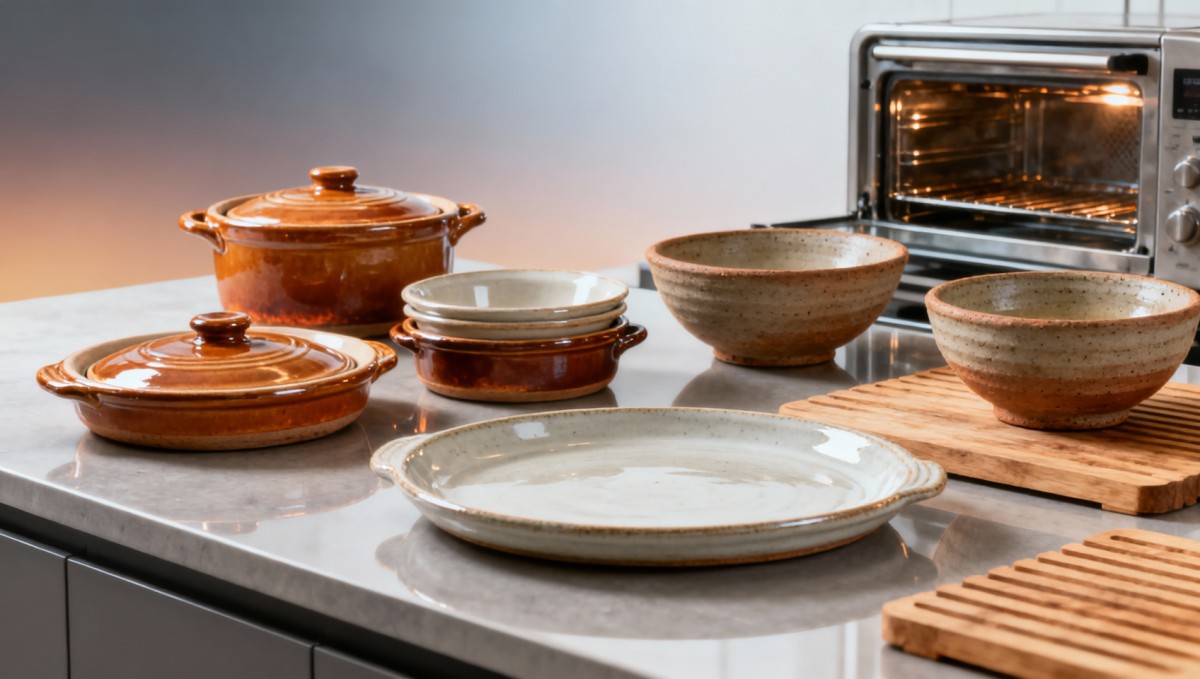
A ceramic baking bowl usually cracks because of thermal shock, material inconsistency, mechanical impact, or manufacturing defects. In practice, the most common cause is sudden temperature change. For example, moving a chilled bowl from 4°C storage directly into an oven at 180°C can create stress beyond what the body and glaze can absorb.
Commercial kitchens face additional pressure because bowls may be stacked, washed at high frequency, and reheated several times in a single day. A restaurant or bakery using the same bowl 20 to 50 times per week will expose it to much faster wear than a household user who bakes once or twice weekly.
Material composition also matters. Porcelain, stoneware, and earthenware do not respond the same way to oven heat, direct flame exposure, or dishwashing cycles. A bowl that performs well for baked desserts may still fail if used for high-moisture roasting, freezer-to-oven transfer, or heavy ladle impact.
Four major crack triggers
- Rapid temperature swings, especially above a 120°C to 160°C gap within a short transfer time.
- Hidden micro-fractures caused by knocks during transport, stacking, or dishwashing.
- Uneven wall thickness, which creates weak stress points during baking and cooling.
- Improper use, such as placing a ceramic bowl on an open flame or under a broiler without confirmation of suitability.
The table below shows how common crack causes appear in day-to-day use and what early warning signs buyers and operators should monitor before failure becomes visible.
The practical takeaway is simple: most cracks do not happen randomly. They develop from repeated stress, poor temperature transitions, or weak product consistency. That means prevention is possible through both better handling and smarter procurement.
Material Selection: Porcelain, Stoneware, and Other Ceramic Options
Choosing the right ceramic baking bowl starts with matching the material to the cooking task. Porcelain is generally denser and less porous, which can help with smooth cleaning and elegant presentation. Stoneware is often heavier and offers strong heat retention, making it useful for soups, casseroles, and baked side dishes served directly to the table.
However, not every ceramic bowl sold for food use is suitable for repeated baking. Buyers should verify oven-safe temperature limits, wall thickness uniformity, and resistance to fast heating cycles. A bowl rated for 220°C to 260°C may still require gradual preheating, especially in fast-paced kitchens using convection ovens.
For procurement teams, the decision should balance durability, presentation, replacement frequency, and intended menu category. Dessert bowls, gratin dishes, and soup bakers often look similar in catalogs, but their heat tolerance and usage life can be very different across suppliers.
How materials compare in kitchen use
The comparison below helps operators and buyers align ceramic bowl type with operational risk, serving style, and maintenance expectations.
In most B2B buying scenarios, porcelain and stoneware are the safer choices for repeated baking use, provided the product is specifically rated for oven service. For high-turnover catering or central kitchen operations, durability testing over 50 to 100 heat cycles is more useful than relying only on appearance or sample weight.
Selection checklist for buyers
- Confirm the maximum oven temperature and whether the bowl is safe for conventional and convection ovens.
- Ask whether freezer-to-oven or refrigerator-to-oven transitions are allowed, and under what limits.
- Check wall thickness consistency, especially at the base and handle areas if applicable.
- Review dishwasher suitability after 100 or more wash cycles when the product is for hospitality use.
This selection approach reduces mismatch between catalog claims and real kitchen requirements. It also helps procurement teams compare products on usable life rather than unit price alone.
Daily Handling Methods That Prevent Cracks and Extend Service Life
Even a well-made ceramic baking bowl can fail early if daily handling is poor. The most effective prevention method is controlled temperature transition. Instead of placing a cold bowl directly into a hot oven, allow 20 to 30 minutes for the bowl to come closer to room temperature. This one step can lower thermal shock risk significantly in both home and professional kitchens.
Loading and unloading practices also matter. Bowls should be placed on stable racks, not on uneven oven rails or metal edges that concentrate stress. When removed from the oven, they should be placed on a dry cloth, wooden board, or heat-resistant pad rather than a cold stainless-steel counter. Rapid bottom cooling often causes base cracks first.
Cleaning protocols should avoid aggressive shock after cooking. Never run cold water into a hot ceramic bowl. Let it cool for at least 15 to 25 minutes before washing. In high-volume operations, train staff to separate hot-handling and washing stages so that speed does not create avoidable damage.
Best-practice routine for operators
- Preheat the oven first, then place bowls in with moderate temperature ramping when the recipe allows.
- Avoid direct flame, induction contact, or salamander exposure unless product specifications clearly permit it.
- Use silicone, wood, or non-sharp utensils for serving when possible to reduce internal surface impact.
- Store bowls with protective separators if stack height exceeds 6 to 8 units.
- Inspect rims and bases every 2 to 4 weeks in commercial kitchens for small chips or glaze lines.
Handling discipline is especially important for stoneware soup bowls and ceramic dessert bowls used in mixed service environments. These products may move through oven, pass, dishwasher, storage rack, and tabletop within a single service cycle. Every transfer point adds another opportunity for impact or thermal stress.
Common operator mistakes
The most frequent mistakes are stacking bowls while still warm, using them to hold frozen ingredients before immediate baking, and tapping utensils against the rim during portioning. Small actions repeated 30 or 40 times per day can shorten the useful life of the bowl faster than the baking process itself.
For teams managing multiple shifts, a short standard operating procedure of 5 to 7 handling rules is often enough to reduce avoidable breakage. This is a low-cost improvement with direct savings in replacement volume and fewer service disruptions.
Procurement and Quality Control Standards for Buyers and Decision-Makers
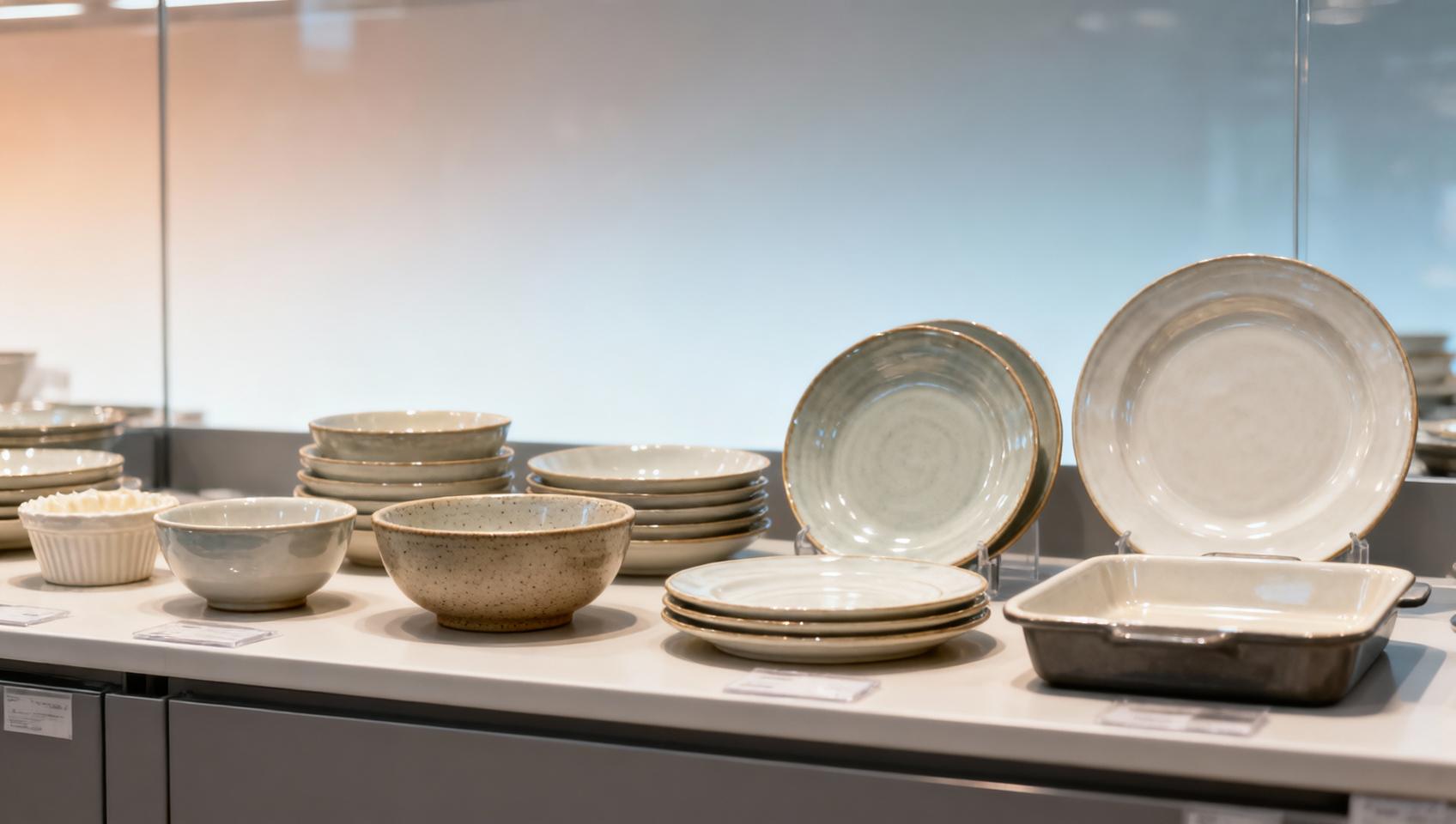
For procurement managers and business decision-makers, preventing cracks begins before the order is placed. Product samples should be evaluated not only for appearance, but also for dimensional consistency, base flatness, edge finishing, and heat-use guidance. A bowl that looks premium on a display shelf may still be unsuitable for repeated oven service in a restaurant or hotel.
A practical sourcing review should include at least 4 dimensions: material specification, thermal-use limit, packaging protection, and after-sales replacement policy. If the product will be used in a central kitchen or chain restaurant, pilot testing with 10 to 20 sample units over 2 to 3 weeks is a more reliable indicator than a one-time showroom demonstration.
Packaging quality is often overlooked. Many micro-cracks start during shipping, especially in cross-border supply where cartons may experience vibration, stacking pressure, and humidity shifts over 7 to 30 days of transit. Strong inner partitions and anti-collision support are part of crack prevention, not just logistics cost.
Supplier evaluation table
The following table can be used as a practical reference during sourcing discussions, especially for hospitality projects, foodservice distributors, and multi-site restaurant groups.
This procurement framework helps reduce risk across the full supply chain. It supports more consistent kitchen performance and gives decision-makers a clearer basis for comparing suppliers beyond headline pricing.
When a lower unit price is not lower cost
If a lower-priced bowl fails 2 times faster, the total replacement, labor, and service interruption cost may exceed the original savings. For businesses ordering 500 to 2,000 units annually, even a 5% reduction in breakage can make a noticeable difference in operating cost and inventory planning.
Maintenance, Replacement Timing, and FAQ for Long-Term Use
Ceramic baking bowls should not be treated as permanent tools. They require periodic inspection and planned replacement, especially in commercial foodservice settings. Hairline cracks, rim chips, glaze crazing, and wobbling bases are all signs that a bowl should be removed from active baking use. Continuing to use damaged pieces increases the chance of full fracture during service.
A simple maintenance schedule can improve safety. In restaurants and hotels, a weekly visual check and a monthly deeper inspection are usually sufficient. In lower-volume settings, inspection every 6 to 8 weeks may be enough. The goal is not over-control, but early detection before a small defect becomes a service problem.
Replacement timing depends on frequency, temperature exposure, and handling quality. A carefully used bowl may stay functional for more than 24 months, while heavily used pieces in high-turnover kitchens may need replacement in 6 to 12 months. The difference often comes down to operating discipline as much as product quality.
FAQ: practical questions from buyers and users
Can a ceramic baking bowl go from freezer to oven?
Only if the manufacturer clearly states that the product is designed for that transition. Even then, gradual temperature change is safer. Moving directly from below 0°C to an oven above 180°C creates one of the highest crack risks in ceramic cookware.
Is stoneware less likely to crack than porcelain?
Not always. Stoneware may offer strong heat retention and sturdy body strength, but its real-world durability depends on firing quality, thickness consistency, and user handling. A high-quality porcelain baking dish can outperform lower-grade stoneware under repeated oven use.
How should damaged bowls be managed in commercial kitchens?
Separate them immediately from active production. Bowls with chips or visible cracks should not return to baking or plated service. A 3-step process works well: identify, isolate, and record. This helps kitchens track breakage patterns and improve future sourcing decisions.
What are the most important buying indicators?
Focus on 5 points: oven-safe temperature range, suitability for repeated use, material density, packing protection, and supplier response process. For B2B projects, sample testing under real operating conditions is more useful than depending only on catalog descriptions.
Preventing cracks in a ceramic baking bowl is a combination of correct material choice, careful daily handling, and disciplined procurement review. For users, the biggest risks are sudden temperature changes and rough treatment. For buyers and decision-makers, the biggest gains come from selecting bowls with clear thermal-use guidance, consistent build quality, and reliable logistics protection.
If you are evaluating ceramic baking bowls, porcelain baking dishes, or stoneware serving pieces for hospitality, retail, or foodservice operations, a structured review can reduce breakage, improve service reliability, and lower replacement costs over time. Contact us to discuss product details, compare material options, or get a tailored kitchenware sourcing solution for your application.
Popular Tags
Kitchen Industry Research Team
Dedicated to analyzing emerging trends and technological shifts in the global hospitality and foodservice infrastructure sector.
Industry Insights
Join 15,000+ industry professionals. Get the latest market trends and tech news delivered weekly.
No spam. Unsubscribe anytime.
Contact With us
Contact:
Anne Yin (Ceramics Dinnerware/Glassware)
Lucky Zhai(Flatware)