
A restaurant kitchen equipment layout that avoids bottlenecks
A well-planned restaurant kitchen equipment layout is the foundation of a fast, safe, and profitable foodservice operation. For engineering teams and project decision-makers, layout planning is not only about fitting appliances into a room. It is about building a workflow that reduces delays, protects food safety, supports labor efficiency, and leaves enough flexibility for future menu or volume changes. In modern foodservice environments, where speed, consistency, and hygiene are directly linked to business performance, a restaurant kitchen equipment layout that avoids bottlenecks can improve output without expanding the footprint.
Understanding what creates bottlenecks in a restaurant kitchen equipment layout
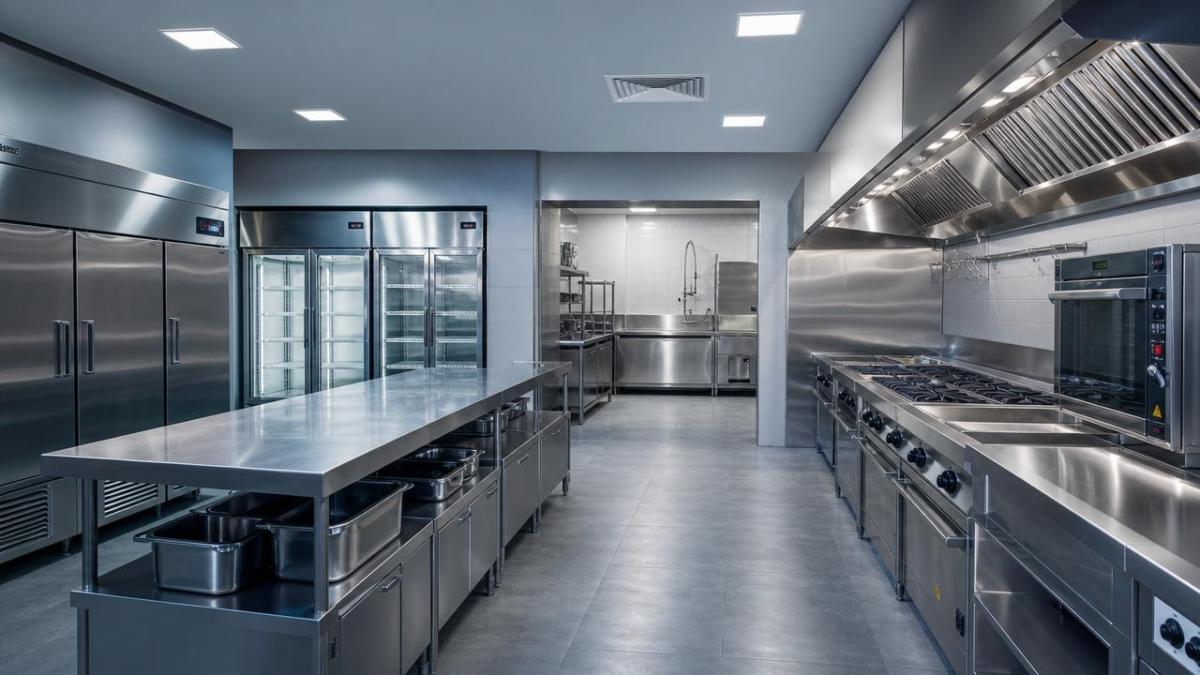
A bottleneck appears when one part of the kitchen slows down the entire production line. In a poor restaurant kitchen equipment layout, common bottlenecks include staff crossing paths, prep tables placed too far from cold storage, cooking equipment clustered without ventilation balance, and dishwashing zones interrupting clean food flow. These issues lead to longer ticket times, higher labor pressure, and increased risk of errors during peak periods.
The most effective layout begins with process mapping. Ingredients should move in a clear direction: receiving, storage, washing, prep, cooking, plating, service, and cleaning. When equipment placement follows this sequence, the kitchen becomes easier to manage and scale. A high-performing restaurant kitchen equipment layout also considers maintenance access, drainage, electrical loads, fire safety, and cleaning routines instead of focusing only on workstation proximity.
In practical terms, layout design should answer three questions. First, where does congestion happen during rush hours? Second, which equipment causes operators to wait? Third, are hot, cold, raw, and clean zones clearly separated? These questions help identify whether the problem is insufficient capacity, poor placement, or weak circulation planning.
Industry context and key planning signals
The kitchen equipment industry is evolving quickly as restaurants, hotels, central kitchens, and food processing facilities pursue automation, energy efficiency, and stricter hygiene control. This shift has changed expectations for a modern restaurant kitchen equipment layout. Equipment is no longer selected only by cooking performance; it must also support digital monitoring, lower utility consumption, and smoother integration with the overall production system.
Several market signals now shape layout planning:
Because of these trends, the best restaurant kitchen equipment layout is increasingly treated as an operational system rather than a simple room arrangement. It must align equipment, utilities, digital tools, workflow, and sanitation into one practical structure.
Core layout principles that keep every zone moving
An efficient restaurant kitchen equipment layout is built around movement logic. Every station should support the next one without backtracking. The following principles are widely applicable across restaurants, hotel kitchens, and mixed-service food operations:
- Linear product flow: Place receiving near storage, storage near prep, prep near cooking, and cooking near service.
- Separated traffic paths: Keep ingredient movement, plated food movement, and dirty return flow from crossing.
- Capacity balance: Match refrigeration, prep surface, cooking output, and holding capacity to expected peak demand.
- Ergonomic positioning: Install frequently used equipment within easy reach to reduce unnecessary motion and fatigue.
- Service access: Leave enough clearance for cleaning, maintenance, ventilation inspection, and equipment replacement.
- Utility coordination: Align water, gas, electricity, and exhaust with equipment placement from the beginning of the design phase.
These principles matter because bottlenecks rarely come from one isolated appliance. They usually come from a mismatch between equipment capacity and the physical route that staff and products must follow. A good restaurant kitchen equipment layout reduces touchpoints, shortens travel distance, and supports stable production under pressure.
Functional zones and their business value
Dividing the kitchen into functional zones makes planning more accurate and easier to optimize. Each zone should have a clear role, suitable equipment, and enough transition space. The structure below is commonly used when designing a restaurant kitchen equipment layout that avoids delays.
When each zone is sized and connected correctly, the restaurant kitchen equipment layout creates measurable business value. It supports faster service, lower food waste, safer handling, and easier training for new staff. In many projects, improving the layout delivers better returns than simply adding more equipment.
Typical layout scenarios across foodservice operations
Not every kitchen should follow the same model. The right restaurant kitchen equipment layout depends on menu complexity, order volume, available footprint, and service style. Common layout scenarios include:
- Compact urban restaurant: Benefits from vertical storage, multi-function cooking equipment, and tightly grouped prep-to-cook stations.
- High-volume casual dining kitchen: Needs a strong line layout with dedicated fry, grill, and pass areas to handle rush periods without overlap.
- Hotel or banquet kitchen: Requires wider circulation, larger cold storage, separate bulk prep, and stronger holding capacity.
- Central kitchen support model: Often shifts labor-intensive prep off-site, allowing the restaurant kitchen equipment layout to focus on finishing, holding, and dispatch speed.
- Delivery-first operation: Should include an isolated packing and courier pickup point to prevent congestion around the service pass.
These examples show why layout planning must match operational reality. A design that works for a dine-in grill concept may fail in a delivery-heavy menu or a banquet-focused environment. The best restaurant kitchen equipment layout is always tied to production behavior, not just floor dimensions.
Practical recommendations for avoiding delays and rework
To prevent bottlenecks before installation begins, layout planning should combine workflow analysis, equipment specification, and utility coordination. The following practices are especially useful:
- Measure peak-hour output by station, not only daily order volume.
- Review menu steps to identify which items compete for the same equipment.
- Reserve landing space beside ovens, fryers, and refrigeration units for safe transfer.
- Avoid placing dishwashing entries near prep or plating routes.
- Use modular or mobile units where menu changes or seasonal variation are expected.
- Check ventilation and heat load early so the cooking line does not become uncomfortable or unstable.
- Plan for maintenance access to reduce downtime and avoid costly future relocation.
A strong restaurant kitchen equipment layout should also be tested before final approval. Even a simple simulated walk-through can reveal blocked doors, narrow turns for carts, awkward reach zones, or prep areas that are too far from storage. These practical checks reduce expensive redesign during construction or opening.
Next-step planning for a better restaurant kitchen equipment layout
A successful restaurant kitchen equipment layout is the result of coordinated planning rather than last-minute equipment placement. The most reliable path forward is to start with actual menu flow, expected service volume, hygiene requirements, and utility conditions, then match those needs to the right zone structure and equipment sequence. This approach helps reduce bottlenecks, improve labor efficiency, and create a kitchen that performs well today while remaining adaptable for tomorrow.
When evaluating a new project or improving an existing site, begin by mapping current delays, listing critical equipment dependencies, and reviewing whether each workstation supports the next one logically. With this method, a restaurant kitchen equipment layout becomes a strategic asset that strengthens safety, speed, consistency, and long-term operating value across the foodservice environment.
Popular Tags
Kitchen Industry Research Team
Dedicated to analyzing emerging trends and technological shifts in the global hospitality and foodservice infrastructure sector.
Industry Insights
Join 15,000+ industry professionals. Get the latest market trends and tech news delivered weekly.
No spam. Unsubscribe anytime.
Contact With us
Contact:
Anne Yin (Ceramics Dinnerware/Glassware)
Lucky Zhai(Flatware)