
Which kitchen tools for hospitals reduce prep time safely
Choosing the right kitchen tools for hospitals is essential for reducing prep time without compromising hygiene, staff safety, or food quality. For quality control and safety managers, the challenge is finding equipment that supports fast workflows, prevents cross-contamination, and meets strict operational standards. This article explores practical solutions that improve efficiency while maintaining a safe, compliant hospital kitchen environment.
In hospital foodservice, speed alone is never the main goal. Meals must be prepared on strict schedules, often 3 to 5 times per day, while special diets, allergen controls, texture-modified foods, and infection-prevention procedures remain fully in place. That is why selecting kitchen tools for hospitals requires a structured approach that balances workflow efficiency, sanitation, traceability, and ergonomic safety.
For procurement teams, quality managers, and safety supervisors, the most effective tools are not always the most complex. In many hospital kitchens, prep time drops when staff use equipment that is easy to clean, simple to standardize, and suitable for high-volume batch production. The sections below explain which tools make the biggest operational difference and how to evaluate them in real purchasing scenarios.
Why Hospital Kitchens Need Specialized Prep Tools
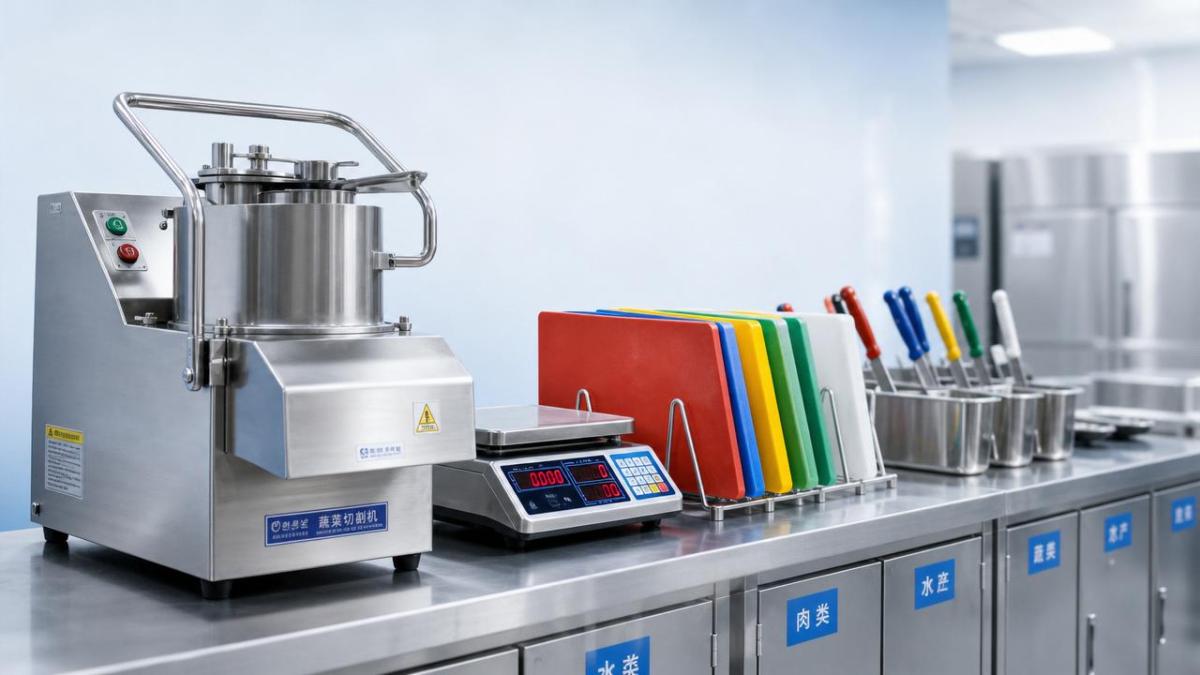
Hospital kitchens operate under tighter controls than many restaurants or hotels. A single production cycle may include regular meals, diabetic menus, low-sodium plans, soft diets, and allergen-sensitive trays. When 200 to 2,000 meals are prepared in a limited 2 to 4 hour window, the wrong tool setup can create bottlenecks, inconsistent portions, and unnecessary handling.
This is where purpose-selected kitchen tools for hospitals become operational assets. They reduce repetitive manual steps, improve portion consistency, and support safer workflows. For example, replacing hand chopping with guarded vegetable processors can reduce cutting time by 40% to 70% in high-volume prep while also lowering knife injury exposure.
Key pressure points in hospital meal preparation
- High meal volumes within fixed service windows
- Frequent menu variation and therapeutic diet requirements
- Strict cleaning intervals between raw and ready-to-eat tasks
- Staff turnover that demands simple, repeatable operating procedures
- Need for reduced manual lifting, slicing, and repetitive strain
What safety managers should evaluate first
Before comparing brands or features, safety teams should map 4 basic factors: contact surface hygiene, operator protection, cleaning time, and workflow fit. A tool that saves 10 minutes in prep but adds 20 minutes in disassembly and sanitation may not improve total kitchen performance. In hospitals, total process time matters more than isolated cutting speed.
The table below outlines the most common prep-stage risks and the type of tools that can reduce them without weakening compliance controls.
The main lesson is straightforward: the best kitchen tools for hospitals reduce handling steps and cleaning complexity at the same time. Quality control teams should therefore assess tools as part of the full prep-and-sanitation cycle, not only as standalone devices.
Which Kitchen Tools for Hospitals Deliver Faster and Safer Prep
Not every kitchen requires the same configuration, but several categories consistently improve productivity in healthcare foodservice. These tools are especially valuable in central kitchens, hospital cafeterias, and patient meal production units where portion consistency and hygiene are closely monitored.
1. Commercial vegetable cutters and food processors
Vegetable cutters are among the most effective kitchen tools for hospitals because they replace labor-intensive chopping, slicing, grating, and dicing. In a medium-volume kitchen, a machine handling 100 to 300 kg per hour can significantly shorten prep time for soups, side dishes, and texture-modified ingredients. Safety managers should prioritize enclosed feed heads, emergency stop functions, and removable parts that can be cleaned in less than 10 minutes.
What to check
- Stainless contact parts and smooth welds
- Interlock systems that prevent operation when covers are open
- Cutting discs for at least 3 to 6 thickness options
- Output matched to daily meal volume, not just peak load
2. Portioning tools and digital scales
Dietary accuracy matters in hospitals. Ladles, scoops, portion spoodles, and digital scales help standardize servings for calorie control, sodium management, and texture compliance. A scale with 1 g to 2 g readability is often sufficient for ingredient verification, while larger bench scales can support bulk batching up to 15 kg or 30 kg. Faster portion control reduces trayline rework and helps maintain consistency across shifts.
3. Color-coded cutting and handling tools
Color-coded boards, knives, tongs, and storage bins are simple but highly effective. They help separate raw protein, produce, allergen-sensitive ingredients, and ready-to-eat foods. For quality control teams, this visual management method improves training speed and supports audit readiness. In facilities with 2 to 3 daily sanitation changes, reducing identification errors can be just as valuable as reducing prep minutes.
4. Ergonomic hand tools for repetitive tasks
Where automation is not practical, ergonomic peelers, grip-assisted knives, anti-slip mixing tools, and lightweight pans can reduce fatigue. This is particularly important in kitchens with aging workforces or staff assigned to repetitive vegetable and trayline tasks for 4 to 6 hours per shift. Better ergonomics often improve both speed and compliance because fatigued staff are more likely to bypass safe methods.
The table below compares common hospital prep tools by speed, safety value, and best-fit application.
For most facilities, the biggest return comes from combining one high-impact motorized tool with several low-cost control tools. This layered approach improves speed without creating difficult cleaning routines or excessive training demands.
How to Select Tools Without Creating New Safety Risks
A faster tool is not always a safer one. Hospital procurement decisions should be based on a 5-point review: hygiene design, operator safety, throughput, cleaning effort, and compatibility with existing workflow. If any one factor fails, prep speed gains may disappear during audits, shift handovers, or corrective actions.
Hygienic design standards to look for
The most suitable kitchen tools for hospitals have non-porous surfaces, minimal crevices, corrosion-resistant materials, and components that can be disassembled without special tools. Cleaning staff should be able to access food-contact zones quickly, especially where puree, starch, dairy, or protein residue may build up within 30 to 60 minutes of use.
Operator safety features that matter
- Guarding or interlocks on moving blades
- Stable bases and anti-slip feet
- Easy-to-read controls with start/stop clarity
- Safe loading methods that keep hands away from cutting zones
- Reasonable lifting weight for parts removed during cleaning
As a practical benchmark, removable components above 7 kg to 10 kg can increase handling strain, especially during wet cleaning. This may influence whether a larger machine truly fits the team using it every day.
Workflow fit and shift-level reality
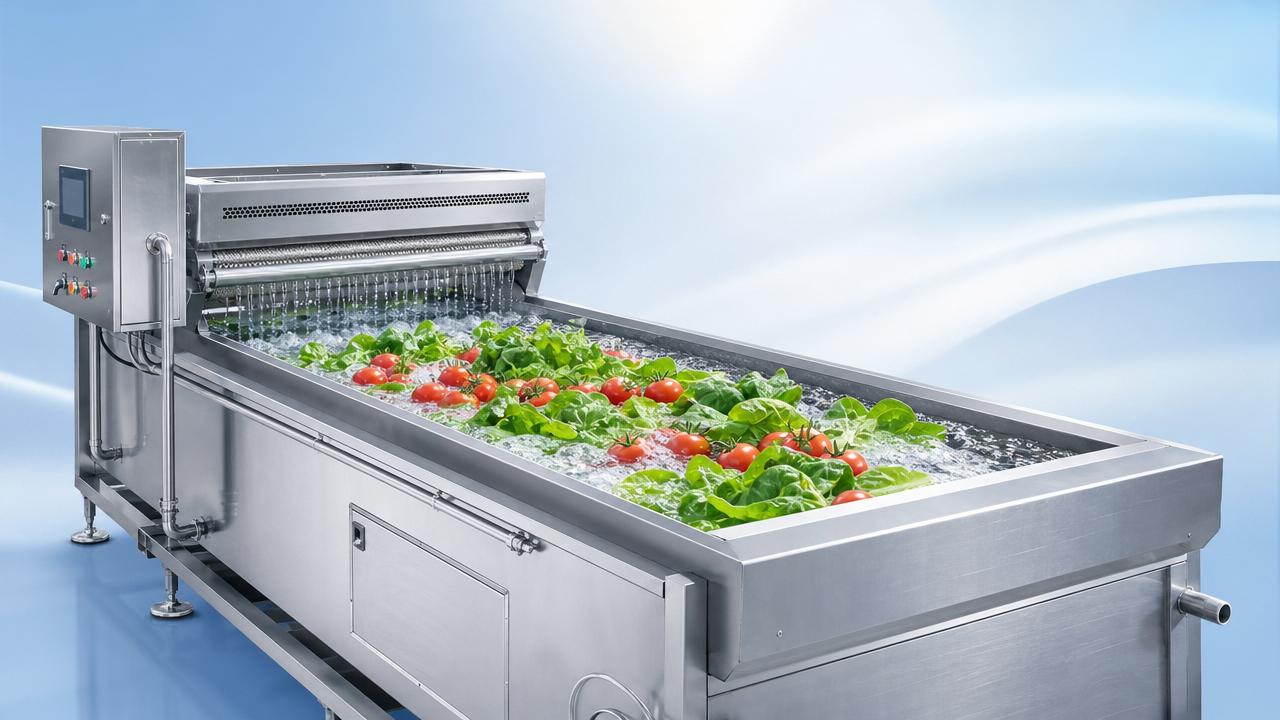
Quality managers should verify how a tool performs across the actual prep sequence: receiving, washing, trimming, processing, holding, and sanitation. A unit with strong hourly capacity may still slow the operation if loading is awkward or if output does not match pan sizes, batch intervals, or cold-chain procedures. In many hospitals, 15 to 20 minutes saved at one station can be lost at the next if transfer and labeling are not integrated.
Implementation, Training, and Maintenance for Consistent Results
Even the best kitchen tools for hospitals will underperform if rollout is rushed. Implementation should include trial use, sanitation validation, operator training, and routine inspection schedules. A structured setup usually takes 2 to 4 weeks from delivery to stable daily use, depending on the complexity of the equipment and the number of departments involved.
A practical 4-step rollout plan
- Run a task analysis to identify the top 3 prep bottlenecks by time and incident exposure.
- Test tool suitability with real menu items such as cooked vegetables, salad mixes, or puree bases.
- Document cleaning instructions, changeover steps, and staff sign-off procedures.
- Review performance after 14 and 30 days using prep time, hygiene findings, and operator feedback.
Maintenance points that affect compliance
Preventive maintenance should not be limited to breakdown response. Blades, seals, gaskets, feet, and switches should be checked on a defined schedule, often weekly for visual inspection and monthly for deeper review in high-use environments. Dull blades increase force requirements, raise injury risk, and lengthen prep time. Loose fittings can also create sanitation concerns and inspection failures.
Common implementation mistakes
- Buying for peak capacity only, without considering cleaning downtime
- Ignoring staff training for part assembly and safe loading
- Using one tool across allergen and non-allergen lines without clear controls
- Failing to document replacement part intervals and wear checks
Procurement Checklist for Quality Control and Safety Teams
When comparing suppliers, ask for practical details rather than general performance claims. The most useful questions focus on sanitation time, replacement part availability, operator safeguards, and compatibility with your menu and batch sizes. In B2B purchasing, decision quality improves when technical review and daily user feedback are combined before final approval.
Questions worth asking before purchase
- How many minutes does standard disassembly and reassembly require?
- Which parts contact food directly, and how are they cleaned?
- What is the realistic hourly output for the ingredients we process most often?
- Are spare blades, seals, or containers available within 7 to 15 days?
- Can the tool support documentation for internal hygiene and safety procedures?
For hospitals that handle diverse therapeutic diets, procurement should favor flexible tools over narrowly specialized devices unless production volume clearly justifies the investment. A modular approach often gives better long-term value because menu cycles, staffing levels, and patient counts can shift over time.
The most effective kitchen tools for hospitals are those that reduce manual effort, support safer handling, and fit established sanitation routines. Commercial vegetable cutters, portion-control tools, color-coded utensils, and ergonomic hand tools all contribute to shorter prep cycles when selected against real workflow conditions rather than catalog descriptions alone.
If you are reviewing hospital kitchen upgrades, now is the right time to assess where prep delays, cross-contact risks, or repetitive strain issues are occurring. Contact us to discuss your operational needs, get a tailored equipment shortlist, and explore safer, more efficient kitchen solutions for hospital foodservice environments.
Popular Tags
Kitchen Industry Research Team
Dedicated to analyzing emerging trends and technological shifts in the global hospitality and foodservice infrastructure sector.
Industry Insights
Join 15,000+ industry professionals. Get the latest market trends and tech news delivered weekly.
No spam. Unsubscribe anytime.
Contact With us
Contact:
Anne Yin (Ceramics Dinnerware/Glassware)
Lucky Zhai(Flatware)