
Vegetable Washer options that cut labor without bruising
For busy kitchens and food prep teams, choosing the right Vegetable Washer can reduce manual labor, protect delicate produce, and improve cleaning consistency. From restaurants to food processing lines, modern options are designed to support faster workflows without bruising leafy greens, tomatoes, or other sensitive vegetables, making daily operations more efficient, hygienic, and easier for operators to manage.
Why do operators struggle with manual washing, and where does a Vegetable Washer help most?
In many commercial kitchens, central kitchens, and light food processing environments, vegetable cleaning still depends on sinks, baskets, spray guns, and repeated handling. That approach looks simple, but it often creates hidden costs. Operators spend more time on rinsing, draining, lifting, and sorting than managers expect. At the same time, fragile produce can be damaged by rough contact, overcrowded tubs, or inconsistent water pressure.
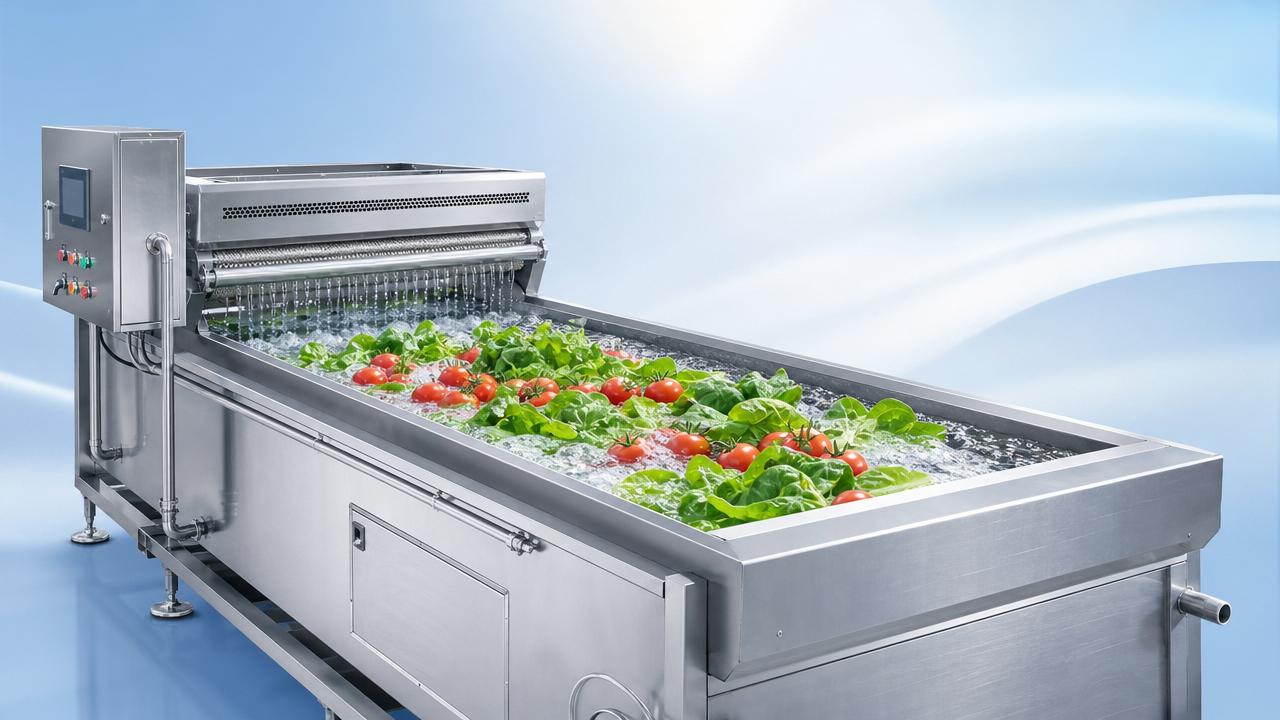
A well-matched Vegetable Washer addresses these issues by combining controlled water movement, better batch handling, and more repeatable cleaning steps. Instead of forcing staff to scrub, soak, and rewash by hand, the machine supports a steadier process. This matters in an industry moving toward automation, smarter equipment, and higher hygiene expectations across restaurants, hotels, catering units, and food processing facilities.
- Labor pressure is reduced because one operator can oversee loading, washing, and unloading instead of manually rinsing every batch.
- Produce loss drops when the washing action is gentle enough for leafy greens, herbs, cherry tomatoes, mushrooms, and cut vegetables.
- Cleaning consistency improves because water flow, wash time, and discharge steps are easier to standardize between shifts.
- Food safety management becomes easier when the washing station is integrated into a more controlled prep workflow.
Typical pain points seen on prep lines
Operators usually notice the problem first. Hands stay in cold water for long periods, vegetables pile up before service, and cleaning quality depends too much on individual technique. In peak hours, staff may overfill tubs or handle produce too aggressively. That can bruise lettuce, split ripe tomatoes, or shorten shelf life after washing.
These issues are not limited to large factories. Even a medium restaurant or hotel kitchen can lose time and product value if washed vegetables arrive at the cutting station too wet, too dirty, or physically damaged. For this reason, a Vegetable Washer is not only a cleaning device; it is part of labor planning, quality control, and workflow design.
Which Vegetable Washer options are best for delicate produce and labor reduction?
Different washing methods suit different products. The right choice depends on whether your priority is protecting fragile leaves, handling root vegetables, increasing throughput, or reducing operator intervention. The comparison below helps operators and buyers match machine style to actual kitchen or processing needs.
For delicate produce, bubble-based or gentle immersion systems are usually the first option to review. They suspend and separate vegetables with less direct mechanical force. For harder products with more soil, rotary or brush-assisted washing can save labor, but these systems should not be used as a one-machine answer for everything.
When a gentle wash matters more than raw throughput
If your kitchen handles salad greens, baby spinach, fresh herbs, bean sprouts, or ripe cherry tomatoes, the machine must be judged by product condition after washing, not only by kilograms per hour. Fast output means little if operators must later remove bruised leaves or leaking tomatoes. In those cases, adjustable flow, smooth tank geometry, and stable discharge are more valuable than aggressive washing force.
What technical features should you check before buying a Vegetable Washer?
Operators often focus on visible size and price first, but long-term usability depends on deeper technical details. A Vegetable Washer that is difficult to clean, noisy to run, or awkward to load may create frustration even if it looks capable on paper. The table below highlights practical parameters that influence labor, product protection, and cleaning performance.
In practical terms, adjustability is often the difference between a useful machine and an oversized compromise. A Vegetable Washer that handles both delicate leaves and firmer vegetables with setting changes can support multi-menu kitchens and mixed production schedules more effectively than a fixed-function unit.
Materials, controls, and hygiene design
Food-contact components are typically expected to use corrosion-resistant materials suitable for wet, high-use environments. Easy-to-wash surfaces and accessible drains matter because prep teams clean these machines daily. Simple digital controls or clearly labeled manual controls also help reduce training time and operator error, especially where staffing changes frequently.
- Look for settings that can be repeated by shift teams without guesswork.
- Check whether the machine supports continuous feed or batch processing based on your prep rhythm.
- Confirm whether wash water management aligns with your sanitation procedure and local water use expectations.
How should different kitchens and processing sites choose the right Vegetable Washer?
Selection should start from the worksite, not from catalog size alone. A hotel prep room, a quick-service restaurant chain, and a vegetable processing workshop all use a Vegetable Washer differently. The most suitable system is the one that fits product mix, floor process, staff capability, and sanitation routine.
Scenario-based selection guide
- For restaurants and hotels with varied menus, choose a compact or mid-capacity unit with adjustable wash intensity and simple controls. Flexibility matters more than industrial-scale output.
- For central kitchens serving multiple outlets, prioritize stable batch repeatability, easier transfer to cutting or packing stations, and lower operator handling between steps.
- For food processing lines, review integration points such as conveyor height, upstream sorting, downstream dewatering, and wash water management.
- For mixed produce programs, avoid selecting a machine based only on root vegetables if fragile leaves are also part of the daily workload.
A common buying mistake is choosing the highest throughput model available, then operating it at low loads with delicate produce. That can still lead to rough product movement, wasted water, and difficult cleaning. Another mistake is underestimating future menu or production expansion. If your product range may grow, ask whether the Vegetable Washer can be configured for different baskets, lifts, discharge options, or flow settings later.
What costs, trade-offs, and alternatives should buyers compare?
Purchase price matters, but it is only part of the decision. Operators and buyers should compare labor hours saved, product loss reduced, cleaning time, and maintenance simplicity. In many kitchens, the real return comes from fewer manual washing steps and less produce damage rather than from pure machine speed.
The table below compares typical decision paths when considering a Vegetable Washer against common alternatives. It helps clarify where manual washing still makes sense and where mechanization brings stronger value.
Where budgets are tight, buyers can begin with a batch-style Vegetable Washer that protects delicate produce and improves standardization. As demand grows, that setup can often be complemented by dewatering, cutting, or conveying equipment instead of replacing the entire wash section immediately.
What compliance and implementation details are often overlooked?
In the kitchen equipment sector, hygiene design, electrical safety, and food-contact suitability deserve attention early in the buying process. Requirements vary by market, but operators should ask practical questions about cleaning procedures, material suitability, drainage, and documentation support. For cross-border sourcing, this becomes even more important because restaurants, hotels, and processors may need equipment details aligned with local inspection or internal supplier approval processes.
Checklist before installation
- Confirm incoming power, water supply, drainage position, and floor loading conditions.
- Check whether the Vegetable Washer fits the current prep flow without creating a bottleneck after washing.
- Review operator cleaning steps at the end of each shift, including filters, tanks, nozzles, and debris collection points.
- Ask for documentation on materials, operating instructions, spare parts, and recommended maintenance intervals.
Implementation should also include basic staff training. Even a gentle washing system can bruise produce if batches are overloaded or unsuitable products are mixed in one cycle. Standard operating instructions help operators load correctly, select the right settings, and inspect results before the vegetables move to cutting, packing, or service prep.
FAQ: what do operators and buyers ask most about a Vegetable Washer?
How do I know if a Vegetable Washer is gentle enough for leafy greens?
Ask how the machine moves the product. Controlled bubbles, soft circulation, shallow drop points, and adjustable discharge are better signs than advertised capacity alone. If possible, test with your real vegetables, especially lettuce, spinach, herbs, and tender cut leaves. The correct machine should clean them without tearing edges or compressing the batch.
Can one Vegetable Washer handle both root vegetables and delicate produce?
Sometimes, but not always well. A flexible machine with adjustable washing intensity may handle a range of products, yet heavy-soil root vegetables often need more aggressive action than salad vegetables can tolerate. If both categories are important, compare whether one configurable system is realistic or whether separate wash stages deliver better quality and less waste.
What should operators watch during daily use?
Watch batch size, water condition, product retention in corners, and discharge impact. Overloading is one of the fastest ways to reduce cleaning quality and increase bruising. Operators should also inspect filters and drains frequently, because trapped leaves or soil can reduce performance over the course of a shift.
Is a Vegetable Washer only for large factories?
No. Many smaller commercial kitchens benefit from a compact Vegetable Washer when labor is tight, menu variety is high, or produce quality must stay consistent across shifts. The key is selecting a machine matched to real daily volume rather than copying a processing-line configuration that is too large for the site.
Why choose us for Vegetable Washer selection and project support?
In a market shaped by automation, hygiene expectations, and rising operational pressure, equipment selection should solve real prep-line problems instead of adding another machine to manage. We support buyers, kitchen managers, and operators with practical guidance based on application needs across restaurants, hotels, central kitchens, and food processing environments.
You can contact us to discuss specific points such as product type, target capacity, delicate produce handling, available floor space, wash method preference, and integration with cutting or packing steps. We can also help review delivery timing, customization options, food-contact material expectations, documentation needs, sample evaluation arrangements, and quotation planning based on your workflow.
- Need help confirming parameters? Share your vegetable types, daily volume, and labor targets.
- Need product selection advice? We can compare compact, batch, and line-based Vegetable Washer options.
- Need delivery and customization details? Ask about layout matching, discharge direction, and operator-side access.
- Need certification or documentation support? We can align discussions around common market and project requirements.
If your goal is to cut labor without bruising produce, the right Vegetable Washer should be judged by workflow fit, gentle handling, and daily usability. Contact us with your operating scenario, and we can help you narrow the most suitable options for cleaning performance, labor savings, and long-term kitchen efficiency.
Popular Tags
Kitchen Industry Research Team
Dedicated to analyzing emerging trends and technological shifts in the global hospitality and foodservice infrastructure sector.
Industry Insights
Join 15,000+ industry professionals. Get the latest market trends and tech news delivered weekly.
No spam. Unsubscribe anytime.
Contact With us
Contact:
Anne Yin (Ceramics Dinnerware/Glassware)
Lucky Zhai(Flatware)