
Restaurant kitchen equipment guide for first-time planning
Planning a foodservice space for the first time can feel overwhelming, especially when balancing budget, workflow, safety, and future growth. This restaurant kitchen equipment guide is designed to simplify that process by breaking equipment planning into practical decisions rather than impulse purchases. From cooking lines and refrigeration to ventilation, prep stations, and smart controls, the goal is to help build a kitchen that works efficiently on day one and remains flexible as demand changes.
The kitchen equipment industry now sits at the intersection of food safety, automation, energy efficiency, and digital management. As restaurants, hotels, central kitchens, and food processing operations modernize, selecting the right equipment is no longer only about price or brand. It is about total performance: capacity, durability, cleaning requirements, compliance, repair access, and integration with future systems. A strong restaurant kitchen equipment guide should therefore help compare options in a structured way and reduce the risk of costly mistakes.
Why a structured restaurant kitchen equipment guide matters
First-time planning often fails when decisions are made item by item without considering the full kitchen flow. A refrigerator may fit the budget, but if it slows prep movement, increases door openings, or conflicts with food safety zoning, the hidden cost becomes much higher. Using a structured restaurant kitchen equipment guide creates a practical framework for evaluating how each piece supports production, labor efficiency, sanitation, and long-term operating cost.
This approach also supports better communication with contractors, designers, installers, and equipment suppliers. Instead of discussing products in isolation, it becomes easier to compare specifications, utility requirements, and operational priorities. In a market shaped by smart kitchen technologies, automated cooking systems, and energy-efficient appliances, a checklist-based process improves clarity and helps avoid overbuying, underbuying, or selecting equipment that cannot scale with the business.
Essential planning points before choosing equipment
- Define menu output, service volume, and peak-hour demand before comparing equipment sizes, because production capacity should match actual throughput rather than estimated ambition.
- Map kitchen workflow from receiving to storage, prep, cooking, plating, and cleaning so every major appliance supports movement without creating cross-traffic or delays.
- Confirm utility availability for gas, electric, water, drainage, and ventilation early, since incompatible site conditions often increase installation costs more than the equipment itself.
- Prioritize food safety zoning by separating raw, cooked, allergen-sensitive, and cleaning areas to reduce contamination risks and simplify compliance procedures.
- Compare total cost of ownership, including maintenance, spare parts, cleaning time, and energy use, instead of evaluating only the initial purchase price.
- Check equipment dimensions carefully, including door swing, operator clearance, and service access, because a machine that fits on paper may fail in daily use.
- Select durable materials such as commercial-grade stainless steel where possible, especially in high-moisture or high-heat areas that accelerate wear and sanitation issues.
- Review cleaning and maintenance needs in advance, since hard-to-clean equipment often increases labor time, hygiene risks, and long-term operating costs.
- Plan for future expansion by leaving room for extra refrigeration, prep stations, or automated systems if the menu or service model is likely to evolve.
- Verify local compliance standards for fire safety, food hygiene, ventilation, and electrical installation to prevent redesigns, delays, or failed inspections.
Core equipment categories to review in any restaurant kitchen equipment guide
Cooking equipment
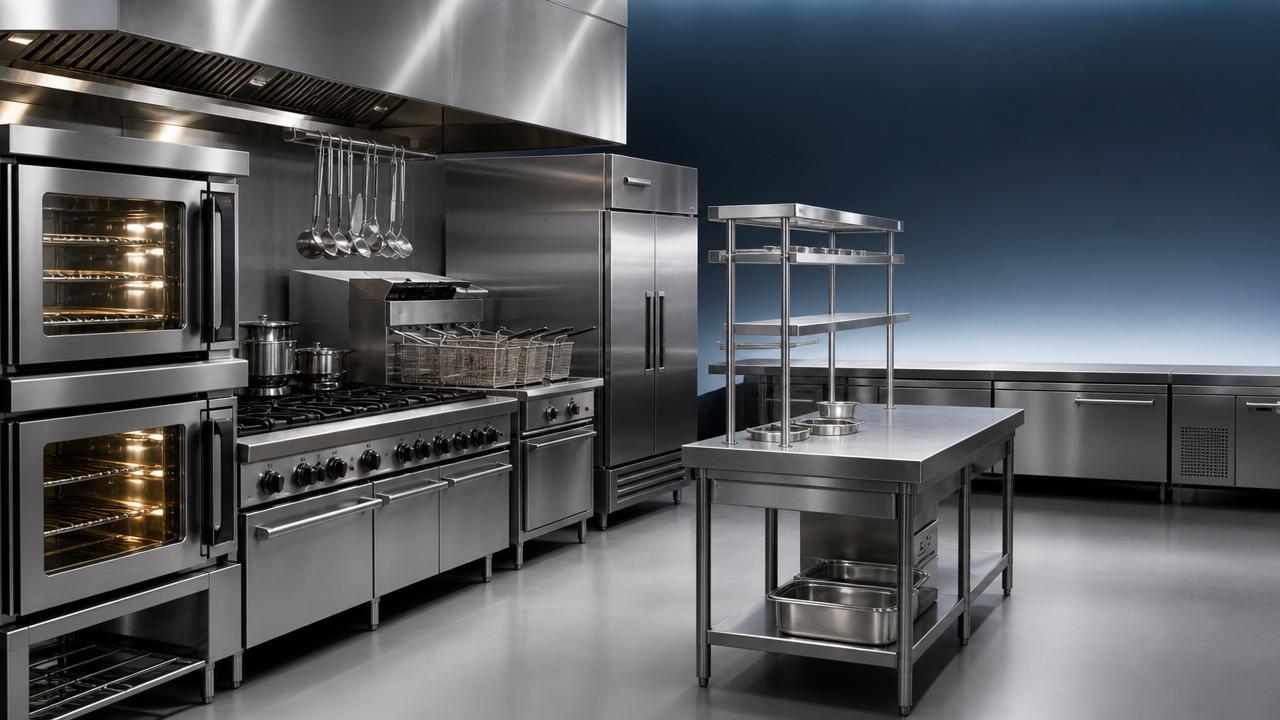
The cooking line usually defines the heart of the kitchen. Typical choices include ranges, ovens, fryers, griddles, charbroilers, steamers, and combi ovens. Selection depends on menu style, speed of service, batch size, and consistency requirements. A compact fast-casual concept may need a smaller but highly efficient line, while a full-service operation may require multi-station flexibility. In any restaurant kitchen equipment guide, cooking appliances should be evaluated not only for output but also for heat load, cleaning needs, and compatibility with hood systems.
Refrigeration and cold storage
Reach-in refrigerators, undercounter units, freezers, walk-ins, and blast chillers support both food quality and safety. The right storage solution depends on delivery frequency, ingredient turnover, and prep patterns. An effective restaurant kitchen equipment guide should account for temperature stability, interior layout, door-opening frequency, and how close cold storage is to prep or service areas. Poor cold chain planning increases spoilage, slows production, and raises energy use.
Preparation equipment and worktables
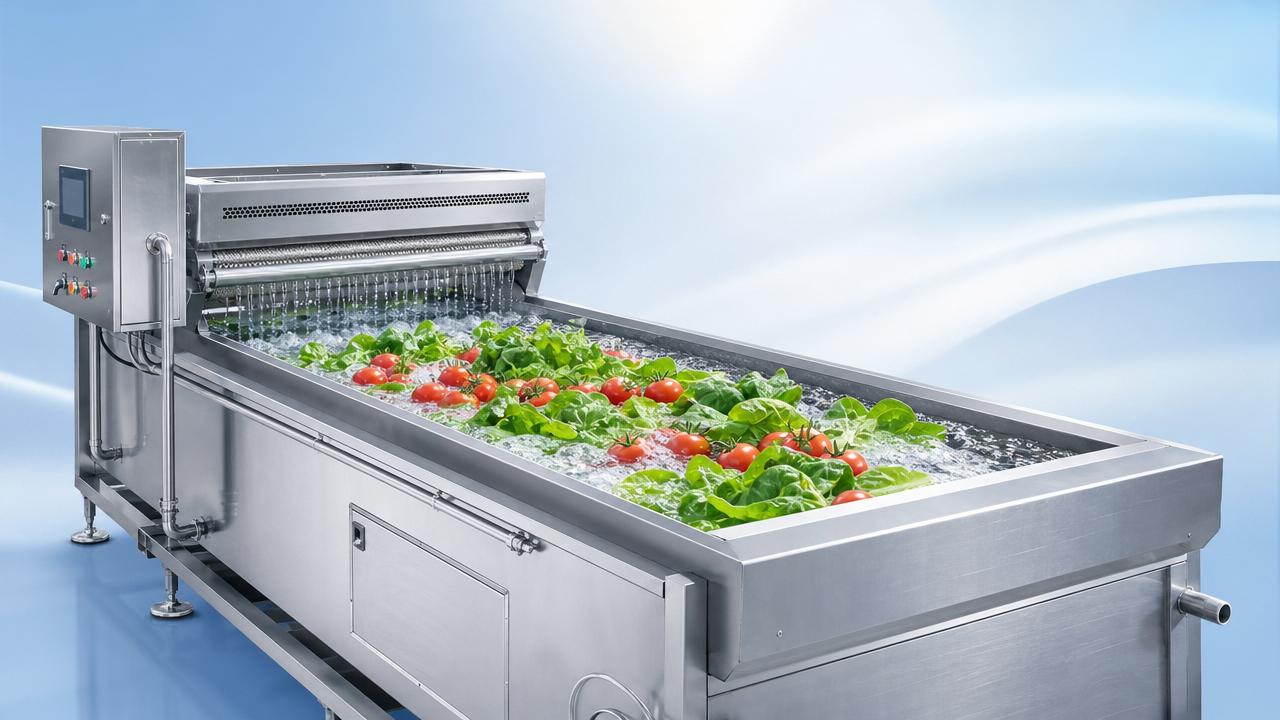
Prep equipment includes slicers, mixers, food processors, vegetable cutters, weighing tools, sinks, and stainless worktables. These tools are often underestimated because they look less expensive than major cooking appliances, yet they heavily influence labor efficiency and product consistency. Proper prep capacity prevents bottlenecks, especially during peak periods and batch production windows.
Ventilation, warewashing, and sanitation
Ventilation systems, dishwashers, grease management, handwashing stations, and sanitation equipment are non-negotiable. They affect safety, inspection readiness, staff comfort, and daily throughput. In modern kitchens, energy-efficient ventilation and water-saving dishwashing systems are becoming more important because operating cost control is now a major part of equipment planning.
How needs change across different foodservice settings
Small independent restaurant
For a smaller space, the best restaurant kitchen equipment guide focuses on multifunctionality and footprint efficiency. Undercounter refrigeration, combi ovens, compact prep tables, and modular cooking units often provide better value than larger single-purpose machines. The key check points are whether one station can support multiple menu tasks and whether equipment placement shortens staff movement.
Storage is another pressure point in smaller kitchens. Choosing shelving, mobile racks, and vertical solutions can improve space use without overcrowding the line. Compact does not mean underpowered; it means every item must justify its space.
Hotel or high-volume service kitchen
A larger operation usually needs redundancy, higher batch capacity, and stronger separation between prep, banquet production, room service, and warewashing. In this setting, a restaurant kitchen equipment guide should emphasize output consistency, holding capacity, cold storage planning, and maintenance accessibility. Downtime on one critical machine can disrupt multiple service channels.
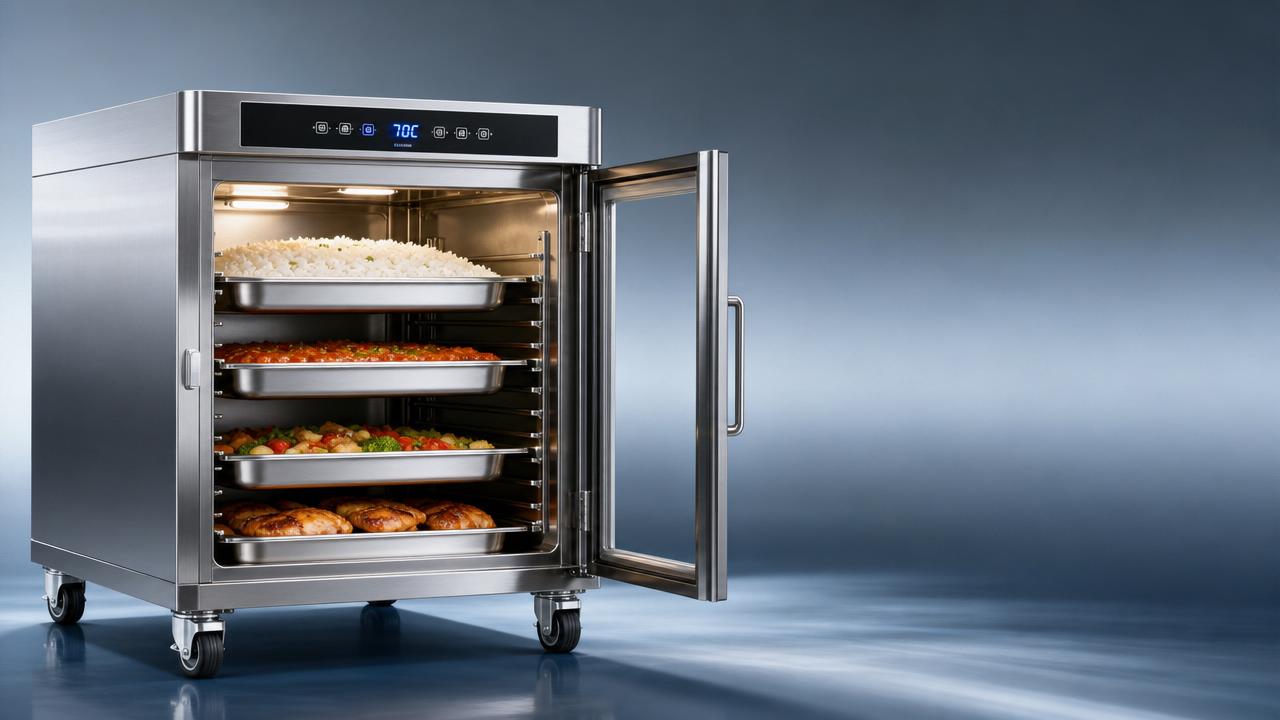
Integrated systems are also more valuable here. Smart ovens, temperature monitoring, and digital kitchen management can help standardize results across teams and shifts while supporting traceability and energy control.
Central kitchen or food processing support operation
When production serves multiple outlets, the focus shifts toward scalable output, process consistency, and food safety documentation. Automated food processing equipment, portioning systems, blast chilling, packaging tools, and larger cold storage become more relevant. This type of environment benefits from a restaurant kitchen equipment guide that includes throughput measurement, batch timing, and traceability requirements.
Common oversights that create expensive problems
One common mistake is buying equipment based on promotional pricing without understanding installation complexity. A lower-priced oven may require electrical upgrades, additional ventilation, or custom spacing that erases the savings. Reviewing site readiness should always come before final selection.
Another overlooked issue is maintenance access. Equipment packed too tightly against walls or other units may look efficient during planning but becomes difficult to clean or service. This raises hygiene risks and shortens usable life.
Many first-time plans also underestimate the importance of holding, staging, and transfer zones. Food may be prepared correctly, but without enough landing space near ovens, fryers, or plating stations, service slows down and quality suffers during rush periods.
Ignoring energy consumption is another long-term risk. As the kitchen equipment industry moves toward energy-efficient kitchen solutions, selecting outdated models can increase utility costs for years. Energy performance should be treated as an operating decision, not a marketing feature.
Finally, some plans overlook future digital integration. Even if advanced automation is not needed immediately, equipment that supports smart monitoring, programmable settings, or data connectivity can make future upgrades much easier.
Practical execution steps for better equipment decisions
- Start with a menu and production map, then build the equipment list around required actions, temperatures, batch sizes, and service timing.
- Create three priority groups: essential for opening, useful within six months, and optional for future growth or automation upgrades.
- Request specification sheets for every shortlisted item and compare dimensions, power, ventilation, cleaning method, and warranty terms side by side.
- Measure the full route from delivery entrance to final installation point so large equipment can be moved safely without site modifications.
- Review whether each machine reduces labor, improves consistency, supports food safety, or lowers utility use before approving the investment.
- Document preventive maintenance intervals and spare part availability early to avoid downtime after opening and support stable daily operations.
FAQ about first-time kitchen planning
How much equipment should be purchased before opening?
Buy enough to support the opening menu, peak-hour service, and basic redundancy for critical cold storage or sanitation. A restaurant kitchen equipment guide should help separate essential items from nice-to-have upgrades.
Is energy-efficient equipment worth the higher price?
In many cases, yes. Lower utility costs, reduced heat output, and possible gains in reliability can improve long-term value, especially in high-use kitchens.
Should smart kitchen equipment be considered from the start?
If the budget allows, smart features such as programmable cooking, remote temperature alerts, and performance tracking can support consistency and easier management. They are especially relevant as the global kitchen equipment industry continues moving toward intelligent and integrated systems.
Final thoughts and next actions
A reliable restaurant kitchen equipment guide does more than list products. It helps translate menu goals, space limits, food safety needs, and growth plans into smarter equipment choices. In a market increasingly shaped by automation, energy efficiency, and digital control, success comes from evaluating how each item performs within the whole system rather than as a standalone purchase.
The most effective next step is to turn this restaurant kitchen equipment guide into a working document: list required functions, rank priorities, confirm utilities, and compare shortlisted equipment by capacity, footprint, cleaning, compliance, and lifetime cost. That process creates a stronger foundation for a kitchen that is safe, efficient, durable, and ready for future demands.
Popular Tags
Kitchen Industry Research Team
Dedicated to analyzing emerging trends and technological shifts in the global hospitality and foodservice infrastructure sector.
Industry Insights
Join 15,000+ industry professionals. Get the latest market trends and tech news delivered weekly.
No spam. Unsubscribe anytime.
Contact With us
Contact:
Anne Yin (Ceramics Dinnerware/Glassware)
Lucky Zhai(Flatware)