
Restaurant kitchen equipment requirements for new openings
Understanding restaurant kitchen equipment requirements is no longer just a planning task for opening day. It has become a strategic decision shaped by food safety regulation, labor pressure, energy costs, digital operations, and rising customer expectations for speed and consistency. For new restaurants, the kitchen setup determines more than cooking capacity; it affects compliance, workflow, maintenance risk, menu flexibility, and long-term profitability. A well-designed equipment plan helps reduce waste, improve output, and create a kitchen that can adapt as business conditions change.
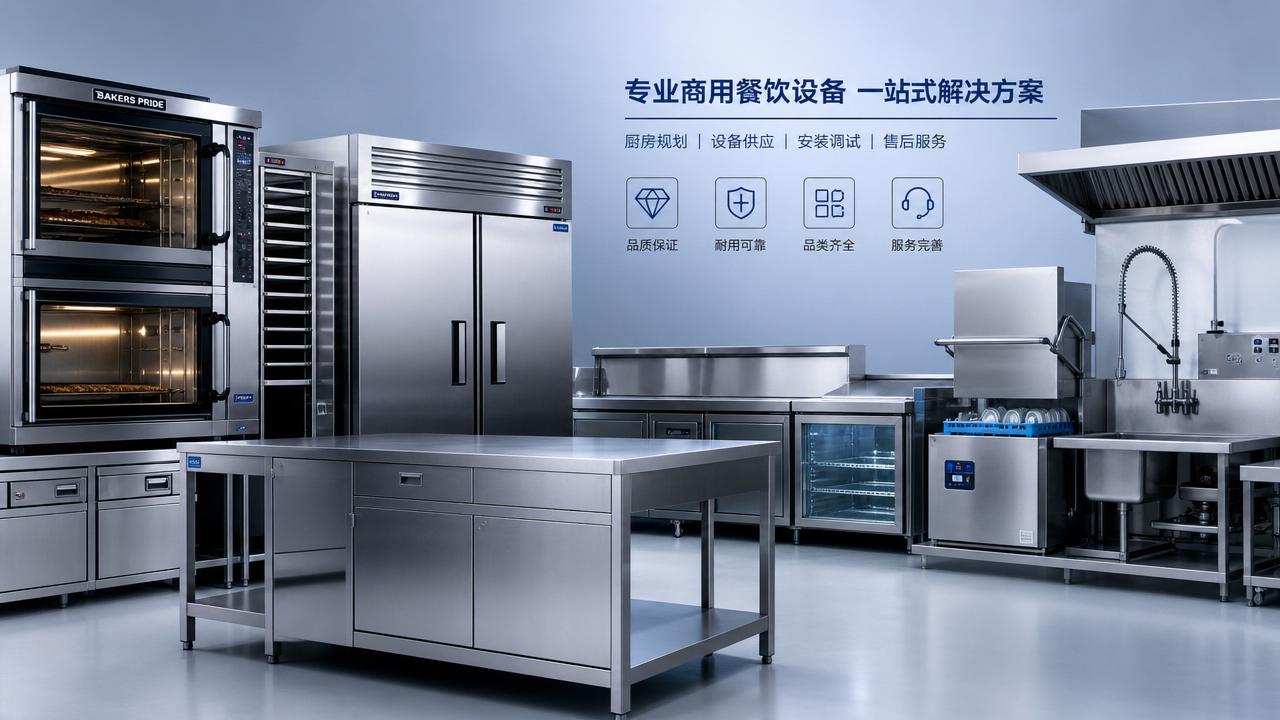
Across the broader kitchen equipment industry, the shift toward automation, intelligent monitoring, and energy-efficient systems is changing how new foodservice spaces are designed. Commercial kitchens are expected to produce more with fewer errors, tighter footprints, and greater traceability. That is why restaurant kitchen equipment requirements now include not only core appliances such as ranges, ovens, refrigerators, and prep tables, but also ventilation performance, sanitation design, utility compatibility, and data-driven control features.
Why restaurant kitchen equipment requirements are changing for new openings
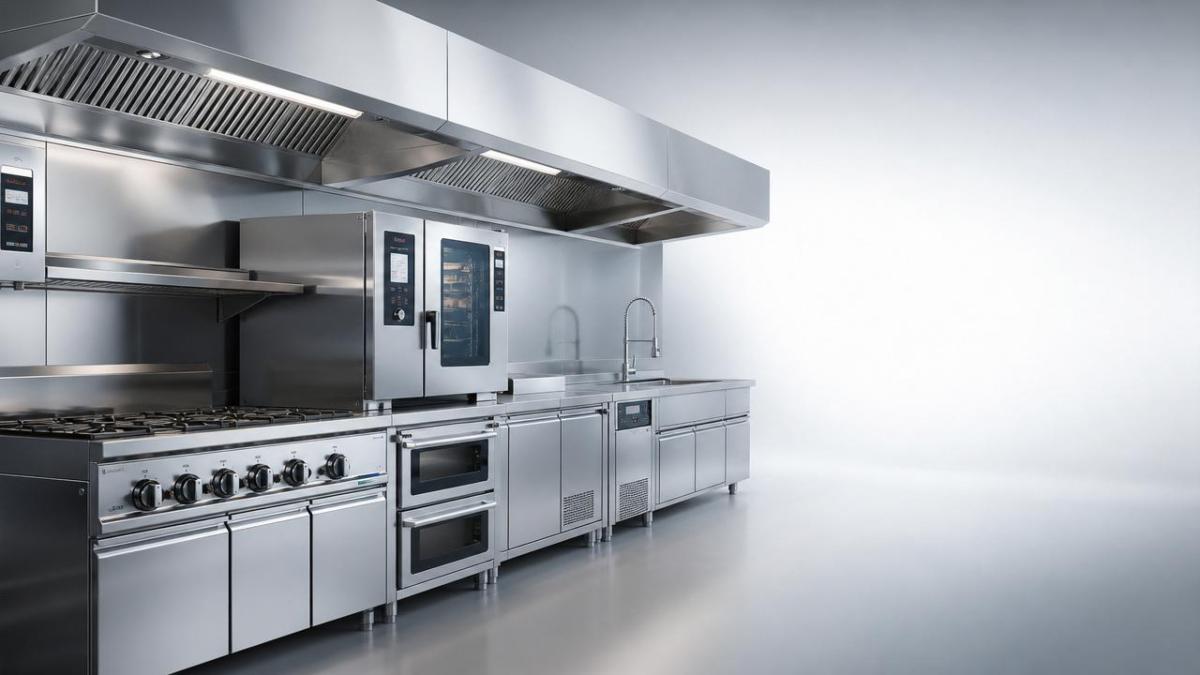
The most important shift is that kitchen equipment is being evaluated as an operating system rather than a collection of individual machines. In the past, many openings focused mainly on cooking output and upfront cost. Today, restaurant kitchen equipment requirements are influenced by broader concerns: local health codes, fire suppression standards, energy targets, menu complexity, staffing shortages, delivery demand, and the need for predictable food quality across every service period.
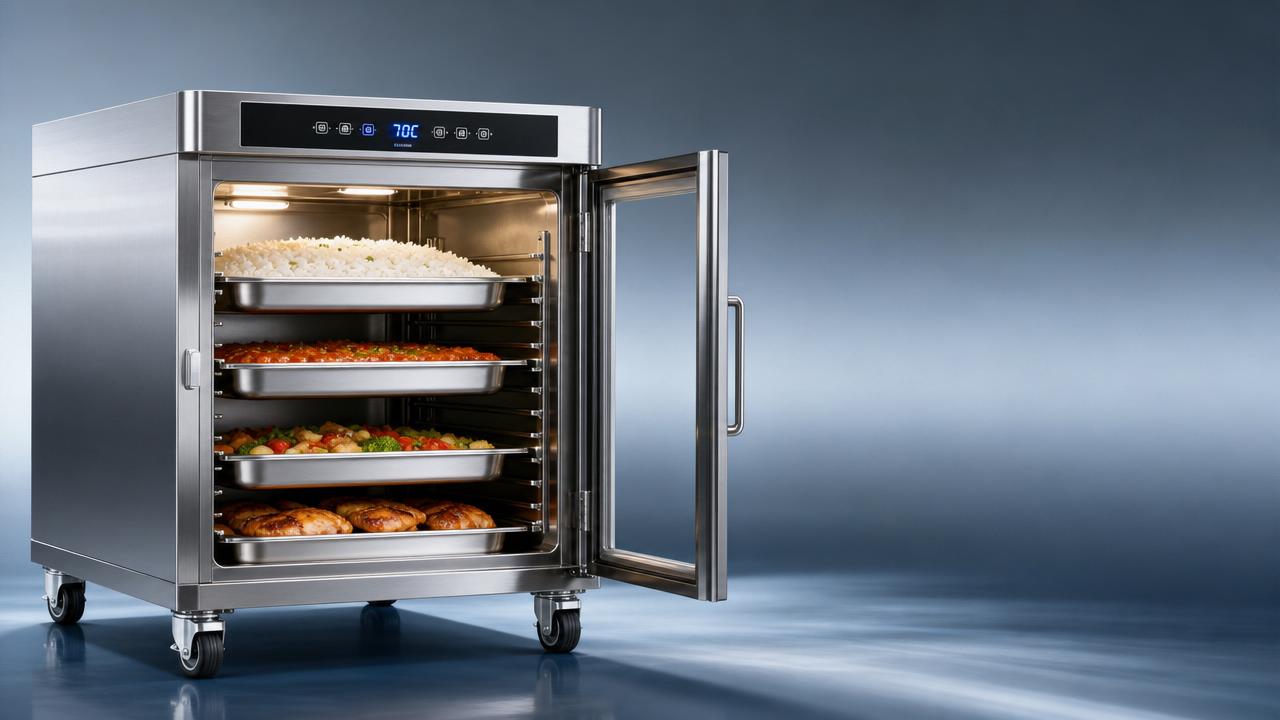
Another visible trend is the move toward modular and scalable layouts. New restaurants often start with a tighter capital budget, but they still need room for growth. Equipment decisions now favor combinations that support multiple cooking methods, easier maintenance access, and future upgrades. This applies to combi ovens, induction cooking, undercounter refrigeration, programmable holding cabinets, and smart dishwashing systems. As a result, modern restaurant kitchen equipment requirements are more performance-based and less centered on buying the largest possible unit.
The market signals behind today’s equipment expectations
Several market signals explain why new openings must treat restaurant kitchen equipment requirements as a forward-looking decision. The expansion of delivery and takeout has increased demand for holding, packaging, and workflow separation. Utility costs have made energy efficiency a measurable advantage, not a branding message. At the same time, food safety standards are stricter, and many operators want equipment that simplifies temperature logging, cleaning routines, and preventive maintenance.
The kitchen equipment sector itself is also evolving quickly. Manufacturers in China, Germany, Italy, Japan, and other major supply hubs are introducing more digitally connected, energy-saving, and labor-supportive solutions. This broader industrial transformation means buyers opening a restaurant today can choose from equipment categories that were once limited to large chains or institutional kitchens. In practical terms, restaurant kitchen equipment requirements are becoming more sophisticated because the available technology has improved and market expectations have risen.
What is driving these restaurant kitchen equipment requirements
The forces behind modern restaurant kitchen equipment requirements can be summarized clearly:
These drivers show that restaurant kitchen equipment requirements are no longer defined only by the cuisine type. They are shaped by the full operating environment, from utility infrastructure and staffing models to customer ordering patterns and sustainability goals.
How these requirements affect kitchen design, operations, and investment
For kitchen design, the biggest impact is on layout logic. Equipment must support a clean movement path from receiving and storage to prep, cooking, holding, plating, washing, and waste handling. If the layout ignores these operational sequences, even high-quality equipment can create bottlenecks. That is why effective restaurant kitchen equipment requirements must include space planning, service access, ventilation clearance, drainage, and utility load calculations.
For daily operations, equipment choices influence speed, consistency, and training time. A new opening with programmable ovens, clear refrigeration zoning, and ergonomic prep stations can reduce human error and improve output during rush periods. Conversely, poorly matched equipment can create temperature risks, cleaning delays, and expensive downtime. In financial terms, this means restaurant kitchen equipment requirements should be measured against lifecycle cost, not simply purchase price.
- Cooking equipment affects menu execution, throughput, and recovery time between service peaks.
- Refrigeration and cold storage affect food safety, stock rotation, and ingredient waste.
- Ventilation systems affect staff comfort, fire safety, and overall kitchen compliance.
- Dishwashing and sanitation systems affect labor allocation, hygiene performance, and closing efficiency.
- Smart monitoring tools affect maintenance response and traceability.
The core equipment areas that deserve the closest attention
When reviewing restaurant kitchen equipment requirements for a new opening, a few categories deserve special attention because they create the strongest operational impact.
Cooking line and heat production
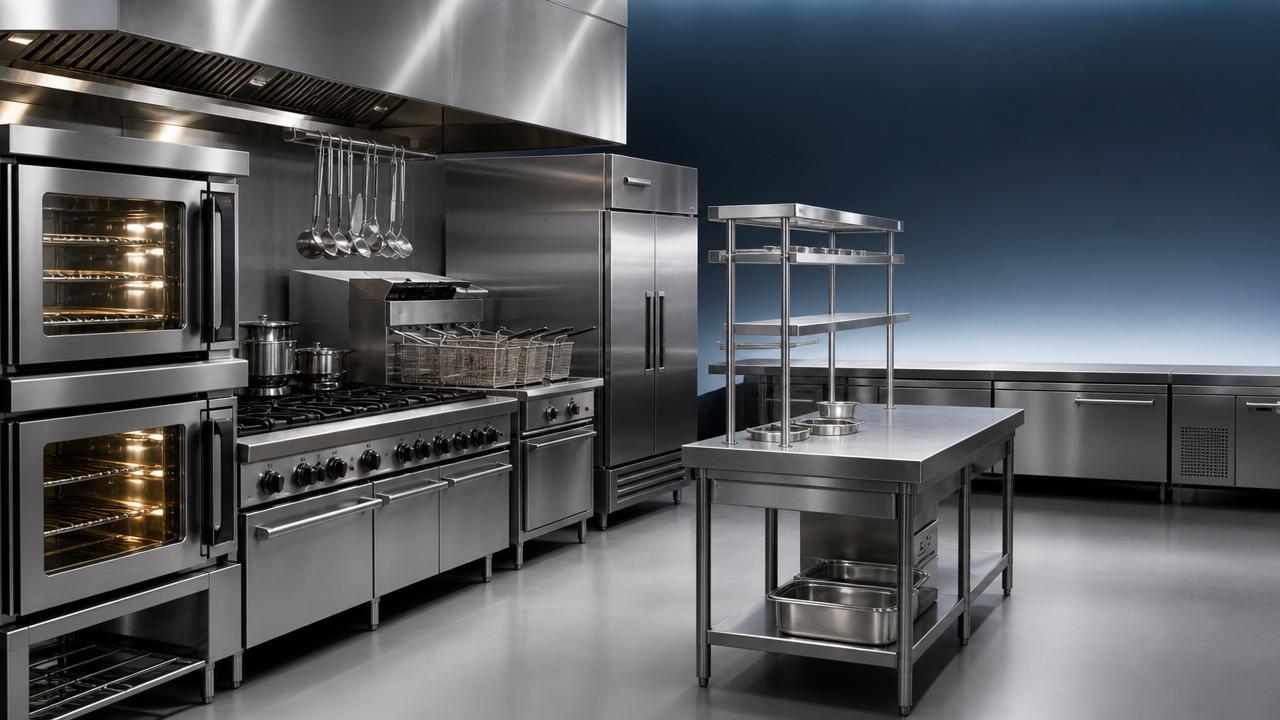
Choose equipment based on menu flow, peak volume, and speed of recovery, not only on rated capacity. Ranges, fryers, griddles, combi ovens, steamers, and induction units should align with real production sequences. Multi-function equipment can reduce footprint and utility demand.
Refrigeration and cold chain control
Walk-in coolers, reach-in refrigerators, freezers, prep counters, and blast chilling options should support safe storage temperatures and smooth ingredient access. Reliable cold chain management is one of the most critical restaurant kitchen equipment requirements because failures directly affect compliance and product loss.
Ventilation, exhaust, and fire protection
Ventilation must be matched to cooking load, local code, and air balance needs. Hood systems, grease filtration, make-up air, and suppression systems should be planned together rather than added separately later.
Washing, sanitation, and surfaces
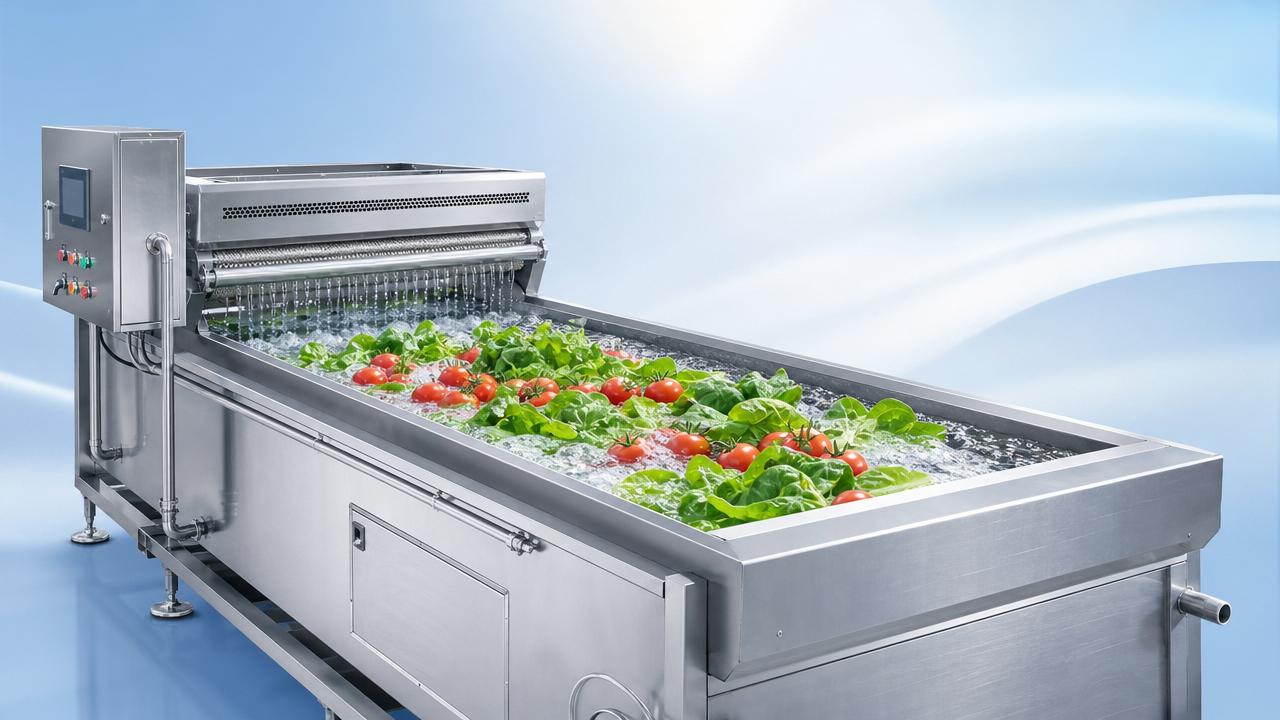
Commercial sinks, dishwashers, handwash stations, drainage, and stainless work surfaces support hygiene and speed. Easy-to-clean design reduces contamination risk and saves labor over time.
What to prioritize before finalizing restaurant kitchen equipment requirements
Before making final selections, focus on the following priorities:
- Compliance fit: Confirm health, gas, electrical, fire, and ventilation requirements early.
- Menu compatibility: Make sure every major menu item has a practical production path.
- Utility readiness: Check voltage, gas pressure, water supply, drainage, and exhaust capacity before purchase.
- Energy performance: Compare total operating cost, not only acquisition cost.
- Maintenance access: Leave enough clearance for cleaning, repairs, and replacement parts.
- Workflow efficiency: Prevent cross-traffic between raw prep, cooking, and dish return.
- Scalability: Plan for future menu adjustments, delivery growth, or volume increases.
These priorities help convert broad restaurant kitchen equipment requirements into a practical investment framework. They also reduce the risk of buying equipment that looks suitable on paper but performs poorly in a real service environment.
A practical framework for evaluating next steps
In the current market, the best response to changing restaurant kitchen equipment requirements is to combine compliance, efficiency, and adaptability from the start. New openings that treat kitchen equipment as a long-term operational asset are better positioned to control costs, protect food quality, and respond to market shifts. The next practical step is to translate your menu, space, and projected volume into a detailed equipment matrix, then validate every item against code, utilities, workflow, and total ownership cost before procurement begins.
Popular Tags
Kitchen Industry Research Team
Dedicated to analyzing emerging trends and technological shifts in the global hospitality and foodservice infrastructure sector.
Industry Insights
Join 15,000+ industry professionals. Get the latest market trends and tech news delivered weekly.
No spam. Unsubscribe anytime.
Contact With us
Contact:
Anne Yin (Ceramics Dinnerware/Glassware)
Lucky Zhai(Flatware)