
Restaurant kitchen equipment for food trucks: what fits
Choosing the right restaurant kitchen equipment for food trucks is becoming more strategic as mobile foodservice evolves from simple street vending to highly branded, efficiency-driven operations. Space limits, power constraints, ventilation rules, and food safety requirements are pushing operators to think beyond basic appliance fit. In today’s market, the best restaurant kitchen equipment for food trucks must support speed, consistency, menu flexibility, and energy control at the same time. As smart, compact, and multifunctional equipment gains traction across the broader kitchen equipment industry, food trucks are becoming an important testing ground for practical innovation.
Why space-smart kitchen design is reshaping food truck equipment choices
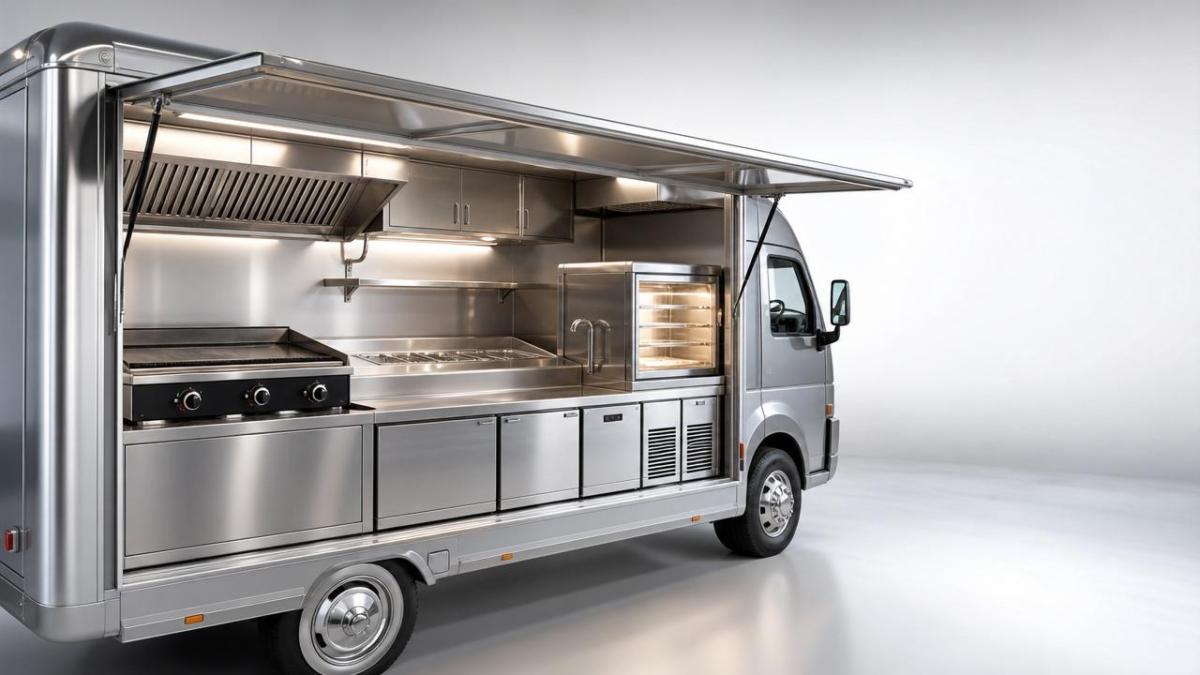
The shift is clear: food truck kitchens are no longer equipped by simply shrinking a restaurant layout. Instead, equipment selection now starts with workflow mapping. Every inch must justify itself, and every appliance must contribute to production speed, safe holding temperatures, and lower maintenance risk. This is why restaurant kitchen equipment for food trucks increasingly favors compact footprints, vertical storage integration, and combination functions.
At the same time, customer expectations are rising. Mobile concepts now compete not only on flavor but also on consistency, service time, and visible cleanliness. As a result, operators are replacing oversized or single-purpose units with modular griddles, undercounter refrigeration, slim prep tables, and ventless or low-emission options where regulations permit. The broader kitchen equipment sector’s move toward automation, intelligence, and energy efficiency is directly influencing what fits and what performs inside a truck.
Key trend signals behind restaurant kitchen equipment for food trucks
Several market signals explain why demand is changing. Buyers are not just asking what can be installed; they are asking what equipment can protect margins and support reliable service under mobile conditions. The following factors are shaping the next generation of restaurant kitchen equipment for food trucks:
- Menu specialization: Many trucks now focus on tacos, burgers, fried snacks, coffee, noodles, or gourmet sandwiches, which increases the need for tailored equipment configurations.
- Energy awareness: Rising fuel and utility costs make low-consumption refrigerators, induction units, and efficient holding equipment more attractive.
- Food safety pressure: Temperature control, easy-clean surfaces, and separation between raw and ready-to-serve zones have become essential.
- Labor efficiency: Small crews need intuitive equipment that reduces training time and supports faster output during rush periods.
- Regulatory complexity: Local codes on fire suppression, hood systems, wastewater, and refrigeration standards affect what truly fits in a legal sense.
- Compact innovation: Equipment makers are offering slimmer, lighter, and multifunctional models designed for tight commercial environments.
What “fits” now means in a modern food truck kitchen
In practice, “fits” no longer refers only to physical dimensions. For restaurant kitchen equipment for food trucks, fit now means five things working together: physical size, power compatibility, ventilation demands, production capacity, and service flow. A countertop fryer may technically fit the line, but if it overloads the generator or creates congestion during service, it is the wrong choice. Likewise, a large prep fridge may add storage but slow movement and cleaning.
This broader definition is changing how mobile kitchens are designed. Equipment selection increasingly starts with the menu, peak order volume, and cleaning routine, then moves backward into layout and utility planning. That is a smarter decision path than choosing units one by one.
Which equipment categories most often fit mobile restaurant operations
The most effective restaurant kitchen equipment for food trucks usually belongs to a few high-value categories. The goal is to balance production output with limited space and safe mobility.
Other useful options include microwaves for finishing, compact sinks that meet sanitation rules, wall-mounted shelving, and point-of-service warming equipment. For some concepts, induction cooktops and combi-style compact ovens may also make sense if the power system can support them.
What is driving the move toward compact, multifunctional systems
The trend toward multifunctional restaurant kitchen equipment for food trucks is not accidental. It reflects broader change across the kitchen equipment industry, where users demand more output from less space and lower operating cost. Food trucks intensify that need because every additional appliance adds weight, cleaning time, and utility complexity.
- Higher return per square foot: Multifunction units help generate more sales from limited workspace.
- Faster service flow: Combining storage, prep, and holding functions reduces movement and ticket times.
- Lower maintenance burden: Fewer separate machines can mean fewer failure points and simpler sanitation routines.
- Improved mobility: Equipment designed for vibration resistance and compact installation performs better on the road.
- Stronger sustainability performance: Efficient systems reduce power draw, heat output, and food waste.
How equipment choices affect operations, safety, and business performance
Selecting the right restaurant kitchen equipment for food trucks has a direct effect on workflow quality. A well-planned layout reduces cross-traffic between cooking, assembly, payment, and cleaning. This improves output during rush periods and lowers the risk of errors. It also supports safer movement in a compact, high-heat environment where slips, burns, and contamination can happen quickly.
Business performance is equally tied to equipment fit. Refrigeration that holds stable temperatures protects product quality and compliance. Cooking equipment with reliable heat recovery improves speed and consistency. Smart energy choices reduce generator strain and fuel use. Over time, these factors matter as much as purchase price. In many cases, the most effective restaurant kitchen equipment for food trucks is the option that lowers total operating friction rather than the unit with the lowest upfront cost.
Common mistakes that reduce equipment fit
- Choosing based only on dimensions without checking ventilation, clearance, and service access.
- Overloading the truck with too many cooking stations for a narrow menu.
- Ignoring weight distribution and mobility-related installation needs.
- Selecting residential-style products instead of commercial-grade mobile solutions.
- Underestimating cleaning requirements and sanitation workflow.
What deserves the closest attention before finalizing a food truck setup
Before committing to a layout, several checkpoints help confirm whether restaurant kitchen equipment for food trucks will truly perform in daily use:
- Menu-to-equipment alignment: Match each appliance to actual sales drivers, not hypothetical future items.
- Peak-hour capacity: Calculate throughput for the busiest service periods, not average demand.
- Utility planning: Confirm power, gas, water, and waste requirements before installation.
- Ease of cleaning: Prioritize stainless steel surfaces, removable parts, and accessible corners.
- Compliance readiness: Verify local health, fire, and mobile vending requirements early.
- Serviceability: Choose equipment with available parts and support to reduce downtime.
A practical way to judge what fits next
The future of restaurant kitchen equipment for food trucks will likely center on smarter controls, better energy efficiency, easier sanitation, and modular design. For mobile food businesses, the strongest next step is to evaluate equipment as a complete operating system rather than a list of individual products. Review the menu, test service flow, confirm utilities, and prioritize compact commercial solutions that improve speed and reliability. When equipment truly fits the truck, the business gains more than space savings—it gains a more stable path to quality, compliance, and growth.
Popular Tags
Kitchen Industry Research Team
Dedicated to analyzing emerging trends and technological shifts in the global hospitality and foodservice infrastructure sector.
Industry Insights
Join 15,000+ industry professionals. Get the latest market trends and tech news delivered weekly.
No spam. Unsubscribe anytime.
Contact With us
Contact:
Anne Yin (Ceramics Dinnerware/Glassware)
Lucky Zhai(Flatware)