
Restaurant Kitchen Counter Height and the Cost of Bad Ergonomics
In a commercial kitchen, counter height is not a minor detail. It affects prep speed, worker fatigue, product quality, safety, and even staff retention. If a work surface is too low, employees bend and strain their backs. If it is too high, shoulders and wrists take the load. Over a full shift, that small mismatch turns into slower output, more mistakes, more discomfort, and a higher risk of injury claims. For restaurant operators, buyers, and planners, the cost of bad ergonomics is often much higher than the cost of getting the design right in the first place.
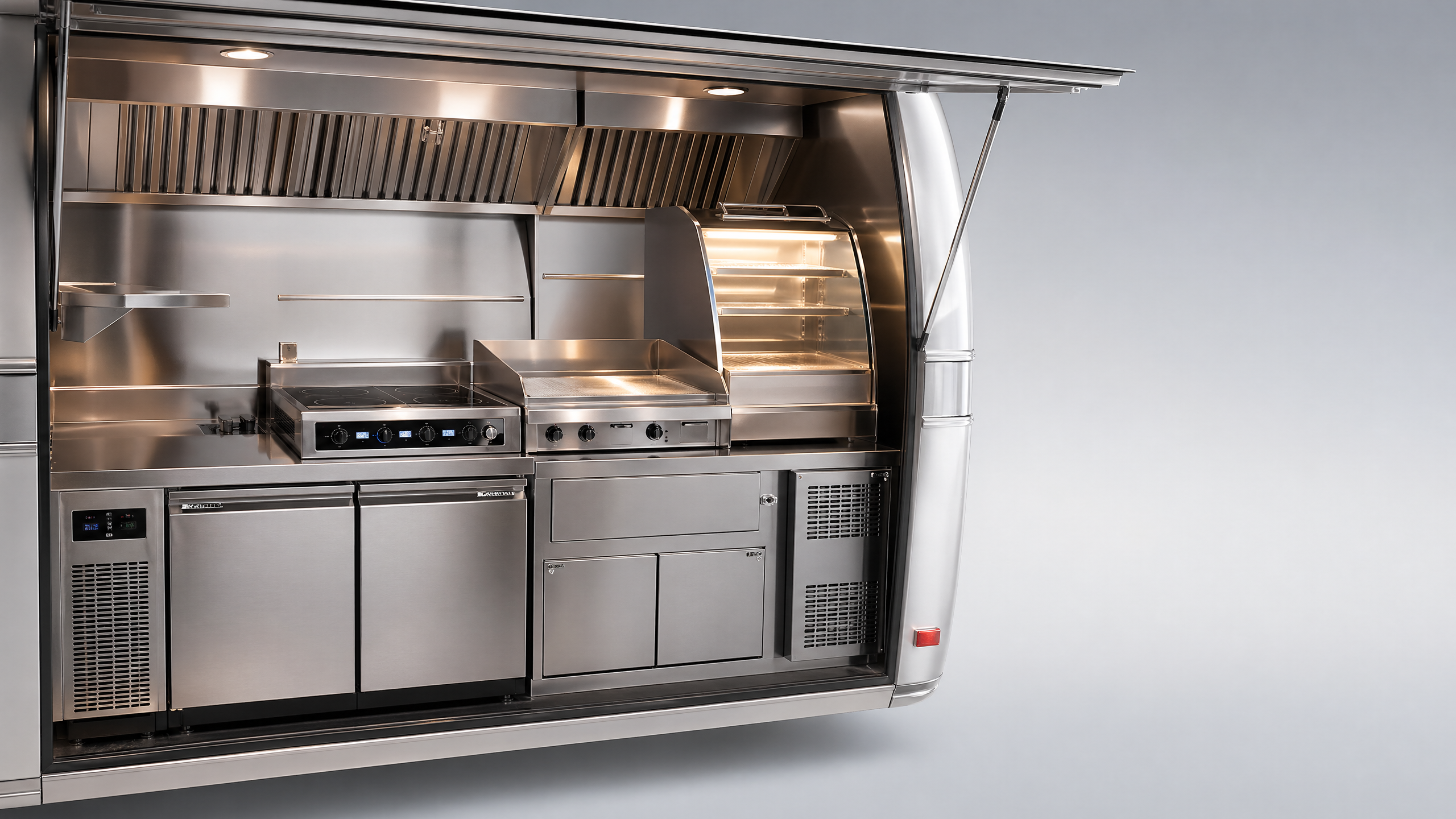
That is why restaurant kitchen counter height should be treated as a performance decision, not only a construction dimension. In restaurant kitchen layout planning, the best height depends on the task, the worker, the equipment around it, and the flow between stations. A stainless steel restaurant kitchen may look efficient on paper, but if the counters do not support natural working posture, the operation will still lose time and money every day.
This article explains how to think about ergonomic counter height in a practical way. It covers common height ranges, task-based design, hidden business costs, warning signs of poor setup, and what procurement teams should evaluate before investing in new workstations. Whether you are researching, operating, buying, or managing, the goal is the same: build a kitchen that supports people as well as production.
Why restaurant kitchen counter height matters more than many operators realize
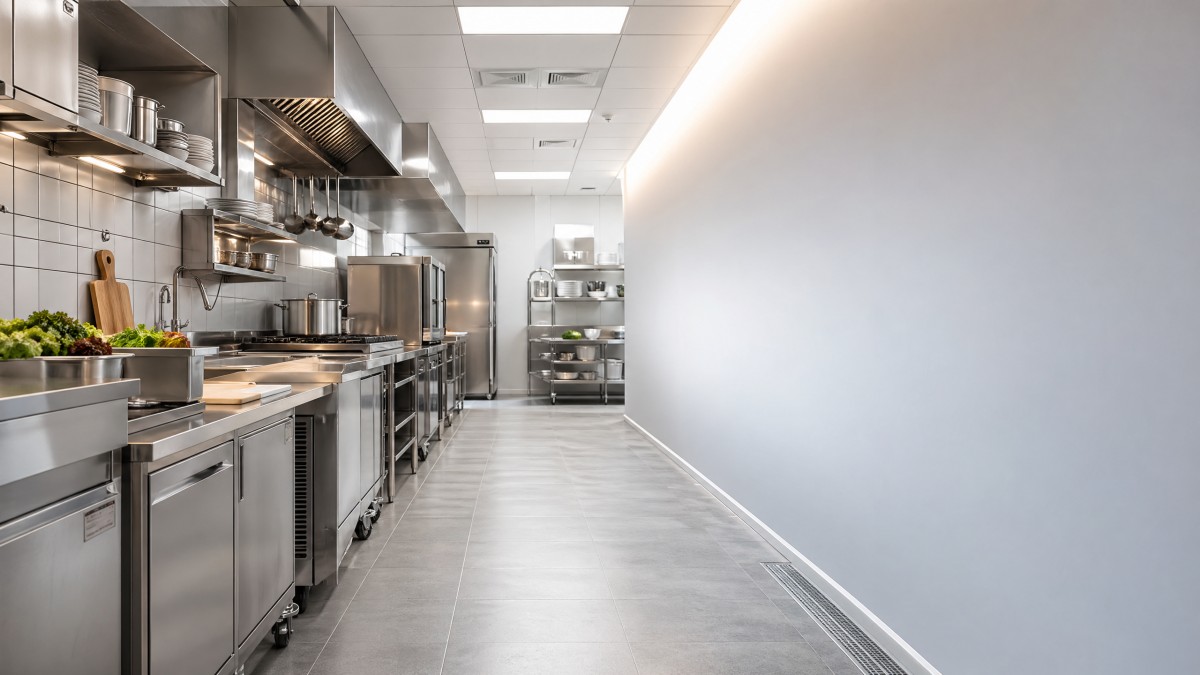
Most kitchen teams focus first on menu flow, cooking capacity, refrigeration, and cleaning requirements. Those are all important, but ergonomics often gets pushed into the background. The problem is that employees interact with countertops all day long. Unlike a specialty machine used for a few minutes at a time, prep tables, pass counters, washing areas, and plating stations shape nearly every movement in the shift.
When the counter height is wrong, workers compensate with awkward posture. They bend forward during chopping, raise their elbows while assembling dishes, or twist more often because adjacent surfaces do not align. These small motions seem manageable in the short term, but repetition is what creates the true cost. Over weeks and months, discomfort becomes fatigue, fatigue reduces speed and precision, and eventually the operation sees more absenteeism, lower morale, and avoidable injuries.
For decision-makers, the business case is clear. A well-designed ergonomic workstation can improve throughput, reduce physical stress, and help standardize movement. It can also support training, because staff can work more consistently when the environment fits the task. In a high-pressure service environment, better counter design contributes directly to reliability and labor efficiency.
What is the standard restaurant kitchen counter height?
There is no single perfect height for every commercial kitchen. However, many restaurant prep counters fall within a common range of roughly 34 to 36 inches, while some working surfaces may go lower or higher depending on the job. This is where many planning mistakes begin. Teams often install one standard height everywhere because it simplifies fabrication, but kitchen work is not uniform, so the surfaces should not always be uniform either.
Different tasks demand different ergonomic relationships between the worker’s hands, elbows, and the work surface. Precision tasks such as decorating, garnishing, or detailed plating often benefit from a slightly higher surface because the food can be brought closer to the eyes and hands without excessive bending. Heavy-duty tasks such as dough handling, meat prep, or forceful mixing may work better on a slightly lower surface because the employee can use body weight more naturally.
For dishwashing and sink areas, height must also account for basin depth and repetitive reach. A sink rim that looks acceptable on a blueprint can become uncomfortable once a deep bowl forces workers to reach downward for hours. In other words, the usable working height is not only about the top edge of the table. Equipment dimensions, container depth, cutting boards, and inserts all affect the real ergonomic position.
How bad ergonomics creates hidden costs in daily operations
The most obvious cost of bad ergonomics is physical discomfort, but that is only the starting point. In practice, poor restaurant kitchen counter height can create a chain reaction across the operation. Workers move more slowly when they are tired, and they are more likely to make errors when they are rushing from an uncomfortable station. That can lead to inconsistent portions, lower presentation quality, wasted ingredients, and delays during busy periods.
There is also a labor management cost. In many kitchens, discomfort is normalized, so leaders may not immediately connect turnover or underperformance to workstation design. But when prep cooks, line cooks, or dish staff repeatedly experience strain, they are less likely to stay long term. Replacing workers is expensive. Hiring, onboarding, and retraining consume time that could have been avoided through better equipment selection and restaurant kitchen organization.
In more serious cases, poor ergonomics increases the likelihood of musculoskeletal injuries involving the back, shoulders, neck, wrists, and knees. Even low-grade pain can become a workers’ compensation issue if ignored. On top of direct medical or insurance costs, an injury also disrupts scheduling, reduces productivity, and puts extra pressure on the rest of the team. For multi-unit operators and institutional kitchens, these costs can scale quickly.
Task-based design is better than one-height-fits-all planning
The strongest approach to restaurant kitchen layout planning is to match counter height to the type of work being performed. This begins with observing the actual workflow. Where is repetitive knife work done? Where are heavy containers moved? Which station requires visual precision? Which roles spend the most time standing in one place? Once these questions are answered, height decisions become far more useful than simply selecting a standard table from a catalog.
Prep stations usually benefit from enough height to reduce bending, but not so much that shoulders rise. A plating station may need a cleaner visual line and easier hand access, especially in operations focused on presentation. Bakery or dough work may need lower surfaces that support downward pressure. Packing, sorting, and assembly stations in central kitchens may require a different balance altogether, especially if workers are standing for long shifts.
Task-based design also improves equipment integration. Cutting boards, refrigerated bases, undershelf storage, conveyor systems, and mobile ingredient bins all affect posture and reach. If a stainless steel restaurant kitchen is designed only for durability and sanitation, but not for movement efficiency, the result is a clean kitchen that still wastes labor. Good design connects ergonomic height with access, clearance, and workflow continuity between stations.
How to tell when your current counters are hurting performance
Many operators do not review ergonomics until a renovation or equipment replacement project begins. But there are practical warning signs that suggest your current counter heights may be costing you money. One common sign is visible body compensation. If staff regularly hunch over prep tables, lift elbows high while working, or lean awkwardly into sink areas, the setup likely does not fit the task.
Another sign is uneven productivity between stations or shifts. Sometimes management assumes this is only a staffing issue, but the workstation itself may be part of the problem. If one area consistently slows down when volume increases, the physical design may be limiting movement or causing fatigue too early in the shift. Worker complaints about soreness, especially in the lower back, shoulders, or wrists, should also be taken seriously rather than treated as routine kitchen discomfort.
You should also look for workaround behavior. Staff adding mats, stacking boards, using bins as risers, or moving prep to other surfaces often indicates that the original station height is not practical. These small adaptations are valuable clues. They reveal what workers need in real conditions, and they can guide smarter upgrades during future purchasing or remodeling decisions.
What buyers and procurement teams should evaluate before purchasing counters
For procurement professionals and business owners, selecting counters should involve more than dimensions, material grade, and price. Those are important, especially in high-volume foodservice environments, but value comes from fit-for-use performance. Before choosing worktables or integrated stations, buyers should define the task, the user group, the expected shift duration, the surrounding equipment, and the sanitation requirements. A lower upfront price may become expensive if the equipment causes long-term inefficiency.
Adjustability is worth considering where job roles vary or where the same station is used by employees of different heights. In some settings, adjustable or semi-custom solutions can deliver a better return than rigid standard units. Buyers should also examine edge design, undershelf placement, leg clearance, storage access, and whether the workstation allows easy movement of trays, bins, or wheeled equipment. These details affect posture as much as the main surface height does.
Material choice remains important as well. A stainless steel restaurant kitchen is popular for good reasons: durability, hygiene, corrosion resistance, and ease of cleaning. But even premium stainless steel counters must still be ergonomically appropriate. Procurement teams should ask suppliers not only for product specifications, but also for recommendations based on kitchen function, workflow intensity, and maintenance realities. The right supplier should support operational performance, not just deliver metal furniture.
How ergonomics supports restaurant kitchen organization and workflow
Counter height works best when it is part of a larger organizational strategy. Restaurant kitchen organization is not simply about keeping tools in place; it is about reducing unnecessary motion and making the right movement easier. If ingredients, utensils, and waste containers are positioned badly, even a correctly sized counter will not solve the full problem. Ergonomics must include reach zones, storage logic, traffic flow, and handoff points between stations.
For example, a prep station becomes much more effective when the most frequently used items are stored between knee and shoulder height, within easy reach, and close to the dominant hand position of the worker. Likewise, dish and sanitation areas need layouts that minimize repeated lifting and twisting. Good counter height reduces strain, but paired with poor organization, workers may still lose time on avoidable motion.
This is especially important in compact kitchens where every inch matters. Smaller restaurants often assume they cannot prioritize ergonomics because of space limits. In reality, limited space makes ergonomic planning even more critical. Better layout discipline, mobile equipment, integrated storage, and task-specific surfaces can prevent congestion and reduce the need for awkward movement during peak service.
Is upgrading counter height worth the investment?
In many cases, yes. The return may not always appear immediately as a line item, but it often shows up through better labor performance, reduced complaints, fewer disruptions, and improved consistency. If a kitchen is being built, expanded, or renovated, ergonomic planning should be included from the start because the incremental cost is usually lower than retrofitting later. Even modest changes, such as using different table heights for different stations, can produce meaningful gains.
For existing kitchens, the best approach is to prioritize the stations with the highest exposure and the greatest labor intensity. Prep tables, sinks, assembly lines, and repetitive packing areas typically deliver the clearest return from ergonomic improvement. Managers can also test changes before full replacement by observing staff, piloting alternate setups, or using temporary height adjustments where practical. Small trials can reduce purchase risk and create stronger internal buy-in.
From a strategic perspective, ergonomics should be viewed as part of operational resilience. A kitchen that supports safer, more efficient work is better positioned to maintain output during labor shortages, high turnover periods, and busy service windows. It is also more attractive to skilled employees who notice when an employer invests in practical working conditions.
Conclusion: better counter height is a productivity and risk decision
Restaurant kitchen counter height is not just a technical measurement. It is a factor that shapes speed, comfort, safety, and cost every day. Bad ergonomics can quietly drain performance through fatigue, errors, turnover, and injury risk. Good ergonomics, by contrast, supports smoother workflows, better employee endurance, and stronger long-term value from your kitchen equipment investment.
For operators, users, buyers, and business leaders, the key lesson is simple: do not choose counters by habit alone. Match the surface to the task, review how people actually work, and evaluate workstation design as seriously as any other production asset. In restaurant kitchen layout planning and restaurant kitchen organization, ergonomic counter design is not an extra feature. It is a core requirement for a safer and more efficient commercial kitchen.
If you are planning a new facility or upgrading an existing one, start by assessing where your team spends the most time and where physical strain is highest. That is usually where the cost of bad ergonomics is already accumulating. Correcting restaurant kitchen counter height at those critical points can deliver practical, measurable improvements that benefit both people and performance.
Popular Tags
Kitchen Industry Research Team
Dedicated to analyzing emerging trends and technological shifts in the global hospitality and foodservice infrastructure sector.
Industry Insights
Join 15,000+ industry professionals. Get the latest market trends and tech news delivered weekly.
No spam. Unsubscribe anytime.
Contact With us
Contact:
Anne Yin (Ceramics Dinnerware/Glassware)
Lucky Zhai(Flatware)