
Commercial Restaurant Kitchen Setup Costs That Catch Owners Off Guard
Setting up a commercial restaurant kitchen often costs more than owners expect, especially when expenses go beyond visible restaurant kitchen appliances. From restaurant kitchen layout planning and restaurant kitchen storage to restaurant kitchen hood systems, stainless steel restaurant kitchen surfaces, and code-driven restaurant kitchen equipment specifications, overlooked details can quickly inflate budgets. Understanding these hidden costs helps buyers, operators, and decision-makers plan smarter and avoid costly surprises.
For restaurant founders, kitchen managers, procurement teams, and investors, the real challenge is not only choosing equipment. It is building a kitchen that can pass inspection, support workflow, control utility consumption, and remain serviceable over 3 to 7 years of daily use. In many projects, the visible cooking line represents only 45% to 60% of the total kitchen setup cost, while ventilation, drainage, utility connections, installation, and compliance requirements absorb the rest.
This article breaks down the commercial restaurant kitchen setup costs that commonly catch owners off guard. It also explains how to evaluate restaurant kitchen equipment specifications, compare infrastructure needs, and create a more realistic procurement plan for new openings, renovations, or multi-site expansion.
Where Restaurant Kitchen Budgets Usually Go Off Track
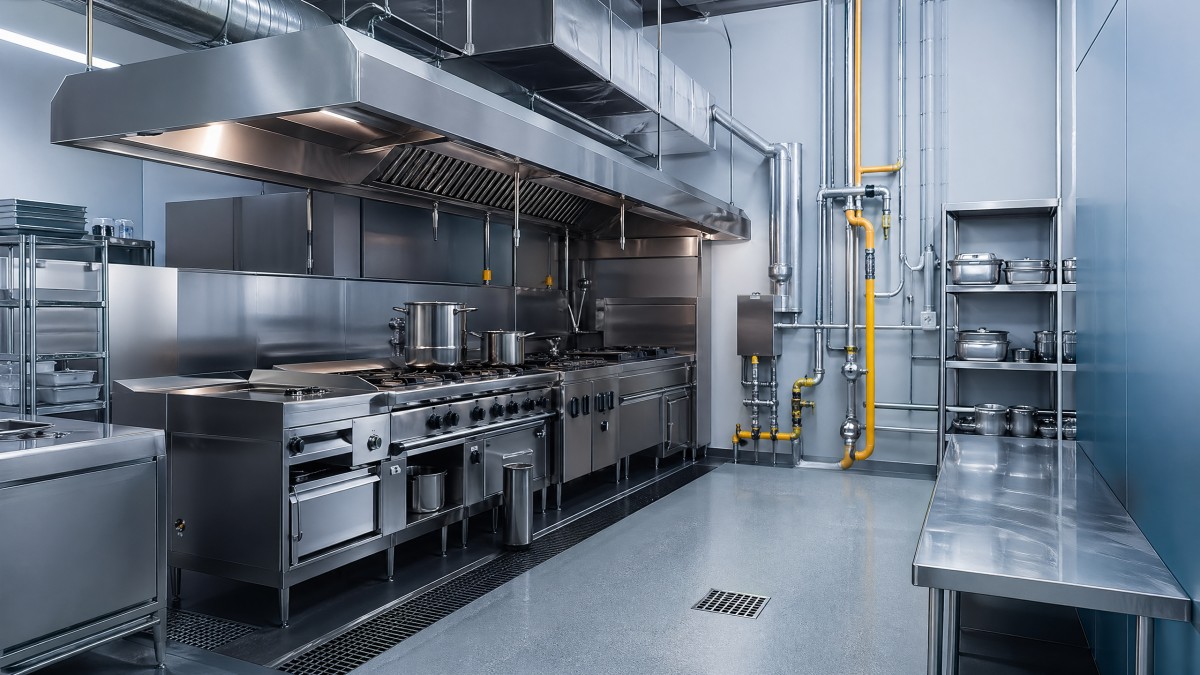
Many first-time buyers estimate budget based on cooklines, refrigeration, and dishwashing units, but commercial kitchen costs start rising long before the first appliance is delivered. Space preparation, exhaust routing, grease management, and utility matching often add 20% to 35% beyond the initial equipment quote. If the site is an older building, the upgrade gap can be even larger.
A common mistake is assuming that restaurant kitchen layout planning is a design-only task. In practice, layout decisions affect labor movement, fire safety clearances, cleaning access, and future maintenance. Moving a hood line by even 1.5 to 2 meters can change duct routing, roof penetration work, and fan sizing, which may increase project costs within a few days of redesign.
Restaurant kitchen storage is another underestimated expense. Dry storage shelving, walk-in organization, ingredient bins, tray racks, and undercounter staging areas may appear secondary, yet they directly affect workflow speed and food safety. In high-volume kitchens, poorly planned storage can create repeat labor waste of 10 to 20 minutes per shift per station.
Hidden cost categories that appear after equipment selection
The following table highlights cost areas that are frequently missed during early-stage budgeting. These are not luxury upgrades. In most cases, they are required for legal operation, safe installation, or efficient daily service.
The key takeaway is that equipment price alone does not equal kitchen setup cost. A procurement plan that ignores building conditions, utility compatibility, and compliance items can look competitive at quotation stage but become expensive during installation. That is why experienced buyers request equipment schedules, utility drawings, and installation scope in the same review cycle.
Early warning signs in a quotation
- The quote lists appliances but does not show power load, gas consumption, or drainage needs.
- The supplier excludes hood balancing, curb work, or on-site commissioning.
- Custom stainless steel restaurant kitchen fabrication is marked as “to be confirmed” after contract signing.
- No allowance is included for storage accessories, shelving, or operator-side prep organization.
Infrastructure Costs Behind Commercial Kitchen Equipment
Commercial kitchen equipment does not operate in isolation. Every oven, fryer, range, combi unit, dishwasher, or blast chiller depends on electrical capacity, water supply, drainage, gas pressure, and airflow management. When those support systems are undersized, owners face change orders, delayed opening dates, and in some cases partial equipment replacement.
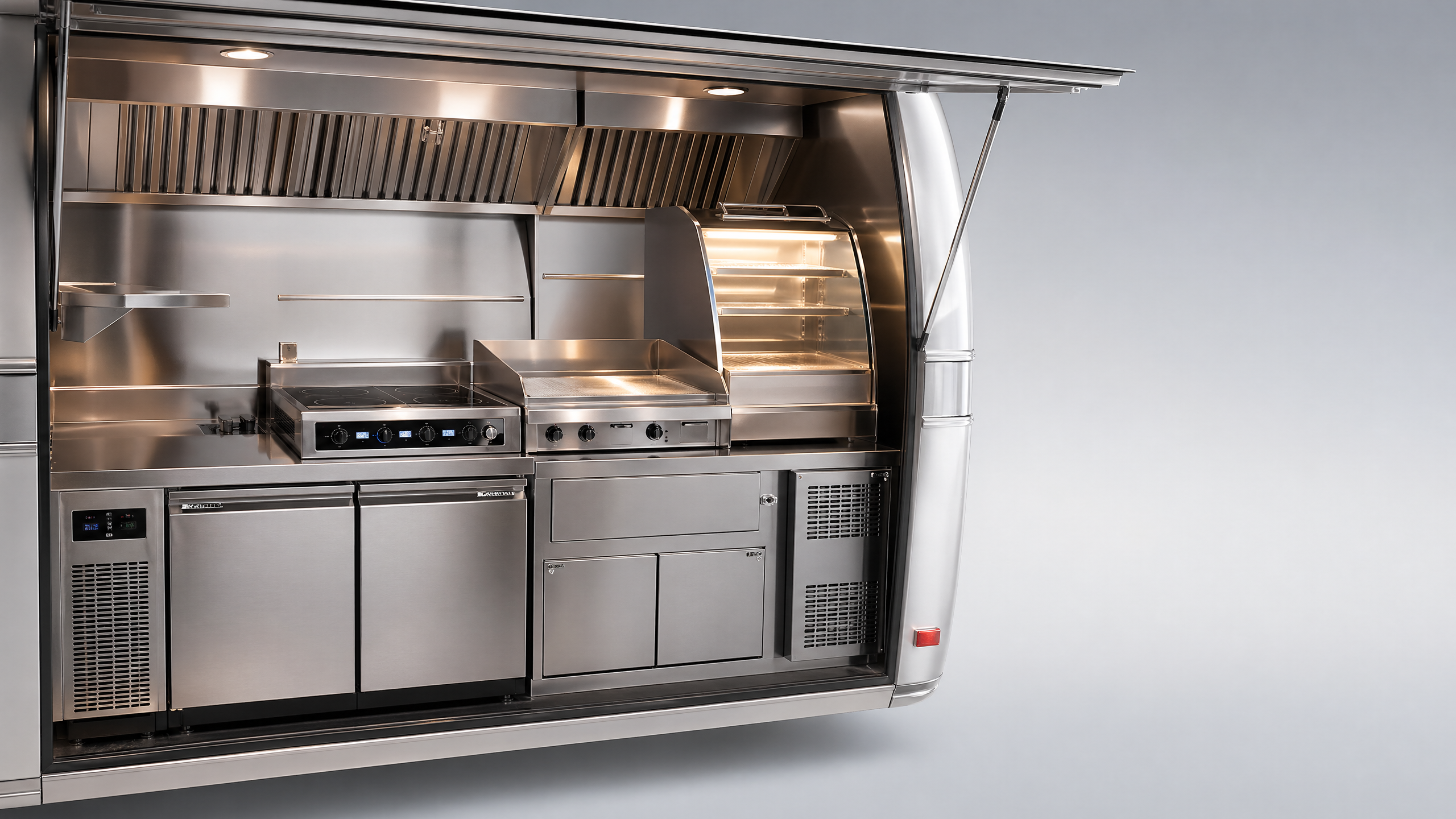
Restaurant kitchen hood systems are among the biggest cost drivers. A hood package may include canopy, filters, fire suppression interface, ducting, exhaust fan, makeup air, roof flashing, and balancing. If the cooking line includes grease-producing or high-heat equipment, the ventilation demand increases sharply. This is one reason a kitchen with a 6-meter hot line often costs far more than a cold-prep-focused concept of the same floor size.
Stainless steel restaurant kitchen finishes also create budget variation. Wall cladding, coved corners, backsplashes, sinks, drainboards, pass shelves, and worktops improve hygiene and durability, but custom fabrication adds measurement, drawing approval, production lead time, and fitting labor. A small dimension change repeated across 8 to 12 pieces can materially alter project spend.
Utility and installation factors to verify before purchase
Before confirming any restaurant kitchen equipment specifications, teams should verify site readiness. The table below helps compare common infrastructure checks that should be completed before production or shipment.
In practical terms, these checks reduce cost surprises more effectively than negotiating a lower appliance unit price. For example, saving 3% on a fryer is less important than discovering early that the site needs a power upgrade or an additional grease waste solution. Good commercial kitchen procurement is therefore a systems decision, not only a product purchase.
Typical lead times that affect opening schedules
- Standard stock equipment: often 7 to 21 days, depending on region and import status.
- Custom stainless steel fabrication: usually 2 to 5 weeks after final site measurement approval.
- Hood systems and duct coordination: frequently 2 to 6 weeks, especially when roof work is involved.
- Full installation and commissioning: commonly 3 to 10 days for a small to medium restaurant kitchen.
Layout, Workflow, and Storage Costs That Affect Daily Operations
A restaurant kitchen can be installed and still perform poorly. That usually happens when procurement decisions focus on equipment count rather than station interaction. The distance between prep, cooking, pass, warewashing, and storage matters. Even a 15 to 30 second delay repeated across 150 orders per day creates measurable labor loss and service inconsistency.
Restaurant kitchen layout planning should be tied to menu complexity, output volume, and staffing model. A quick-service concept may prioritize linear flow and compact hot holding, while a full-service kitchen may require more staging, separate allergy-safe zones, and broader cold storage support. Owners often underestimate the cost of adapting layout after fabrication has begun.
Restaurant kitchen storage has similar impact. Shelving depth, ingredient rotation access, mobile racks, undercounter refrigeration, and dry-store zoning all affect speed and waste control. In many kitchens, storage additions made after opening cost 15% to 25% more than if they had been integrated into the original plan, because retrofit work disrupts operations and often requires reinstallation.
Operational design issues that become financial issues
When layout and storage are not matched to service volume, the kitchen pays through labor, cleaning inefficiency, and lost usable area. The following points are especially important for operators and decision-makers.
- Aisles that are too narrow reduce safety and slow two-way movement during peak periods.
- Insufficient landing space near combi ovens, fryers, or dishwashers creates bottlenecks and handling risk.
- Poor separation between raw and ready-to-serve zones increases sanitation pressure and training demands.
- Storage placed far from prep stations can add dozens of unnecessary retrieval movements per shift.
For buyers comparing vendors, this is where a supplier’s design capability matters. A low-priced equipment list without workflow review can create years of hidden operating cost. A better approach is to test the layout against 3 key scenarios: prep before opening, peak lunch or dinner rush, and end-of-day cleaning. If the plan fails in any of those stages, the true kitchen setup cost is still incomplete.
Four practical planning thresholds
As a rule of thumb, teams should confirm at least 4 thresholds before purchase: expected meals per hour, number of active staff per peak shift, cold storage volume requirement, and dishwashing turnaround speed. These are basic figures, but they directly influence whether restaurant kitchen appliances, prep tables, and shelving are sized appropriately for the business model.
How to Budget Smarter for Procurement, Compliance, and Installation
A more reliable commercial restaurant kitchen budget starts with separating costs into 3 layers: core equipment, infrastructure adaptation, and compliance or commissioning. This structure makes it easier for procurement teams and financial decision-makers to see which expenses are fixed, which are site-dependent, and which are likely to change after inspection review.
Restaurant kitchen equipment specifications should be reviewed not only by procurement, but also by operations and installation partners. A specification sheet that includes footprint, service clearance, utility load, and drainage needs is far more useful than a product brochure alone. In B2B purchasing, a precise specification reduces the risk of on-site conflict and supplier disputes.
It is also wise to carry a contingency reserve. For a new commercial kitchen project, many buyers set aside 8% to 15% for unforeseen site work, code-related adjustments, or accessory additions. The exact number depends on whether the location is a new shell, a second-generation restaurant site, or a renovation inside an older building.
A practical budgeting framework for commercial kitchen projects
The table below provides a simple budgeting framework that purchasing teams can use during quotation comparison and internal approval.
This structure helps owners compare quotes more accurately. One vendor may appear cheaper simply because ducting, shelving, stainless steel fabrication, delivery handling, or startup support are excluded. Without a line-by-line review, the lower initial price can become the higher total project cost.
Five procurement checks before signing
- Confirm every equipment item has matching utility and clearance data.
- Ask whether restaurant kitchen hood systems include balancing and access provisions.
- Verify whether stainless steel restaurant kitchen items are standard or custom-built.
- Check delivery scope, installation responsibility, and commissioning timeline.
- Review spare parts availability and service response expectations for the first 12 months.
Common Questions from Buyers and Operators
Commercial kitchen projects often fail not because the equipment is wrong, but because the planning sequence is wrong. Buyers ask for appliance pricing first, then discover the kitchen needs a stronger exhaust package, different floor drainage, or added storage support. The questions below address the issues that most often influence final cost and operational reliability.
How much contingency should a restaurant kitchen setup budget include?
For many projects, 8% to 15% is a practical reserve. New-build sites with verified utilities may stay closer to the lower end, while renovations in older properties often require a higher allowance. If the kitchen includes custom ventilation, imported equipment, or major plumbing adaptation, a stronger reserve is usually justified.
Which hidden cost is most frequently underestimated?
Ventilation is one of the most underestimated categories. Owners see the price of restaurant kitchen appliances clearly, but the restaurant kitchen hood system involves far more than the hood canopy itself. Ducting, exhaust fans, makeup air, roof work, and balancing can easily become one of the top 3 cost items in a hot kitchen.
Does custom stainless steel always make sense?
Not always. Custom stainless steel restaurant kitchen fabrication is valuable when the layout is tight, hygiene detail is critical, or workflow needs exact dimensions. However, standard modular tables and shelves can reduce lead time by 1 to 3 weeks and lower replacement cost later. The best choice depends on site constraints, cleaning protocol, and service intensity.
What should operators review before final handover?
- Equipment startup and shutdown procedures for each station.
- Cleaning access around hood filters, drains, backsplashes, and undercounter zones.
- Storage labeling, ingredient flow, and cold chain organization.
- Maintenance contact process and spare parts lead time expectations.
A commercial restaurant kitchen is a long-term operating asset, not just a one-time fit-out expense. Owners who budget beyond visible equipment and evaluate restaurant kitchen layout planning, storage, ventilation, utility adaptation, and specification accuracy usually avoid the most painful cost overruns. The result is a kitchen that opens faster, runs more efficiently, and supports safer, more consistent output.
If you are planning a new project, replacing outdated restaurant kitchen appliances, or comparing suppliers for a renovation, now is the right time to review your full kitchen cost structure. Contact us to discuss your layout, equipment list, and infrastructure needs, get a tailored commercial kitchen solution, and explore practical options that fit your operating goals and budget.
- commercial kitchen equipment
- kitchen appliances
- cooking equipment
- restaurant kitchen
- kitchen equipment
- restaurant kitchen equipment
- stainless steel restaurant kitchen
- restaurant kitchen layout planning
- restaurant kitchen equipment specifications
- commercial restaurant kitchen
- restaurant kitchen layout
- restaurant kitchen appliances
- restaurant kitchen hood
- restaurant kitchen storage
- restaurant kitchen setup
- restaurant kitchen hood system
Popular Tags
Kitchen Industry Research Team
Dedicated to analyzing emerging trends and technological shifts in the global hospitality and foodservice infrastructure sector.
Industry Insights
Join 15,000+ industry professionals. Get the latest market trends and tech news delivered weekly.
No spam. Unsubscribe anytime.
Contact With us
Contact:
Anne Yin (Ceramics Dinnerware/Glassware)
Lucky Zhai(Flatware)