
Commercial Restaurant Kitchen Design Choices That Age Well
A commercial restaurant kitchen should perform efficiently today and still make sense years from now. From commercial restaurant kitchen design and restaurant kitchen layout planning to durable stainless steel restaurant kitchen surfaces, the best choices balance workflow, hygiene, and long-term value. This guide explores restaurant kitchen organization, restaurant kitchen storage, and essential equipment decisions that help operators, buyers, and decision-makers build kitchens that age well.
What makes a commercial restaurant kitchen design age well?
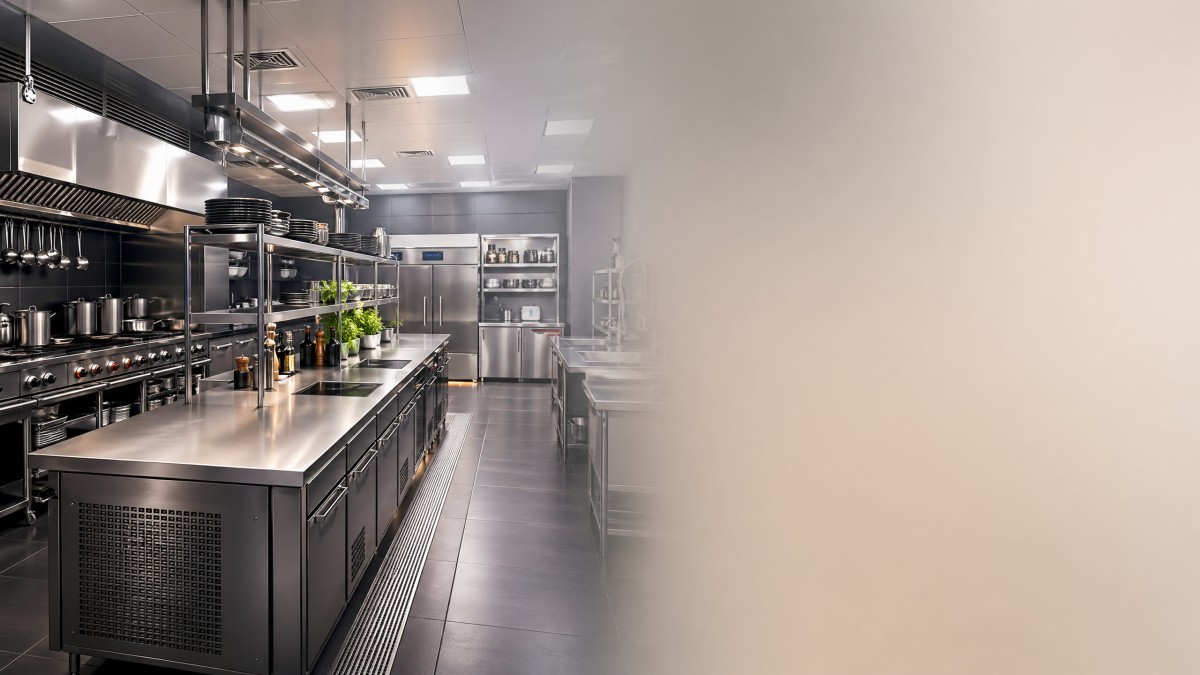
An age-resistant commercial restaurant kitchen design is not simply a room filled with stainless steel equipment. It is a system that keeps labor flow, food safety, cleaning routines, maintenance access, and future capacity in balance for 5–10 years instead of only supporting the first opening season. For restaurants, hotels, central kitchens, and mixed-format foodservice operations, the layout must survive menu changes, staff turnover, peak-hour pressure, and utility cost shifts.
In practice, the strongest restaurant kitchen layout planning starts with zones rather than products. Receiving, cold storage, prep, cooking, plating, warewashing, and waste handling should connect in a forward-moving path. When operators reduce unnecessary crossing by even 3–5 repeated movements per task cycle, the gains add up across every shift. That is why durable planning matters as much as the performance rating of each appliance.
Aging well also means being compatible with industry change. The kitchen equipment industry is moving toward automation, digital monitoring, and energy-efficient systems. Buyers increasingly evaluate whether a kitchen can later accept smart ovens, connected refrigeration, automated prep units, or digital kitchen management tools without major reconstruction. That flexibility protects capital and reduces disruption.
For decision-makers, the goal is not the biggest equipment package. It is the right capacity range, service accessibility, and compliance-ready design. For users and operators, the priority is simpler movement, safer cleaning, and fewer bottlenecks. A kitchen ages well when these interests align from day one.
Core features that support long service life
- Clear workflow zoning that separates raw and ready-to-serve processes, reducing contamination risk and shortening task paths.
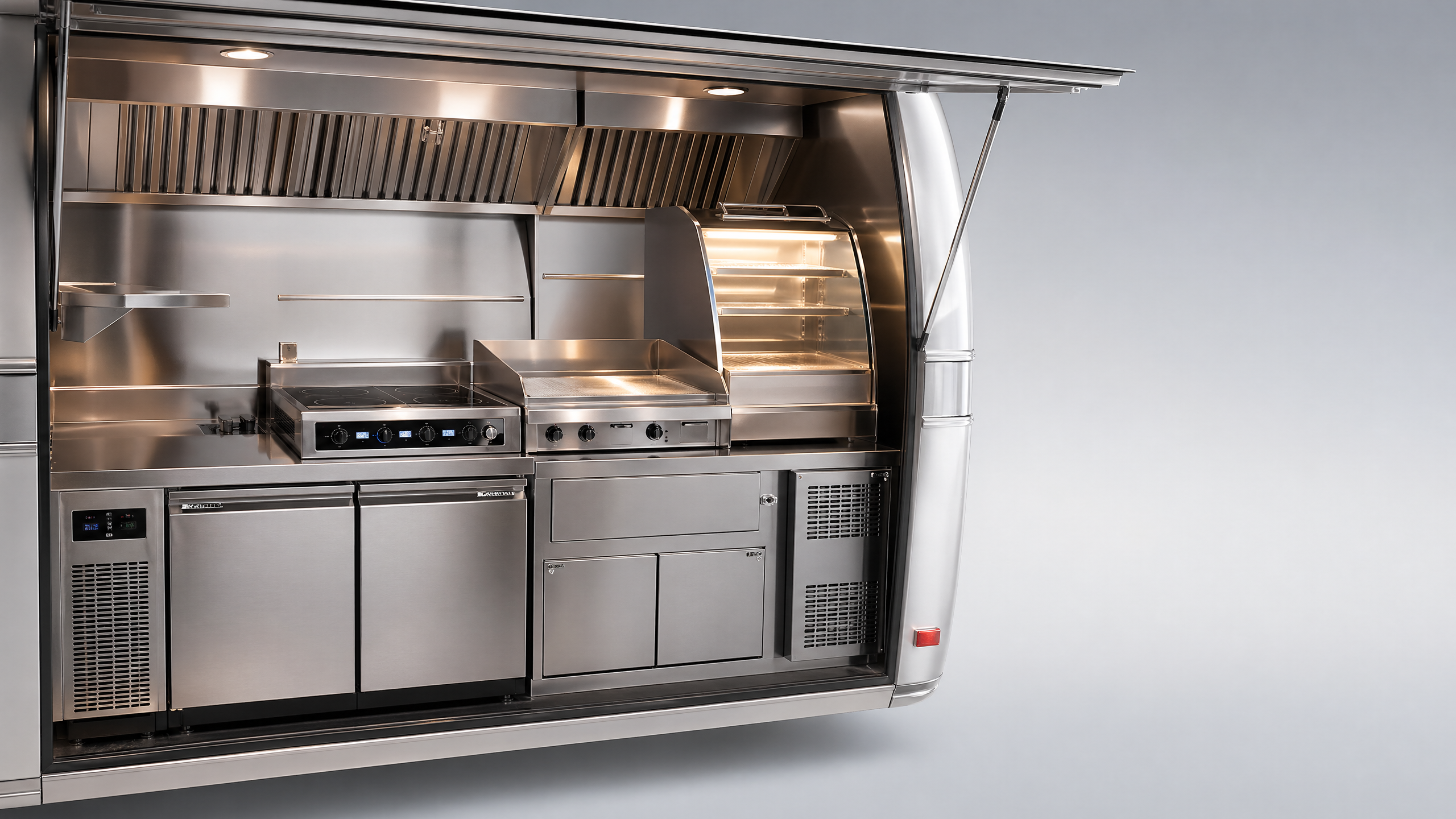
- Stainless steel restaurant kitchen surfaces in high-contact areas because they are easier to sanitize, durable under frequent cleaning, and compatible with heavy-duty use.
- Utility planning with spare electrical, gas, water, and drainage capacity so future equipment upgrades do not require complete rewiring or demolition.
- Maintenance clearance around cooking lines, refrigeration, and warewashing units, allowing service teams to inspect, clean, or replace parts within routine intervals such as monthly or quarterly checks.
Why early planning prevents expensive redesign
Many kitchens fail early because layout choices were made around catalog dimensions instead of operational reality. A compact line can look efficient on paper but become unworkable when 2–3 staff members need to prep, cook, and plate at the same time. Similarly, undersized cold storage often forces temporary shelving or overflow units within the first 6–12 months.
Well-planned restaurant kitchen organization reduces those patchwork fixes. It also supports training. New staff adapt faster when workstations are predictable, storage is labeled by task, and cleaning tools are placed near use points. In high-turnover foodservice environments, operational clarity is a long-term asset, not a cosmetic detail.
Which layout choices improve workflow, hygiene, and restaurant kitchen storage?
Workflow is the first test of commercial restaurant kitchen design. If prep staff and hot-line staff keep crossing paths, ticket times rise and sanitation discipline usually falls. In most operations, the best restaurant kitchen layout planning follows a one-direction sequence: receiving to storage, storage to prep, prep to cooking, cooking to pass, and pass to service. Waste should exit without returning through clean zones. This sounds basic, yet it is where many projects gain or lose daily efficiency.
Restaurant kitchen storage needs the same discipline. Open shelving works in dry zones with high item visibility, while closed or temperature-controlled storage is better for ingredients with stricter shelf-life requirements. Operators should think in 3 layers: bulk inventory, shift inventory, and line-ready inventory. That structure reduces over-handling and helps each station replenish faster during peak periods of 2–4 hours.
Hygiene depends heavily on separation distances, cleaning access, and surface selection. Stainless steel restaurant kitchen worktops, splash areas, and sink surrounds remain the standard in many commercial settings because they tolerate heavy use and regular sanitation. However, hygiene also depends on how joints, corners, drains, and wall connections are detailed. Easy-to-clean construction often has a bigger long-term impact than premium finishes alone.
The table below summarizes common layout priorities by operating scenario. It is useful for buyers comparing restaurant types, kitchen intensity, and storage patterns before finalizing equipment lists.
The comparison shows that restaurant kitchen storage is never a standalone issue. It must match production rhythm, menu complexity, and replenishment frequency. A layout that works for a 40-seat café may fail in a hotel breakfast kitchen because the movement pattern, holding time, and batch volume are different.
A practical planning checklist for operators and buyers
- Map the top 5 menu items and identify how many handoffs each one requires from receiving to service.
- Separate storage into daily-use, weekly-use, and reserve stock so line areas stay uncluttered.
- Confirm that cleaning access exists behind, beside, and beneath major equipment where grease and debris accumulate every shift.
- Check whether future menu additions can fit within existing ventilation, power, and cold-storage limits.
Where many kitchens lose efficiency
Common weak points include oversized cooking blocks with too little prep support, dry storage placed too far from receiving, and dishwashing routes that cut across production areas. Another frequent issue is ignoring small-item storage. If utensils, pans, lids, and ingredients lack designated positions, line staff lose minutes each hour searching and resetting stations.
That is why restaurant kitchen organization should be designed at both macro and micro levels. The macro level handles zone flow. The micro level addresses shelf heights, mobile carts, undercounter access, and item labeling. Both levels determine whether the kitchen still feels efficient after years of real use.
How should buyers compare equipment and materials for long-term value?
Procurement teams often face a familiar conflict: lower initial price versus lower lifetime friction. In commercial restaurant kitchen design, equipment and material selection should be evaluated across at least 4 dimensions: capacity fit, cleanability, serviceability, and utility efficiency. This is especially important in a market where smart kitchen technology and energy-efficient kitchen solutions are becoming more common across restaurants, hotels, and food processing operations.
For example, an oversized appliance may look safer from a production perspective, but it can increase idle energy use and occupy valuable floor area for years. On the other hand, undersized equipment may force extended run times, extra labor, or duplicate purchases within 12–24 months. Good purchasing decisions come from matching output range to actual demand patterns instead of worst-case assumptions alone.
Materials deserve the same scrutiny. Stainless steel restaurant kitchen surfaces remain a preferred choice because they support hygiene routines and stand up well to demanding conditions. Still, buyers should compare gauge suitability, welded versus mechanically joined details, and edge finishing based on expected cleaning frequency, moisture exposure, and impact risk.
The table below can help purchasing teams compare equipment options in a more operational way rather than focusing only on unit price.
This framework is valuable because many procurement mistakes are not technical failures. They are alignment failures between equipment choice, menu design, staffing pattern, and building infrastructure. The right selection method should show whether a unit fits the operation in year 1 and still makes sense in year 5.
Smart and energy-efficient options: when do they make sense?
Smart kitchen features are most useful when they solve repeatable operational issues. Examples include programmable cooking cycles, temperature logging, fault alerts, and digital production monitoring. These tools are not equally necessary for every site, but they can be valuable in multi-unit restaurants, hotels, and central kitchens where standardization matters across shifts and locations.
Energy-efficient kitchen solutions deserve attention when utility costs, ventilation load, or long operating hours are major concerns. In kitchens running 10–16 hours per day, even modest efficiency improvements can influence operating cost and heat stress. Buyers should ask not only about equipment features, but also about how those features affect maintenance, training, and compatibility with existing systems.
Questions procurement teams should ask before approval
- What is the realistic production load during normal service, promotion periods, and seasonal peaks?
- Can staff clean and inspect the unit within the existing end-of-shift routine?
- Are parts, consumables, and technical support available within acceptable lead times such as 7–15 days for common items?
- Will the product still fit if the menu expands, production increases, or a digital monitoring layer is added later?
What implementation, compliance, and risk checks matter before purchase?
Even a strong commercial restaurant kitchen design can underperform if implementation is rushed. Buyers should treat the project as a 4-step process: needs confirmation, layout and utility review, equipment specification, and installation plus acceptance. Depending on project size, a standard commercial kitchen package may move from finalized specification to delivery in 2–8 weeks, while custom fabrication or imported equipment can take longer.
Compliance checks should start early. Exact requirements vary by country and facility type, but common concerns include food-contact material suitability, ventilation rules, electrical safety, gas compatibility, drainage, fire safety integration, and cleaning access. In multi-market procurement, decision-makers should confirm whether local installation standards differ from the manufacturing region, especially when sourcing from major export countries.
Risk control also includes installation sequencing. If cold storage is delivered before floor drains are completed, or if line equipment arrives before final power confirmation, delays become expensive. A structured pre-installation checklist reduces these problems and gives operators confidence that the kitchen will open on time and perform reliably under real conditions.
The most common errors are not dramatic. They include missing service clearances, incorrect drain positions, insufficient exhaust coordination, and poor alignment between equipment footprint and staff movement. These issues are avoidable when procurement and operations review the plan together instead of working in separate tracks.
A 6-point pre-purchase and pre-installation checklist
- Confirm menu structure, production volume, and shift pattern so the kitchen is sized for actual use.
- Review utility conditions including voltage, gas type, water inlet, drainage path, and exhaust location.
- Check floor plan clearances for doors, aisles, cleaning zones, and maintenance access around major units.
- Match restaurant kitchen storage volume to delivery frequency, not just total menu count.
- Clarify acceptance items such as startup testing, operator training, and spare-part recommendations.
- Document timeline risk points, especially for imported items, fabrication lead time, and site readiness milestones.
FAQ: practical questions from buyers and operators
How much flexibility should a restaurant kitchen layout include?
A useful rule is to preserve space, utility capacity, or modular equipment positions for at least 1 future change in menu, service format, or production volume. This does not mean oversizing everything. It means allowing practical adaptation without major demolition, especially in cooking, refrigeration, and prep zones.
Are stainless steel restaurant kitchen surfaces always necessary?
For high-contact, wet, and hygiene-critical areas, stainless steel is widely preferred because it supports cleaning and durability. The real question is where it matters most. Worktops, sink areas, shelving near food prep, and splash zones typically deserve priority. Buyers should also review finish details and cleanability, not only material label.
What is a common mistake in restaurant kitchen organization?
One of the most frequent mistakes is storing too many items at the line. When every station becomes overflow storage, cleaning slows down and movement becomes inconsistent. A better system separates reserve stock, daily issue stock, and immediate line-use stock so replenishment is controlled instead of reactive.
How long should procurement teams expect for a standard project?
For standard configurations, specification review and supply may fit within 2–8 weeks depending on product mix, sourcing region, and installation readiness. Custom fabrication, multi-site rollout, or specialized utility coordination can extend the schedule. Early confirmation of drawings and utilities usually saves more time than last-minute expediting.
Why choose a supplier that supports design, selection, and delivery together?
Commercial restaurant kitchen design ages well when planning, equipment selection, and implementation are connected. A supplier that understands restaurant kitchen layout planning, stainless steel restaurant kitchen fabrication, storage logic, and smart kitchen development can help buyers avoid mismatch between drawings, utilities, and operating reality. That matters across restaurants, hotels, central kitchens, and food processing-related foodservice spaces.
For information researchers, this means getting clearer answers before budgeting. For users and operators, it means layouts that are easier to work in every day. For procurement teams, it means a more structured way to compare options, delivery windows, and technical fit. For business decision-makers, it means reducing rework risk while preparing the kitchen for energy efficiency and future system upgrades.
If you are evaluating a new project or upgrading an existing kitchen, the most useful next step is a focused technical discussion. You can ask for support on 5 practical areas: capacity confirmation, restaurant kitchen layout planning, restaurant kitchen storage configuration, material and equipment selection, and expected delivery or installation sequence. These points often determine whether the project remains efficient after the first year.
Contact us to discuss your menu profile, kitchen footprint, utility conditions, compliance concerns, and sourcing timeline. We can help review parameters, compare equipment options, clarify customization scope, assess certification-related requirements, arrange sample or specification support where suitable, and prepare a quotation path that aligns with your operational goals rather than just the purchase list.
- smart kitchen
- kitchen technology
- central kitchen
- kitchen design
- restaurant kitchen
- kitchen solutions
- kitchen equipment
- restaurant kitchen design
- commercial restaurant kitchen design
- stainless steel restaurant kitchen
- restaurant kitchen layout planning
- commercial restaurant kitchen
- restaurant kitchen layout
- restaurant kitchen storage
- restaurant kitchen organization
Popular Tags
Kitchen Industry Research Team
Dedicated to analyzing emerging trends and technological shifts in the global hospitality and foodservice infrastructure sector.
Industry Insights
Join 15,000+ industry professionals. Get the latest market trends and tech news delivered weekly.
No spam. Unsubscribe anytime.
Contact With us
Contact:
Anne Yin (Ceramics Dinnerware/Glassware)
Lucky Zhai(Flatware)