
How to Plan Cold Storage Equipment for Growing Demand
As demand rises across foodservice and food processing, planning Cold Storage Equipment is no longer just about capacity—it is central to efficiency, food safety, and long-term growth. From commercial refrigeration equipment to smarter restaurant kitchen planning, businesses need scalable solutions that fit evolving operations. This guide explores how to match storage performance with future demand while aligning with modern commercial kitchen design and professional kitchen equipment strategies.
For restaurant groups, hotel kitchens, central kitchens, and food processing facilities, cold storage planning affects more than inventory. It influences workflow speed, HACCP compliance, energy use, labor allocation, and expansion readiness. A poorly sized cold room or reach-in refrigerator can create bottlenecks within 3 to 6 months, while an oversized system can increase capital and utility costs without delivering operational value.
The best planning approach balances current throughput with forecast demand, product mix, loading patterns, and temperature zoning. Buyers, operators, technical evaluators, and decision-makers all need a framework that translates daily use into practical equipment specifications. In commercial kitchens and food processing environments, that means planning for growth in a way that remains safe, efficient, and serviceable.
Understand Demand Growth Before Choosing Cold Storage Capacity
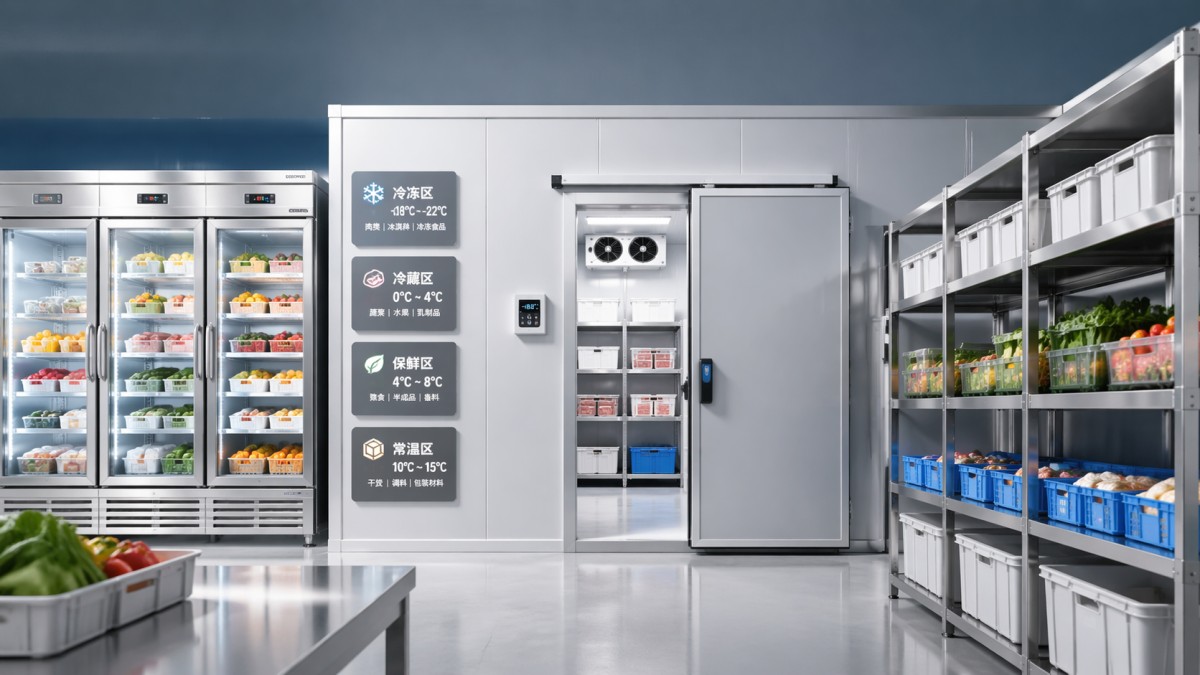
The first step in planning Cold Storage Equipment is to quantify future demand rather than buying only for today’s volume. Many facilities size equipment around current stock levels, but demand in foodservice often shifts by 15% to 40% across seasons, menu changes, regional expansion, or new delivery channels. In food processing, production schedules can also increase sharply when contract manufacturing or export orders are added.
A practical method is to calculate storage based on average daily intake, peak weekly inventory, and required safety buffer. For example, a restaurant with 500 kg of chilled ingredients on hand during normal operation may need 700 to 850 kg of usable cold storage when weekend demand, promotional events, and delivery delays are considered. The same principle applies to frozen goods, especially where lead times exceed 7 days.
Capacity planning should focus on usable internal volume, not only external cabinet size. Shelving layout, airflow clearance, door swing, and product container dimensions can reduce effective capacity by 10% to 25%. In commercial refrigeration equipment, this difference often determines whether staff can rotate stock properly or end up overstacking products and blocking circulation.
Another key factor is temperature segmentation. Growing businesses rarely operate with one universal temperature zone. Chilled produce, dairy, seafood, prepared foods, and frozen items usually require different ranges such as 0°C to 4°C, 2°C to 8°C, or -18°C to -22°C. As operations expand, separating storage by product type reduces contamination risk and improves product life.
Core demand inputs to measure
- Average and peak daily inventory volume by product category.
- Delivery frequency, such as daily, 2 to 3 times per week, or weekly replenishment.
- Expected growth over 12 to 24 months from new sites, menu additions, or production increases.
- Required separation between raw, cooked, allergen-sensitive, and high-risk food items.
- Loading pattern, including pallet entry, tray racks, GN pans, or boxed ingredients.
When these inputs are documented early, equipment planners can avoid the common mistake of selecting a refrigerator or walk-in cold room only by floor space. Good planning starts from operational flow and projected demand, then moves toward equipment configuration.
Match Equipment Type to Kitchen and Processing Scenarios
Different business models need different cold storage solutions. A high-turnover restaurant may rely on upright refrigerators, undercounter units, and small freezer cabinets placed near prep stations. A hotel or central kitchen may need modular cold rooms with separate sections for meat, dairy, produce, and pastry. Food processing facilities often require larger walk-in rooms, blast chilling support, or staging areas connected to packing lines.
Selecting the wrong format can reduce labor efficiency even if total capacity appears adequate. For example, a facility may have enough cubic volume overall, but if staff walk 20 to 30 meters repeatedly between prep and cold storage, the workflow loses time every hour. In busy kitchens, access speed can be almost as important as storage volume.
Equipment should also reflect product turnover. Fast-moving ingredients are better placed in reach-in or pass-through units, while reserve stock belongs in cold rooms or freezer rooms. This zoning reduces door opening frequency in primary storage and helps stabilize internal temperatures. In many commercial kitchens, frequent door openings can cause temperature swings of 2°C to 5°C if the wrong unit is used in high-traffic areas.
The table below compares common cold storage formats used across the kitchen equipment industry. It can help technical evaluators and procurement teams align application scenarios with operational needs.
The comparison shows that growth planning is not solved by one larger cabinet. Most expanding businesses need a layered setup: point-of-use refrigeration for speed, plus centralized cold storage for reserve capacity. This is especially relevant in modern commercial kitchen design, where workflow and hygiene zoning must develop together.
Scenario-based selection tips
For restaurants and hotels
Plan for menu variability, banquet peaks, and multi-station usage. In many full-service operations, adding 1 reserve refrigerated zone for every 2 to 3 active prep stations helps prevent overloading during peak periods.
For food processing facilities
Plan by batch size, receiving schedule, and dispatch timing. If production runs are extended from 8 hours to 12 hours, staging storage and door opening intensity become critical design factors, not minor details.
Key Technical Parameters That Support Future Expansion
Once the storage format is clear, the next step is technical specification. This is where many projects either build room for growth or lock themselves into early limitations. Key parameters include temperature range, insulation level, compressor capacity, shelving load, door type, internal airflow, and control accuracy. For growing operations, these elements should be sized for both present load and moderate expansion.
Temperature stability is one of the most important metrics. In chilled storage, a working range of 0°C to 4°C is common for high-risk perishable foods, while general refrigerated storage may operate at 2°C to 8°C depending on the product. For frozen storage, -18°C is a common target, but some operations plan closer to -20°C to create margin during frequent door openings or loading cycles.
Energy efficiency should also be part of expansion planning. A unit that appears cheaper upfront may consume more power over 3 to 5 years, especially in hot kitchens or high-ambient processing spaces. Door sealing quality, insulation thickness, evaporator design, and controller logic all influence long-term operating cost. In many cases, better specification reduces both energy use and emergency maintenance calls.
The following table summarizes practical planning ranges that buyers and technical teams can use as a starting point. Exact values depend on layout, ambient conditions, and throughput, but these ranges are widely relevant in commercial kitchen equipment projects.
A practical takeaway is that expansion-ready cold storage is defined by control and reliability, not only size. If a system cannot hold target temperature under real loading conditions, it will not support growth safely. Technical evaluators should always review performance under peak traffic and ambient heat conditions, not just nominal factory settings.
Technical checkpoints before approval
- Confirm operating temperature and recovery time after door opening.
- Check whether internal shelving supports expected load per level.
- Review service clearance for condenser cleaning and component access.
- Verify control panel visibility, alarm function, and temperature recording needs.
- Assess whether the system can expand with added sections, remote units, or extra shelving.
These checkpoints reduce procurement risk and help ensure the selected Cold Storage Equipment will remain suitable as production or service volume grows over the next 12 to 36 months.
Layout, Workflow, and Food Safety Must Be Planned Together
Cold storage works best when it is integrated into the full kitchen or plant layout. In commercial kitchen design, refrigeration placement affects receiving, washing, prep, cooking, packing, and service. If storage is poorly positioned, staff may cross clean and raw zones, increase handling time, or leave temperature-sensitive products outside refrigeration for too long. Even a 10 to 15 minute delay during busy hours can affect safety for some high-risk foods.
A good layout separates at least 3 functional stages: receiving and inspection, primary cold storage, and point-of-use access near prep or dispatch. This reduces unnecessary movement and supports FIFO rotation. For processing facilities, additional staging areas may be needed before packaging or shipment, especially when products pass through more than one temperature-controlled step.
Door traffic is another overlooked factor. If the same cold room is used by receiving staff, prep staff, and inventory control teams, door opening frequency can become excessive. In that case, installing strip curtains, zoning partitions, or a dedicated access plan may deliver better performance than simply increasing compressor size. Operational discipline often protects temperature stability as much as equipment power does.
Sanitation planning is equally important. Floors, corners, shelving, and drainage points should be easy to clean and inspect. Materials should suit the humidity and washdown level of the environment. In central kitchens and processing facilities, selecting surfaces and layouts that support routine cleaning every day or every shift can reduce contamination risk and improve audit readiness.
Common layout mistakes to avoid
- Placing cold storage too far from receiving, forcing long transport time for incoming goods.
- Using one shared room for raw meat, produce, ready-to-eat items, and allergens without zoning.
- Ignoring aisle width, leaving less than practical space for racks, trolleys, or safe operator movement.
- Installing units near major heat sources, which increases energy demand and shortens component life.
- Failing to plan defrost drainage or floor conditions, leading to slip hazards and maintenance issues.
Why workflow planning improves return on investment
When storage is aligned with actual workflow, teams reduce handling steps, shorten retrieval times, and protect product condition. Over a 12-month operating cycle, these gains can be more valuable than small differences in initial purchase price. For decision-makers, layout efficiency is therefore a commercial issue as well as a technical one.
Procurement, Installation, and Maintenance Strategy for Long-Term Value
Planning for growth does not end with equipment selection. Procurement teams should also evaluate installation conditions, delivery timing, maintenance support, and future serviceability. In many projects, the most expensive mistake is not buying the wrong unit, but installing equipment that cannot be maintained easily or upgraded when demand expands. That is why long-term value depends on lifecycle planning, not just purchase cost.
Lead times vary by configuration. Standard commercial refrigeration equipment may be available within 2 to 6 weeks, while custom cold rooms, integrated control systems, or complex kitchen fit-outs can take 6 to 12 weeks or longer. Businesses planning a new site or production line should therefore start specification early, especially when utilities, floor preparation, or ventilation changes are required.
Maintenance planning should be defined before commissioning. Preventive inspection every 1 to 3 months, gasket checks, condenser cleaning, and calibration review can help maintain stable performance. For operations running 16 to 24 hours per day, response time for service support becomes a major procurement criterion. Downtime in cold storage affects product safety, labor scheduling, and customer fulfillment all at once.
The table below highlights procurement factors that matter when selecting professional kitchen equipment for expanding operations.
For decision-makers, the main conclusion is clear: the right Cold Storage Equipment should support growth in four ways at once—capacity, temperature control, workflow fit, and service continuity. A lower purchase price may look attractive, but if replacement or major modification is required within 18 months, total cost can rise quickly.
FAQ for buyers and operators
How much reserve capacity should a growing business plan?
A practical target is 15% to 30% reserve capacity beyond current peak usage. The exact number depends on menu volatility, delivery frequency, and expansion timeline. Businesses opening new channels within 12 months may need a higher margin.
Is one large cold room better than several smaller units?
Not always. A combined strategy is often better: central cold storage for bulk inventory plus smaller point-of-use units for speed. This approach supports workflow and reduces unnecessary door opening in main storage areas.
What should technical evaluators prioritize during comparison?
Focus on temperature consistency, recovery time, airflow, service access, hygiene design, and realistic installation requirements. These factors often matter more than headline capacity alone.
How often should cold storage systems be maintained?
Routine checks are commonly scheduled every 1 to 3 months, with more frequent inspections for high-use operations. Daily visual checks and periodic cleaning help prevent performance loss and unplanned service issues.
Planning Cold Storage Equipment for growing demand requires a clear view of future volume, correct equipment matching, sound technical specification, and layout integration. Businesses that treat cold storage as part of a broader commercial kitchen design strategy are better prepared for food safety requirements, labor efficiency, and expansion without disruption.
Whether you manage a restaurant group, hotel kitchen, central kitchen, or food processing operation, a scalable cold storage plan can reduce risk and protect long-term performance. If you are evaluating commercial refrigeration equipment or building a new professional kitchen equipment solution, now is the time to review capacity, zoning, and service readiness in detail.
Contact us to discuss your application, get a customized cold storage plan, or learn more about integrated solutions for modern kitchen and food processing environments.
Popular Tags
Kitchen Industry Research Team
Dedicated to analyzing emerging trends and technological shifts in the global hospitality and foodservice infrastructure sector.
Industry Insights
Join 15,000+ industry professionals. Get the latest market trends and tech news delivered weekly.
No spam. Unsubscribe anytime.
Contact With us
Contact:
Anne Yin (Ceramics Dinnerware/Glassware)
Lucky Zhai(Flatware)