
Supply Chain Risks Behind Buffet Warmer Equipment Lead Times
Lead times for buffet warmer equipment are no longer a simple factory scheduling issue. In today’s market, the biggest delays often come from upstream supply chain risks: shared components, fluctuating freight capacity, electrical part shortages, and pressure across the broader professional kitchen equipment sector. For buyers and operators, the practical takeaway is clear: if you treat buffet warmer procurement as a standard catalog purchase, you may underestimate delivery risk, installation timing, and total project cost. The smartest approach is to evaluate lead time as a supply chain variable, not just a manufacturing promise.
Why are buffet warmer equipment lead times becoming less predictable?
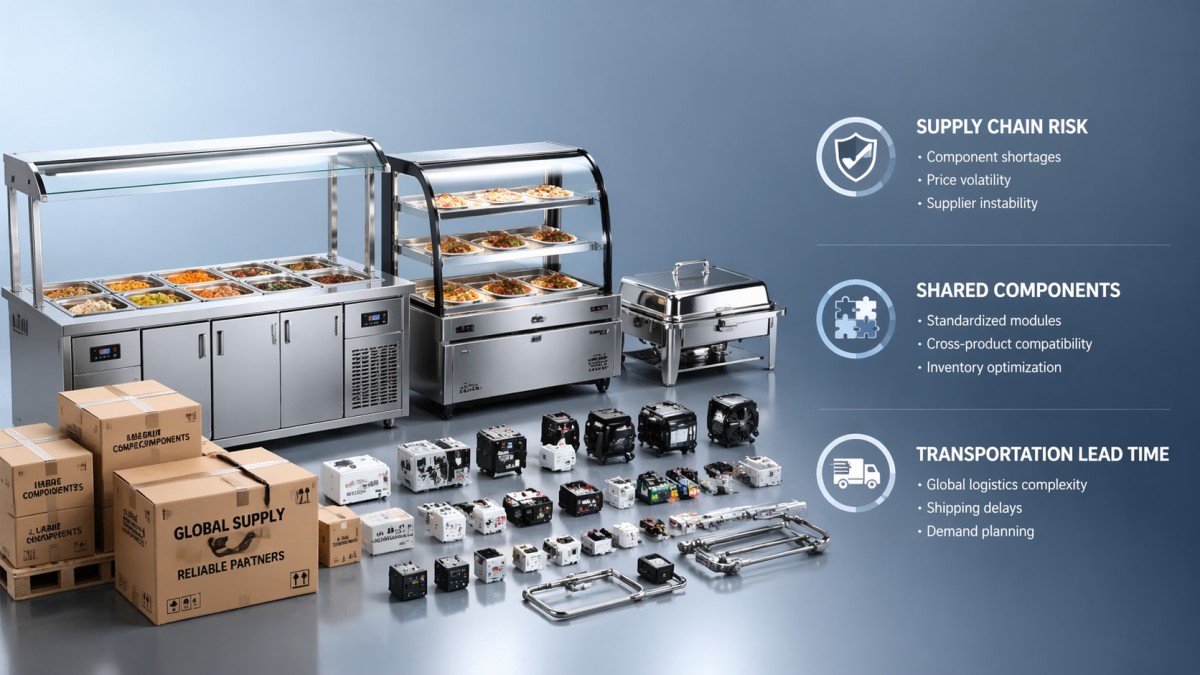
Many buyers assume buffet warmer equipment is relatively straightforward compared with more complex cooking or refrigeration systems. In reality, lead times have become less predictable because these units often depend on a wider network of shared materials and components than expected.
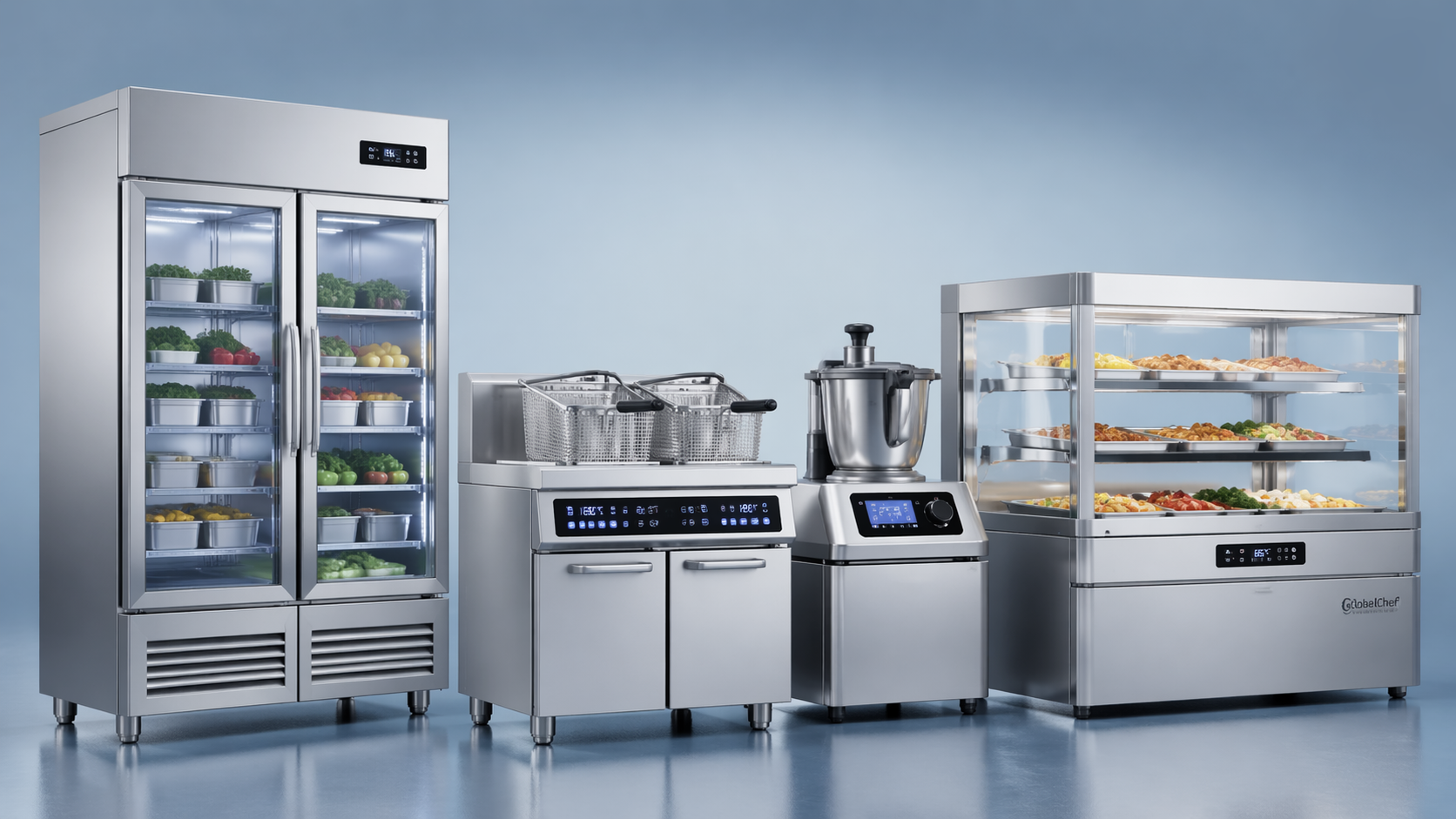
Common pressure points include stainless steel, heating elements, thermostats, control boards, glass components, insulation materials, and packaging supplies. Some of these parts are also used in commercial refrigeration equipment, Heated Display Cabinet products, and other restaurant kitchen systems. When multiple product categories compete for the same components, even a manufacturer with available assembly capacity may still face delays.
In addition, kitchen equipment manufacturers are often balancing mixed production schedules across custom and standard models. If a supplier is serving hotels, buffet chains, caterers, and institutional kitchens at the same time, production slots can tighten quickly. This is especially true during peak opening seasons, hospitality expansion cycles, or regional project surges.
For searchers trying to understand the real issue behind long delivery windows, the answer is simple: buffet warmer lead times are now shaped by the health of the entire supply chain, not just the final assembly line.
What supply chain risks have the biggest impact on delivery timelines?
Not all risks affect lead times equally. For decision-makers and technical evaluators, the most important step is identifying which risks are most likely to delay a project.
1. Shared component shortages
Temperature controls, wiring harnesses, switches, and fabricated metal parts are often sourced across multiple commercial kitchen product lines. If demand spikes in adjacent categories, buffet warmer production can be pushed back.
2. Customization complexity
Many buffet warmer systems are not purely off-the-shelf. Custom sizes, finish requirements, voltage specifications, pan configurations, sneeze guards, or integration into service counters can add engineering review and sourcing complexity.
3. Freight and port disruptions
Even when manufacturing is complete, overseas shipping delays, container shortages, customs inspection, and inland transport bottlenecks can extend actual arrival dates well beyond the quoted factory lead time.
4. Supplier concentration risk
If a manufacturer depends heavily on a limited number of component suppliers, a disruption at one source can affect the entire production schedule. This matters particularly for specialized electrical and thermal parts.
5. Demand volatility across foodservice markets
When hotels, chain restaurants, supermarkets, and central kitchens all accelerate purchasing in the same period, suppliers may prioritize larger or long-term accounts, leaving smaller orders with longer queues.
6. Compliance and specification mismatches
Products intended for different markets may require different certifications, plugs, voltages, or safety standards. If these details are not confirmed early, rework and approval delays can quickly extend lead time.
How do these delays affect buyers beyond simple waiting time?
Longer lead times do more than postpone delivery. They create operational and financial consequences that are often underestimated during restaurant kitchen planning and procurement.
For business decision-makers, delayed buffet warmer equipment can affect opening schedules, seasonal promotions, labor planning, and revenue readiness. A buffet line that cannot go live on time may slow down a broader launch, especially in hotels, catering operations, or self-service restaurant formats.
For users and operators, substitute equipment may create workflow inefficiencies, inconsistent holding temperatures, or food presentation issues. This can influence food quality, service speed, and customer satisfaction.
For technical teams, late-arriving equipment can complicate installation coordination with counters, power supply, ventilation layout, and adjacent foodservice equipment. If one component arrives late, the integration sequence for the whole serving area may need to change.
For finance and procurement teams, lead time uncertainty can also increase costs through expedited shipping, temporary rentals, revised contractor schedules, and emergency sourcing from secondary vendors at higher prices.
In other words, supply chain risk is not only a logistics issue. It is a planning, cost-control, and business continuity issue.
What should buyers ask suppliers before placing an order?
If you want to reduce uncertainty, the best strategy is to ask more precise questions before confirming the purchase. Many delivery problems begin with incomplete supplier discussions.
Key questions include:
- Is the quoted lead time based on current component availability or only standard production assumptions?
- Which parts of the buffet warmer have the longest procurement cycle?
- Are any components shared with commercial refrigeration equipment or Heated Display Cabinet lines currently under supply pressure?
- Is the model truly standard, or does the requested configuration trigger custom production?
- What certifications, voltage options, and market-specific compliance requirements apply?
- What is the difference between factory completion date and delivered-to-site date?
- Does the supplier provide visibility into production milestones?
- What contingency options exist if a key component becomes unavailable?
These questions help buyers move beyond marketing lead times and toward realistic procurement planning. They also reveal whether a supplier has mature supply chain management or is simply giving optimistic estimates.
How can procurement teams reduce buffet warmer supply chain risk?
The most effective response is not panic buying. It is structured planning. Buyers who manage lead times well usually combine forecasting, supplier evaluation, and specification discipline.
Plan earlier than you think necessary.
If buffet warmer equipment is tied to a new build, renovation, or service-line redesign, procurement should start well before final installation dates. This creates room for specification review and possible delays.
Separate critical requirements from optional features.
The more customized the equipment, the greater the lead time exposure. If certain aesthetic or non-essential features can be standardized, delivery risk may decrease.
Confirm technical details early.
Electrical requirements, dimensions, finish, serving layout, and integration points should be locked in as early as possible. Late changes often restart sourcing or production steps.
Evaluate supplier resilience, not just price.
A lower quote may be less valuable if the supplier lacks alternate sourcing channels, transparent communication, or export experience. Reliable delivery performance can outweigh a small upfront savings.
Use phased purchasing for larger projects.
For multi-unit or multi-site rollouts, staging procurement can reduce exposure. It also gives teams more flexibility if one shipment is delayed.
Build a time buffer into restaurant kitchen planning.
Procurement schedules should reflect realistic logistics risk, especially for imported professional kitchen equipment. A buffer is often cheaper than last-minute corrective action.
How should decision-makers judge whether current lead times are acceptable?
Not every long lead time is a warning sign. The key is whether the timeline is understandable, transparent, and manageable within the project.
A reasonable lead time usually has three characteristics: the supplier can explain the main constraints, the quotation distinguishes production time from shipping time, and the buyer has enough planning visibility to coordinate installation and operations.
A higher-risk situation often looks different. Warning signs include vague promises, no breakdown of sourcing versus production timelines, inconsistent updates, or reluctance to discuss component availability. These are signs that the stated delivery date may be less reliable than it appears.
Decision-makers should also compare the business impact of waiting versus switching. If changing suppliers introduces compatibility issues, lower quality, or certification problems, a longer but more credible lead time may still be the better commercial decision.
Conclusion: buffet warmer lead time is now a supply chain decision, not just a purchase date
The biggest lesson for buyers, operators, technical evaluators, and business leaders is that buffet warmer equipment lead times are increasingly shaped by hidden dependencies across the wider kitchen equipment market. Shared components, freight variability, customization demands, and supply concentration all influence when equipment actually arrives.
That means smarter procurement starts with better questions, earlier planning, and a realistic view of risk. Instead of focusing only on quoted lead time, evaluate the supplier’s sourcing strength, communication quality, technical accuracy, and contingency readiness. In a market where delays can affect project launches, service quality, and cost control, understanding supply chain risk is what turns a purchase into a well-managed decision.
Popular Tags
Kitchen Industry Research Team
Dedicated to analyzing emerging trends and technological shifts in the global hospitality and foodservice infrastructure sector.
Industry Insights
Join 15,000+ industry professionals. Get the latest market trends and tech news delivered weekly.
No spam. Unsubscribe anytime.
Contact With us
Contact:
Anne Yin (Ceramics Dinnerware/Glassware)
Lucky Zhai(Flatware)