
What Slows Down a Glass Washer During Rush Hours
During peak service, even a high-performance Glass Washer can slow down and disrupt workflow across the entire line. From water pressure issues to loading habits and poor integration with professional kitchen equipment, several hidden factors affect a glass washer machine during rush hours. Understanding these causes helps operators, technicians, and decision-makers improve efficiency, protect glassware quality, and support smoother restaurant kitchen planning.
In busy restaurants, hotels, bars, cafés, and central kitchen environments, a few lost minutes at the warewashing station can quickly spread into longer table turnover times, delayed beverage service, and higher breakage risk. For technical evaluators and purchasing teams, the issue is not only machine speed on paper, but actual throughput under pressure. A glass washer that performs well in low-demand periods may behave very differently when demand rises to 2x or 3x normal volume.
This article explains why a glass washer slows down during rush hours, how those bottlenecks appear in real kitchen operations, and what operators and decision-makers can do to improve consistency. It also looks at selection criteria, maintenance priorities, and system-level planning that matter when professional kitchen equipment must work as one coordinated line.
Operational Bottlenecks That Reduce Glass Washer Throughput
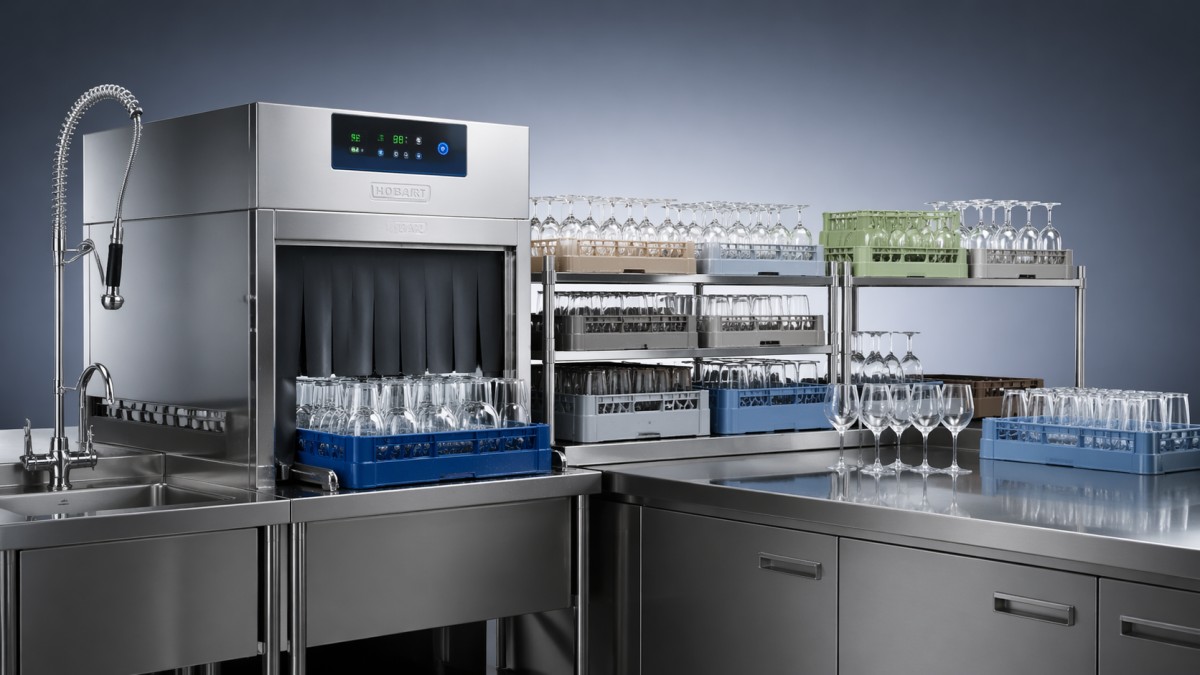
Most slowdowns during peak periods are not caused by a single failure. In practice, a glass washer machine loses speed when several small inefficiencies stack up at the same time. A 90-second wash cycle may become a 120-second real cycle if loading, draining, rinsing, and unloading are not synchronized. Over a 2-hour dinner rush, that difference can reduce total rack output by 25% or more.
One of the most common causes is improper loading. Operators often try to maximize each rack by placing glasses too closely together, mixing stemware with tumblers, or loading items with heavy soil in the same batch as lightly used drinkware. This can block spray arms, create shadow zones, and force rewash cycles. Even one rewash in every 8 to 10 racks can noticeably slow the station.
Another issue is poor work pacing around the machine. In many kitchens, the washer itself may only need 1 to 2 minutes per cycle, but dirty glass collection, rack staging, and clean glass sorting take longer. If operators leave a 30-second gap between cycles, the equipment is underused even though staff feel rushed. The bottleneck is then workflow design, not just machine capacity.
Chemical dosing problems also contribute to slowdowns. Incorrect detergent or rinse-aid levels can leave residue, forcing operators to pause and inspect glassware or run another cycle. This is especially common when water hardness changes seasonally or when a site uses a generic chemical setup that was never calibrated after installation. In high-volume service, small quality problems quickly become speed problems.
Temperature recovery is another hidden factor. A glass washer may be rated for a certain number of racks per hour, but if incoming water is cold, the booster heater is undersized, or the machine sits idle and then suddenly faces a heavy load, wash and rinse temperatures may dip below target. That reduces cleaning consistency and can lengthen actual operating time while the unit recovers.
Common peak-period causes at the operator level
- Overloading racks beyond recommended spacing, reducing spray coverage.
- Mixing multiple glass types in one cycle, which slows sorting and increases rewash risk.
- Skipping pre-rinse for lipstick, pulp, foam residue, or dairy-based drinks.
- Leaving irregular gaps of 20–40 seconds between completed cycles.
- Using damaged racks that tilt glassware and interfere with water reach.
The table below shows how routine operator habits can affect effective glass washer performance during busy service windows.
For operators, the key takeaway is simple: peak-hour speed depends on repeatable rack discipline and stable workflow. For managers, this means labor planning around the washer is just as important as the machine specification itself.
Utility and Equipment Conditions That Slow a Glass Washer
Even when staff operate correctly, a glass washer can slow down because utility conditions are unstable. Water pressure, drainage, supply temperature, and electrical consistency all affect real performance. A unit rated at 30 to 40 racks per hour may never reach that range if inlet pressure drops during building-wide demand spikes, especially in mixed-use properties or older hotels.
Low or fluctuating water pressure is one of the biggest causes. Spray action depends on enough pressure to maintain proper rinse coverage. If pressure falls below the practical operating range recommended by the manufacturer, cycle quality declines and glasses may come out spotted or partially cleaned. Operators then slow down to check results manually, and throughput drops again.
Drainage limitations create another bottleneck. If wastewater cannot leave the chamber quickly, the machine may take longer to transition between wash and rinse stages. In some kitchen layouts, the washer shares drainage with other equipment, such as prep sinks or dishwashers. During rush hours, backflow resistance or slow drainage can add seconds to each cycle and increase sanitation risks.
Water quality matters as well. Hard water contributes to scale on heating elements, rinse arms, and internal lines. Over 3 to 6 months, scale buildup can reduce heat transfer efficiency and narrow internal flow paths. A machine that once recovered temperature quickly may then struggle during continuous service, especially when incoming water temperatures are below 15°C.
Power supply issues are often overlooked in kitchen equipment evaluations. In facilities with multiple high-load appliances, voltage fluctuation or poor circuit planning can affect heating speed and control response. The machine may not stop entirely, but recovery time can lengthen enough to reduce effective capacity during the busiest 60 to 90 minutes of service.
Technical checks that should be verified
- Confirm inlet water pressure stays within the equipment’s normal operating range during peak demand.
- Measure incoming water temperature at different times of day, not only during installation.
- Inspect drain line routing for restrictions, shared load points, or improper slope.
- Check for scale buildup every 4 to 8 weeks if hard water is present.
- Review circuit loading when glass washers operate alongside other professional kitchen equipment.
The following table helps technical teams identify which site conditions most often reduce peak-hour glass washer efficiency.
For technical evaluation teams, this means a glass washer should never be assessed only by brochure cycle time. The utility environment, especially in older commercial kitchens, can determine whether the installed machine reaches 70%, 85%, or nearly 100% of its intended output.
Why Poor Kitchen Integration Creates Hidden Delay
A glass washer machine is part of a larger system, not an isolated appliance. In many operations, slowdowns occur because the machine is placed in a poor location or because nearby professional kitchen equipment competes for labor, space, water, or utilities. During rush hours, layout mistakes that seem minor in design drawings become daily bottlenecks.
If dirty glassware must travel 5 to 8 meters from the bar or beverage pass to the washer, staff lose time with every batch. If clean glasses return through the same narrow path, cross-traffic increases. This is especially problematic in compact restaurants where one aisle serves dish return, food runners, and service staff at the same time. Movement inefficiency can reduce practical washing speed more than the machine cycle itself.
Integration also includes staging space. A fast washer with no adjacent rack table, no landing area, and no clear sort zone forces operators to improvise. Racks stack up on unsuitable surfaces, wet glasses remain in circulation lanes, and breakage rises. In high-turnover beverage service, losing even 6 to 10 glasses per shift adds hidden cost beyond washer efficiency.
Another issue is mismatch between washer capacity and upstream demand. For example, a bar station producing 180 to 240 used glasses per hour should not rely on a machine whose realistic output under local conditions is far lower. Decision-makers often focus on nominal capacity instead of adjusted capacity after site variables, glass mix, and operator rhythm are considered.
Kitchen planning teams should also consider whether the washer supports the wider move toward automation and energy-efficient kitchen systems. Modern foodservice operations increasingly evaluate how equipment interacts across the line, including digital maintenance alerts, utility monitoring, and workflow mapping. That broader perspective is becoming more important in commercial kitchen equipment purchasing.
Layout and integration risk points
- Excess walking distance between beverage service point and washer area.
- No separation between dirty inbound flow and clean outbound flow.
- Insufficient rack storage for 2 to 3 peak cycles ahead.
- Shared operator responsibility across too many stations.
- Machine capacity chosen from theoretical rating instead of real service demand.
A simple planning benchmark
As a practical rule, buyers should estimate peak glass volume by service window, not by full-day average. A venue that handles 600 glasses across a 6-hour shift may seem manageable, but if 300 of those glasses return within a single 90-minute period, washer sizing and staging requirements change significantly. Planning around the peak 25% of the day usually gives a more realistic equipment basis.
For business decision-makers, this section highlights an important point: replacing one machine without correcting layout or flow may not solve the slowdown. In many facilities, the real opportunity lies in coordinated restaurant kitchen planning, utility review, and workstation redesign.
How to Improve Speed, Quality, and Reliability During Rush Hours
Improvement usually comes from combining operator discipline, preventive maintenance, and better equipment matching. The goal is not only a faster cycle, but a stable flow with fewer rewashes, fewer stoppages, and lower breakage. In most foodservice sites, a 10% to 15% gain in effective throughput is achievable without major renovation if process issues are identified early.
Start with standard operating routines. Staff should sort glasses before loading, remove straws and fruit garnish residue, and use dedicated racks for stemware, wine glasses, and tumblers. A pre-rinse step for high-residue drinks can be as short as 5 seconds, but it often prevents a full extra cycle. Clear routines reduce variation across shifts and make machine performance easier to evaluate.
Maintenance should follow a fixed schedule rather than a breakdown-only approach. Daily cleaning of filters and spray arms, weekly inspection of chemical lines, and monthly review of scale or drainage conditions can prevent many rush-hour failures. If water hardness is high, descaling frequency may need to move from quarterly to monthly. Small interventions done on time are usually less disruptive than emergency service calls.
When purchasing or upgrading, focus on realistic operating fit. Capacity, cycle options, rinse performance, booster recovery, rack compatibility, service access, and utility requirements all matter. A machine with a shorter laboratory cycle is not automatically the better choice if its installation environment cannot support stable operation under load.
The table below can be used as a practical decision reference for operators, technicians, and procurement teams comparing response strategies.
The best results usually come from sequencing these actions instead of jumping immediately to replacement. First stabilize workflow, then verify utilities, then review capacity. That approach reduces unnecessary capital spending and produces clearer performance data for final investment decisions.
Four practical evaluation criteria before buying a new unit
- Peak-hour demand in racks or glasses per 30 minutes, not only per day.
- Available utility stability, including water pressure, drainage, and electrical support.
- Compatibility with existing professional kitchen equipment layout and staff movement.
- Maintenance access, spare parts availability, and service response expectations.
FAQ for Operators, Evaluators, and Buyers
How can I tell whether the slowdown is caused by the machine or by staff workflow?
Track three numbers over at least 5 service periods: actual cycle time, gap time between cycles, and rewash count. If the machine cycle remains stable but gap time exceeds 20 to 30 seconds regularly, the issue is probably workflow. If cycle quality declines during continuous use and rewash count rises, utilities, chemicals, or thermal recovery may be contributing factors.
What is a realistic maintenance routine for a busy glass washer machine?
A practical schedule includes daily filter cleaning, daily wipe-down of chamber surfaces, weekly spray-arm inspection, weekly chemical pickup-line check, and monthly review of scale, drainage, and temperature performance. In hard-water locations or high-volume beverage programs, some monthly tasks may need to shift to every 2 weeks.
When should a business upgrade rather than optimize the current setup?
Upgrade is worth considering when peak demand exceeds realistic machine output for several shifts each week, when rewashes remain high after training and maintenance corrections, or when utility and layout improvements still leave the station under strain. If actual demand is consistently 15% to 25% above sustainable throughput, replacement or a system redesign becomes more justifiable.
What should procurement teams ask suppliers before making a decision?
Ask for realistic output ranges under commercial conditions, not just ideal cycle claims. Confirm utility requirements, chemical setup guidance, maintenance intervals, rack compatibility, and service access space. It is also useful to review installation support, operator training scope, and how the machine integrates with the rest of the kitchen equipment plan.
Rush-hour glass washer slowdowns usually result from a mix of workflow habits, utility constraints, maintenance gaps, and poor kitchen integration. The most effective response is to evaluate the whole operating environment: rack loading, staging, water pressure, temperature recovery, drainage, layout, and realistic peak demand. When those factors are aligned, a glass washer machine can deliver faster turnaround, cleaner results, and more stable service performance.
If you are reviewing commercial kitchen equipment for a restaurant, hotel, bar, or central foodservice facility, a structured assessment can help you avoid under-sizing, poor installation choices, and recurring rush-hour disruption. Contact us to discuss your application, get a tailored equipment planning recommendation, or learn more about efficient glass washing and integrated kitchen solutions.
Popular Tags
Kitchen Industry Research Team
Dedicated to analyzing emerging trends and technological shifts in the global hospitality and foodservice infrastructure sector.
Industry Insights
Join 15,000+ industry professionals. Get the latest market trends and tech news delivered weekly.
No spam. Unsubscribe anytime.
Contact With us
Contact:
Anne Yin (Ceramics Dinnerware/Glassware)
Lucky Zhai(Flatware)