
Why Commercial Refrigeration Equipment Fails in Peak Season
When peak season hits, commercial refrigeration problems are rarely caused by a single bad part. In most cases, failure happens because systems that worked “well enough” during normal weeks get pushed beyond their real operating limits. Higher ambient temperatures, frequent door openings, overloaded storage, poor airflow, delayed maintenance, and weak commercial kitchen design all combine to strain compressors, evaporators, fans, and controls. For operators, technicians, and business decision-makers, the key takeaway is simple: peak-season breakdowns are usually predictable and preventable if you know where the pressure points are.
Why does commercial refrigeration equipment fail more often in peak season?
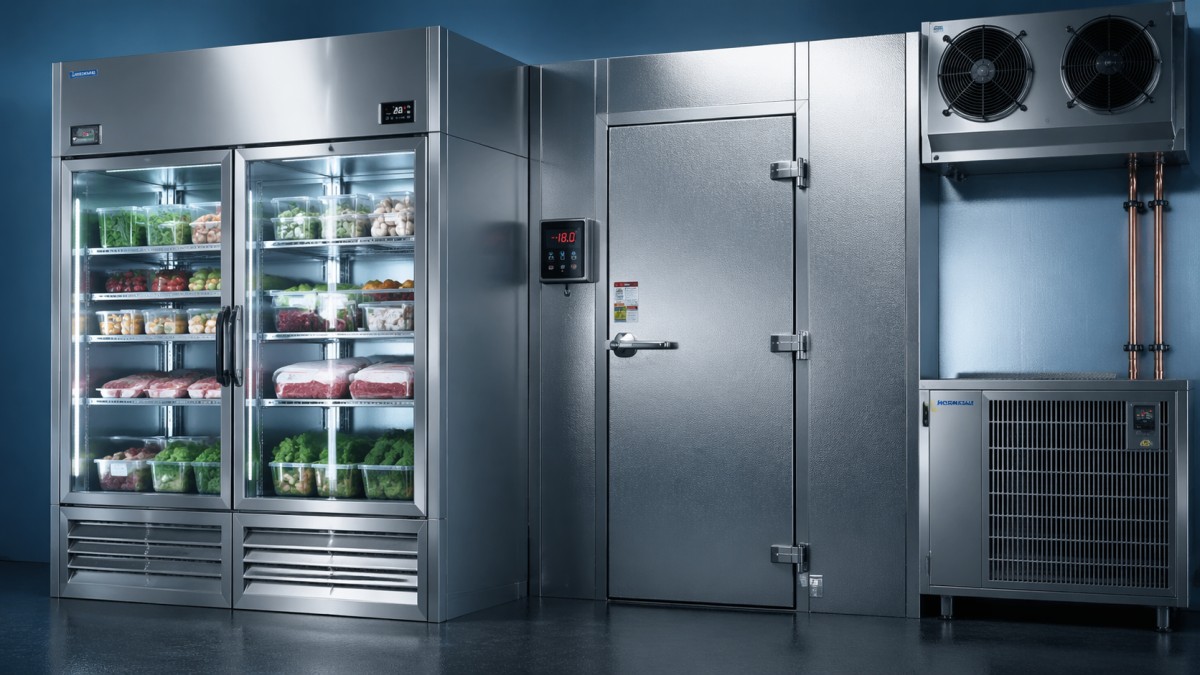
Peak season exposes the gap between rated performance and real-world use. A walk-in cooler, freezer, prep table, or reach-in refrigerator may be technically suitable on paper, but once demand spikes, the system faces longer run times, hotter kitchens, heavier product loads, and more frequent access. That means the refrigeration equipment must remove more heat while often receiving less effective airflow and less recovery time between cycles.
In busy foodservice operations, commercial refrigeration equipment often fails in peak season for five core reasons:
- Thermal overload: too much warm product is introduced too quickly
- Restricted airflow: blocked vents, crowded shelves, dirty coils, or poor equipment placement
- High kitchen heat load: fryers, ovens, grills, and inadequate ventilation raise ambient temperature
- Deferred maintenance: worn door gaskets, dirty condensers, refrigerant issues, and failing fan motors become critical under stress
- Operational misuse: excessive door opening, incorrect loading, and poor temperature discipline
In other words, peak season does not create weaknesses from nothing. It reveals existing weaknesses in equipment sizing, layout, maintenance, and day-to-day use.
What are the most common hidden causes behind peak-season refrigeration breakdowns?
Many businesses assume failure is mainly mechanical, but hidden operational and environmental issues are often the true cause. These are the factors most likely to push systems into breakdown during busy periods.
1. Overloading cold storage equipment
Cold Storage Equipment performs best when air can circulate freely around stored products. During peak season, staff often pack units tightly to maximize inventory. That reduces airflow, creates hot spots, slows pull-down time, and forces the compressor to run longer. In walk-ins and undercounter units, overloading can also block evaporator airflow directly, making the system appear weak even when the refrigeration circuit is still functional.
2. Dirty condenser coils and neglected maintenance
Dirty condenser coils are one of the most common and preventable causes of failure. Grease, dust, and kitchen debris reduce heat rejection, causing higher condensing pressure, increased energy consumption, and compressor stress. A unit may still cool for a while, but peak-season demand can turn that inefficiency into a full shutdown.
Other maintenance-related triggers include:
- Worn or torn door gaskets causing temperature loss
- Ice buildup on evaporators due to defrost issues
- Weak evaporator or condenser fan motors
- Drain line blockages
- Incorrect refrigerant charge or slow leaks
- Sensor and controller calibration drift
3. Poor commercial kitchen design
Commercial kitchen design has a direct impact on refrigeration performance, yet it is often underestimated. If refrigerators, freezers, or display units are installed next to fryers, combi ovens, grills, or dishwashing zones, they operate in hotter ambient conditions. If there is insufficient clearance around the condensing unit, heat cannot dissipate effectively. If staff pathways force constant door opening, recovery performance drops further.
Even high-quality professional kitchen equipment can underperform when layout decisions increase heat load and disrupt workflow. In peak season, bad placement becomes expensive very quickly.
4. Introducing hot product too fast
Commercial refrigeration is designed to hold or gradually recover temperature, not to rapidly remove large amounts of heat from freshly cooked or improperly pre-cooled food. When operators place hot stock, sauces, proteins, or prepared ingredients directly into storage cabinets, the whole box temperature rises. This threatens food safety, increases compressor cycling, and affects nearby products.
5. Frequent access and human behavior
During peak service periods, doors are opened constantly. Staff may leave doors ajar during prep, restocking, or cleaning. In some operations, units are used more like temporary holding spaces than controlled cold storage. This repeated warm-air infiltration leads to frost buildup, unstable temperatures, and heavy system wear.
Which warning signs show a refrigeration system is close to failing?
For operators and technical evaluators, early symptoms matter more than post-failure diagnosis. Peak-season losses often begin with small warning signs that are easy to dismiss.
Watch for these indicators:
- Cabinet temperature is technically cold, but recovery after door opening is slower than usual
- Compressors run almost continuously during busy hours
- Product temperatures vary by shelf or zone
- Condensation, sweating, or frost appears where it normally does not
- Fans sound weaker, louder, or inconsistent
- Door seals no longer close tightly
- Kitchen staff complain that units feel “less cold” in the afternoon or evening rush
- Energy bills rise without an obvious production increase
- High-temperature alarms become more frequent
From a management perspective, the most important point is this: if refrigeration performance becomes unstable only during the busiest and hottest part of the day, the issue is often capacity stress, airflow restriction, or environmental load rather than a sudden isolated failure.
How do peak-season refrigeration failures affect food safety, costs, and operations?
The business impact of refrigeration failure goes well beyond repair cost. For restaurants, hotels, central kitchens, and food processing sites, one failure can trigger multiple losses at the same time.
Food safety risk
If storage temperatures drift above safe thresholds, perishable ingredients may enter the danger zone. Even if food is not obviously spoiled, it may no longer meet internal compliance standards or customer expectations. This creates waste, potential liability, and reputational risk.
Operational disruption
When one critical unit fails in peak season, teams often start using other equipment as backup. That overloads surrounding units, disrupts prep flow, slows service, and creates workflow bottlenecks. In high-volume kitchens, a single refrigeration issue can affect receiving, prep, holding, plating, and delivery timing.
Higher emergency costs
Emergency service during peak season is usually more expensive than scheduled maintenance. Add product loss, overtime, temporary rental equipment, rushed procurement, and possible downtime, and the true cost rises quickly.
Reduced equipment life
Systems forced to run under constant stress age faster. Compressors, motors, relays, and controls all experience more wear when units are oversized in workload but undersupported in maintenance and layout.
What can operators and managers do to prevent refrigeration failure before peak demand starts?
The most effective strategy is not waiting for a breakdown. Peak-season readiness requires a combination of maintenance, workflow adjustment, and equipment planning.
1. Perform a pre-season refrigeration audit
Before demand spikes, inspect all commercial refrigeration assets, including walk-ins, reach-ins, prep counters, undercounter units, blast chillers, and freezer storage. Review:
- Actual holding temperature and recovery time
- Condenser coil cleanliness
- Fan performance
- Door gasket condition
- Defrost operation
- Drainage condition
- Control accuracy and alarm logs
- Signs of refrigerant leak or oil residue
2. Reassess kitchen layout and heat exposure
If refrigeration units sit near major cooking equipment, reevaluate placement, shielding, or ventilation improvements. Better commercial kitchen design can lower ambient stress and improve reliability without replacing the refrigeration unit itself.
3. Train staff on loading and door discipline
Simple behavior changes can reduce failure risk significantly. Teach staff not to overpack shelves, not to block return air vents, not to place hot food directly into holding units, and not to leave doors open during service. In many kitchens, these low-cost practices produce immediate gains.
4. Match equipment to actual demand, not average demand
Decision-makers often purchase based on normal operating volume, but peak season tests maximum demand. If a unit is regularly overloaded during busy periods, replacement or capacity expansion may deliver better long-term value than repeated service calls.
5. Use monitoring, not guesswork
Temperature logging, alarm tracking, and performance trend review help teams identify weak assets before they fail. Smart monitoring is increasingly valuable in modern professional kitchen equipment environments, especially for multi-site businesses or high-throughput kitchens.
When is repair enough, and when should a business replace or upgrade equipment?
This is a key question for technical evaluators and business leaders. Not every seasonal failure means replacement is necessary, but repeated peak-season instability should trigger a deeper review.
Repair is often reasonable when:
- The root cause is clearly isolated, such as a fan motor, gasket, controller, or dirty condenser
- The unit is otherwise correctly sized and well positioned
- Energy use remains acceptable
- The equipment has a solid service history
Replacement or upgrade is often the better choice when:
- The unit repeatedly struggles during high-demand periods
- Kitchen expansion has increased load beyond original design assumptions
- Repairs are frequent and cumulative cost keeps rising
- Food safety risk from temperature inconsistency is increasing
- The current equipment lacks energy efficiency or modern monitoring capability
- Layout changes or new workflows require a different refrigeration format
For enterprises evaluating investment, the right comparison is not just repair cost vs purchase price. It should include downtime risk, product loss, labor disruption, service frequency, energy use, and compliance exposure.
What should buyers look for in commercial refrigeration equipment for peak-season reliability?
If your operation is planning a new project or replacing aging units, focus on reliability under stress, not just nominal cooling capacity. The best commercial refrigeration systems for peak-season use are designed for real kitchen conditions.
Important evaluation points include:
- Capacity under high ambient temperatures
- Airflow design and recovery performance
- Ease of condenser cleaning and service access
- Door durability and gasket quality
- Control system accuracy and alarm functions
- Compatibility with smart monitoring systems
- Energy efficiency under heavy-duty use
- Suitability for your actual workflow, product type, and loading pattern
In many cases, the best outcome comes from viewing refrigeration as part of a broader kitchen system. Storage strategy, prep flow, ventilation, staffing behavior, and equipment placement all affect performance.
Peak-season refrigeration failure is rarely random. It usually happens when hidden weaknesses in maintenance, loading habits, airflow, or kitchen layout collide with higher demand and higher heat. For operators, the priority is spotting warning signs early and improving daily practices. For technicians, it means diagnosing system stress, not just replacing failed parts. For business decision-makers, it means evaluating lifecycle value, food safety risk, and whether current equipment truly matches seasonal demand. Businesses that prepare before the rush are far more likely to protect product quality, avoid emergency downtime, and get better long-term performance from their commercial refrigeration equipment.
Popular Tags
Kitchen Industry Research Team
Dedicated to analyzing emerging trends and technological shifts in the global hospitality and foodservice infrastructure sector.
Industry Insights
Join 15,000+ industry professionals. Get the latest market trends and tech news delivered weekly.
No spam. Unsubscribe anytime.
Contact With us
Contact:
Anne Yin (Ceramics Dinnerware/Glassware)
Lucky Zhai(Flatware)