
Restaurant Kitchen Organization by Station or by Shift?
Should a commercial restaurant kitchen be organized by station or by shift? For most restaurants, the best answer is not purely one or the other. High-performing kitchens usually build the physical space, storage, and equipment setup by station, then manage labor, prep, cleaning, and handoffs by shift. That approach gives teams the speed and consistency of station-based organization while preserving the flexibility needed for changing volume, staffing levels, and service periods.
For operators, purchasers, and decision-makers, this question matters because restaurant kitchen organization affects far more than tidiness. It shapes ticket times, food safety, staff training, waste control, equipment utilization, and even whether a kitchen can scale profitably. A kitchen that looks organized on paper can still fail during lunch rush if tools, ingredients, and responsibilities are not aligned with how work actually flows.
This guide explains when to organize a restaurant kitchen by station, when a shift-based model makes more sense, and how to combine both into a practical system. It also covers restaurant kitchen storage, layout planning, staffing realities, and equipment decisions that support a cleaner, faster, and more resilient operation.
Start with the practical answer: organize the kitchen by station, manage execution by shift
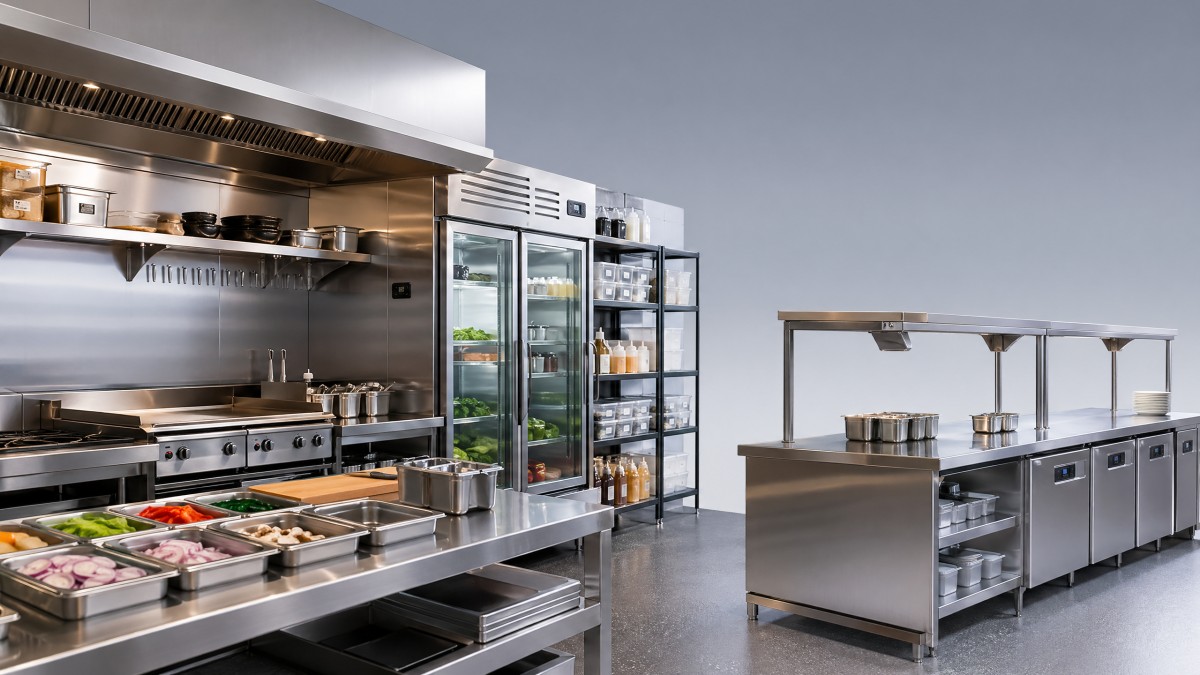
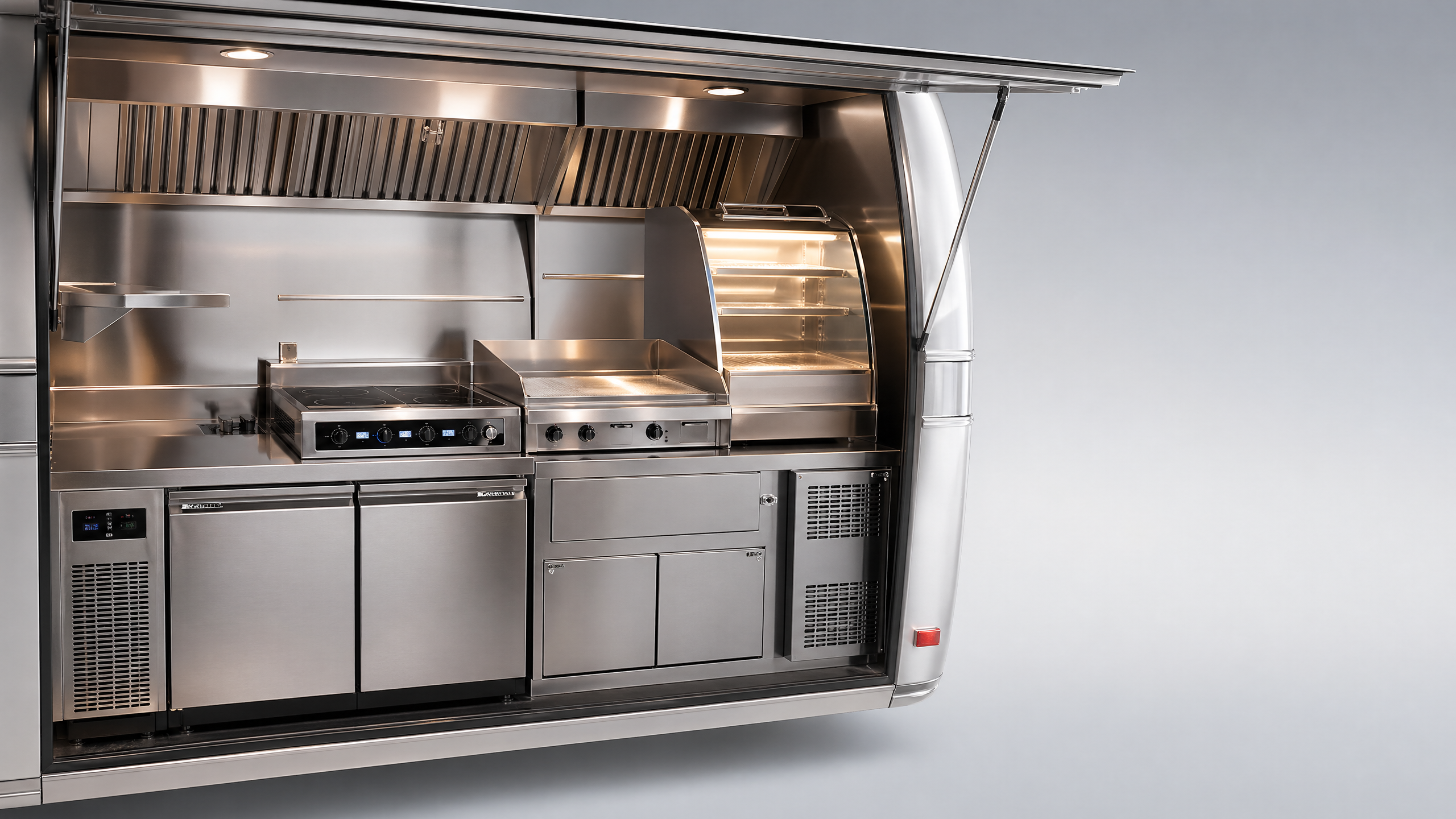
If you need a short answer, organize the physical kitchen by station. That means assigning dedicated areas for prep, grill, fry, sauté, salad, pastry, dishwashing, cold storage access, and plating based on your menu and service style. Station-based structure reduces movement, shortens retrieval time, and makes training more repeatable. It also supports better restaurant kitchen layout planning because equipment, smallwares, and ingredients can be placed where they are used most often.
But physical layout alone does not solve labor variability. Restaurant demand changes by daypart, season, and staffing availability. That is why the operating system should be managed by shift. Morning, lunch, dinner, and closing shifts often require different prep loads, cleaning routines, stock checks, and task ownership. A shift layer helps managers assign responsibilities clearly even when the same person covers multiple stations during slower periods.
In other words, station-based organization creates operational stability, while shift-based management creates staffing flexibility. Restaurants that rely only on stations can struggle when labor is thin or turnover is high. Restaurants that rely only on shifts often become inconsistent because tools and ingredients are not anchored to a stable workflow. The strongest model combines both.
What readers usually want to know before making changes
Information researchers often want to know which model is considered best practice. Buyers and operators usually care more about what actually improves speed, safety, and labor efficiency. Decision-makers ask a different but related question: which organizational model reduces cost, lowers risk, and supports growth without requiring a full kitchen rebuild?
These audiences are usually concerned about five practical issues. First, will the kitchen run faster during peak service? Second, will staff make fewer mistakes and maintain food safety more reliably? Third, can the system work even with turnover, cross-training, or temporary labor shortages? Fourth, does the current layout support the intended workflow, or is equipment placement creating unnecessary friction? Fifth, how much investment is needed in shelving, refrigeration access, prep tables, holding equipment, or digital tools?
That means the most useful content is not a theoretical debate between two models. Readers need a decision framework. They need to understand which organization method fits their menu complexity, service volume, staffing pattern, and space constraints. They also need actionable ways to improve restaurant kitchen storage and process flow without overcomplicating the operation.
When station-based kitchen organization works best
Station-based organization is usually the right foundation for full-service restaurants, high-volume casual dining, hotels, and kitchens with moderate to high menu complexity. In these environments, speed and consistency depend on repeatable work zones. If each station has dedicated equipment, tools, containers, and ingredient access, staff spend less time searching, walking, and negotiating shared space.
This model is especially effective when production tasks are specialized. Grill cooks need a different setup than cold line staff. Fry stations require reliable oil management, dump areas, and nearby frozen storage access. Salad or garde manger stations depend on ingredient visibility, cold holding, and clean assembly surfaces. A station-based design allows each zone to be optimized for its actual output rather than forcing all tasks into a generic shared area.
Station-based organization also makes training easier. New hires can learn one area at a time, and managers can define station checklists, par levels, tool sets, and cleaning responsibilities more clearly. For procurement teams, this structure supports more accurate equipment selection because needs can be specified by function: undercounter refrigeration for the line, heat lamps at pass-through, stainless prep tables for prep zones, and shelving sized to station-level inventory.
When shift-based kitchen organization makes more sense
Shift-based organization is often more practical in small kitchens, low-volume outlets, ghost kitchens with changing menus, cafés with broad all-day coverage, and operations where a few employees perform many roles. In these cases, creating highly fixed stations may not match actual labor use. One person may prep in the morning, cook during lunch, restock in the afternoon, and close at night.
In a shift-led model, tasks are grouped around time-based responsibilities rather than fixed work zones. The opening shift might handle receiving, labeling, prep, and setup. The mid shift may focus on line support, replenishment, and sanitation checks. The closing shift may own deep cleaning, stock counts, waste tracking, and next-day staging. This can be more realistic for lean teams and can reduce underused equipment or duplicated tools across stations.
However, shift-based organization becomes risky if there is no physical discipline behind it. Shared storage can quickly become chaotic. Ingredients may drift away from point of use. Tools can disappear into the wrong drawers. Cleaning accountability can become vague. For this reason, even restaurants that operate heavily by shift still need a baseline station logic for storage, labeling, and movement paths.
How to decide which model fits your restaurant
A useful way to decide is to evaluate four factors: menu complexity, service intensity, staff specialization, and space constraints. If your menu has many cooking methods and simultaneous ticket production, station-based organization should lead. If your operation has limited staff and lower service peaks, shift-based execution can take a larger role. If both conditions exist, which is common, a hybrid model is the best choice.
Look at movement first. Track how often staff cross paths, wait for shared tools, or walk long distances for frequently used ingredients. If these problems are common, your kitchen likely needs stronger station design. Then review labor patterns. If employees regularly rotate roles based on volume and availability, your management system needs stronger shift planning with defined handoffs, prep targets, and checklists.
Another decision point is equipment utilization. If expensive equipment sits idle because work is not routed properly, your layout may be too rigid or poorly matched to shifts. If staff crowd around multipurpose areas because specialized stations were never fully equipped, your layout may be too loose. The goal is not to copy another restaurant’s model. It is to align structure with actual production behavior.
Restaurant kitchen storage is where organization succeeds or fails
Many kitchens think they have a staffing problem when they actually have a storage problem. Poor restaurant kitchen storage creates hidden labor waste. Cooks lose seconds on every ticket searching for inserts, pans, ladles, labels, backup sauce containers, or cleaning supplies. Over a full service week, those seconds become hours of avoidable friction.
Storage should be designed around frequency and point of use. Fast-moving items belong closest to the station that uses them. Backup stock should be nearby but not in the primary work zone. Cleaning supplies should be easy to access without contaminating food areas. Dry storage should reflect picking order, not just shelf availability. Walk-in cooler placement should support replenishment without forcing line cooks to travel excessive distances during rush periods.
For buyers and managers, this is where equipment and accessories matter. Shelving systems, undercounter refrigeration, ingredient bins, mobile racks, wall-mounted tool storage, heated holding, and clearly labeled food pans all shape workflow. Smart storage does not mean adding more containers everywhere. It means reducing touches, improving visibility, and making the correct item the easiest item to reach.
Layout planning should follow workflow, not tradition
Restaurant kitchen layout planning often fails when kitchens are organized according to habit instead of process. A grill should not be placed based only on where gas access is easiest if that location breaks plating flow. A prep area should not be oversized if the true bottleneck is cold holding near service. The best layout decisions come from mapping how ingredients, staff, and finished plates move through the kitchen during real operating periods.
Start with the menu and identify high-volume paths. Which dishes drive most tickets? Which components require the most touches? Which stations interact most often? Then examine handoff points. Where do prep items enter line storage? Where does plating occur? Where do dirty dishes cross with food runners or receiving? A kitchen becomes safer and faster when these intersections are reduced.
Decision-makers should also think beyond today’s service pattern. If the business expects growth, menu expansion, more delivery volume, or semi-automation in the future, the layout should allow for flexible equipment integration. Modular prep tables, mobile workstations, digital display systems, and energy-efficient equipment can support both station stability and shift adaptability over time.
The hybrid model: the most practical system for modern kitchens
For most commercial kitchens, the hybrid model offers the strongest balance. Build the kitchen around stable stations, but assign responsibilities and performance targets by shift. For example, the cold station, hot line, dish area, and prep zone remain physically fixed. Yet the opening shift is responsible for station setup, the lunch shift for replenishment and line readiness, and the closing shift for recovery, sanitation, and next-day handoff.
This model works well because it separates physical organization from labor scheduling. Equipment placement, storage logic, and ingredient location stay consistent, which reduces confusion. At the same time, managers can flex labor according to demand. One employee may cover two stations in slow periods, while peak shifts can assign specialized staff to each zone without reorganizing the kitchen every day.
The hybrid approach also improves accountability. When a station is disorganized, managers know where it belongs. When a task is missed, they know which shift owned it. That clarity supports better audits, stronger food safety routines, easier onboarding, and more useful performance reviews. It is a system that respects both operational discipline and real-world staffing pressure.
What buyers and decision-makers should evaluate before investing
If you are purchasing kitchen equipment or redesigning part of a facility, do not buy based only on product specifications. Evaluate whether the equipment supports your chosen organization model. A beautiful prep table that lacks integrated storage may create more steps. A refrigeration unit with the wrong door swing can interrupt a station. Oversized equipment can reduce line efficiency even if it offers higher capacity.
Focus on return through workflow improvement. Ask how an item affects retrieval time, replenishment, cleaning labor, temperature control, and staff motion. Compare fixed versus mobile equipment based on your shift variability. Consider energy efficiency not only as a utility issue but as a contributor to heat load and staff comfort. In busy kitchens, environmental conditions influence productivity more than many buyers realize.
For larger organizations, standardization is another major factor. Multi-unit operators benefit when station layouts, storage conventions, and shift checklists are similar across locations. That makes training faster, purchasing more consistent, and performance easier to compare. The right equipment strategy should support a repeatable operating model, not just fill empty floor space.
Simple implementation steps that produce real gains
You do not need a full renovation to improve restaurant kitchen organization. Start by observing one lunch rush and one dinner rush. Document movement, delays, missing tools, stockouts, and congestion. Then classify issues into station problems, shift problems, and storage problems. This alone often reveals that what looks like a staffing issue is really a layout or replenishment issue.
Next, create station maps with required tools, ingredients, par levels, and cleaning points. Then create shift checklists with opening, transition, and closing responsibilities. Add visual labels to shelves, inserts, backup stock areas, and mobile equipment. Limit exceptions. If every station stores items differently, the system will break under pressure.
Finally, review equipment support. Small changes such as relocating shelving, adding undercounter cold storage, using mobile prep racks, or improving pass-through organization can deliver a meaningful return quickly. After implementation, track results through ticket times, waste, labor hours, sanitation findings, and staff feedback. The best organization system is the one that measurably improves performance, not the one that sounds most sophisticated.
Conclusion: choose structure that matches production reality
So, should a restaurant kitchen be organized by station or by shift? In most cases, by station for physical setup and by shift for operational management. That combination supports faster service, cleaner restaurant kitchen storage, better training, stronger food safety, and more efficient use of labor and equipment.
For operators and kitchen staff, the key is to reduce motion, confusion, and unclear ownership. For buyers, the priority is choosing equipment and storage solutions that support point-of-use efficiency. For business leaders, the goal is a system that scales, controls cost, and remains stable even when staffing or volume changes.
The best restaurant kitchen organization is not about following a trend. It is about aligning layout, storage, equipment, and shift responsibility with how your kitchen actually works. When that alignment is right, the kitchen becomes faster, safer, and easier to manage every day.
Popular Tags
Kitchen Industry Research Team
Dedicated to analyzing emerging trends and technological shifts in the global hospitality and foodservice infrastructure sector.
Industry Insights
Join 15,000+ industry professionals. Get the latest market trends and tech news delivered weekly.
No spam. Unsubscribe anytime.
Contact With us
Contact:
Anne Yin (Ceramics Dinnerware/Glassware)
Lucky Zhai(Flatware)