
Restaurant Kitchen Hood Maintenance Gaps That Hurt Airflow
Poor restaurant kitchen hood maintenance can quietly reduce airflow, raise energy costs, and compromise safety across any commercial restaurant kitchen. For operators, buyers, and decision-makers evaluating restaurant kitchen cleaning, restaurant kitchen equipment specifications, or commercial restaurant kitchen design, understanding these hidden maintenance gaps is essential to protecting performance, compliance, and long-term equipment value.
Why airflow problems often start with overlooked hood maintenance details
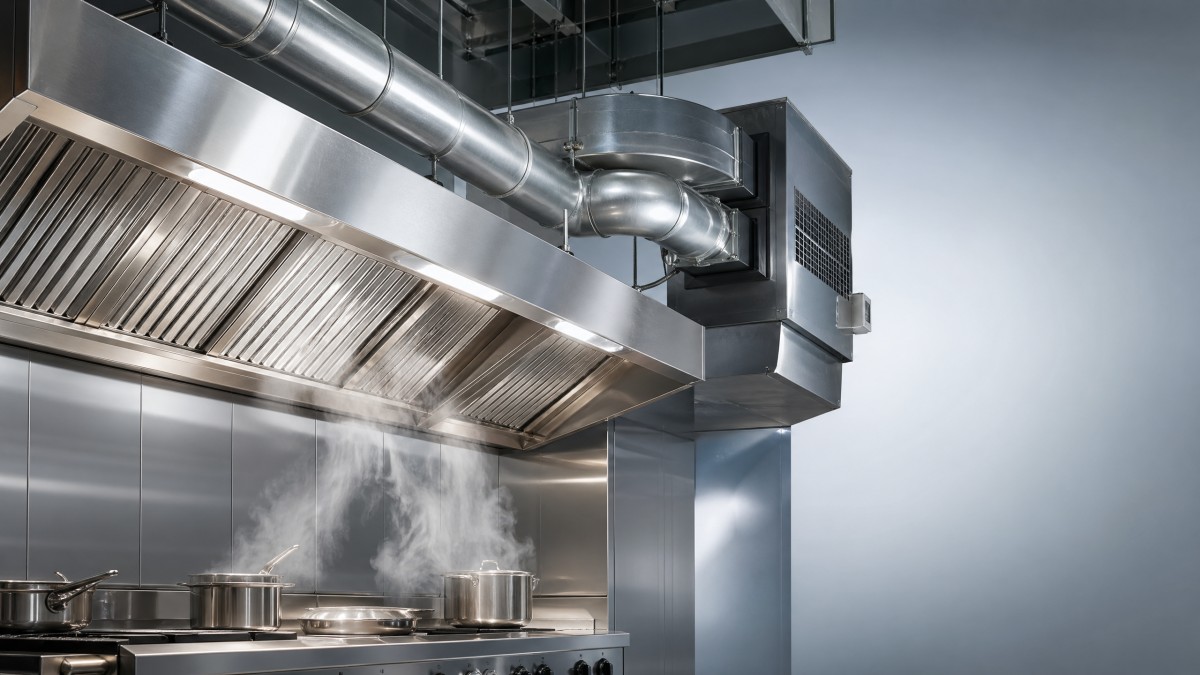
In many restaurant kitchens, airflow decline does not begin with a dramatic equipment failure. It usually starts with small maintenance gaps: grease loading inside filters, uneven fan balance, clogged duct sections, or a make-up air mismatch that develops over 3–6 months of operation. These issues are easy to miss because cooking can continue, yet capture efficiency, staff comfort, and energy use gradually worsen.
For kitchen operators, the hood system is not an isolated component. It is part of a larger kitchen equipment environment that includes cooking lines, heat-producing appliances, fire suppression interfaces, and air replacement systems. When hood maintenance slips, the impact spreads across the full commercial kitchen workflow, especially in high-output restaurants, hotels, central kitchens, and food processing support areas.
The most common misconception is that visible surface cleaning equals effective restaurant kitchen hood maintenance. In reality, airflow performance depends on several linked points: filter condition, fan speed, belt tension where applicable, duct cleanliness, hood capture geometry, and the relationship between exhaust volume and replacement air. If only one point is checked, the whole system may still underperform.
This matters even more as the kitchen equipment industry moves toward energy-efficient and smarter systems. Modern commercial restaurant kitchen design increasingly integrates digital controls, variable speed operation, and equipment layouts built for productivity. A neglected hood system can reduce the benefit of those investments and create avoidable downtime, compliance risk, and operator complaints.
Typical hidden maintenance gaps that hurt hood performance
- Grease filters are washed irregularly, installed in the wrong orientation, or replaced too late, reducing capture and increasing resistance.
- Duct sections near elbows and vertical risers collect residue faster than expected, especially in kitchens running 10–16 hours per day.
- Exhaust fans are serviced, but make-up air units are ignored, creating negative pressure that weakens hood performance.
- Kitchen line changes, such as adding fryers or charbroilers, are made without rechecking the hood airflow balance.
For procurement teams and decision-makers, these maintenance gaps are also lifecycle cost issues. A hood system that seems acceptable on day one may become expensive over 12–24 months if the maintenance plan is incomplete. That is why restaurant kitchen cleaning should be evaluated together with equipment selection, service access, and long-term operating conditions.
Which maintenance gaps create the biggest operational and compliance risks?
Not all maintenance issues carry the same impact. Some mainly reduce comfort and efficiency, while others increase fire load, odor complaints, or inspection exposure. In busy commercial restaurant kitchen operations, risk should be assessed by frequency, grease intensity, and the type of appliances under the hood. A line with fryers, griddles, and open-flame cooking usually requires tighter inspection intervals than a low-grease prep area.
From a practical standpoint, operators should review the hood system through 4 core lenses: capture performance, exhaust path cleanliness, air balance stability, and service accessibility. If one of these areas is weak, routine cleaning alone may not solve the problem. This is especially relevant in retrofits where legacy duct routes and newer high-output equipment are mixed.
The table below helps compare common restaurant kitchen hood maintenance gaps by symptom, likely cause, and business impact. It is useful for information researchers, kitchen users, buyers, and enterprise managers who need a structured way to judge where action should start.
A clear pattern appears here: the biggest risks often come from incomplete system thinking, not just dirty components. In other words, restaurant kitchen cleaning must be connected to airflow verification, duct access, and kitchen production reality. That is the difference between cleaning for appearance and maintaining for performance.
Where problems show up first in daily operations
Users and line supervisors usually notice the first signs before management does. A hotter work zone, escaping steam during peak service, or grease on nearby surfaces often appears 2–8 weeks before a formal service call is placed. These operational signals should be recorded, not dismissed as normal kitchen conditions.
Early warning checklist
- Smoke or vapor drifting beyond the hood edge during lunch or dinner peaks.
- Unusual fan noise, vibration, or reduced pull felt at the cooking line.
- Grease residue building faster on light fixtures, wall panels, or nearby shelving.
- Staff complaints about heat stress, odors, or discomfort after continuous 4–6 hour shifts.
When these warning signs appear, businesses should not wait for annual review cycles. A targeted inspection of filters, fan condition, and air balance can often identify the root cause faster and at lower cost than reacting after service disruption or failed internal hygiene checks.
What should buyers and decision-makers evaluate before choosing a hood maintenance plan?
For procurement teams, hood maintenance should be purchased as a performance management solution, not just a cleaning task. The right service scope depends on cooking load, operating hours, duct complexity, access points, and how integrated the hood is with the rest of the kitchen equipment system. A low-price quote can become expensive if it excludes critical inspection items or verification steps.
Buyers should compare at least 5 dimensions: maintenance frequency, service depth, airflow checks, reporting method, and parts support. This is especially important in multi-site restaurant groups, hotel kitchens, and foodservice facilities where standardization affects budgeting and compliance readiness. Maintenance documentation should be usable by both operations teams and management.
The next table outlines a practical procurement framework for restaurant kitchen hood maintenance. It is designed to support comparison between internal service routines, outsourced cleaning providers, and integrated kitchen equipment support models.
This framework helps separate commodity cleaning offers from true operational support. In modern kitchen equipment environments, the best maintenance partner is the one that understands cooking intensity, equipment interaction, and long-term performance targets—not only immediate cleaning tasks.
A practical selection approach for different kitchen types
A small independent restaurant may focus on budget control and short response times. A hotel or central kitchen may prioritize scheduled service windows, cross-site consistency, and formal documentation. A food processing support kitchen may place greater weight on hygiene procedures and process discipline. The maintenance plan should match that operational context rather than follow a single generic template.
Selection priorities by scenario
- High-grease restaurant lines: prioritize shorter cleaning cycles, hidden duct inspection, and fan performance checks every 1–3 months depending on use intensity.
- Hotels and institutional kitchens: prioritize documentation, predictable service slots, and compatibility with broader facility management plans.
- New kitchen projects: prioritize service access design, removable components, and future equipment expansion capacity during specification stage.
When possible, procurement should involve both the end users and the technical team. Operators know where smoke escapes during peak periods, while buyers understand cost structures and decision-makers need risk visibility. Combining those viewpoints leads to stronger restaurant kitchen equipment decisions.
How to build a maintenance schedule that supports airflow, energy efficiency, and kitchen uptime
A reliable maintenance schedule should reflect how the kitchen actually operates. There is no single interval that fits every hood system. A kitchen serving light-duty menus 6–8 hours per day may not need the same service frequency as a high-volume frying concept running 14–18 hours. The goal is to match cleaning intensity and inspection depth to the real grease and airflow burden.
For many facilities, a 3-layer schedule works best: routine operator checks, periodic technical inspection, and deep system cleaning at planned intervals. This model supports both daily use and long-term asset care. It also fits the direction of the kitchen equipment sector, where smart monitoring, energy management, and preventive service are becoming more important than reactive repair.
The following schedule is not a legal standard, but it provides a practical reference range that many commercial kitchens can adapt based on cooking duty, grease output, and local compliance expectations.
The key takeaway is consistency. A moderate but well-documented schedule usually performs better than irregular deep cleaning with long gaps in between. It also supports budget planning because service events become predictable rather than emergency-driven.
Implementation steps that reduce missed maintenance
- Map the cooking line by grease intensity and identify which appliances generate the heaviest vapor load.
- Assign 3 levels of responsibility: operator checks, facility review, and specialist service intervention.
- Create a simple log covering dates, findings, corrective actions, and next review time.
- Reassess the plan after layout changes, menu shifts, or new equipment installation within 2–4 weeks of commissioning.
This structured approach is especially valuable when kitchens adopt newer energy-efficient appliances or automated production systems. As cooking output becomes more concentrated and equipment layouts become tighter, ventilation performance becomes more sensitive to maintenance discipline.
FAQ: common questions about restaurant kitchen hood maintenance and airflow
How do I know if poor airflow is a hood issue or a make-up air issue?
Look at the full symptom pattern. If smoke escapes the hood edge, doors feel harder to open, and the kitchen has noticeable drafts or pressure imbalance, make-up air may be part of the problem. If the issue is mainly localized grease buildup, visible filter blockage, or fan underperformance, the hood exhaust path may be the primary concern. In many real kitchens, both factors interact and should be checked together.
Can regular restaurant kitchen cleaning solve most airflow problems?
It solves some, but not all. Routine cleaning is essential for reducing grease load and keeping accessible areas functional. However, if the duct route is restricted, the fan is unstable, or the kitchen line has changed since the original commercial restaurant kitchen design, cleaning alone may not restore airflow. A performance review is usually needed when problems continue after cleaning.
What should procurement teams ask service providers before signing?
Ask for a clear scope covering components serviced, expected intervals, access limitations, documentation format, and how airflow-related issues are flagged. Buyers should also ask whether the provider can support changes in restaurant kitchen equipment configuration, urgent service timing, and cross-site consistency if multiple kitchens are involved.
Is hood maintenance still important in smart or energy-efficient kitchens?
Yes, and arguably more so. Smart kitchen systems and energy-saving controls depend on stable operating conditions. If grease buildup, blocked filters, or imbalance reduce airflow, automated controls may not deliver the expected efficiency gains. Preventive hood maintenance protects the value of smarter kitchen equipment investments and supports sustainable kitchen operation.
Why choose us for kitchen equipment support and what can you discuss with our team?
In the evolving kitchen equipment industry, hood maintenance should connect with broader decisions about efficiency, safety, equipment integration, and long-term operating cost. Our approach is built around that wider view. We support commercial kitchens, hospitality projects, and foodservice buyers who need practical guidance across restaurant kitchen equipment selection, cleaning scope definition, and ventilation-related planning.
If you are comparing options, our team can help you review 5 key areas: hood maintenance scope, airflow-related risk points, compatibility with your cooking line, expected service intervals, and implementation priorities for new or existing kitchen layouts. This is useful whether you are at the research stage, actively operating a site, or preparing a procurement decision.
You can contact us to discuss parameter confirmation, product and system selection, delivery timing for related kitchen equipment, customized ventilation-support solutions, common compliance considerations, sample or specification review, and quotation planning. If your project includes upgrades, we can also help assess how new appliances may affect hood performance and maintenance frequency.
A focused discussion early in the process often prevents costly redesign, repeated cleaning, or underperforming airflow after installation. If your restaurant kitchen hood maintenance plan feels incomplete, or if your team is unsure whether cleaning, equipment, or layout is causing airflow loss, reach out with your kitchen configuration and operating conditions for a more targeted evaluation.
- smart kitchen
- central kitchen
- kitchen design
- restaurant kitchen
- Griddle
- Charbroiler
- kitchen equipment
- restaurant kitchen equipment
- restaurant kitchen design
- commercial restaurant kitchen design
- restaurant kitchen equipment specifications
- commercial restaurant kitchen
- restaurant kitchen hood
- restaurant kitchen cleaning
Popular Tags
Kitchen Industry Research Team
Dedicated to analyzing emerging trends and technological shifts in the global hospitality and foodservice infrastructure sector.
Industry Insights
Join 15,000+ industry professionals. Get the latest market trends and tech news delivered weekly.
No spam. Unsubscribe anytime.
Contact With us
Contact:
Anne Yin (Ceramics Dinnerware/Glassware)
Lucky Zhai(Flatware)