
Meat Mincer Buying Mistakes That Create Food Safety Risks
A Meat Mincer can improve efficiency, but the wrong buying decision may introduce serious food safety hazards into daily operations. For quality control and safety managers, overlooking material grade, cleaning design, temperature control, or compliance standards can increase contamination risks and regulatory exposure. This article highlights the most common purchasing mistakes and what to evaluate before selecting equipment for safer, more reliable food processing.
Why does a Meat Mincer become a food safety risk so easily?
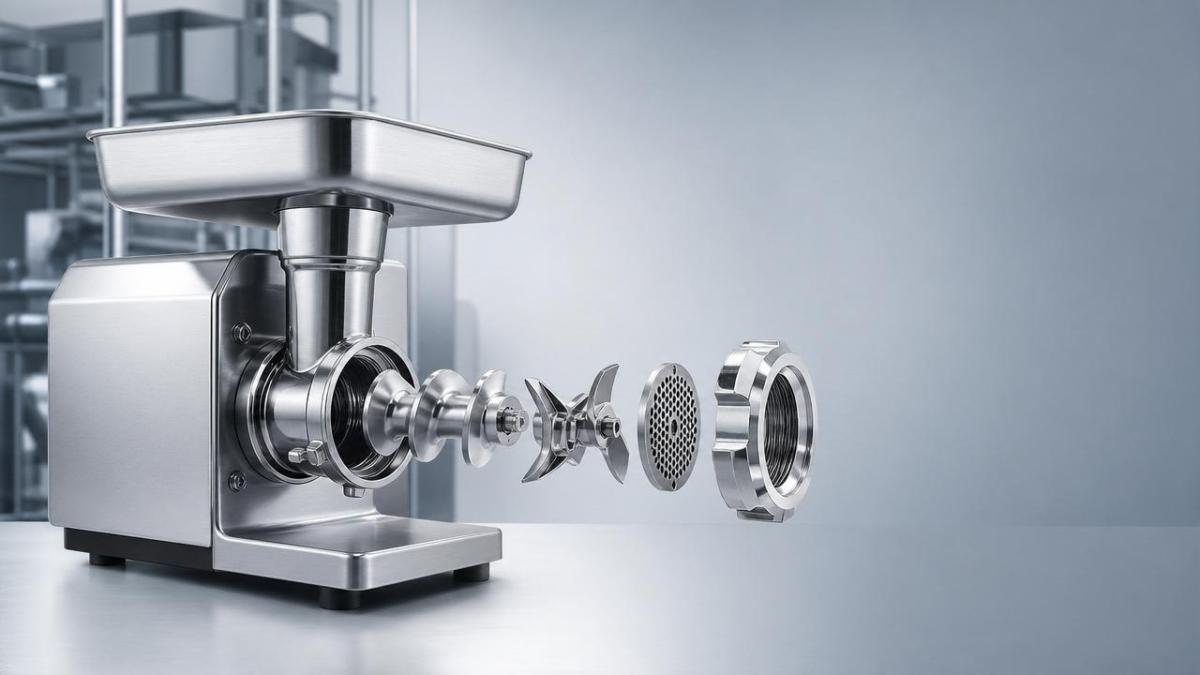
In restaurants, hotels, central kitchens, butcher shops, and food processing facilities, a Meat Mincer sits at a critical control point. It handles raw protein, creates large contact surfaces, and often runs in repeated batches under time pressure. That combination makes it highly sensitive to contamination, temperature abuse, and poor sanitation design.
For quality control and safety managers, the buying stage matters as much as daily cleaning and operation. A poorly specified Meat Mincer can trap residues behind the auger, allow lubricants near the product zone, raise meat temperature during grinding, or fail to support traceable maintenance routines. These failures do not always appear in a sales demo, but they become visible during audits, complaints, microbial testing, and regulatory review.
- Raw meat carries natural microbial load, so equipment design must reduce harborage points rather than add them.
- Grinding increases surface area, which can accelerate bacterial growth if temperature rises during processing.
- Production teams often disassemble and reassemble the machine frequently, so poor ergonomics can lead to incomplete cleaning or wrong assembly.
- In cross-border procurement, differences in electrical standards, documentation quality, and material declarations can create hidden compliance gaps.
As the kitchen equipment industry moves toward automation, smart monitoring, and more integrated processing lines, buyers now expect more than grinding output. They need a Meat Mincer that fits HACCP thinking, supports sanitation validation, and works reliably in increasingly digital and efficiency-focused production environments.
The most common Meat Mincer buying mistakes that trigger safety problems
Many food safety issues start long before the first batch is processed. They begin when procurement teams focus only on price, motor power, or hourly output. The table below summarizes frequent Meat Mincer buying mistakes and the practical risk each one creates for quality teams.
The pattern is clear: the biggest mistake is treating a Meat Mincer like a simple mechanical appliance. In reality, it is a hygiene-sensitive processing system. Procurement should therefore be linked directly to sanitation, verification, maintenance, and audit readiness.
Which technical details should safety managers inspect before approval?
A spec sheet can look acceptable while hiding real operational risks. Before approving any Meat Mincer, quality and safety managers should review the equipment using a practical hygiene lens, not only a production lens.
1. Food-contact materials and surface finish
Ask for documented food-contact material information for the hopper, worm, knife, plate, retaining ring, and other surfaces touching the product. Surface finish matters because scratches, rough welds, or pitting can shelter residues and make verification swabs less reliable. Also review whether the machine will be exposed to chlorinated or alkaline cleaning chemicals that may accelerate corrosion on lower-grade surfaces.
2. Disassembly speed and cleaning accessibility
A Meat Mincer used in high-turnover kitchens or processing rooms should support quick, repeatable disassembly without special tools. If sanitation staff need excessive force, awkward hand positions, or extra tools to remove the knife set and auger, cleaning consistency will drop over time. During evaluation, request a live breakdown and reassembly demonstration.
3. Temperature rise during operation
Grinding can increase product temperature through friction, especially with dull cutting sets, overloaded motors, or long continuous runs. That matters in meat processing because tighter temperature control helps preserve texture and reduce microbial growth risk. Ask suppliers how the machine behaves under sustained load and whether they recommend pre-chilled product, staged feeding, or duty-cycle limits.
4. Seal integrity, lubricant separation, and ingress protection
Evaluate whether product areas are clearly separated from bearings, motors, and lubricated components. Poor seal design can allow moisture ingress or contamination migration. In washdown environments, electrical protection and enclosure suitability also matter because water intrusion can compromise both sanitation and operator safety.
- Check if the cutting set is easy to inspect for wear, cracks, and residue buildup.
- Confirm whether contact parts can be cleaned separately in a sink or washer without damaging finish or fit.
- Review whether replacement parts are standardized and available quickly to avoid temporary unsafe fixes.
- Ask if the supplier provides cleaning guidance, exploded drawings, and recommended inspection intervals.
How to compare Meat Mincer options by risk, not just by capacity
When several suppliers offer similar output, the safer decision usually comes from structured comparison. The following table helps quality teams assess a Meat Mincer beyond headline capacity and into the operational details that influence contamination control.
This comparison approach is especially useful in the global kitchen equipment market, where suppliers may appear similar online but differ significantly in documentation quality, hygienic design maturity, and after-sales support. For safety managers, these differences often determine whether the machine remains compliant after six months of real use.
What standards and compliance points should be reviewed?
A Meat Mincer does not need every possible certificate to be acceptable, but it does need documentation that matches the market, application, and food-contact risk. In multinational procurement, this review is often missed until installation or inspection.
Core compliance checkpoints
- Food-contact material suitability should be documented for relevant components, especially where acids, salt, or aggressive cleaning agents are involved.
- Electrical conformity should match the destination market, voltage, frequency, plug or hardwire requirements, and local safety expectations.
- Machine guarding, emergency stop design where applicable, and operator safety instructions should be reviewed together with food safety requirements.
- Cleaning and maintenance documentation should be detailed enough to support internal SOPs, training, and verification records.
- Traceability information for spare parts and critical wear components should be available to control replacement quality.
Where formal standards are referenced, keep the discussion practical. For example, HACCP plans, sanitation standard operating procedures, and general food equipment hygiene expectations are often more useful at site level than collecting paperwork without operational meaning. The goal is not paperwork volume. The goal is a Meat Mincer that can be validated, cleaned, maintained, and audited with confidence.
How should procurement teams build a safer selection process?
The safest buying process is cross-functional. Procurement may own the purchase order, but QC, sanitation, maintenance, and operations should all influence the final selection. This is especially important in modern kitchen equipment environments where automation, labor efficiency, and hygiene performance must work together.
- Define the real application. Identify meat type, fat level, frozen or chilled condition, batch size, shift pattern, and cleaning frequency.
- Set hygiene criteria before requesting quotations. List must-have items such as material declaration, disassembly method, contact-part finish, and documentation package.
- Compare demonstrations under realistic conditions. A brief dry run is not enough. Ask for cleaning access review, part removal time, and wear-point explanation.
- Review serviceability. Confirm spare parts lead time, knife and plate replacement cycle, and whether local technical support is available.
- Plan validation after delivery. Include incoming inspection, installation check, cleaning verification, and initial operator training records.
This process reduces the risk of buying a Meat Mincer that looks acceptable in procurement documents but performs poorly in the real production environment. It also helps align equipment selection with the broader direction of the kitchen equipment sector, where integrated systems, digital oversight, and sustainable operation are increasingly expected.
Cost pressure is real, but where is the false economy?
Budget constraints often push buyers toward the lowest initial quotation. For safety managers, however, the more useful question is this: what is the cost of poor cleanability, unstable performance, or missing documentation over the next two to five years?
Common hidden costs of the wrong Meat Mincer
- Longer sanitation time per batch, which increases labor cost and reduces available production hours.
- More frequent blade and plate issues, causing temperature rise, inconsistent grind, and product waste.
- Unplanned downtime while waiting for proprietary parts or overseas technical clarification.
- Corrective actions after audit findings due to weak records, unclear manuals, or inadequate cleaning access.
- Higher contamination risk during rushed operations when staff struggle with disassembly or reassembly.
A well-selected Meat Mincer may not always be the cheapest item on the quote sheet, but it often becomes the lower-risk and lower-cost option once sanitation labor, downtime, replacement parts, and compliance effort are included. That is particularly relevant for facilities with high throughput or frequent audit exposure.
FAQ: what do quality and safety managers ask most often?
How do I know if a Meat Mincer is easy enough to clean for my site?
Do not rely on a brochure statement alone. Ask for a practical demonstration showing full disassembly, access to all food-contact areas, and reassembly time. Then compare that process with your own sanitation resources, shift turnover, and staff skill level. If cleaning depends on hard-to-reach surfaces or special tools, the design may not fit your operation.
Which Meat Mincer features help reduce microbial risk the most?
The highest-value features are usually hygienic design, smooth food-contact surfaces, easy drainage, fast disassembly, stable cutting performance, and control of product temperature during grinding. Documentation also matters because a machine that cannot be properly trained, maintained, or verified becomes a risk even if the mechanical design looks strong.
Is a larger Meat Mincer always better for growth planning?
Not necessarily. Oversized equipment can create longer product residence time, more retained meat, and more sanitation work. Choose capacity based on realistic batch patterns, expected growth, and cleaning intervals. A correctly sized machine is often safer than an oversized one operated far below its intended throughput.
What should be included in the supplier document package?
At minimum, request operating instructions, cleaning guidance, exploded parts drawings, spare parts list, maintenance recommendations, electrical information, and food-contact material documentation where applicable. These documents support internal SOPs, audit preparation, preventive maintenance, and replacement control.
Why choose us for Meat Mincer selection support?
In the kitchen equipment industry, safe procurement depends on more than finding a machine with enough output. It requires balancing hygiene design, operational efficiency, documentation quality, and long-term service support. We help buyers evaluate Meat Mincer options with a practical focus on food safety, compliance readiness, and fit-for-use performance across restaurants, hotels, central kitchens, and food processing environments.
You can contact us for specific support on parameter confirmation, capacity matching, cleaning design review, food-contact material questions, certification-related document checks, delivery schedule discussion, spare parts planning, sample or demo arrangement, and quotation comparison. If your team is managing a new line, replacing aging equipment, or standardizing procurement across multiple sites, we can help structure the evaluation process so your next Meat Mincer decision reduces risk instead of adding it.
Popular Tags
Kitchen Industry Research Team
Dedicated to analyzing emerging trends and technological shifts in the global hospitality and foodservice infrastructure sector.
Industry Insights
Join 15,000+ industry professionals. Get the latest market trends and tech news delivered weekly.
No spam. Unsubscribe anytime.


Contact With us
Contact:
Anne Yin (Ceramics Dinnerware/Glassware)
Lucky Zhai(Flatware)