
Choosing a Restaurant Kitchen Hood System for Fire Safety
Choosing the right restaurant kitchen hood system is a critical step for quality control and safety managers who need to reduce fire risks, maintain air quality, and meet compliance standards. As commercial kitchens become more efficient and technology-driven, a well-designed hood system not only protects staff and property but also supports cleaner operations and long-term equipment performance.
In busy restaurants, hotels, central kitchens, and foodservice facilities, the hood system is more than a ventilation component. It is a fire safety control point, an air management tool, and a key part of daily operational discipline. For teams responsible for audits, hazard prevention, and equipment approval, selecting the right configuration requires attention to cooking load, grease production, airflow balance, cleaning access, and integration with fire suppression systems.
A restaurant kitchen hood system that performs well under real production conditions can help reduce grease accumulation, limit heat stress, improve visibility, and support compliance with local fire and health requirements. Poor sizing or weak maintenance planning often leads to 3 common problems: elevated fire risk, inconsistent capture of smoke and vapors, and higher downtime caused by contamination of ductwork, filters, and exhaust fans.
Why the Right Hood System Matters for Fire Safety and Quality Control
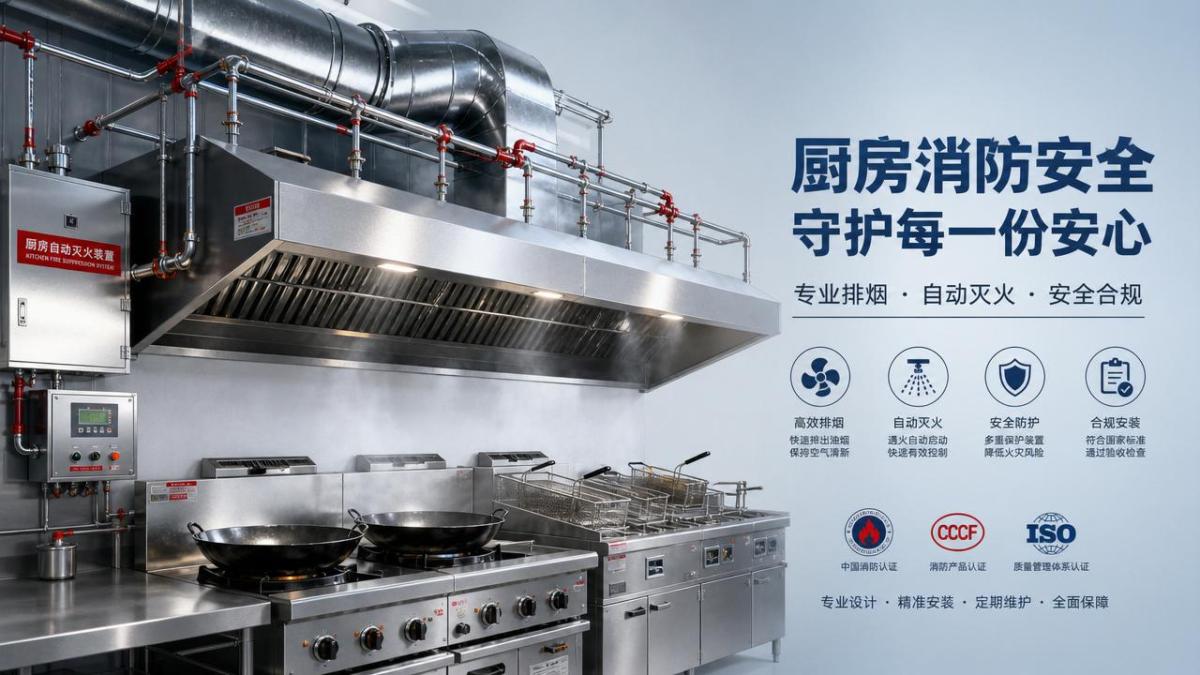
For safety managers, the main purpose of a restaurant kitchen hood system is to capture grease-laden vapors at the source before they spread through the kitchen or enter concealed duct runs. Once grease deposits build up inside hoods, filters, ducts, and exhaust fans, ignition risk rises sharply, especially in kitchens operating 10–16 hours per day with high-temperature appliances.
For quality control personnel, the system also affects sanitation and process stability. Excess smoke, condensation, and airborne grease can settle on nearby surfaces, packaging materials, or prep zones. In facilities with separated hot lines and cold preparation areas, poor hood performance may create cross-zone contamination concerns and make cleaning schedules harder to manage within a 24-hour operating cycle.
Key Fire Risks Linked to Hood Selection
Not every hood is suitable for every cooking process. Charbroilers, wok stations, conveyor fryers, and open-flame ranges produce different heat loads and grease volumes. A mismatch between appliance duty level and hood design can reduce capture efficiency within days of commissioning, even when the airflow rate appears acceptable on paper.
- Undersized overhang may allow smoke and grease to escape during peak production.
- Incorrect filter type may increase grease carryover into the duct system.
- Poor makeup air balance can create negative pressure, affecting burner performance and capture.
- Limited access panels can delay cleaning and inspection intervals from 1 month to 3 months or more.
Operational Impact Beyond Fire Prevention
A well-designed restaurant kitchen hood system supports worker comfort and equipment reliability. Lower ambient heat can improve line productivity, while controlled smoke extraction helps maintain visibility near fryers, griddles, and sauté stations. In many kitchens, better airflow management also extends the service life of ceiling finishes, nearby lighting, and electronic controls exposed to grease and heat.
From a cost perspective, investing in the right hood layout at the procurement stage can reduce later correction work. Repositioning ductwork, replacing filters, or upgrading fan capacity after opening often takes 2–6 weeks and may require partial shutdowns. For operators with fixed opening timelines, avoiding those delays is a practical safety and business priority.
Main Types of Restaurant Kitchen Hood Systems
The best restaurant kitchen hood system depends on cooking method, appliance arrangement, ceiling height, and local code requirements. Safety managers should first distinguish between light-duty ventilation needs and grease-producing heavy-duty cooking lines. This step helps narrow down suitable hood categories before reviewing airflow, materials, and fire suppression interfaces.
Type I and Type II Hoods
Type I hoods are typically used above appliances that produce grease, smoke, or steam mixed with grease particles, such as fryers, broilers, and ranges. Type II hoods are generally intended for heat, steam, or odor removal from appliances like ovens or dishwashers where grease is limited. For most commercial hot lines, fire safety planning starts with a Type I system.
The table below outlines common hood categories and where they are usually applied in foodservice operations.
The key takeaway is simple: if the cooking process generates grease aerosols, the restaurant kitchen hood system should be selected as a grease-handling fire safety asset, not merely an exhaust hood. Many performance failures happen when a general ventilation approach is used for medium- or heavy-duty cooking batteries.
Wall, Island, and Proximity Configurations
Wall canopy systems are common because one side is protected by the wall, often improving capture efficiency compared with island hoods at the same airflow level. Island hoods support open kitchen designs but usually need stronger air management because thermal plumes can escape from multiple directions. Proximity hoods can work well for targeted equipment, though they demand precise appliance matching and disciplined cleaning.
In practical planning, a wall canopy may be easier to maintain in small kitchens under 150 square meters, while an island design is often chosen for production flexibility or customer-facing cooking. Safety managers should compare not just appearance and footprint, but also maintenance access, grease containment, and suppression nozzle coverage.
How to Evaluate a Hood System Before Purchase
Procurement decisions should be based on measurable criteria. A restaurant kitchen hood system must fit the actual appliance line, expected meal volume, duty cycle, and service model. A fast-casual kitchen serving 200 meals per day will not have the same exhaust burden as a hotel banquet kitchen handling 800 covers during peak events.
1. Match the Hood to the Cooking Duty Level
Start by listing every appliance under the hood and classifying each one as light, medium, heavy, or extra-heavy duty. Fryers, charbroilers, and solid-fuel appliances usually require stricter review than holding cabinets or electric ovens. Mixed appliance lines should be designed around the highest-risk equipment, not the average load.
2. Review Airflow and Makeup Air Balance
The exhaust rate should be high enough to capture heat and grease, but excessive airflow can waste energy and create pressure imbalance. In many projects, the critical issue is not only exhaust volume but also the relationship between exhaust and replacement air. If makeup air is poorly introduced, doors may slam, pilot flames may become unstable, and smoke may drift outside the hood edge.
3. Check Filter Design and Grease Extraction
Baffle filters are widely used because they help separate grease while allowing drainage into collection channels. Safety teams should confirm filter angle, removal method, and cleaning frequency. In high-output frying lines, filters may need daily cleaning, while moderate-duty lines may support cleaning every 2–3 days depending on usage intensity and local requirements.
4. Verify Materials and Access for Inspection
Commercial hood bodies are commonly fabricated from stainless steel for durability and cleanability. Beyond material grade, access matters. Internal corners, grease troughs, and duct access points should support routine inspection. A system that looks robust but cannot be cleaned efficiently becomes a fire hazard over time.
The following table can be used as a practical review checklist during supplier comparison and technical evaluation.
This checklist helps purchasing and safety teams compare proposals on real risk points instead of relying only on fan size or unit price. In many cases, the lower-cost option becomes more expensive within 12 months if cleaning access is poor or capture performance is unstable during peak production hours.
Fire Suppression, Compliance, and Installation Planning
A restaurant kitchen hood system should never be assessed in isolation from the suppression system, duct route, fan arrangement, and site constraints. Fire safety performance depends on the full path from cooking surface to discharge point. Even a strong hood body cannot compensate for poor duct geometry or inaccessible suppression components.
Integrating the Hood with Fire Protection
For grease-producing appliances, the hood system is typically paired with an automatic fire suppression setup designed for cooking equipment hazards. Safety managers should verify nozzle placement over each hazard area, fuel or power shutoff sequencing, and service accessibility. During acceptance, a 3-part review is useful: hood coverage, suppression component positioning, and interlock response.
Installation Factors That Affect Real Performance
Field performance often depends on details that are missed in early purchasing. Ceiling beams, utility lines, and duct offsets can affect airflow uniformity. In retrofit projects, especially in buildings over 10 years old, available shaft space and roof penetrations may limit design options. Installation planning should include at least 4 checks: clearances, duct routing, service access, and commissioning measurements.
Commissioning and Handover
Before handover, teams should confirm that filters are seated correctly, fans rotate as intended, grease drains are functional, and all access panels can be opened without obstruction. A practical handover file should include operating instructions, cleaning points, inspection intervals, and contact details for emergency service. These documents are especially important for multi-site restaurant groups managing several kitchens with different risk profiles.
Maintenance Strategy and Common Mistakes to Avoid
Even the best restaurant kitchen hood system will underperform if maintenance is inconsistent. For quality control and safety managers, the goal is to build a repeatable cleaning and inspection routine that matches cooking intensity. High-grease kitchens may require daily filter cleaning, weekly visible-surface inspection, and scheduled duct cleaning at intervals based on use level and local code expectations.
Recommended Maintenance Framework
- Daily: remove and clean filters, empty grease cups, wipe exposed stainless surfaces.
- Weekly: inspect hood seams, lighting covers, and visible duct entry areas.
- Monthly: review fan condition, belt tension where applicable, and airflow consistency.
- Quarterly or scheduled by risk level: inspect internal duct sections and verify suppression service records.
Mistakes That Increase Fire Risk
One common mistake is evaluating hood performance only during low-load testing. Systems should be observed when multiple appliances are operating simultaneously, because plume behavior changes under full production. Another mistake is treating filter cleaning as the full maintenance program, while ducts, access doors, and fan housings receive less attention than needed.
A third issue is unplanned equipment changes. Replacing a griddle with a charbroiler or adding a fryer without reviewing the existing restaurant kitchen hood system can quickly push the setup beyond its safe operating range. Any major appliance change should trigger a fresh review of capture, airflow, and suppression coverage.
Selecting a Supplier and Building a Safer Long-Term Solution
The supplier selection process should focus on application knowledge, documentation quality, and after-sales support rather than price alone. In the kitchen equipment industry, strong hood system partners typically provide design coordination, installation guidance, cleaning access recommendations, and realistic maintenance advice. For B2B buyers, this reduces the risk of fragmented responsibility between equipment, ducting, and fire protection trades.
A reliable supplier should be able to discuss at least 5 project factors in detail: cooking menu, appliance schedule, hood type, airflow approach, and maintenance plan. If the discussion stays limited to hood dimensions and fan power, the proposal may not address the true fire safety challenges of the operation.
For quality control teams managing chain restaurants, hotel kitchens, or central production sites, standardizing review criteria across locations can improve consistency. Using one technical checklist for every restaurant kitchen hood system project helps compare risk, maintenance burden, and long-term service needs before purchase orders are approved.
A safe and effective hood system is not only a code-driven requirement. It is part of a broader strategy for cleaner production, stable operations, and responsible facility management. By matching hood type to cooking duty, verifying airflow balance, planning for suppression integration, and enforcing a disciplined maintenance routine, safety managers can reduce preventable fire risks and improve kitchen performance over the long term.
If you are evaluating a new restaurant kitchen hood system or upgrading an existing installation, now is the right time to review your layout, appliance line, and fire protection priorities. Contact us to get a tailored solution, discuss technical details, and explore safer, more efficient kitchen equipment options for your operation.
Popular Tags
Kitchen Industry Research Team
Dedicated to analyzing emerging trends and technological shifts in the global hospitality and foodservice infrastructure sector.
Industry Insights
Join 15,000+ industry professionals. Get the latest market trends and tech news delivered weekly.
No spam. Unsubscribe anytime.


Contact With us
Contact:
Anne Yin (Ceramics Dinnerware/Glassware)
Lucky Zhai(Flatware)