
How to Source a Ceramic Serving Platter Safely
Sourcing a ceramic serving platter safely is not just about choosing an attractive design at a workable price. The real decision comes down to whether the platter is food-safe, durable in actual use, consistent in production, and backed by a supplier that can prove compliance. For buyers, kitchen operators, and business decision-makers, the safest approach is to evaluate material composition, glaze safety, manufacturing controls, testing documents, and supplier reliability before placing an order. The same logic also applies when sourcing related products such as a stoneware soup bowl, ceramic rice plate, or porcelain baking dish.
If your goal is to reduce product risk, avoid customer complaints, and buy kitchenware that performs well in service environments, the best sourcing strategy is simple: verify safety first, then confirm quality, then compare price. A cheap platter that chips easily, fails food-contact standards, or arrives with inconsistent glazing can become far more expensive than a properly qualified product.
What makes a ceramic serving platter “safe” to source?
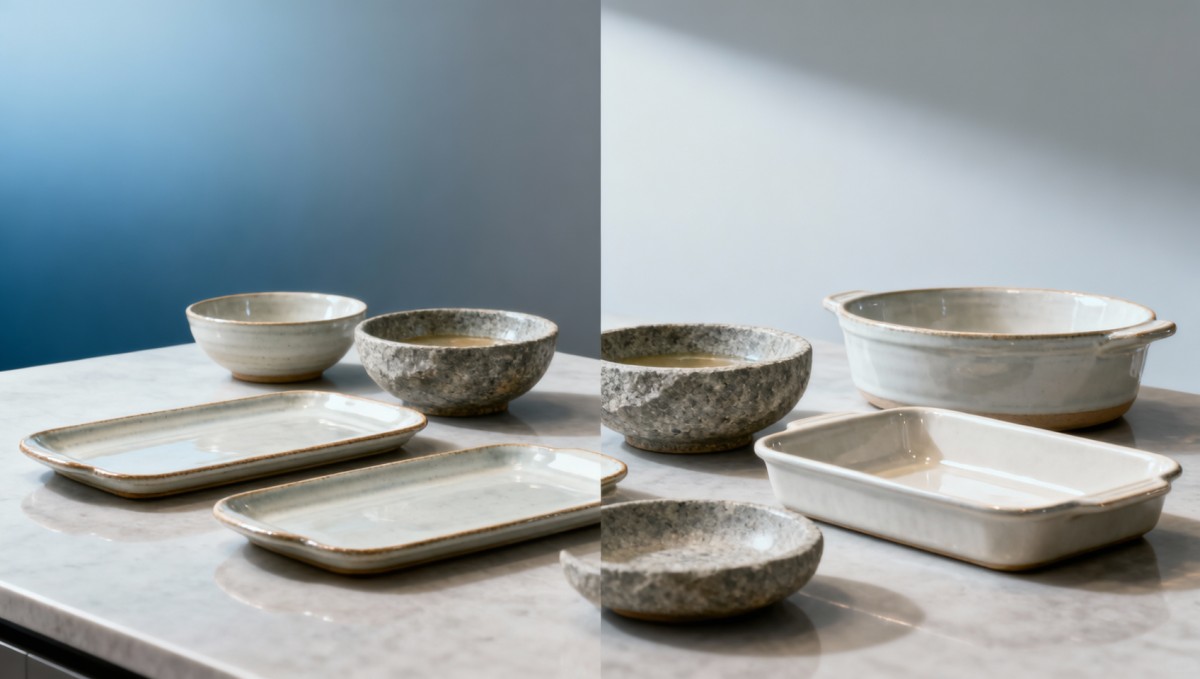
When people search for how to source a ceramic serving platter safely, they are usually trying to avoid hidden risks rather than just find suppliers. In practical terms, a safe ceramic platter should meet four basic requirements:
- Food-contact safety: The ceramic body and glaze should not release harmful substances such as lead or cadmium beyond regulatory limits.
- Structural durability: The platter should resist cracking, chipping, or breaking during normal transport, washing, and serving use.
- Production consistency: Size, color, glaze finish, and weight should remain stable across batches.
- Supplier traceability: The manufacturer should be able to provide testing records, material information, and quality control evidence.
For restaurants, hotels, retailers, and distributors, these factors directly affect customer safety, brand reputation, replacement costs, and compliance risk. A platter may look premium in a sample photo, but if the glaze quality is unstable or the firing process is poorly controlled, the product may fail in real-world use.
Which risks should buyers and operators check first?
The most important risks are usually not visible in a catalog. Buyers should prioritize the following checks early in the sourcing process:
1. Food safety compliance risk
This is the first issue to verify. Ask whether the ceramic serving platter complies with the food-contact requirements relevant to your market. Depending on where you sell or use the product, this may involve standards linked to the EU, FDA-related expectations, or other national regulations. Request recent third-party test reports, not just general declarations.
2. Glaze and raw material risk
Some lower-grade ceramic products use unstable glaze formulas or poorly controlled raw materials. This can affect appearance, chemical safety, and long-term durability. A reliable supplier should be able to explain the basic material system, firing temperature range, and quality controls used in production.
3. Thermal and mechanical failure risk
If the platter is intended for hot food service, buffet use, or repeated washing, it needs enough thermal and mechanical strength. Otherwise, it may craze, crack, or chip after limited use. This matters even more when sourcing porcelain baking dishes or other ceramics exposed to wider temperature changes.
4. Packaging and shipping risk
A safe product can still become an unsafe purchase if packaging is poor. Ceramic serving platters are vulnerable to edge damage during international transport. Ask about drop-test practices, carton structure, internal protection, palletization, and breakage rates from previous shipments.
5. Supplier consistency risk
Many sourcing problems happen after sample approval. The mass-production batch may differ in color tone, flatness, glaze coverage, or finish quality. That is why production controls and pre-shipment inspections matter as much as sample quality.
How can you evaluate a ceramic serving platter before placing an order?
A practical sourcing process should combine document review, sample inspection, and supplier validation. The following checklist helps buyers make better decisions:
Review the product specifications carefully
Ask for a detailed specification sheet covering dimensions, weight, material type, finish, color, temperature resistance, dishwasher suitability, and intended use. If the supplier cannot provide clear specifications, that is an early warning sign.
Request compliance documents
Important documents may include:
- Food-contact test reports
- Lead and cadmium migration test results
- Factory audit or quality management certificates if available
- Declarations of conformity for target markets
Make sure the documents are current, relevant to the actual product, and issued by a credible testing organization.
Inspect physical samples in real use conditions
Do not rely only on appearance. Test the sample in ways that match your application:
- Check the glaze surface for pinholes, rough spots, bubbles, or uneven color
- Inspect edges and corners for weakness or poor finishing
- Confirm the platter sits flat and does not wobble excessively
- Evaluate weight and handling comfort for service staff
- Run dishwasher and repeated-use tests if the item is for commercial operations
If you also source a stoneware soup bowl or ceramic rice plate, compare how each product line performs under similar use conditions. Product consistency across a collection is often important for hospitality buyers and retailers.
Verify production capability
Ask the supplier about monthly output, mold control, firing capacity, defect rates, and inspection procedures. A factory that can make a good sample but cannot maintain stable production quality is a procurement risk.
What should you ask a supplier before approving a ceramic platter order?
The right questions can reveal whether a supplier is professional, transparent, and suitable for long-term cooperation. Key questions include:
- What ceramic material is used for this platter: earthenware, stoneware, or porcelain?
- Is the glaze food-safe, and can you provide test reports?
- What standards or target markets has this product already been supplied to?
- What is the normal defect rate in mass production?
- How do you control color consistency between batches?
- What packaging method is used for export shipments?
- Can you support logo, custom shape, or private label requirements?
- What happens if goods arrive chipped or fail inspection?
These questions help both procurement teams and decision-makers judge whether the supplier understands commercial requirements beyond basic manufacturing.
How do material choices affect safety, durability, and use case?
Not all ceramic products perform the same way. Understanding material differences helps buyers choose the right serving platter for the intended application.
Earthenware
Usually more affordable and design-flexible, but often less dense and potentially less durable than higher-fired materials. It may be suitable for light-duty use if properly made, but it generally requires closer quality verification.
Stoneware
A common choice for serving pieces because it balances durability, appearance, and cost. A well-made stoneware platter can work well for restaurants, catering, and retail kitchenware programs. This is also why many buyers sourcing a stoneware soup bowl look for similar specifications in serving platters.
Porcelain
Typically denser, harder, and more refined in appearance. Porcelain can be a strong option for premium hospitality and retail markets, especially where a cleaner finish and stronger body are needed. Buyers of a porcelain baking dish often prioritize similar durability and thermal performance factors.
The safest choice depends on the use environment, target price point, and brand positioning. There is no single best material for every project, but there is always a best fit for the job.
Why supplier credibility matters as much as product quality
Even a technically acceptable ceramic serving platter can become a poor sourcing decision if the supplier lacks stable operations. Reliable sourcing depends on more than the item itself. It depends on whether the manufacturer can repeatedly deliver the same standard, communicate clearly, and solve problems quickly.
Strong suppliers usually show these characteristics:
- Clear and complete product documentation
- Responsive communication during sampling and quoting
- Willingness to provide testing and inspection evidence
- Defined quality control steps from raw material to packing
- Experience with export markets and buyer requirements
For purchasing teams and enterprise decision-makers, this reduces operational uncertainty. It also improves forecasting, lowers return risk, and supports long-term product line development.
How to balance safety, cost, and commercial value
Many buyers make the mistake of treating ceramic serving platters as a simple price comparison product. In reality, safer sourcing creates better commercial results. A platter with stronger glaze control, lower breakage, and proven food safety may have a slightly higher unit cost, but it often lowers the total cost of ownership.
That value can show up in several ways:
- Fewer rejected shipments
- Lower breakage during transport and use
- Reduced customer complaints and returns
- Better performance in hospitality operations
- Stronger brand trust in retail or distribution channels
For business buyers, the right sourcing decision is usually the one that protects both compliance and long-term margin, not simply the lowest quote on the spreadsheet.
Final checklist for sourcing a ceramic serving platter safely
Before confirming an order, make sure you can answer yes to most of these questions:
- Has the platter passed relevant food-contact safety testing?
- Have you reviewed recent third-party compliance documents?
- Did you inspect samples under real use conditions?
- Is the material type suitable for your service environment?
- Does the supplier have stable quality control and export experience?
- Is packaging strong enough for your shipping route?
- Are defect handling and after-sales responsibilities clearly defined?
Safe sourcing is really about disciplined verification. Whether you are selecting a ceramic serving platter, ceramic rice plate, stoneware soup bowl, or porcelain baking dish, the best results come from choosing suppliers and products that can prove safety, consistency, and real-world durability.
In summary, to source a ceramic serving platter safely, focus first on food-contact compliance, then on material and glaze quality, then on supplier reliability and packaging performance. This approach helps buyers avoid hidden risks, protect users, and secure kitchenware that performs well in both commercial and consumer settings.
Popular Tags
Kitchen Industry Research Team
Dedicated to analyzing emerging trends and technological shifts in the global hospitality and foodservice infrastructure sector.
Industry Insights
Join 15,000+ industry professionals. Get the latest market trends and tech news delivered weekly.
No spam. Unsubscribe anytime.
Contact With us
Contact:
Anne Yin (Ceramics Dinnerware/Glassware)
Lucky Zhai(Flatware)