
Ceramic Rice Plate Sourcing: How to Check Quality
When sourcing a ceramic rice plate, quality inspection is essential to ensure durability, food safety, and consistent performance in both commercial and household kitchens. From glaze smoothness and edge strength to heat resistance and material density, buyers should know what to examine before placing orders. This guide also offers practical insights relevant to related products like stoneware rice bowl, ceramic salad plate, and porcelain baking dish.
What should you check first when evaluating a ceramic rice plate?
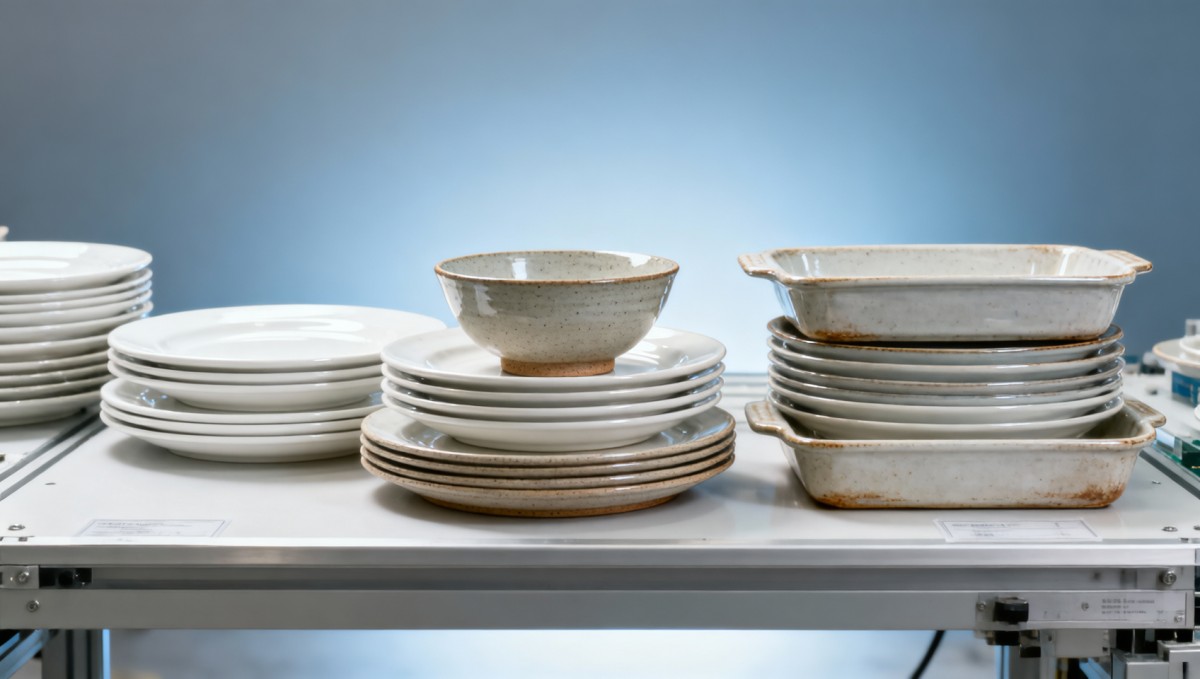
For procurement teams, kitchen operators, and importers, the first review should focus on 5 key checkpoints: body material, glaze finish, dimensional consistency, edge strength, and thermal performance. A ceramic rice plate may look acceptable in photos, yet still fail under frequent dishwashing, stacking, or temperature change in restaurant and hotel kitchens.
In commercial foodservice, a plate is not only a serving item. It affects plating efficiency, breakage rate, replacement cost, and food safety confidence. In central kitchens, chain restaurants, and hospitality projects, even a small variation such as ±2 mm in diameter or an uneven foot ring can create operational issues during stacking, washing, and tray arrangement.
Buyers should also distinguish between household-grade and commercial-use ceramic tableware. A plate used 1–3 times per day at home faces very different stress than one used 30–80 cycles per day in a restaurant. This is why ceramic rice plate sourcing should start with usage frequency, cleaning method, and service environment rather than appearance alone.
If the product range also includes stoneware rice bowl, ceramic salad plate, or porcelain baking dish, it is useful to align your inspection criteria across the category. That reduces supplier communication errors and helps decision-makers compare samples with the same practical standard.
A practical first-pass inspection checklist
- Check whether the glaze surface is smooth, without pinholes, crawling, blister marks, or visible contamination that may affect food contact safety and cleaning efficiency.
- Inspect the rim and foot ring for chips, sharp points, uneven polishing, or weak spots that increase breakage during stacking and transport.
- Verify shape consistency across at least 10–20 sample pieces from one batch, especially for diameter, height, and flatness.
- Ask whether the ceramic rice plate is intended for microwave, dishwasher, or oven-adjacent use, because thermal demands differ by body composition and glaze system.
- Review packaging suitability for export, warehouse handling, and last-mile delivery, since quality risk often appears after production rather than during factory inspection.
How to judge material quality, glaze finish, and structural strength
Material quality is the foundation of ceramic rice plate performance. In practical sourcing, buyers usually compare porcelain, stoneware, and other ceramic bodies based on density, water absorption tendency, weight feel, and thermal stability. Lower-density products may be cheaper, but they often show faster wear, higher chipping risk, or less stable color after long-term use.
A useful on-site check is to compare several pieces from the same lot. Look for color variation, thickness deviation, and warpage under flat placement. If one plate rocks on the table or shows obvious imbalance, it may indicate forming or firing inconsistency. In high-volume hospitality procurement, this inconsistency can become costly over 6–12 months of daily operation.
Glaze quality matters for both visual standards and hygiene management. A proper glaze should feel even and closed, not sandy or overly porous. In restaurant and hotel kitchens where sauces, oils, and starches are common, rough or defective glaze can trap residue and make washing more difficult. This increases labor time and may shorten replacement cycles.
Structural strength should be evaluated at the rim, center, and foot ring. The rim is the most vulnerable area during service and dishwashing. The foot ring affects table stability and stacking behavior. A ceramic rice plate with moderate thickness and balanced firing usually performs better than one that is excessively thin or visually thick but internally stressed.
Key quality indicators for batch comparison
Before approving a supplier, many procurement managers use a simple sample review matrix. The table below helps compare ceramic rice plate quality from a sourcing perspective, especially when evaluating multiple suppliers or matching related items such as ceramic salad plate and stoneware rice bowl.
This comparison table is useful because it converts visual sampling into purchasing language. Instead of saying a ceramic rice plate “looks better,” teams can judge whether it meets operational expectations for cleaning, durability, batch consistency, and service presentation. That makes approval faster across technical, purchasing, and management teams.
Why glaze defects deserve extra attention
Small glaze defects are easy to miss during sample review, especially under warehouse lighting. However, in actual use they become more visible after 2–8 weeks of repeated washing. Matte glaze products may require even closer inspection because visual texture can hide pinholes or uneven coverage if quality control is not stable.
For foodservice buyers, the most practical approach is to inspect under bright light, wipe the surface with a damp cloth, and review both front and back. If you are sourcing export tableware, include packaging abrasion checks as glaze marks can sometimes occur during transit rather than firing.
Which performance factors matter in restaurant, hotel, and household use?
The right ceramic rice plate depends on the operating scene. A hotel breakfast line, a quick-service restaurant, a premium dining room, and a household kitchen do not use the same product in the same way. Buyers should assess at least 4 application variables: serving frequency, temperature exposure, dishwasher intensity, and presentation requirements.
In restaurants with high table turnover, stackability and rim durability are often more important than decorative surface effects. In hotels, uniform appearance across 50–300 pieces may matter more because buffet and banqueting settings expose visual inconsistency. In household channels, buyers may place more weight on style, microwave suitability, and mixed-use compatibility with ceramic salad plate sets.
For central kitchens or institutional catering, the ceramic rice plate should fit process efficiency. Plates that are too heavy increase handling fatigue, while unstable foot rings may interrupt tray loading or machine washing. This is where product design meets kitchen operations, and why sourcing should involve both users and procurement teams.
If your sourcing plan includes porcelain baking dish or multi-item tableware collections, performance evaluation should be category-specific. Heat resistance and thermal shock expectations for a baking dish are different from those of a rice plate. The goal is not to apply one standard to all ceramics, but to set the correct inspection rule for each use case.
Application-based selection guide
The following table helps buyers connect ceramic rice plate quality checks with real usage scenarios. It is especially helpful when selecting products for hotels, restaurants, catering businesses, or mixed retail and foodservice supply programs.
This scenario table helps prevent a common sourcing error: choosing a ceramic rice plate only by sample appearance. In kitchen equipment supply, the better choice is the one that matches workflow, cleaning intensity, and replacement planning. That is particularly important in global trade where reorder consistency matters as much as first order pricing.
Questions operators and buyers should ask together
- How many wash cycles per day is the ceramic rice plate expected to handle in the target environment?
- Will the plate be stacked in tall columns of 15–30 pieces, and if so, is the base design stable enough?
- Does the customer need matching items such as a stoneware rice bowl or ceramic salad plate for a consistent table setting?
- Is the buying decision driven more by appearance, cost control, replacement rate, or export packaging reliability?
How can procurement teams reduce risk before placing bulk orders?
A strong ceramic rice plate sourcing process usually follows 4 steps: requirement confirmation, sample review, batch validation, and shipment approval. Skipping any of these steps may save time at the beginning but create quality disputes later. For B2B orders, especially cross-border shipments, the cost of replacement is often much higher than the cost of pre-shipment inspection.
Start by defining the actual use profile. Clarify whether the product is for restaurant operations, hospitality projects, retail distribution, or mixed channels. Confirm diameter range, target weight, glaze style, packaging method, and required compatibility with microwaves or dishwashers if applicable. This avoids sample approval based on assumptions rather than technical expectations.
Next, request a controlled sample set rather than a single hero sample. Reviewing 3–5 pieces gives a better sense of manufacturing consistency. For larger programs, buyers may ask for pre-production confirmation and then inspect retained samples again before shipment. This is especially helpful when sourcing from major export manufacturing regions with large production capacity and multiple kiln batches.
Lead time also matters. Common tableware programs may need around 2–4 weeks for standard runs, while custom glaze, new packaging, or shape adjustments can extend the cycle. Procurement teams should align delivery planning with testing, packaging review, and import documentation instead of treating ceramic tableware as a purely simple commodity.
Bulk-order risk control points
- Define measurable specifications, including size tolerance, color expectation, and acceptable surface defect level before quotation approval.
- Ask for sample evaluation across 3 dimensions: appearance, handling feel, and operational suitability in real kitchen use.
- Confirm packaging details such as inner protection, carton strength, and pallet suitability if the goods will travel through export logistics.
- Arrange final inspection by lot, especially if the order covers multiple related items like ceramic rice plate, stoneware rice bowl, and porcelain baking dish.
Common compliance and documentation topics
For food-contact ceramic products, buyers commonly ask about food safety declarations, material suitability, and market-specific compliance documents. Exact requirements depend on destination market and product design. It is reasonable to confirm applicable food-contact expectations early, especially if the ceramic rice plate will be sold into regulated retail or hospitality distribution channels.
It is also wise to document inspection criteria in writing. A simple approval sheet covering 6 items—appearance, dimensions, glaze, edge finishing, packing, and labeling—can prevent many disputes. This is particularly valuable for decision-makers managing cost, quality, and delivery across international supply chains.
FAQ: common sourcing questions about ceramic rice plate quality
Many buyers search for quick answers before moving to sample requests or supplier comparison. The questions below address frequent concerns from researchers, users, purchasing managers, and business decision-makers in the kitchen equipment and tableware supply chain.
How do I know if a ceramic rice plate is suitable for commercial use?
Look beyond appearance. Commercial suitability usually depends on repeated-use durability, rim resistance, stable stacking, and washing performance. A practical review includes checking 10–20 pieces for consistency, evaluating how the plate sits on a flat surface, and confirming whether it matches the daily service intensity of the target kitchen.
What is the difference between a ceramic rice plate and a stoneware rice bowl in sourcing?
The difference is not only shape. A stoneware rice bowl may emphasize heat retention, depth, and hand feel, while a ceramic rice plate often requires stronger attention to flatness, rim durability, and stackability. If both are sourced together, the inspection criteria should share the same quality logic but adjust for use form and handling points.
What are the most common mistakes in ceramic tableware procurement?
Three mistakes appear often: approving one perfect sample instead of a sample set, focusing only on unit price without checking breakage risk, and ignoring packaging protection for export shipments. In practice, a lower-priced ceramic rice plate may become more expensive if replacement rate and complaint handling rise after delivery.
How long does ceramic rice plate sourcing usually take?
For standard products, sample and production planning may take around 2–4 weeks, while custom shape, glaze, logo, or packaging programs often need longer review cycles. Buyers should also allow time for sample confirmation, final inspection, and shipping coordination, especially in international procurement.
Why work with a supplier that understands kitchen operations, compliance, and delivery?
Ceramic rice plate sourcing becomes easier when the supplier understands not only ceramic production but also kitchen workflow, hospitality use, food-contact expectations, and export logistics. In the broader kitchen equipment industry, that cross-functional understanding matters because buyers increasingly need coordinated solutions, not isolated products.
A capable supply partner should help you review 3 areas clearly: product specifications, usage suitability, and delivery planning. That includes advising on sample evaluation, matching related items such as ceramic salad plate or porcelain baking dish, and discussing packaging or compliance needs for different markets. This saves time for both purchasing teams and decision-makers.
If you are comparing ceramic rice plate options for restaurant, hotel, retail, or distribution projects, you can move faster by confirming the exact parameters early. Useful discussion points include size range, glaze preference, target application, order quantity, standard lead time, packaging format, and any food-contact document expectations. These details make quotations and sample selection much more accurate.
Contact us to discuss ceramic rice plate sourcing, sample support, product selection, delivery timing, packaging options, and related products such as stoneware rice bowl, ceramic salad plate, or porcelain baking dish. If you already have drawings, target dimensions, or market requirements, sharing them at the start will help shorten the evaluation cycle and improve sourcing accuracy.
Popular Tags
Kitchen Industry Research Team
Dedicated to analyzing emerging trends and technological shifts in the global hospitality and foodservice infrastructure sector.
Industry Insights
Join 15,000+ industry professionals. Get the latest market trends and tech news delivered weekly.
No spam. Unsubscribe anytime.


Contact With us
Contact:
Anne Yin (Ceramics Dinnerware/Glassware)
Lucky Zhai(Flatware)