
How to Compare Restaurant Kitchen Equipment Suppliers in 2026
Choosing among restaurant kitchen equipment suppliers in 2026 requires more than comparing prices. Procurement teams need partners that can deliver certified quality, energy-efficient solutions, reliable after-sales service, and scalable production capacity. As smart kitchens and global sourcing become more important, understanding how to evaluate suppliers strategically can reduce risk, control costs, and support long-term operational performance.
Understanding the role of restaurant kitchen equipment suppliers
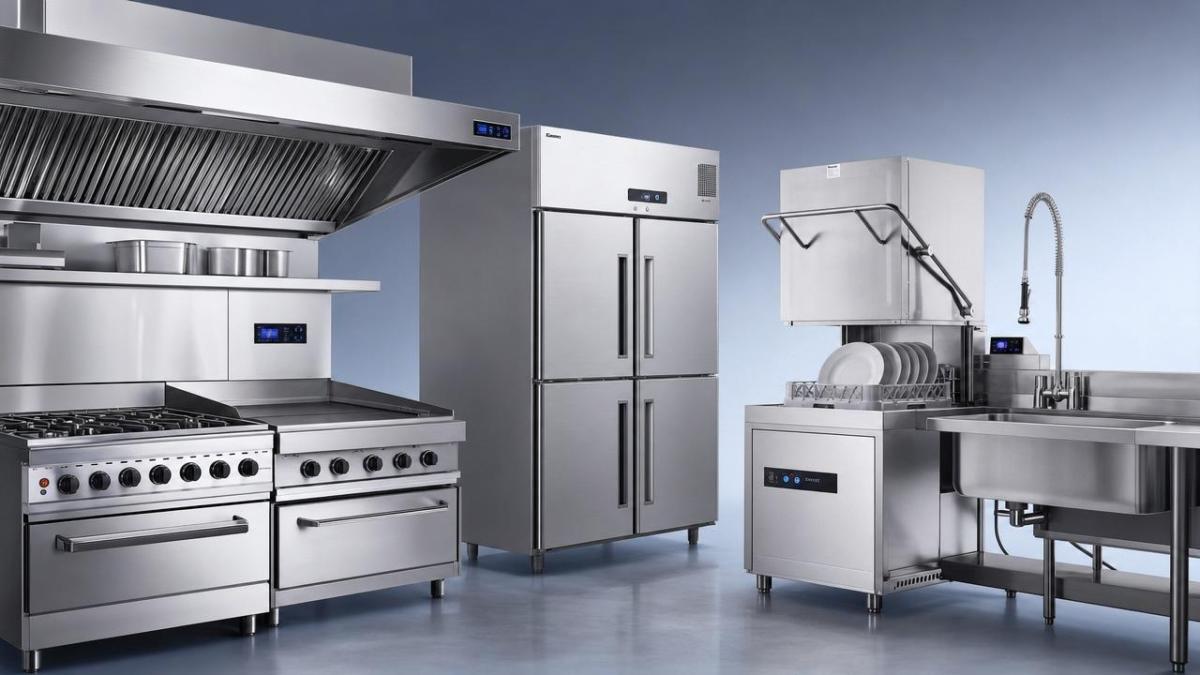
Restaurant kitchen equipment suppliers are not simply vendors that ship ovens, refrigerators, prep tables, or dishwashing systems. In 2026, they are part of a wider operational ecosystem that influences food safety, kitchen workflow, utility consumption, maintenance planning, and expansion readiness. For procurement professionals, this means supplier selection has become a strategic business decision rather than a one-time sourcing exercise.
The global kitchen equipment industry now serves restaurants, hotels, central kitchens, food processors, and institutional foodservice operations with increasingly intelligent and energy-efficient solutions. Commercial buyers are seeing more equipment connected to digital monitoring systems, more pressure to meet sustainability goals, and more scrutiny around compliance. As a result, comparing restaurant kitchen equipment suppliers requires an evaluation framework that balances product performance, operational fit, and supplier reliability.
Why supplier comparison matters more in 2026
Several market shifts explain why restaurant kitchen equipment suppliers are under closer review today. First, foodservice businesses are expected to maintain higher standards for hygiene, traceability, and uptime. Second, energy costs remain a serious concern, making efficient cooking, refrigeration, and ventilation equipment more attractive. Third, the adoption of smart kitchen systems is changing buyer expectations from standalone hardware to integrated solutions.
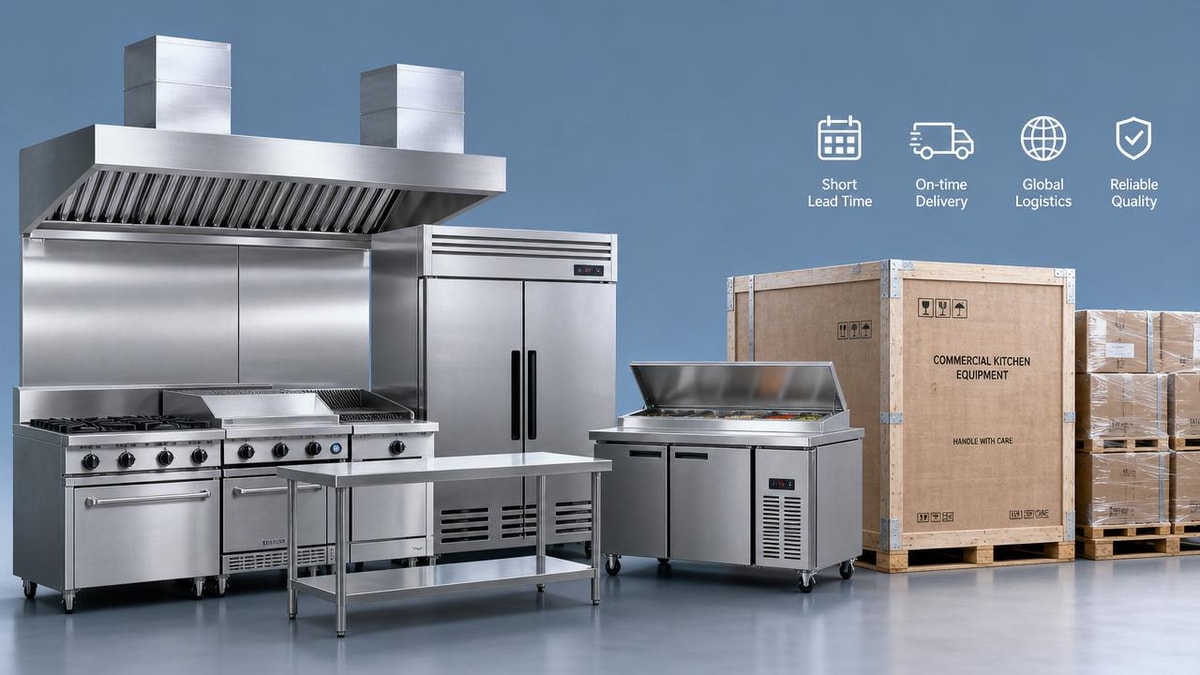
Procurement teams also operate in a more complex sourcing environment. Global manufacturing hubs such as China, Germany, Italy, and Japan continue to supply a broad range of products, but lead times, certification standards, spare parts availability, and service networks can vary widely. This is why experienced buyers compare restaurant kitchen equipment suppliers on both visible and hidden cost factors, including training support, warranty terms, technical documentation, and replacement part access.
A practical framework for evaluating suppliers
A useful comparison process begins with a clear understanding of the equipment category, operating environment, and expected service life. The best restaurant kitchen equipment suppliers for a quick-service chain may not be the best choice for a fine dining group, a cloud kitchen network, or a hotel banquet operation. Procurement decisions should therefore be tied to production volume, menu complexity, labor structure, available utilities, and future expansion plans.
Rather than relying on a single quote, buyers should compare suppliers across a structured set of decision areas. The table below provides a practical overview.
This framework helps procurement teams compare restaurant kitchen equipment suppliers in a disciplined way and keeps the conversation focused on operational value, not only unit price.
Key criteria that deserve deeper attention
Quality and certification
In commercial kitchens, performance failures can quickly affect food quality, service speed, and compliance. Buyers should ask restaurant kitchen equipment suppliers for evidence of quality control systems, component sourcing standards, and relevant certifications. Stainless steel grade, weld quality, insulation standards, compressor brand, burner efficiency, and sanitation design all influence long-term value. A lower-cost unit that fails health inspection requirements or needs frequent service is rarely economical.
Technology and smart integration
As kitchens become more data-driven, technology compatibility matters more. Some restaurant kitchen equipment suppliers now provide remote monitoring, temperature logging, preventive maintenance alerts, and digital dashboard integration. These features are especially valuable for multi-site operators that need consistency and visibility across locations. However, procurement teams should verify whether smart functions are practical, easy to maintain, and supported locally.
Energy efficiency and sustainability
Energy-efficient equipment is no longer a niche preference. In 2026, it is a central factor in cost management and environmental planning. Efficient fryers, induction systems, refrigeration units, and ventilation equipment can reduce utility bills while supporting sustainability reporting. When comparing restaurant kitchen equipment suppliers, buyers should request energy performance data, expected annual consumption, and maintenance guidance that preserves efficiency over time.
Service network and spare parts access
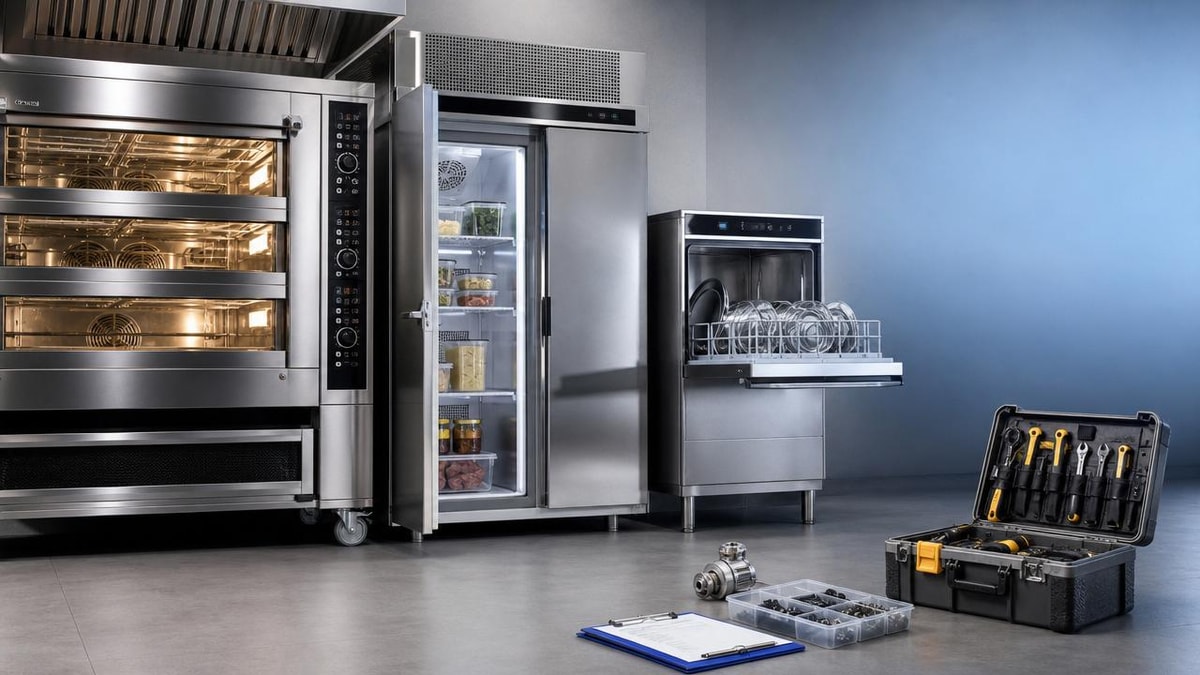
Even high-quality machines require periodic maintenance. Reliable restaurant kitchen equipment suppliers should have a clear support structure, including parts stocking policy, technical manuals, troubleshooting channels, and service response commitments. A supplier with excellent manufacturing but weak post-sale support can create serious downtime risk, particularly for refrigeration, combi ovens, and continuous-use cooking lines.
Different supplier types and where they fit best
Not all suppliers serve the same buyer profile. Understanding supplier type helps procurement teams align sourcing strategy with business needs.
This classification is useful because restaurant kitchen equipment suppliers often appear similar in catalogs, yet differ greatly in service model, customization ability, and project management strength.
Common application scenarios for procurement teams
The value of comparing restaurant kitchen equipment suppliers changes depending on the buying context. For a new restaurant opening, the focus may be layout compatibility, installation timing, and bundled purchasing. For a chain rollout, standardization, manufacturing consistency, and replenishment speed become more important. For a hotel or institutional kitchen, buyers may prioritize integrated systems, ventilation coordination, and training support across multiple departments.
Central kitchens and food processing environments usually need stronger emphasis on throughput, automation, sanitation design, and service continuity. In these cases, the best supplier is often the one that understands production workflows, not just equipment specifications. This is where restaurant kitchen equipment suppliers with engineering support or system integration capability can deliver more value than a general catalog seller.
Practical steps to compare suppliers without oversimplifying the decision
A strong comparison process should combine technical, commercial, and operational review. Start by creating a specification sheet that defines capacity, dimensions, utilities, required certifications, and preferred features. Then ask shortlisted restaurant kitchen equipment suppliers to respond in a standardized format. This makes comparison more accurate and reduces the chance that hidden differences distort pricing.
Next, evaluate references and real-world performance. Site visits, video demonstrations, sample orders, or trial installations can reveal details that brochures do not. Procurement teams should also speak with kitchen managers, chefs, maintenance staff, and finance stakeholders. Their perspectives help test whether a supplier’s proposal is practical in daily operations.
Finally, compare total cost of ownership rather than acquisition cost alone. This includes installation, training, operating efficiency, maintenance intervals, spare parts, warranty coverage, and expected lifespan. Restaurant kitchen equipment suppliers that appear more expensive upfront may prove more economical over five to ten years if they reduce downtime and utility use.
Frequent mistakes to avoid
One common mistake is assuming that all certified products perform equally in heavy commercial use. Another is selecting restaurant kitchen equipment suppliers based only on catalog breadth, without checking whether they can support the specific market, service region, or installation environment. Buyers also underestimate the importance of spare parts lead time, especially when sourcing internationally.
A further risk is neglecting future scalability. If a restaurant group plans to open more sites, choosing suppliers with stable production capacity and standardized product lines can simplify expansion. Procurement teams should think beyond immediate opening needs and consider how the supplier relationship will perform during growth, menu changes, and equipment refresh cycles.
Conclusion and next-step guidance
Comparing restaurant kitchen equipment suppliers in 2026 is best approached as a strategic evaluation of quality, compliance, technology, efficiency, service, and long-term fit. The market now offers more intelligent and energy-conscious solutions than ever, but the real advantage comes from choosing suppliers that can support operational goals, not just fulfill a purchase order.
For procurement professionals, the most effective path is to build a structured supplier scorecard, align technical requirements with business priorities, and verify support capacity before committing. By taking this broader view, buyers can identify restaurant kitchen equipment suppliers that contribute to safer kitchens, more stable operations, and better lifecycle value across the foodservice business.
Popular Tags
Kitchen Industry Research Team
Dedicated to analyzing emerging trends and technological shifts in the global hospitality and foodservice infrastructure sector.
Industry Insights
Join 15,000+ industry professionals. Get the latest market trends and tech news delivered weekly.
No spam. Unsubscribe anytime.

Contact With us
Contact:
Anne Yin (Ceramics Dinnerware/Glassware)
Lucky Zhai(Flatware)