
Why Professional Kitchen Equipment Budgets Often Go Off Track
Budget overruns in professional kitchen equipment projects are more common than many buyers expect. From commercial refrigeration equipment and commercial deep fryer selection to commercial kitchen design and restaurant kitchen planning, hidden costs often emerge at every stage. Understanding why expenses escalate helps operators, technical evaluators, and decision-makers build smarter, more accurate investment plans.
Where professional kitchen equipment budgets usually start to drift
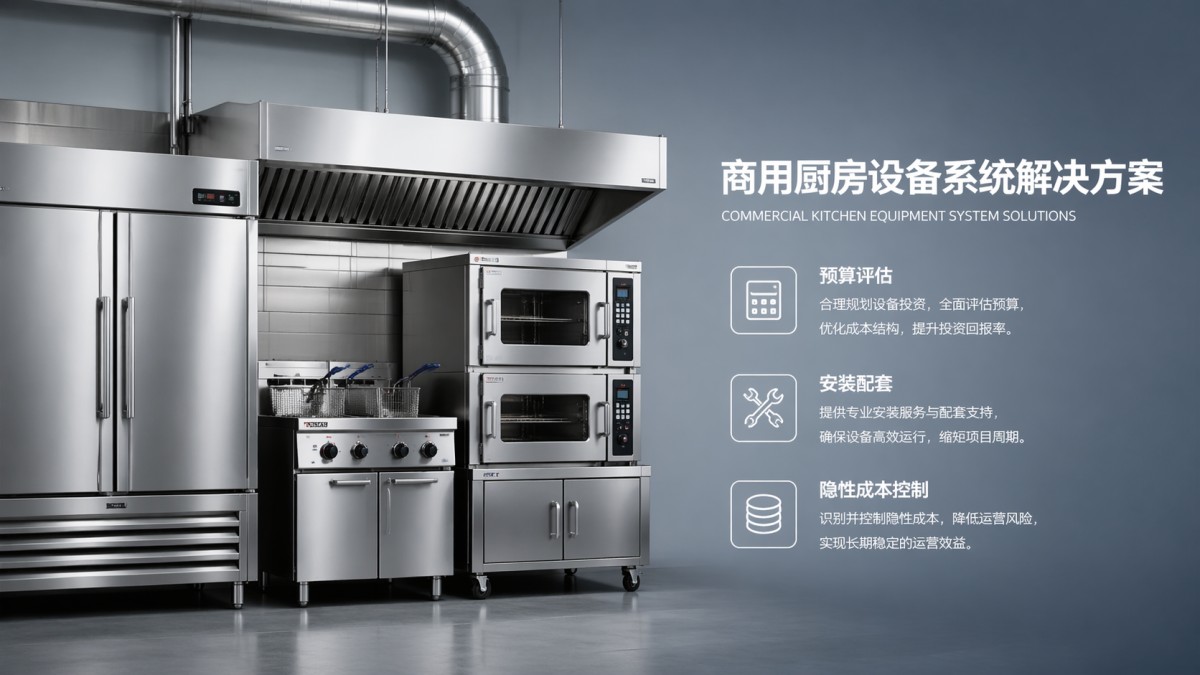
In many commercial kitchen projects, the first budget error appears before any equipment is purchased. Teams often set a target based on unit prices alone, while the real project cost also includes ventilation, drainage, gas routing, electrical loads, stainless fabrication, commissioning, staff training, and after-sales support. A fryer, combi oven, or walk-in cooler may look affordable on paper, but the full installed cost can be noticeably higher once site conditions are reviewed.
This issue affects restaurants, hotels, central kitchens, and food processing facilities differently. A restaurant kitchen planning project may be compressed into 2–4 weeks, while a central kitchen can require 6–12 weeks of coordination across equipment, utilities, workflow, and food safety controls. When the budget is created too early or with incomplete drawings, even small omissions multiply across the final quotation.
Another common cause is scope confusion. Buyers may request commercial kitchen equipment for production goals that were never translated into measurable operating assumptions, such as meals per hour, peak serving windows, batch size, cleaning frequency, or target holding temperature. Without these operating parameters, technical evaluators cannot match equipment capacity to real demand, and suppliers may quote either undersized or overbuilt solutions.
In today’s kitchen equipment industry, automation, digital controls, and energy-efficient kitchen solutions are increasingly important. However, smart kitchen technologies also add integration layers. A connected oven, digital temperature monitoring system, or automated food processing unit may require software setup, sensor calibration, and operator onboarding. These are legitimate project costs, but they are often left outside the first-round budget.
Four early-stage planning gaps that raise costs
- Capacity is estimated broadly, such as “medium volume,” instead of being defined by 50–150, 150–300, or 300+ meals per service period.
- Utility conditions are assumed rather than checked, especially 3-phase power availability, gas pressure, floor drain positions, and fresh air or exhaust requirements.
- The project team compares equipment purchase price, but not lifecycle cost over 3–5 years, including maintenance parts, cleaning labor, downtime risk, and energy consumption.
- Responsibility is fragmented among kitchen designers, contractors, and equipment vendors, leaving interface items outside any single quotation.
When these gaps appear together, kitchen equipment budgets go off track not because one item is unusually expensive, but because the project was never fully defined as an operating system. That is why budget discipline begins with workflow, compliance, and technical coordination rather than price negotiation alone.
What hidden costs are most often missed in commercial kitchen design?
Hidden costs in commercial kitchen equipment projects are usually not hidden in the technical sense. They are visible categories that are simply excluded too early. In restaurant kitchen planning, the most frequently missed items include hood systems, fire suppression compatibility, grease management, upgraded switchboards, water filtration, transportation to upper floors, and night-shift installation. In food processing settings, additional cost may come from hygiene zoning, washdown requirements, and material handling integration.
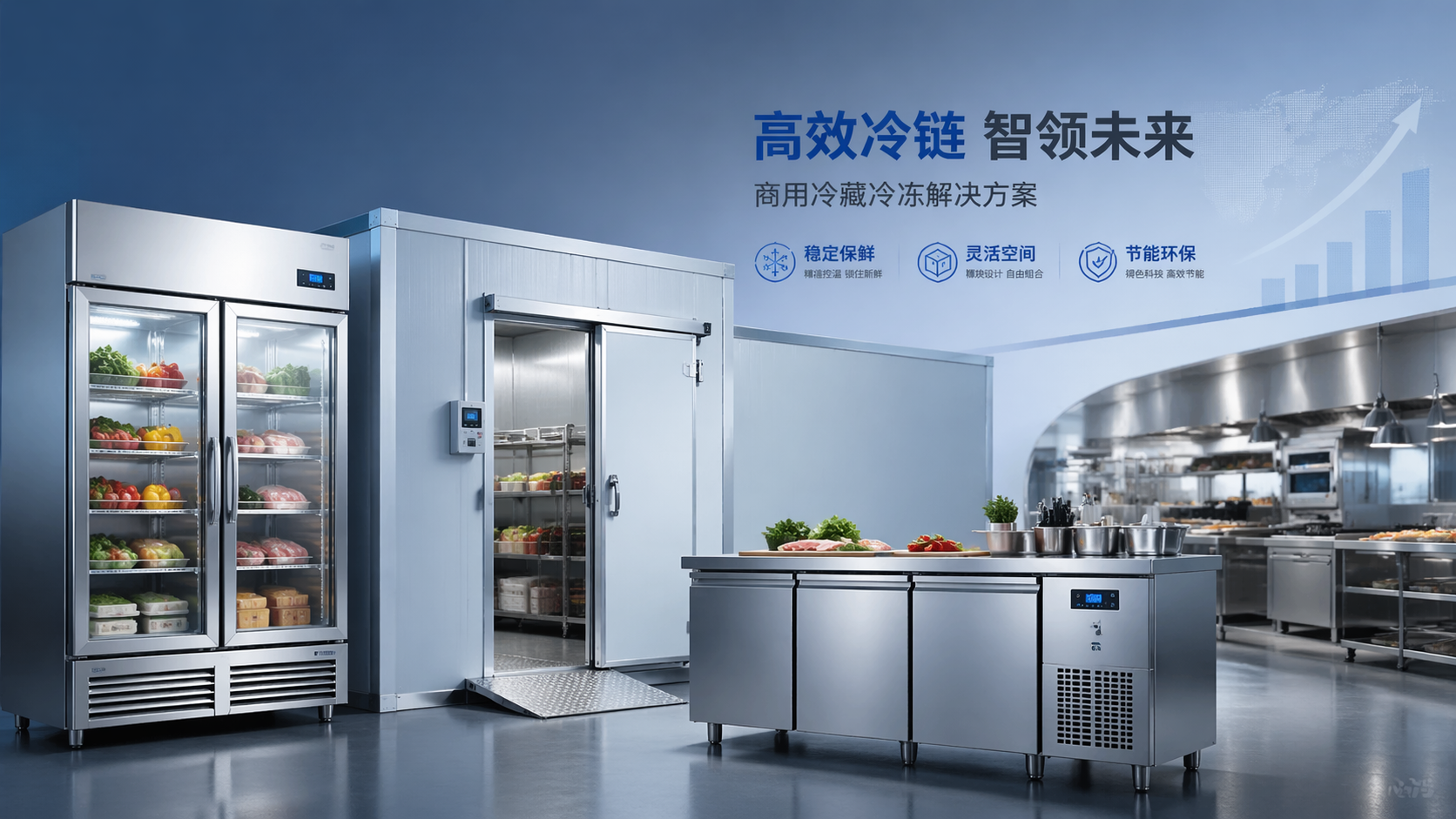
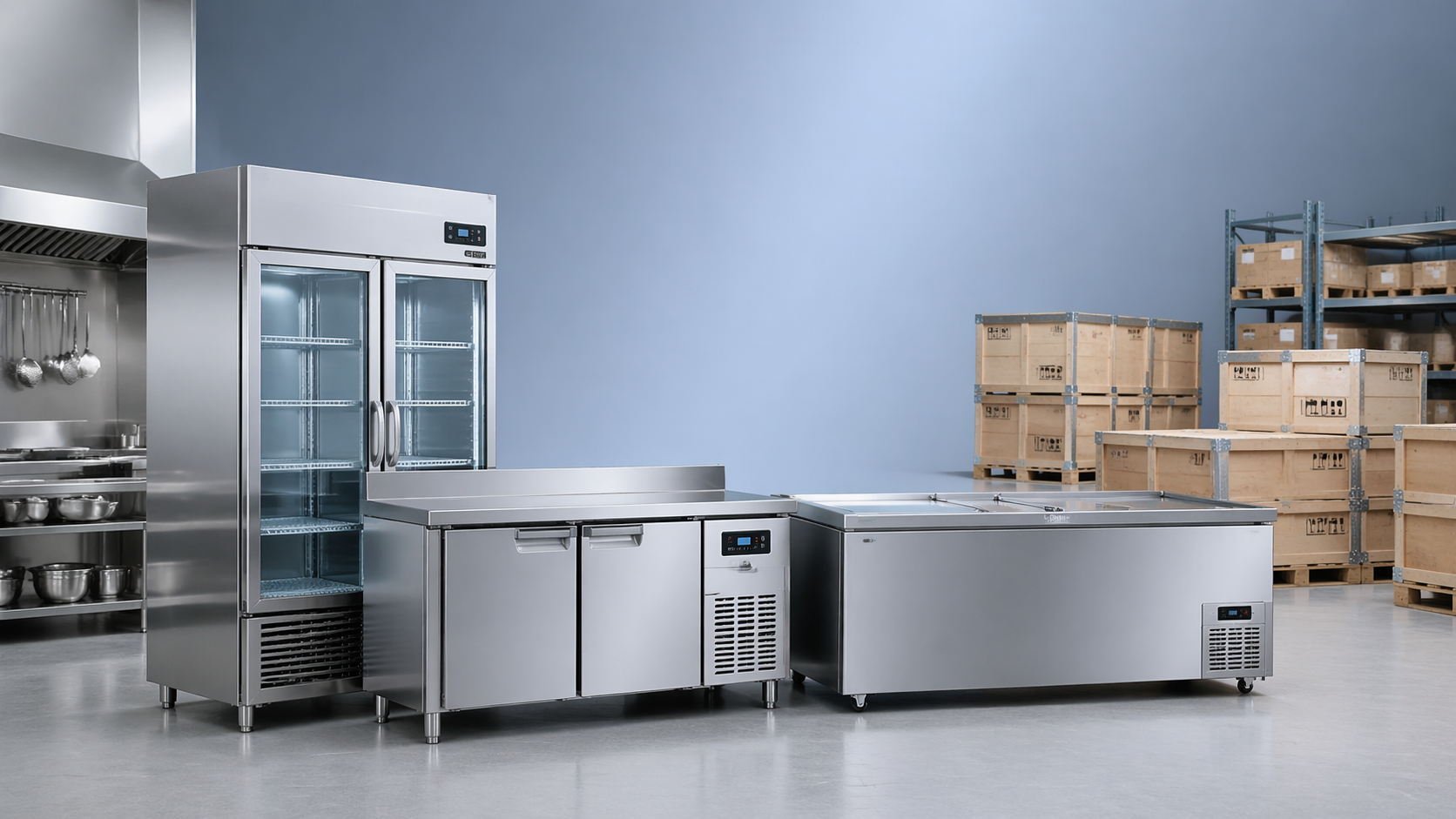
Commercial refrigeration equipment is a good example. Buyers may compare cabinet prices between suppliers, but overlook ambient temperature conditions, door-opening frequency, insulation performance, defrost methods, remote condenser routing, and backup storage needs. A low initial price can quickly lose its advantage if the equipment requires repeated service visits or cannot maintain stable holding temperatures during peak hours.
The same pattern appears with commercial deep fryer selection. Oil capacity, recovery time, filtration options, electrical or gas configuration, and hood compatibility all affect project cost. If the fryer supports high-volume frying but the exhaust system is undersized, the equipment itself is not the only problem. The budget must absorb redesign, duct changes, and installation delays.
The table below summarizes cost categories that are frequently underestimated during procurement. These categories are relevant across restaurants, hotels, central kitchens, and multi-site foodservice operations.
The key lesson is that professional kitchen equipment should be budgeted as an installed operating system, not a shopping list. When technical, compliance, and service costs are identified early, procurement decisions become more accurate and less reactive.
Why imported or smart equipment can change the budget profile
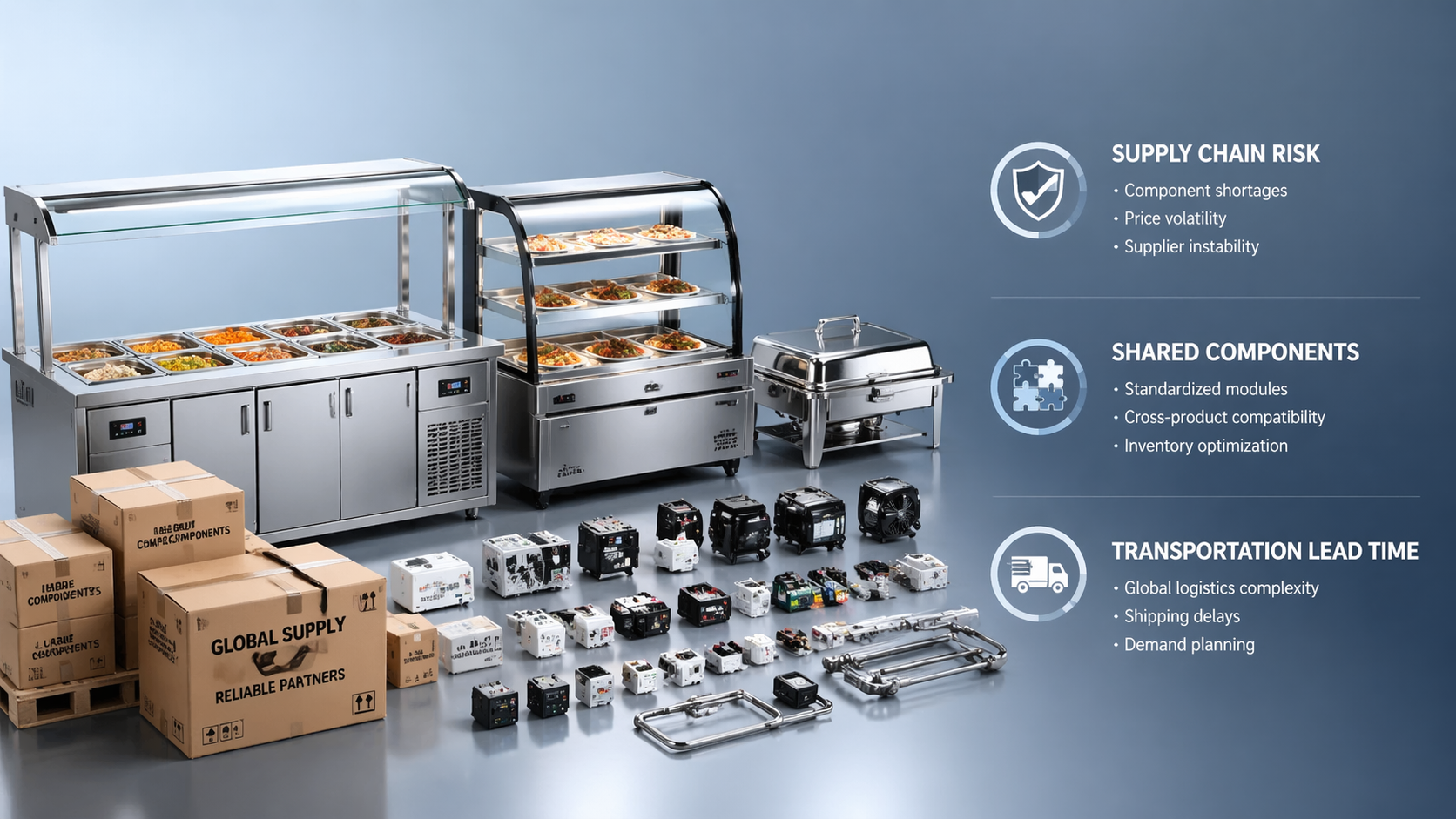
Global sourcing gives buyers access to strong manufacturing regions such as China, Germany, Italy, and Japan, but international procurement can alter both lead time and cost structure. Freight, packaging, spare parts planning, voltage adaptation, and local service capability must all be reviewed before selecting an imported kitchen solution. A lower ex-factory quote does not always mean a lower installed cost.
Smart kitchen technologies can also improve traceability, labor efficiency, and energy management, especially in high-volume or multi-branch operations. Still, digital kitchen management tools may involve software onboarding, user permissions, integration checks, and routine updates. These should be treated as planned investments rather than unexpected overages.
For technical evaluators, the right question is not whether a feature is advanced, but whether it solves a measurable operational issue. If a smart cooking or monitoring feature reduces manual checks every shift or stabilizes product quality across 3–5 outlets, the additional cost may be justified. If the site lacks trained staff or stable infrastructure, the same feature may increase ownership cost without delivering value.
How should buyers compare options before approving a kitchen equipment budget?
A reliable comparison process should look beyond quotation totals. Decision-makers need at least 5 core evaluation dimensions: capacity fit, utility compatibility, hygiene design, serviceability, and lifecycle cost. For operators, ease of cleaning and workflow logic matter every day. For procurement and finance teams, replacement part availability, delivery timing, and warranty terms often determine whether the project stays within budget after installation.
Commercial kitchen design decisions become especially sensitive when comparing standard equipment with customized or integrated systems. Standard units usually support faster purchasing and simpler maintenance. Customized lines may improve throughput, labor flow, or space utilization, but they often require longer approval cycles, more site coordination, and more precise measurements.
The following table helps procurement teams compare budget risk across common purchasing approaches. It is useful when reviewing restaurant kitchen planning, central kitchen expansion, or refurbishment of an existing foodservice line.
This comparison shows why the cheapest quotation can become the most expensive path. A useful procurement review asks what each option costs to buy, install, operate, maintain, and support across the intended business cycle, often 3–7 years for many commercial kitchen assets.
A practical 6-point procurement checklist
- Confirm production target by hour, shift, and peak period instead of using vague labels such as small or large kitchen.
- Verify power, gas, water, drainage, and ventilation conditions before final quotation approval.
- Check cleaning method, food-contact surfaces, and maintenance access for hygiene-sensitive operations.
- Review spare parts lead time and expected service response, especially for imported systems.
- Separate equipment cost from installation, logistics, commissioning, and training in the budget sheet.
- Request a clear revision-control process so drawing changes do not create silent cost escalation.
For enterprise decision-makers, this checklist creates internal alignment between operations, engineering, procurement, and finance. It also reduces the risk of rework after site installation, which is often one of the most expensive avoidable costs in kitchen equipment projects.
When a higher upfront cost makes financial sense
Paying more can be reasonable when the equipment improves throughput, reduces rework, lowers energy usage, or protects food safety consistency. For example, a more stable refrigeration system or automated cooking unit may support tighter process control in hotels, chain restaurants, or food processing environments where downtime has an immediate operating cost. The goal is not minimum purchase price, but fit-for-purpose investment.
That said, premium features should still be filtered carefully. If the kitchen runs one shift, a simple menu, and moderate volume, some high-end automation layers may never be fully used. Budget discipline depends on matching complexity to actual operating need.
Which compliance, technical, and workflow issues push projects over budget later?
Many budget overruns are triggered not by procurement mistakes alone, but by compliance and engineering corrections that appear late. In professional kitchen environments, common review areas include electrical safety, food-contact material suitability, gas appliance compatibility, ventilation balance, cleanability, and separation of raw and cooked workflows. These checks are routine, yet they are often introduced after equipment has already been selected.
For foodservice and food processing operations, layout logic is a major hidden variable. If receiving, storage, prep, cook, hold, wash, and waste zones are compressed into a poorly sequenced footprint, the project may need extra stainless tables, pass-through refrigeration, handwash points, splash control, or staff circulation adjustments. Each item may seem minor, but together they affect both capital expense and operating efficiency.
A useful rule is to review the project in 3 layers: equipment, utilities, and workflow. If any one layer is approved without the other two, the budget remains exposed. This is particularly important in integrated kitchen systems, where automated food processing machinery, smart kitchen devices, and digital monitoring platforms need both physical and operational compatibility.
Before final approval, technical teams should also identify 6 acceptance items: utility match, installed dimensions, operating temperature range, drainage function, ventilation response, and user handover. A missed acceptance item can lead to expensive reopening work after installation.
Common misconceptions that cause avoidable overspending
One misconception is that kitchen equipment budgets fail only because suppliers raise prices. In practice, many overruns result from incomplete buyer-side inputs, such as late menu revisions, changed service volume, or new compliance requirements from landlords, consultants, or local authorities. Price fluctuation matters, but scope fluctuation matters more.
Another misconception is that all stainless equipment is interchangeable. Differences in material grade, fabrication detail, insulation quality, control system design, and cleaning accessibility can affect not only durability but also installation complexity. Two products with similar dimensions may have very different service and operating implications.
A third misconception is that layout can be finalized after equipment arrives. In reality, professional kitchen projects usually require a coordinated sequence: concept confirmation, utility review, equipment schedule, fabrication, delivery, installation, and commissioning. If layout revisions appear after fabrication starts, budget leakage becomes difficult to control.
FAQ: how to control kitchen equipment costs without reducing project quality
The questions below reflect real search and procurement concerns from information researchers, operators, technical evaluators, and business decision-makers. They focus on practical choices that help commercial kitchen equipment projects remain both functional and financially controlled.
How early should a buyer start budget planning for a professional kitchen project?
A preliminary budget can start at concept stage, but a usable procurement budget should be refined once menu type, hourly output, utility conditions, and layout constraints are known. For a simple restaurant refresh, this can happen 2–3 weeks before ordering. For a central kitchen or food processing line, budgeting often needs phased review over 4–8 weeks so equipment, installation, and compliance items are aligned.
What matters more: lower equipment price or lower lifecycle cost?
For most commercial kitchen equipment, lifecycle cost is the better decision metric. Upfront price is only one layer. Energy demand, cleaning time, failure frequency, spare part access, and service downtime all affect total ownership cost. This is especially true for commercial refrigeration equipment, combi ovens, dishwashing systems, and automated processing machines that run daily for long service hours.
How can operators avoid overbuying equipment capacity?
Use actual batch size, peak hour demand, and menu complexity rather than future growth assumptions alone. Many kitchens benefit from sizing for current demand plus a realistic buffer, not maximum theoretical output. A practical approach is to define 3 numbers: average volume, peak volume, and planned growth window over the next 12–24 months. This helps avoid paying for idle capacity while keeping expansion possible.
Are smart kitchen systems always worth the extra budget?
Not always. Smart kitchen technologies are valuable when they solve repeatability, traceability, labor control, or multi-site management issues. They are most effective in operations that need standardized output, digital records, or remote monitoring. In smaller or lower-complexity kitchens, simpler equipment may offer a better cost-to-value ratio if staff can maintain consistency without software-driven controls.
Why choose us when planning kitchen equipment budgets and procurement?
A stable kitchen equipment budget depends on more than a product list. It requires coordinated review of workflow, utilities, compliance, delivery timing, and long-term operating needs. We support buyers with structured evaluation for commercial kitchen design, restaurant kitchen planning, commercial refrigeration equipment selection, commercial deep fryer assessment, and broader integrated kitchen system decisions.
You can contact us for specific procurement support, including parameter confirmation, capacity matching, layout-based equipment selection, estimated delivery cycles, customization scope, certification and compliance review, sample or specification discussion, and quotation comparison. If your project involves automation, energy-efficient kitchen solutions, or digital kitchen management, we can also help identify which functions are practical and which may only add unnecessary cost.
For buyers comparing multiple suppliers, we can help build a clear review sheet covering 5 key areas: installed cost, utility fit, serviceability, hygiene design, and operating efficiency. This makes internal approval easier for technical teams and business leaders, while reducing the risk of hidden expenses later in the project.
If you are preparing a new kitchen, renovating an existing site, or expanding food processing capacity, send your layout, target output, utility information, and preferred delivery window. With that information, we can help you narrow options faster, identify budget risk earlier, and build a procurement plan that is realistic from quotation to commissioning.
- commercial kitchen equipment
- smart kitchen
- refrigeration equipment
- central kitchen
- kitchen design
- restaurant kitchen
- kitchen solutions
- Deep Fryer
- kitchen equipment
- professional kitchen equipment
- commercial refrigeration equipment
- commercial deep fryer
- commercial kitchen design
- restaurant kitchen planning
Popular Tags
Kitchen Industry Research Team
Dedicated to analyzing emerging trends and technological shifts in the global hospitality and foodservice infrastructure sector.
Industry Insights
Join 15,000+ industry professionals. Get the latest market trends and tech news delivered weekly.
No spam. Unsubscribe anytime.
Contact With us
Contact:
Anne Yin (Ceramics Dinnerware/Glassware)
Lucky Zhai(Flatware)