
Dish Sterilizer Selection Mistakes That Raise Operating Costs
Choosing the wrong Dish Sterilizer can quietly increase utility bills, labor time, maintenance needs, and replacement costs across busy kitchens. For buyers comparing professional kitchen equipment, from a Glass Washer and commercial deep fryer to commercial refrigeration equipment, understanding common selection mistakes is essential. This guide explains how poor sizing, inefficient performance, and weak integration with restaurant kitchen planning can raise long-term operating costs.
In commercial kitchens, a dish sterilizer is not an isolated appliance. It affects workflow speed, hygiene compliance, labor scheduling, utility consumption, and the service life of racks, trays, and tableware. For restaurants, hotels, central kitchens, food processors, and institutional catering operators, a poor buying decision may look manageable during installation but become expensive within 6 to 18 months of daily use.
This article is written for researchers, operators, technical evaluators, and business decision-makers who need practical guidance rather than generic product claims. It focuses on the most common dish sterilizer selection mistakes, how those mistakes increase operating costs, and what to check before investing in a new unit or upgrading a kitchen equipment line.
Mistake 1: Buying the Wrong Capacity for Actual Kitchen Throughput
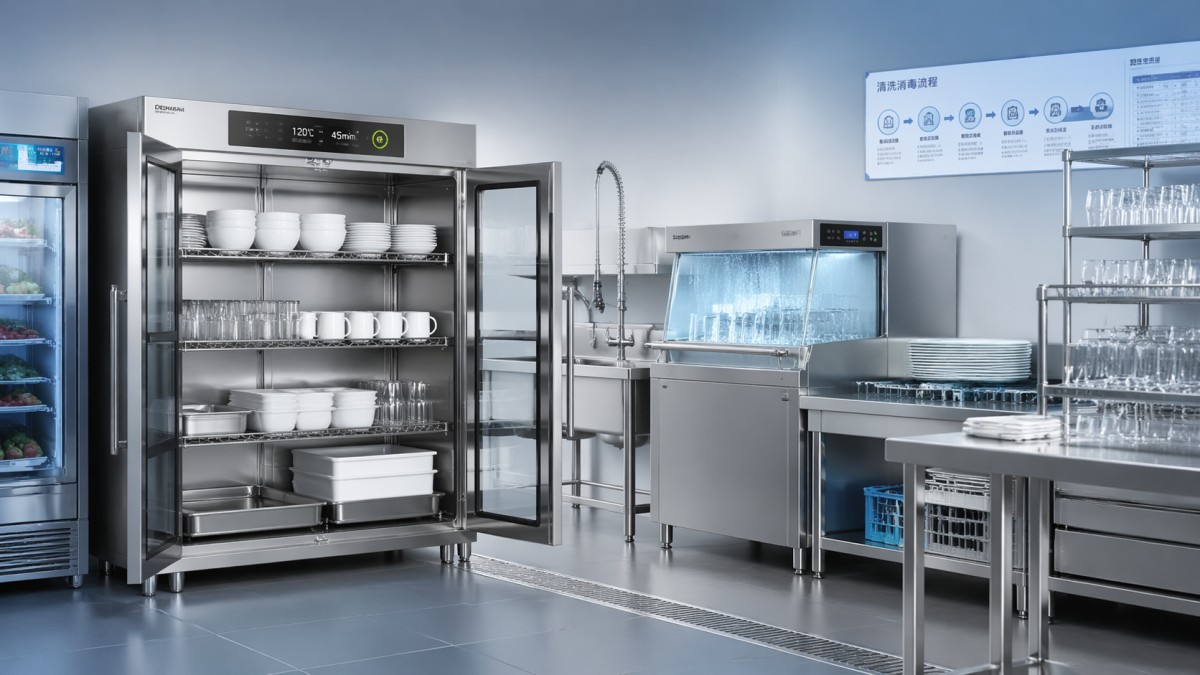
One of the most common and costly mistakes is choosing a dish sterilizer based on purchase price or cabinet size instead of real dish volume per hour. In busy service environments, actual throughput often changes by meal period, not by daily average. A unit that handles 300 to 500 pieces per cycle may be sufficient for a café, but it can quickly become a bottleneck in a hotel breakfast operation or high-turnover restaurant.
Undersizing creates hidden labor costs. Staff must wait for sterilization cycles to finish, re-sort clean wares, or hold backup inventory to avoid service interruption. If each cycle takes 15 to 30 minutes and the kitchen runs 10 to 16 cycles per day, even a small mismatch can add 1 to 2 extra labor hours per shift. Over a month, that delay becomes a recurring operating expense rather than a one-time inconvenience.
Oversizing also raises costs. A large-capacity dish sterilizer installed in a kitchen with inconsistent load levels often runs partially full, wasting energy and increasing unnecessary heating time. This is especially relevant in operations where lunch and dinner loads vary by more than 40%, or where sterilization is combined with a Glass Washer and separate warewashing stations.
How to Estimate the Right Capacity
Capacity should be matched to peak-hour dish turnover, not only daily headcount. For example, a 120-seat restaurant turning tables 2 to 3 times during peak service may process 700 to 1,000 plates, bowls, cups, and utensils in a short operating window. In that setting, a sterilizer chosen only for off-peak volume will slow the whole back-of-house line.
Technical teams should compare at least 4 variables before specifying a model: cycle time, usable rack volume, load recovery speed, and maximum daily operating duration. It is also wise to plan a 15% to 25% capacity buffer for seasonal spikes, banquet events, or menu changes that increase tableware turnover.
The table below shows how sizing errors translate into operating cost pressure across common foodservice scenarios.
The main lesson is simple: correct sizing reduces both visible and hidden expenses. A dish sterilizer should support real production rhythm, not just fit the available corner of the wash area. Buyers who calculate hourly load, peak period duration, and growth capacity typically make better long-term decisions.
Practical Sizing Checklist
- Measure peak-hour item volume, not just daily average volume.
- Check whether cycle time remains stable under full load for 8 to 12 operating hours.
- Allow 15% to 25% extra capacity for seasonal growth or menu expansion.
- Confirm whether racks, trays, or GN pans fit the usable chamber size without inefficient stacking.
Mistake 2: Ignoring Energy, Water, and Heat Efficiency
Another expensive mistake is evaluating a dish sterilizer only by purchase price while ignoring electricity demand, heat loss, standby consumption, and water-related operating conditions. In many kitchens, utility expenses accumulate every day. A unit with a lower initial price can cost more over 3 to 5 years if it requires longer heating, poor insulation, or repeated re-runs caused by inconsistent sterilization performance.
Commercial kitchen buyers increasingly compare sterilizers with other energy-intensive equipment such as a commercial deep fryer, combi oven, or commercial refrigeration equipment. In that comparison, sterilization systems should be reviewed as part of total kitchen energy planning. A 2 kW to 6 kW difference in rated power may not seem major at procurement stage, but it matters when the unit runs multiple cycles every day across a full year.
Heat retention and cycle stability matter just as much as rated power. A dish sterilizer that loses heat quickly may consume more energy to maintain target temperatures. It can also lengthen the time between batches, forcing staff to hold dirty ware in staging areas longer. In humid wash zones, that delay can affect sanitation management and space utilization.
Key Efficiency Factors Buyers Often Miss
Technical evaluation should include actual operating mode, not only brochure ratings. For example, some kitchens run 6 large cycles per day, while others run 20 smaller cycles. The more fragmented the load pattern, the more important standby efficiency, door-seal quality, and heating recovery become. Units that recover temperature within 3 to 5 minutes often support smoother workflow than models requiring 8 to 12 minutes after each load.
Ventilation interaction is another overlooked cost source. If the sterilizer releases excessive heat into the wash area, HVAC systems work harder, especially in enclosed kitchens or food processing support areas. That indirect energy burden is rarely visible in the equipment quote, yet it can materially raise monthly operating costs.
The following comparison helps procurement teams review the most important utility-related decision points.
A disciplined energy review often shows that the cheapest unit is not the least expensive one to own. Especially in operations running 300 or more service days per year, even modest efficiency gains can improve total cost control. Buyers should ask suppliers for typical operating conditions, recommended electrical setup, and expected cycle behavior under real kitchen loads.
Questions to Ask Before Purchase
- What is the rated power range, and how does it change under full-load operation?
- How long does the unit take to recover after each cycle?
- Does the installation require extra exhaust, drainage, or power upgrades?
- Can the sterilizer integrate with a broader energy-efficient kitchen solution?
Mistake 3: Overlooking Workflow Integration and Kitchen Layout
A dish sterilizer may perform well on paper but still raise operating costs if it does not fit the physical workflow of the kitchen. This problem is common in restaurant renovations, hotel back-of-house upgrades, and central kitchen expansions where equipment is purchased separately rather than planned as a coordinated system. The result is extra handling, crossing staff paths, blocked access, and lost minutes in every cleaning cycle.
In practical terms, poor integration means operators may move wares through 4 to 6 unnecessary touchpoints between washing, draining, sterilizing, cooling, and storage. Each additional step increases labor time and the chance of recontamination. In high-volume kitchens, a badly positioned sterilizer can also interfere with a Glass Washer, drying racks, waste stations, or pass-through warewashing traffic.
This is why restaurant kitchen planning matters. Equipment should support a logical one-way flow from dirty intake to clean storage. If the sterilizer door swing, loading height, or unloading zone is wrong for the available line, labor efficiency drops quickly. Operators notice this first, but managers eventually see it in payroll hours, breakage rates, and slower turnaround during rush periods.
Layout Risks That Increase Cost
The most frequent layout mistake is choosing a sterilizer before verifying door clearance, rack transfer space, electrical points, and drainage location. Another issue is failing to match loading orientation with operator movement. If staff must rotate, bend, or carry hot racks over long distances, not only does labor time rise, but ergonomic strain and accident risk increase too.
A realistic planning review should include peak staffing levels, trolley paths, staging area size, and adjacency to other equipment. For instance, if the sterilizer is placed too close to commercial refrigeration equipment, airflow and access may be compromised. If it is too far from the washing line, clean output may pile up and delay shelf restocking.
The table below outlines how layout decisions affect labor and hygiene performance.
Well-integrated layout reduces repetitive handling and protects sanitation standards. In many projects, layout correction delivers more savings than negotiating a slightly lower unit price. That is why technical evaluation should involve kitchen planners, operators, and procurement teams together, not as separate approval steps.
Workflow Review Points
- Map the dirty-to-clean path in 5 to 7 process steps before final equipment placement.
- Confirm operator reach height, loading posture, and trolley turning space.
- Reserve nearby clean storage to avoid a second transfer backlog.
- Review coexistence with dishwashing, drying, refrigeration, and waste management equipment.
Mistake 4: Choosing a Unit Without Serviceability, Durability, and Control Visibility
The fourth major mistake is focusing only on short-term output while overlooking long-term maintenance access, spare part availability, control simplicity, and structural durability. A dish sterilizer operates in a demanding environment of heat, moisture, detergents, and repeated door cycles. If components are hard to inspect or replace, minor faults can become long downtime events.
For operators, poor control visibility creates mistakes in daily use. If temperature indication, cycle status, alarm signals, or fault prompts are unclear, staff may open the unit too early, overload racks, or skip basic checks. Over 9 to 12 months, these habits increase wear, raise maintenance frequency, and reduce hygiene consistency. Simpler interfaces often perform better in multi-shift kitchens with varying staff skill levels.
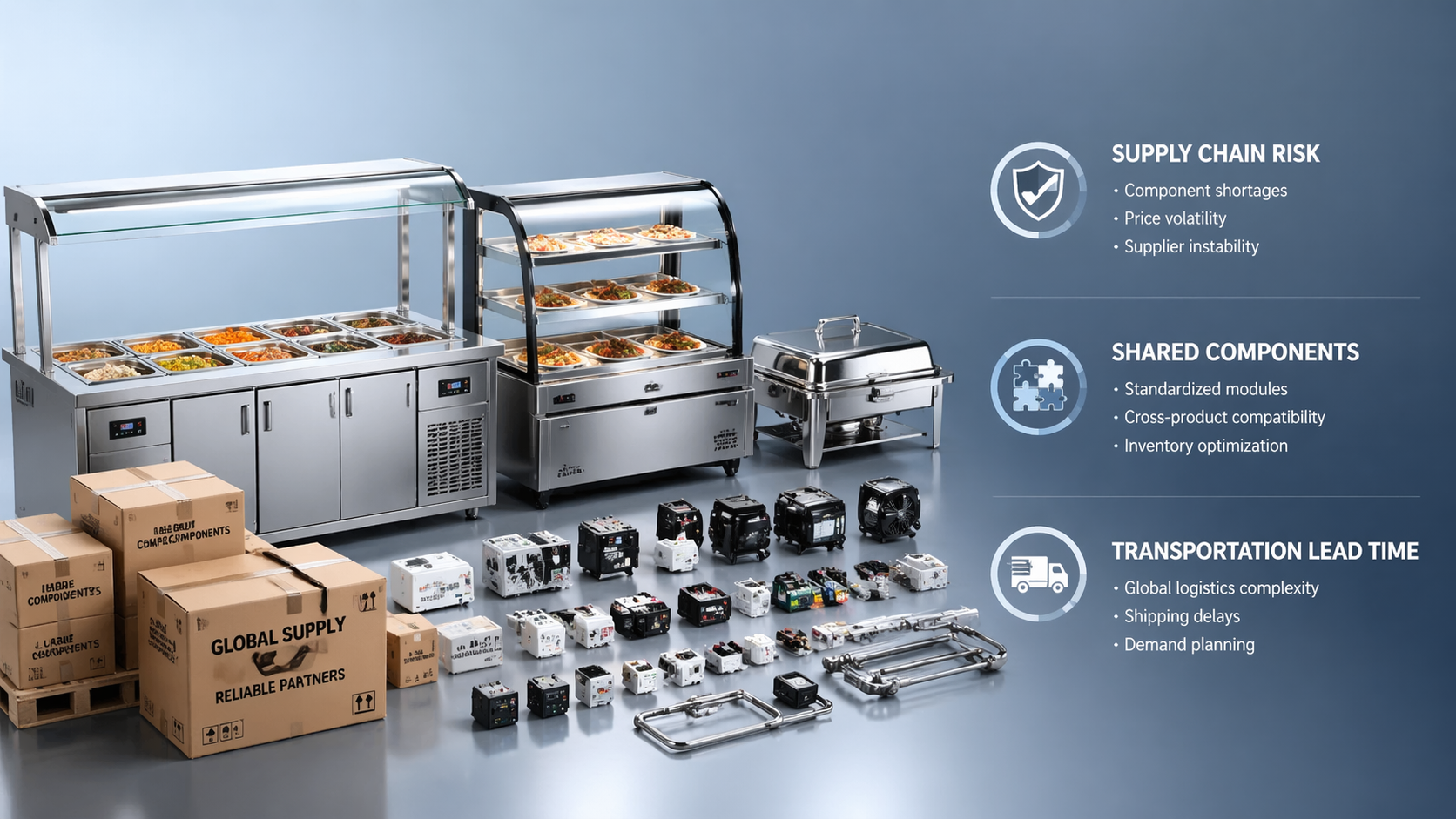
For business decision-makers, the core issue is total ownership risk. If a low-cost sterilizer requires frequent service visits, specialized parts with long lead times, or extensive technician intervention, the real cost of ownership rises quickly. In regions with cross-border equipment sourcing, spare part delivery may take 7 to 21 days, which is a serious risk for kitchens that operate every day.
What to Check Before Signing a Purchase Order
A strong specification should include more than chamber size and power. Buyers should check panel readability, service door access, heater replacement procedure, seal durability, rack support strength, and routine cleaning access. Stainless construction quality, weld consistency, and corrosion resistance are not luxury features in professional kitchens; they directly affect lifecycle cost.
It is also wise to ask for a preventive maintenance schedule. Typical inspection intervals may range from monthly cleaning checks to quarterly component inspections and annual electrical review. Equipment that supports routine maintenance in 15 to 30 minutes is generally less disruptive than units requiring partial disassembly for basic servicing.
Minimum Evaluation Items
- Control panel clarity: can operators confirm temperature, cycle status, and alarm conditions at a glance?
- Maintenance access: can common service items be inspected without moving the whole unit?
- Parts support: are heating, sealing, and electrical components realistically available within acceptable lead time?
- Material strength: is the structure suitable for 1 to 3 shifts per day under commercial use?
A durable, maintainable sterilizer protects uptime and reduces emergency service costs. For kitchens already investing in smart kitchen technologies or digital management systems, it is also helpful to prioritize units with clear diagnostics and traceable operating information. Even basic fault visibility can shorten troubleshooting time and improve staff accountability.
How to Build a Lower-Cost Selection Process
The best way to avoid dish sterilizer selection mistakes is to use a structured comparison process that links procurement criteria with actual kitchen operations. This is particularly important in the broader kitchen equipment industry, where buyers may evaluate multiple systems at once, including warewashing, cooking, storage, and refrigeration. If the sterilizer is reviewed as part of an integrated kitchen solution, hidden cost risks become easier to identify early.
A practical process usually involves 4 stages: demand definition, technical review, layout verification, and lifecycle cost comparison. Demand definition should include daily volume, peak load, utility conditions, staffing model, and hygiene requirements. Technical review should then verify performance parameters, service access, and installation compatibility. Layout verification confirms workflow fit. Lifecycle comparison weighs purchase price against energy, maintenance, and labor implications over at least 3 years.
This approach is especially useful for decision-makers comparing overseas suppliers or mixed equipment packages. A slightly higher upfront investment can be justified if it reduces rework, downtime, or energy waste across the operating year. In fast-growing markets where kitchens are becoming more automated and energy conscious, procurement standards need to reflect total operational reality rather than only invoice value.
Recommended Selection Workflow
- Step 1: Record actual peak-hour ware volume and target turnaround time.
- Step 2: Check electrical load, ventilation, drainage, and location constraints.
- Step 3: Compare 2 to 4 models using throughput, energy behavior, maintenance access, and workflow fit.
- Step 4: Confirm installation, operator training, spare parts planning, and service response expectations.
FAQ: Common Buyer Questions
How long does dish sterilizer implementation usually take?
For standard projects, equipment supply and site preparation may take 2 to 6 weeks depending on sourcing, power readiness, and layout adjustments. If utility upgrades or kitchen remodeling are involved, lead time can be longer.
Is a larger dish sterilizer always a better investment?
No. An oversized unit can waste energy and floor space if average loads are low. The right choice is a model matched to peak demand with a moderate reserve, typically around 15% to 25%.
What should technical evaluators prioritize?
They should prioritize cycle stability, real usable capacity, recovery time, electrical compatibility, ventilation impact, serviceability, and fit within the existing warewashing flow.
Can a poor dish sterilizer choice affect other kitchen equipment?
Yes. Poor placement or excessive heat release can affect nearby workstations and even interact with a Glass Washer, storage flow, and commercial refrigeration equipment access, increasing total kitchen inefficiency.
A well-selected dish sterilizer lowers operating costs by supporting efficient flow, controlled utility use, easier maintenance, and more reliable sanitation performance. For researchers, operators, evaluators, and decision-makers, the real goal is not simply to buy a machine, but to build a kitchen process that stays efficient under daily pressure.
If you are comparing dish sterilizers or planning a broader commercial kitchen upgrade, now is the right time to review capacity, energy behavior, layout integration, and service support together. Contact us to get a tailored equipment recommendation, discuss technical details, or explore a more efficient kitchen solution for your operation.
Popular Tags
Kitchen Industry Research Team
Dedicated to analyzing emerging trends and technological shifts in the global hospitality and foodservice infrastructure sector.
Industry Insights
Join 15,000+ industry professionals. Get the latest market trends and tech news delivered weekly.
No spam. Unsubscribe anytime.
Contact With us
Contact:
Anne Yin (Ceramics Dinnerware/Glassware)
Lucky Zhai(Flatware)