Commercial Steamer Capacity Gaps That Hurt Peak Service
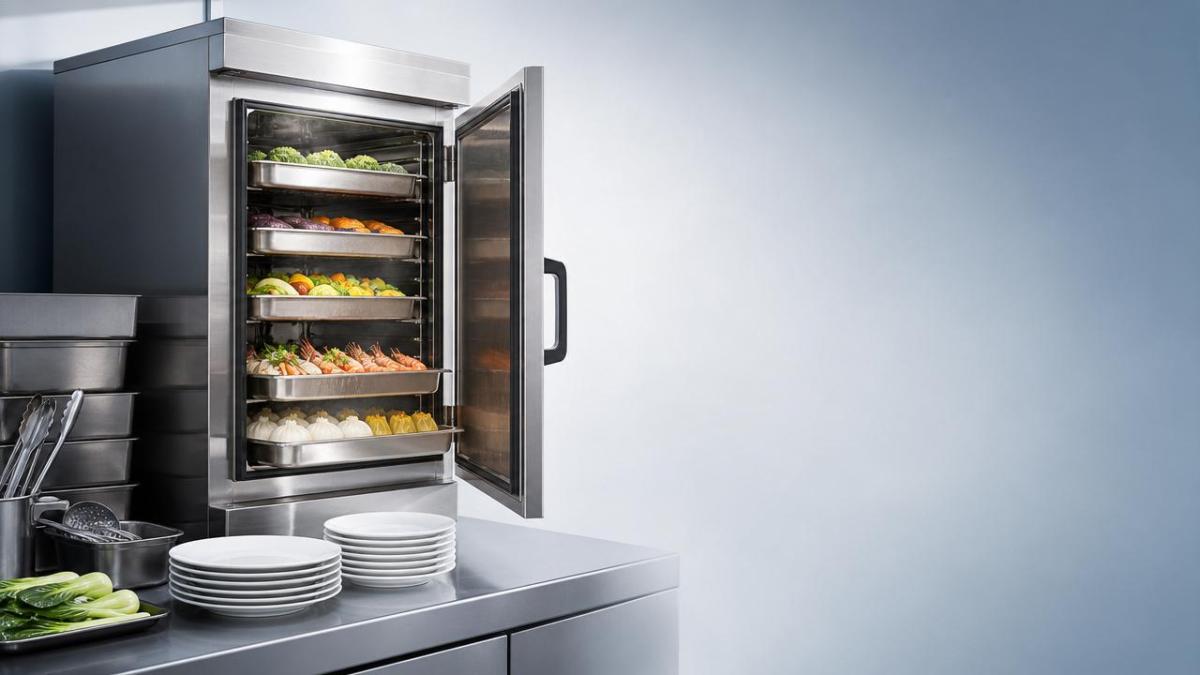
When peak service hits, a Commercial Steamer that looks sufficient on paper can quickly become a hidden bottleneck. Capacity gaps often lead to longer ticket times, uneven workflow, and unnecessary pressure on operators. Understanding where these shortfalls appear helps kitchens improve output, protect food quality, and maintain smoother service during the busiest hours.
Why capacity gaps are becoming more visible now
In many foodservice operations, the conversation around a Commercial Steamer has changed. Kitchens no longer judge equipment only by whether it can cook a batch correctly. They now judge it by whether it can keep pace with compressed service windows, menu complexity, labor shortages, and tighter quality expectations. This shift matters because peak periods are no longer isolated events. For many restaurants, hotels, central kitchens, and catering teams, lunch rushes, delivery spikes, banqueting waves, and late-hour recovery batches have all become more intense.
At the same time, the broader kitchen equipment industry is moving toward smarter, more energy-efficient, and more connected systems. Operators are expected to do more with less labor while maintaining food safety and consistency. That puts new pressure on every production step. A Commercial Steamer that once seemed oversized may now be undersized because demand patterns, holding practices, and menu formats have changed faster than equipment planning.
The most important industry signal is this: capacity is no longer just about chamber volume. It is about recovery time, loading flexibility, pan configuration, product mix, steam distribution, cleaning downtime, and how the unit fits into the full kitchen workflow. Operators who understand this broader view can identify bottlenecks earlier and avoid costly service disruption.
What is changing in Commercial Steamer demand
Demand for Commercial Steamer equipment is being reshaped by several practical trends. Menus now include more delicate vegetables, seafood, dumplings, reheated prepared meals, and batch-finished items that depend on moisture control. Multi-channel service has also expanded. Dine-in, takeaway, delivery, buffet, and institutional feeding often run side by side. As a result, the same steamer may be expected to support à la carte speed, volume production, and holding preparation in the same shift.
Another change is the growing need for operational predictability. Managers want equipment that supports consistent output even with less experienced staff. This favors steamers with programmable controls, better cavity management, improved insulation, and easier cleaning design. The market trend is not simply toward bigger machines, but toward more usable capacity and more dependable throughput under real service conditions.
These shifts explain why kitchens that appear well equipped on paper still struggle in practice. The issue is often not the presence of a Commercial Steamer, but a mismatch between actual service behavior and assumed capacity.
Where peak service capacity gaps usually appear
The first gap usually appears in reload timing. Some operators assume listed pan count equals continuous output, but actual throughput drops when doors open frequently, mixed products require staggered removal, or the unit needs recovery time between loads. During a fast lunch rush, even a small delay per cycle can expand into a service-wide slowdown.
A second gap appears in product mix. A Commercial Steamer may handle full capacity well when all pans contain similar items, but performance becomes less predictable when dense proteins, delicate vegetables, and reheating trays are loaded together. Operators then start underloading the cavity to protect quality, which quietly reduces real capacity below the original plan.
A third gap is tied to staging and workflow. Steamers often become shared resources between prep and service teams. If one unit is used for pre-service vegetable batches, event banquet recovery, and line replenishment at the same time, conflict emerges even if the machine itself is technically functional. In other words, the bottleneck is not only thermal capacity but scheduling capacity.
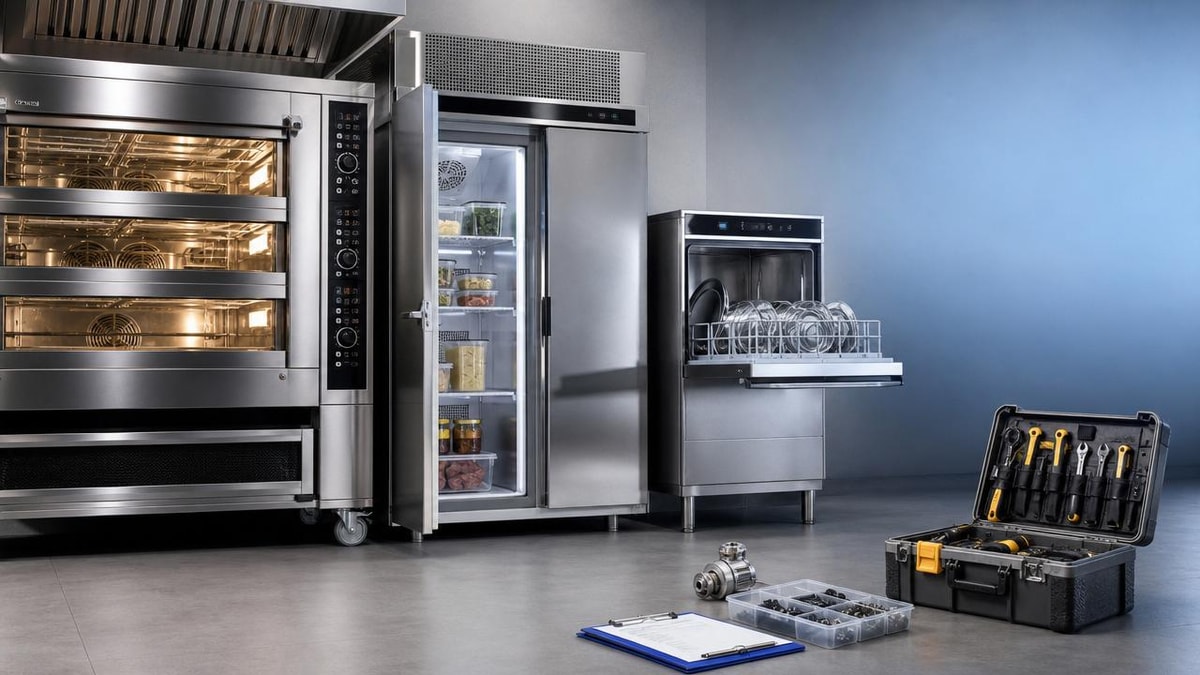
A fourth gap involves maintenance and cleanliness. Scale buildup, poor drainage, door seal wear, or inconsistent water quality can reduce steam efficiency over time. Operators may blame staff speed or menu pressure when the deeper issue is degraded machine performance. This is a growing concern as kitchens seek longer equipment life with lower energy waste.
Why these gaps matter more across the kitchen equipment industry
The kitchen equipment industry is moving toward integrated, data-aware production environments. Equipment decisions increasingly affect labor planning, utility cost control, digital recipe execution, and food safety compliance. In this context, a Commercial Steamer is not an isolated appliance. It is part of a system that must support throughput, consistency, and sustainable operation.
This matters for operators because bottlenecks no longer stay local. If steaming slows, prep tables overfill, hot holding becomes unstable, line communication deteriorates, and staff begin making rushed substitutions. Quality issues then spread to guest satisfaction and waste control. For hotels and institutional kitchens, the impact can be even larger because production often depends on synchronized batch timing across multiple stations.
There is also a purchasing trend worth noting. Buyers are paying closer attention to lifecycle value rather than only initial price. They increasingly ask whether a Commercial Steamer can support future menu expansion, whether it interfaces well with other equipment, and whether its performance remains stable under repeated heavy use. This reflects a more mature market view shaped by efficiency goals and operational volatility.
Who feels the impact most during busy service
Capacity gaps affect different roles in different ways. For operators on the line, the immediate issue is stress and inconsistency. They wait for pans, adjust cooking times under pressure, and risk overhandling food. For kitchen managers, the issue becomes service reliability and labor balance. For owners and procurement teams, the issue is return on investment, because equipment that cannot support demand creates hidden costs even when it still functions mechanically.
The main drivers behind the mismatch
Several forces are driving these capacity mismatches. First, menu engineering has become more dynamic. Seasonal items, healthier cooking formats, and premium texture expectations all increase dependence on steam-based cooking. Second, labor turnover means kitchens cannot rely only on individual experience to keep production flowing. Third, facilities are under pressure to reduce energy waste, which raises interest in efficient steam generation and better cavity control rather than simple oversizing.
Technology is another driver. Newer Commercial Steamer models may offer programmable recipes, diagnostics, and improved humidity management. This raises the performance standard across the market. Older units that still operate may nevertheless become operationally weak compared with current service demands. In many kitchens, the problem is not failure, but gradual relevance loss.
What operators should evaluate before the gap turns into a service problem
The first priority is to measure actual peak behavior rather than relying on rated specifications. Track how many loads your Commercial Steamer completes in the busiest hour, how often the door opens, how often pans queue, and which menu items create the longest occupancy. This reveals whether the issue is chamber size, cycle length, or workflow collision.
The second priority is to separate planned capacity from usable capacity. If your team avoids full loading because mixed products cook unevenly, then the practical capacity is already lower than the published number. That difference should shape future equipment decisions, menu staging, and service planning.
The third priority is maintenance visibility. Water quality, descaling intervals, drainage condition, and gasket performance all influence steam efficiency. A Commercial Steamer that receives inconsistent care may quietly lose throughput long before a major fault appears. In a market focused on efficiency and uptime, preventive attention is a strategic advantage, not just a technical task.
How to respond as industry expectations keep shifting
The best response is usually a mix of operational adjustment and smarter equipment judgment. Some kitchens can improve performance by changing batch sequencing, assigning separate prep windows, or standardizing pan loading practices. Others may need a different Commercial Steamer configuration, an additional unit for redundancy, or a more advanced model designed for faster recovery and easier programming.
For growing operations, future-proofing matters. Ask whether current peak patterns are temporary or part of a wider demand shift. If delivery volume, banquet frequency, or healthy steamed menu offerings are expanding, then a recurring capacity gap is a strategic signal. It suggests the kitchen system is entering a new production stage and should be assessed as a whole.
From a broader kitchen equipment perspective, the strongest long-term direction is toward integrated performance: reliable output, lower resource waste, simpler operator control, and equipment that adapts to variable service loads. A Commercial Steamer that supports these goals will remain more valuable than one selected only for nominal size or short-term budget comfort.
Key signals to monitor in the next review cycle
Watch for repeated signs such as queueing at the steamer during rush periods, increased rework on steamed items, staff reluctance to use full pan loads, and growing dependence on workaround methods. These are not minor irritations. They are early indicators that actual demand has moved beyond the original production assumption.
Also monitor whether your Commercial Steamer still matches the direction of the business. If your menu, service model, and labor structure have changed, equipment sizing and configuration should be reviewed with the same seriousness as food cost or staffing plans. In an industry defined by efficiency, quality, and smarter systems, unnoticed capacity gaps can become one of the most expensive hidden limits in the kitchen.
Practical next questions for operators and decision-makers
If you want to judge whether a Commercial Steamer is helping or hurting peak service, focus on a few direct questions. What is the real busiest-hour throughput? Which products occupy the chamber longest? How much of the rated capacity is actually used without compromising quality? How often does maintenance affect steam performance? And if business volume grows further, can the current setup absorb that change without creating new delays?
Those questions turn a vague equipment concern into a practical trend assessment. They help operators, managers, and buyers understand whether current performance issues are temporary, procedural, or structural. In today’s kitchen equipment environment, that clarity is essential for protecting service speed, product consistency, and long-term operational resilience.
Popular Tags
Kitchen Industry Research Team
Dedicated to analyzing emerging trends and technological shifts in the global hospitality and foodservice infrastructure sector.
Industry Insights
Join 15,000+ industry professionals. Get the latest market trends and tech news delivered weekly.
No spam. Unsubscribe anytime.


Contact With us
Contact:
Anne Yin (Ceramics Dinnerware/Glassware)
Lucky Zhai(Flatware)