
Is restaurant supplies B2B changing with faster sourcing cycles
Restaurant supplies B2B is changing fast as sourcing cycles become shorter, buyer expectations rise, and digital procurement reshapes global kitchen equipment trade.
In foodservice, speed no longer means sacrificing reliability. It now means finding qualified products, stable lead times, and responsive support without slowing expansion plans.
This shift affects commercial kitchen equipment, food processing machinery, utensils, refrigeration, cooking systems, and energy-efficient appliances across many markets.
The key question is simple: is restaurant supplies B2B truly changing with faster sourcing cycles, and what does that mean for smarter decisions?
What does faster sourcing mean in restaurant supplies B2B?
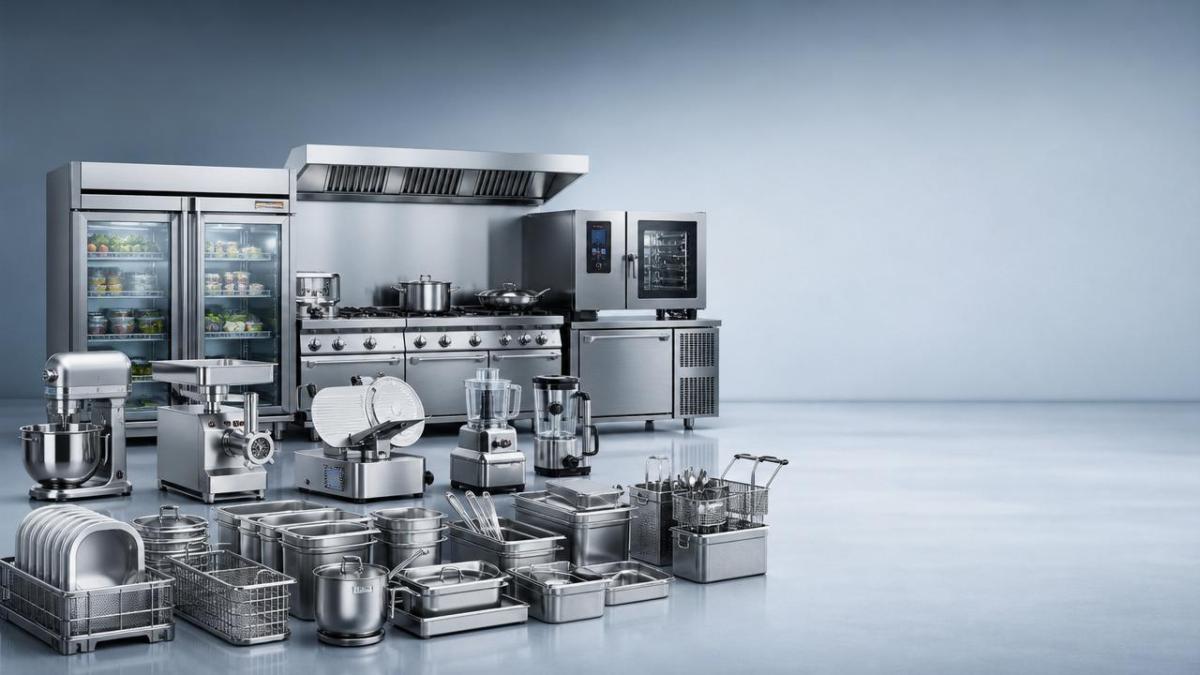
Faster sourcing means shorter time between product search, quotation, evaluation, ordering, and delivery planning in restaurant supplies B2B transactions.
Traditional sourcing often depended on trade fairs, layered intermediaries, and long communication cycles. Today, digital channels compress those steps dramatically.
Product catalogs, certification files, videos, and technical drawings are now available earlier in the decision process. That removes delays caused by incomplete information.
In the kitchen equipment industry, this matters because many projects need coordinated purchases. Cooking, storage, preparation, and sanitation systems must align quickly.
Faster sourcing does not only refer to shipping speed. It also includes supplier responsiveness, sample readiness, documentation accuracy, and inventory visibility.
Restaurant supplies B2B now works in a tighter rhythm. Delays in one equipment category can affect an entire opening schedule or replacement plan.
Why are sourcing cycles becoming shorter now?
Several market forces are pushing restaurant supplies B2B toward shorter sourcing cycles, especially in commercial kitchens and food processing environments.
Digital procurement tools are reducing friction
Online sourcing platforms, ERP integration, cloud catalogs, and instant quotation systems speed up comparison and approval stages.
When product specifications are structured clearly, decisions can move faster without repeated clarification emails.
Market demand is less predictable
Foodservice expansion, menu changes, seasonal traffic, and renovation cycles create urgent demand for flexible kitchen equipment sourcing.
Shorter buying windows encourage quicker supplier screening and smaller, more frequent replenishment orders.
Product innovation is accelerating
Smart cooking equipment, automated preparation systems, and energy-saving appliances are entering the market faster than before.
That increases pressure to source updated products before older models lose competitiveness or compliance relevance.
Global sourcing networks are broader
China, Germany, Italy, and Japan remain important production hubs. Emerging markets are also adding demand and supply options.
A wider supplier base gives more choice, but also raises the need for faster qualification and clearer risk control.
Which areas of restaurant supplies B2B feel this shift most strongly?
Not every category changes at the same pace. Some product groups in restaurant supplies B2B are more sensitive to sourcing speed.
- Commercial cooking equipment with fast model upgrades
- Refrigeration and storage systems with efficiency compliance demands
- Food processing machinery requiring technical compatibility
- Smallwares and utensils needing frequent replenishment
- Integrated kitchen systems tied to project installation schedules
High-turn items benefit from inventory flexibility. Technical equipment benefits from fast documentation, after-sales support, and clear specification matching.
Restaurant supplies B2B changes become even more visible when projects involve chain expansion, central kitchens, hotel upgrades, or export distribution.
In these scenarios, sourcing speed must work together with product consistency, packaging reliability, and installation readiness.
Does faster restaurant supplies B2B increase risk?
Yes, faster sourcing can increase risk if decisions rely only on low prices or urgent availability.
The biggest mistake is assuming a short sourcing cycle automatically improves efficiency. Speed without verification often creates hidden costs later.
Common risks to watch
- Incomplete compliance records or missing certifications
- Inconsistent production quality across batches
- Unclear spare parts support
- Lead times that look short but are not stable
- Weak communication during customization requests
- Poor packaging causing damage during transit
In restaurant supplies B2B, risk usually appears between order confirmation and delivery execution. That is where documentation and planning matter most.
A practical response is to build a fast-check framework rather than slowing everything down.
- Verify core specifications first
- Confirm certifications and testing records
- Check real lead-time history
- Review packaging and shipping terms
- Clarify warranty and parts availability
How should sourcing decisions change under shorter cycles?
The best approach is not simply moving faster. It is building a repeatable system for faster and safer evaluation in restaurant supplies B2B.
Prioritize supplier readiness
Readiness includes clear catalogs, fast technical answers, transparent lead times, and proven export or distribution capability.
A responsive supplier often reduces total sourcing friction more than a slightly lower initial price.
Use category-based sourcing logic
Not all items need the same buying model. Standard utensils can follow replenishment logic. Complex kitchen systems need technical review logic.
Balance inventory and flexibility
Faster cycles support smaller orders, but safety stock still matters for critical restaurant supplies B2B categories.
A blended strategy often works best: reserve core items, source flexible items dynamically, and monitor demand shifts closely.
Track total landed value
Short sourcing cycles can hide costs in freight, delays, product failure, or energy inefficiency.
For kitchen equipment, total value includes durability, operating efficiency, serviceability, and replacement convenience.
What does this trend mean for the future of restaurant supplies B2B?
Restaurant supplies B2B is moving toward a model that combines speed, data transparency, and operational resilience.
Suppliers with smart production, digital communication, and stable quality systems will likely perform better in global foodservice channels.
Energy-efficient equipment will gain more attention because shorter sourcing cycles still require long-term operating savings.
Integrated kitchen systems will also become more important. Buyers increasingly want compatibility across preparation, cooking, storage, and cleaning workflows.
In practice, faster restaurant supplies B2B does not remove the need for trust. It increases the value of documented reliability.
Quick FAQ table: how to judge faster restaurant supplies B2B choices?
Final answer: is restaurant supplies B2B changing with faster sourcing cycles?
Yes. Restaurant supplies B2B is clearly changing as sourcing cycles become faster, more digital, and more performance-driven.
The winners will not be those moving fastest alone. They will be those combining speed with specification accuracy, stable quality, and flexible supply planning.
For kitchen equipment, the smartest next step is to review current sourcing steps, identify avoidable delays, and standardize fast qualification criteria.
That approach turns faster restaurant supplies B2B into a strategic advantage instead of a rushed operational risk.
Popular Tags
Kitchen Industry Research Team
Dedicated to analyzing emerging trends and technological shifts in the global hospitality and foodservice infrastructure sector.
Industry Insights
Join 15,000+ industry professionals. Get the latest market trends and tech news delivered weekly.
No spam. Unsubscribe anytime.
Hot Articles
 How to Size a Commercial Kitchen Hood for Cooking Equipment and Heat Loads
- How to Size a Planetary Mixer Machine for High-Viscosity Batch Production
- How to Choose Ceramic Rice Plates for Restaurants: Size, Glaze, and Chip Resistance
- Kitchen Innovation Trends in Emerging Markets: Where Growth Will Come From in 2026
Contact With us
Contact:
Anne Yin (Ceramics Dinnerware/Glassware)
Lucky Zhai(Flatware)