
Are non-stick kitchen tools still safe after long-term use
Are non-stick kitchen tools still safe after years of daily cooking? In most cases, yes—if the coating remains intact, the tools are used within normal temperature ranges, and they are replaced once wear becomes visible.
For home cooks, restaurant buyers, and food safety-conscious users, the real issue is not whether all non-stick products are dangerous. It is whether aging, scratches, overheating, and low-quality materials change their safety over time.
This article explains what long-term use does to non-stick kitchen tools, when they remain safe, when they should be replaced, and how to choose better products for more reliable kitchen performance.
What users really want to know about long-term safety
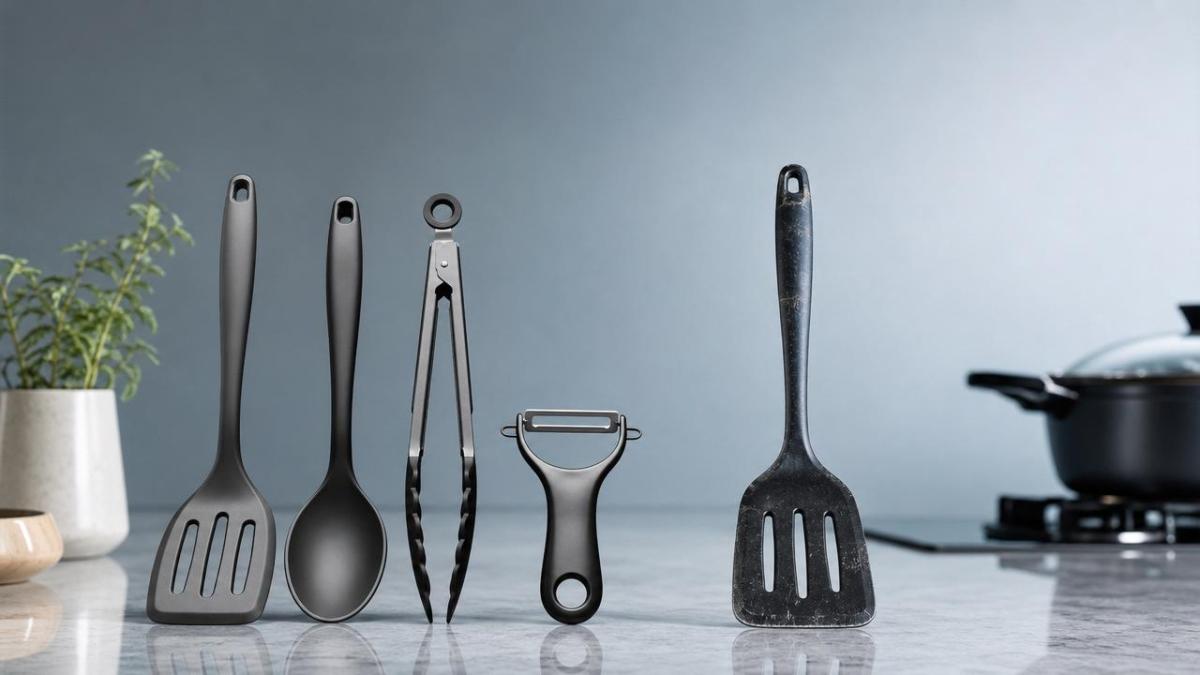
People searching for information about non-stick kitchen tools usually want a practical answer. They are asking whether old spatulas, spoons, peelers, tongs, or coated utensils can still be trusted after repeated cooking, washing, and storage.
The strongest concern is health risk. Readers want to know whether worn coatings can enter food, whether heat changes the material, and whether old tools become unsafe before damage is easy to notice.
Another major concern is performance. Even if a tool is technically usable, users want to know whether declining non-stick quality affects cooking efficiency, cleanup time, food texture, or kitchen hygiene.
Because the audience here is mainly information researchers, the most useful content is clear decision guidance. They need realistic signs of wear, maintenance rules, material comparisons, and buying advice rather than vague assurances.
Short answer: non-stick kitchen tools can remain safe, but condition matters more than age
There is no single number of years after which every non-stick kitchen tool becomes unsafe. The better standard is condition-based evaluation. A well-made tool used correctly may stay safe much longer than a cheaper tool used at high heat.
In practical terms, non-stick tools are generally safe when the surface is smooth, stable, and undamaged. Safety becomes more uncertain when the coating is cracked, deeply scratched, peeling, blistered, or separating from the base material.
Long-term use by itself does not automatically make a tool hazardous. Repeated overheating, abrasive cleaning, contact with sharp utensils, poor manufacturing quality, and dishwasher stress usually cause problems faster than simple age.
This distinction matters for both households and commercial kitchens. A three-year-old premium utensil may still be dependable, while a budget item used intensely for six months may already show failure signs.
What non-stick kitchen tools are usually made from
To judge safety properly, it helps to understand the materials involved. The term non-stick kitchen tools covers a wide range of products, including utensils with coated heads, baking tools, serving pieces, and small prep tools.
Some tools use fluoropolymer-based coatings, commonly associated with PTFE-type non-stick surfaces. Others use silicone, nylon, resin coatings, ceramic-style coatings, or hybrid surfaces designed to reduce sticking and improve cleaning.
Not all materials behave the same under long-term use. Silicone tools often age through tearing, odor retention, or heat hardening. Coated metal tools may degrade through scratching or flaking. Nylon tools may warp or soften at high temperatures.
Because of these differences, safety questions should never be answered with a simple yes or no. The base material, coating technology, heat tolerance, and manufacturing quality all affect long-term reliability.
What actually happens to non-stick surfaces over time
Daily use slowly changes every kitchen tool. With non-stick surfaces, the most common changes are surface dullness, micro-scratches, edge wear, color fading, reduced smoothness, and gradual loss of release performance.
These changes do not always mean immediate danger. However, they do show that the protective surface is under stress. Once the top layer weakens, the tool is more likely to trap residue, resist cleaning, or degrade faster under heat.
In commercial kitchens or high-frequency home cooking, friction is often the main driver of wear. Stirring thick foods, scraping cookware, stacking tools carelessly, and repeated dishwasher cycles can shorten service life significantly.
Heat also matters. Even if a kitchen tool is labeled non-stick, prolonged exposure to temperatures above its rated limit can weaken the coating, deform the structure, and reduce both food safety confidence and overall usability.
When long-term use becomes a safety concern
The most important turning point is visible damage. If the coating is peeling, chipping, cracking, or blistering, the tool should no longer be used for food contact. At that stage, replacement is the safest option.
Deep scratches are another warning sign, especially on coated tools. Minor cosmetic marks may not create a serious problem, but repeated abrasion can expose underlying material and make the surface harder to clean thoroughly.
Warping or melting also deserves attention. If a tool changes shape after heat exposure, its material stability has already been compromised. Deformed tools may shed particles more easily or fail during normal kitchen tasks.
Persistent odors, sticky residue that no longer washes off, or discoloration combined with rough texture may also indicate material breakdown. These signs do not always prove toxicity, but they suggest the tool is no longer performing safely.
Do small scratches or coating particles pose a real health risk?
This is one of the most searched concerns around non-stick kitchen tools. In many real-world situations, a tiny surface mark does not create an immediate health emergency. The bigger issue is progressive deterioration over time.
Users should think in terms of exposure control and product integrity. If particles are visibly detaching, if the coating is failing across a broad area, or if the tool is frequently exposed to high heat, continued use is not worth the uncertainty.
Well-manufactured food-contact materials are designed for normal cooking conditions, but that does not mean they are meant for indefinite use under abuse. Safety depends on keeping the product within its intended operating limits.
For cautious users, the best policy is simple: if you would hesitate to serve food to family or customers with that tool, replace it. Non-stick utensils are relatively low-cost compared with the value of trust and food safety confidence.
How overheating affects non-stick kitchen tools
Overheating is one of the fastest ways to shorten the life of non-stick tools. Even products intended for hot cooking have maximum temperature limits, and those limits vary by material and manufacturer.
A spoon rest near a burner, a spatula left in a hot pan, or tongs placed on grill edges can experience temperatures far beyond normal use conditions. Repeated exposure may dry out polymers, weaken bonds, or damage coated surfaces.
In professional kitchens, this risk increases because speed often overrides care. Tools are left near hot zones, washed aggressively, and reused continuously. Over time, even quality products may lose their safety margin.
That is why temperature suitability should be part of purchasing decisions. Kitchens handling high-heat searing, grilling, frying, or industrial batch cooking should choose tools specifically rated for those conditions.
How to inspect non-stick kitchen tools before deciding to keep or replace them
A simple monthly inspection can prevent most long-term safety problems. Start with a visual check under bright light. Look for flaking, cracks, bubbles, exposed base material, edge separation, and unusual gloss changes.
Next, run a clean fingertip lightly across the surface. A safe, healthy non-stick finish should feel even. Rough patches, raised edges, sticky spots, or powdery residue suggest the surface is deteriorating.
Then review heat history and cleaning history. Tools regularly exposed to high flame, metal contact, or harsh scrubbing should be evaluated more strictly, even if damage is not yet dramatic.
Finally, judge actual kitchen performance. If food sticks more than before, if cleaning takes much longer, or if the tool smells odd after heating, these practical signs often appear before complete coating failure.
How to make non-stick kitchen tools last longer
Longer life starts with using each tool for its intended job. A coated serving spoon should not be used like a scraper. A non-stick spatula should not be pressed against rough grill plates or chopped against hard surfaces.
Gentle cleaning also matters. Soft sponges, mild detergent, and lower dishwasher frequency can reduce wear. Abrasive powders, steel wool, and aggressive scraping remove the very layer that provides non-stick performance.
Storage is often overlooked. Tossing tools loosely into crowded drawers causes friction and edge damage. Hanging tools or using compartment organizers helps preserve coatings much better over time.
It is also wise to rotate tools rather than overusing one favorite item every day. Even in home kitchens, spreading wear across multiple utensils can noticeably extend replacement intervals.
What to look for when buying safer, longer-lasting non-stick tools
For buyers comparing products, material transparency is a strong starting point. Reputable manufacturers clearly state the base material, coating type, temperature rating, care instructions, and intended application.
Look for smooth, uniform finishing and sturdy construction. Weak handle joints, uneven coatings, thin edges, and vague labeling often signal lower quality. These products may cost less upfront but wear out faster in real use.
For commercial or frequent-use settings, prioritize tools designed for repeated foodservice cycles. Features such as heat resistance, reinforced construction, and compliance with food-contact standards can improve both safety and operating value.
It is also smart to match the tool to the cookware. Some non-stick kitchen tools are optimized for use with coated pans, while others are built for baking, prep work, or serving. Fit matters as much as material.
Home kitchens and commercial kitchens face different risks
In household kitchens, the biggest issue is usually delayed replacement. Many people keep worn tools for years because they still seem functional. The hidden cost is uncertainty about hygiene, heat stability, and surface integrity.
In commercial settings, the challenge is intensity. High turnover, multiple users, fast cleaning routines, and stronger heat exposure create faster wear. A tool that lasts two years at home may last only a fraction of that in service operations.
That means replacement policies should differ by environment. Households can rely on periodic inspection and common-sense care. Restaurants, hotels, and central kitchens benefit from scheduled checks and standardized replacement criteria.
For businesses, this is not only a food safety issue but also a brand issue. Damaged utensils undermine process consistency and can weaken customer trust if equipment quality becomes visible during service.
Final verdict: are non-stick kitchen tools still safe after long-term use?
Yes, non-stick kitchen tools can still be safe after long-term use, but only when the surface remains intact, the material has not been overheated, and the tool still performs as intended.
Age alone is not the best measure. Visible wear, heat damage, peeling, roughness, warping, and declining performance are far more useful indicators. Once those signs appear, replacement is the safer and more practical choice.
For anyone researching non-stick kitchen tools, the key takeaway is simple: buy better-quality products, use them within their limits, inspect them regularly, and do not wait for obvious failure before replacing them.
That approach supports safer cooking, better efficiency, easier cleaning, and stronger confidence in both home and professional kitchen environments.
Popular Tags
Kitchen Industry Research Team
Dedicated to analyzing emerging trends and technological shifts in the global hospitality and foodservice infrastructure sector.
Industry Insights
Join 15,000+ industry professionals. Get the latest market trends and tech news delivered weekly.
No spam. Unsubscribe anytime.
Hot Articles
 How to Size a Commercial Kitchen Hood for Cooking Equipment and Heat Loads
- How to Size a Planetary Mixer Machine for High-Viscosity Batch Production
- How to Choose Ceramic Rice Plates for Restaurants: Size, Glaze, and Chip Resistance
- Kitchen Innovation Trends in Emerging Markets: Where Growth Will Come From in 2026


Contact With us
Contact:
Anne Yin (Ceramics Dinnerware/Glassware)
Lucky Zhai(Flatware)