
Which restaurant supplies for fast food improve speed most
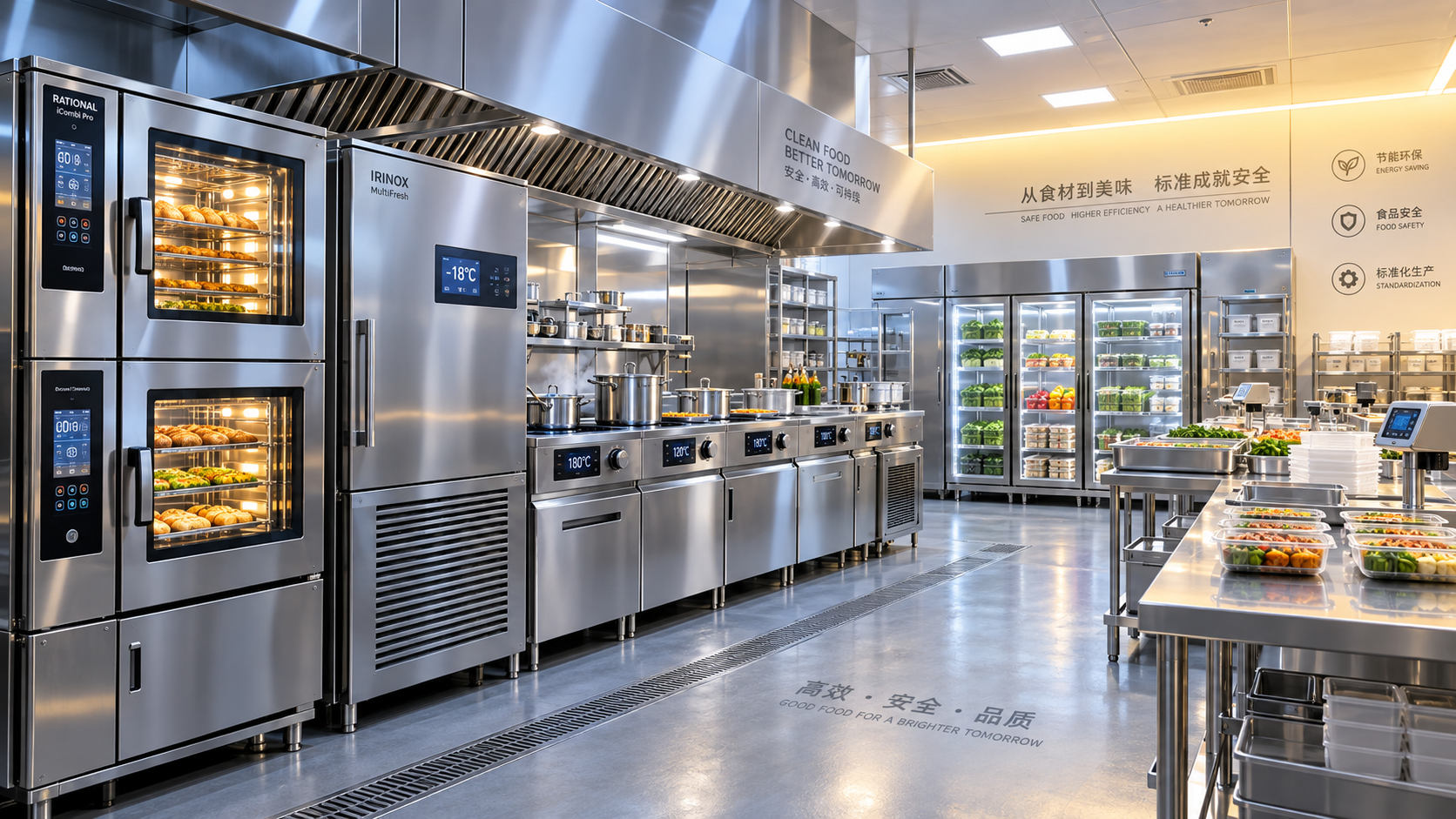
In fast-paced kitchens, the right restaurant supplies for fast food directly affect ticket times, consistency, and labor efficiency.
When volume rises, small delays at prep, assembly, storage, or cleaning quickly become service bottlenecks.
Well-chosen equipment and tools reduce motion, shorten cook cycles, improve holding control, and support safer workflows.
This matters across the broader kitchen equipment industry, where automation, energy efficiency, and integrated systems are reshaping foodservice performance.
Understanding which restaurant supplies for fast food improve speed most helps create a practical, scalable setup for daily high-demand operations.
Core definition of speed-focused restaurant supplies for fast food
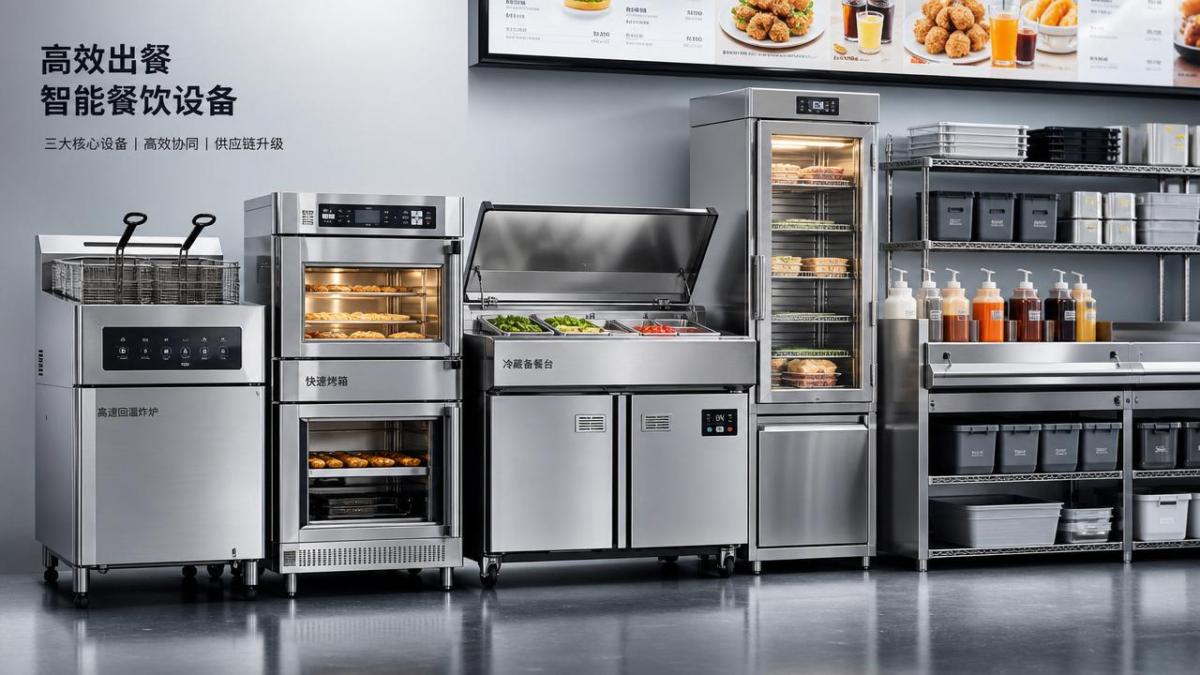
Restaurant supplies for fast food include cooking equipment, prep tools, storage systems, holding units, utensils, and sanitation products.
Speed-focused supplies are not simply durable items.
They are products that reduce waiting, movement, rework, and temperature loss during repeated service cycles.
The best choices support a continuous flow from receiving and prep to cooking, assembly, handoff, and cleanup.
In practice, faster kitchens rely on systems, not single tools.
A fryer may cook quickly, but poor cold storage or slow packaging can still limit total output.
That is why restaurant supplies for fast food should be evaluated by workflow impact, not by unit price alone.
Main criteria that affect speed
- Shorter cook or reheating time
- Faster ingredient access and replenishment
- Less cross-station movement
- Easy cleaning between rush periods
- Stable food temperature and quality
- Lower training complexity for repeat tasks
Current industry priorities shaping fast food kitchen supply choices
The kitchen equipment industry increasingly focuses on automation, labor efficiency, food safety, and energy-aware design.
These priorities strongly influence which restaurant supplies for fast food deliver measurable speed gains.
Operators now prefer equipment that supports consistent output with fewer manual adjustments.
Integrated controls, smart holding, and modular stations are becoming standard in modern quick-service environments.
As global trade expands, access to advanced kitchen equipment also grows.
This gives foodservice businesses more options for selecting restaurant supplies for fast food based on function and service goals.
Supplies that improve service speed the most
Not every product contributes equally.
The highest-impact restaurant supplies for fast food usually sit at the points where queues begin.
1. High-recovery fryers and rapid cooking equipment
Fryers with fast temperature recovery maintain output during rush periods.
This is critical for fries, chicken, snacks, and other high-volume menu items.
Rapid ovens, clamshell grills, and programmable cookers also reduce cook time while keeping results consistent.
2. Refrigerated prep tables and undercounter cold storage
Cold ingredients must stay close to assembly points.
Prep tables with integrated pans reduce steps, improve reach, and speed up sandwich, salad, wrap, and burger lines.
Undercounter units support fast replenishment without blocking traffic.
3. Heated holding cabinets and pass-through warming systems
Holding equipment protects speed when orders surge.
It keeps batch-cooked items ready for finishing, reducing wait times without sacrificing food safety.
Good holding systems also support delivery and takeout volume.
4. Portioning tools and dispensers
Scoops, sauce pumps, measured ladles, and cup dispensers cut seconds from every order.
They also improve consistency, reducing remake risk.
5. Shelving, bins, and labeled storage systems
Fast kitchens depend on immediate visibility.
Open wire shelving, ingredient bins, and clear labeling reduce search time and support faster restocking.
6. Efficient sinks, spray units, and cleaning tools
Cleaning speed affects production speed.
Pre-rinse spray valves, organized sanitation stations, and easy-clean surfaces shorten downtime between tasks.
Business value of choosing better restaurant supplies for fast food
The strongest speed gains come with broader operational benefits.
This is why equipment decisions matter beyond the kitchen floor.
- Faster throughput during lunch and dinner peaks
- Better order accuracy through standardized processes
- Lower labor pressure from simplified motion paths
- Improved food safety from better temperature control
- Less waste caused by overproduction or mishandling
- More stable quality across shifts and dayparts
For the wider kitchen equipment industry, these outcomes reflect the shift toward integrated, intelligent, and energy-conscious solutions.
Speed is no longer only about power.
It now depends on coordination between equipment, storage, layout, and digital control.
Typical fast food scenarios and the most useful supply categories
Different menu models create different bottlenecks.
Selecting restaurant supplies for fast food should match the dominant service pattern.
Practical selection advice for restaurant supplies for fast food
A smart selection process begins with timing actual tasks, not guessing where delays happen.
Measure queue points, refill frequency, cook recovery time, and cleaning interruptions.
Key points to evaluate
- Choose equipment by output per hour, not headline size
- Match storage capacity to rush-period replenishment needs
- Prefer easy-clean surfaces and removable parts
- Check compatibility with existing electrical or gas systems
- Use modular layouts that allow future menu changes
- Prioritize food safety certifications and reliable temperature performance
It is also useful to separate must-have supplies from nice-to-have upgrades.
Start with items that remove the most repeated delays first.
In many kitchens, that means cooking, holding, prep access, and packaging stations.
Because the kitchen equipment industry continues moving toward intelligent systems, scalable products offer added long-term value.
Programmable controls, digital monitoring, and energy-efficient designs can support both speed and operational stability.
Action steps for building a faster kitchen setup
The most effective restaurant supplies for fast food are the ones that solve specific workflow problems.
Begin by mapping the full order path from storage to service.
List every point where staff wait, walk too far, search for tools, or rehandle food.
Then rank supply upgrades by time saved per order and impact during peak periods.
For many operations, the best starting investments are rapid cooking equipment, prep refrigeration, holding systems, and organized dispensing tools.
When these categories work together, restaurant supplies for fast food create faster service, steadier quality, and a more resilient kitchen operation.
Popular Tags
Kitchen Industry Research Team
Dedicated to analyzing emerging trends and technological shifts in the global hospitality and foodservice infrastructure sector.
Industry Insights
Join 15,000+ industry professionals. Get the latest market trends and tech news delivered weekly.
No spam. Unsubscribe anytime.
Hot Articles
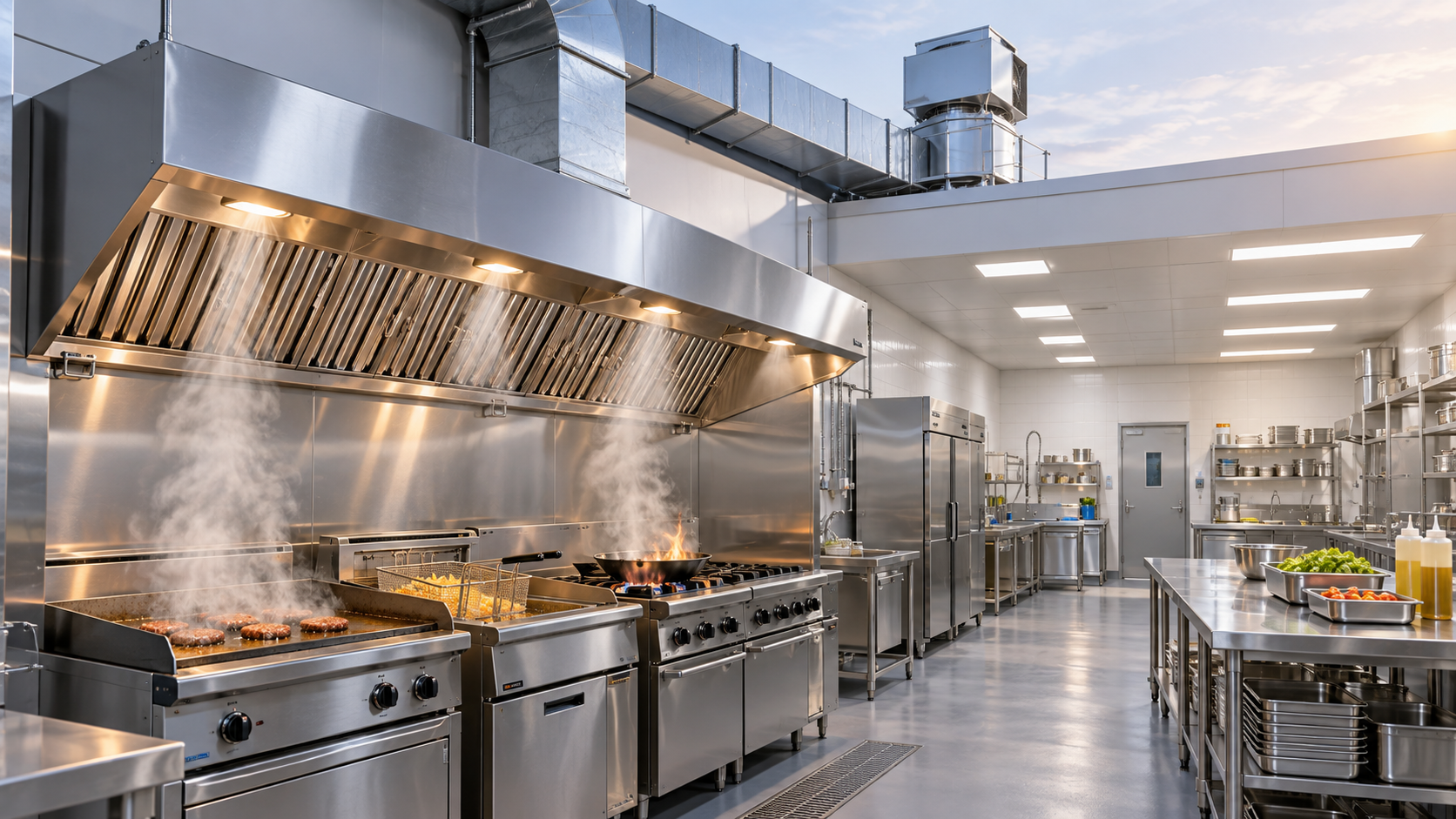
 How to Size a Commercial Kitchen Hood for Cooking Equipment and Heat Loads
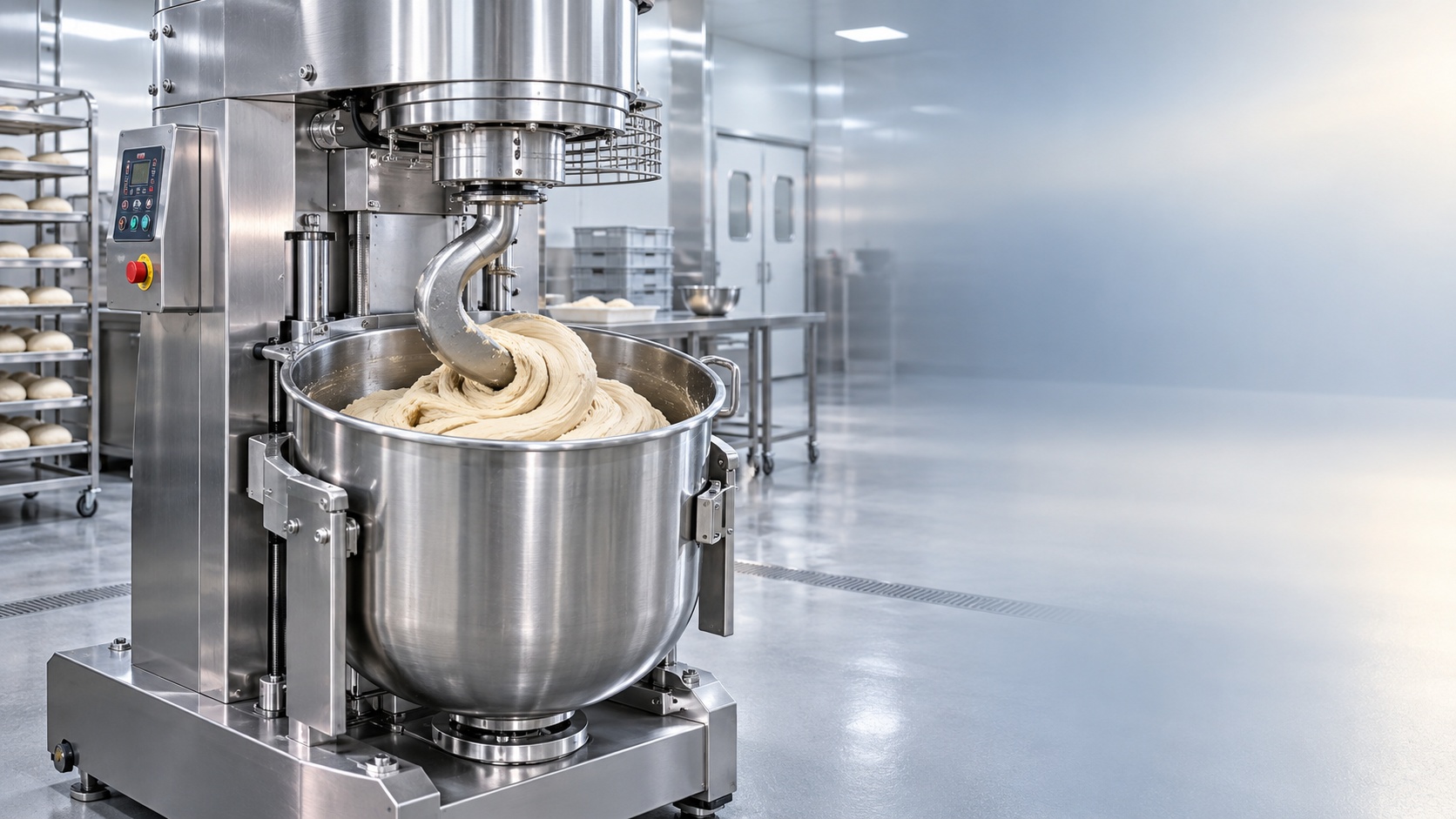
- How to Size a Planetary Mixer Machine for High-Viscosity Batch Production
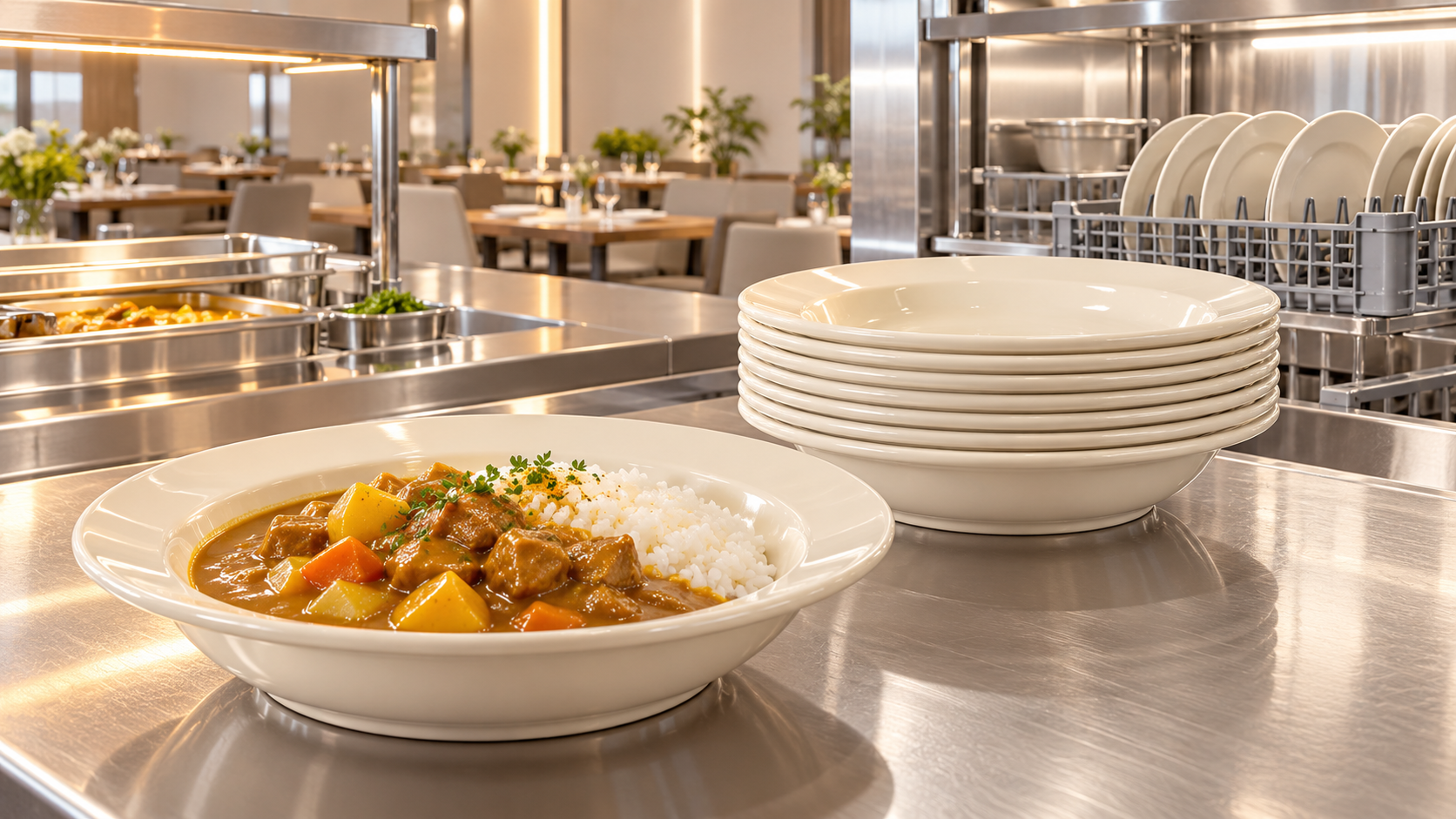
- How to Choose Ceramic Rice Plates for Restaurants: Size, Glaze, and Chip Resistance
- Kitchen Innovation Trends in Emerging Markets: Where Growth Will Come From in 2026
Contact With us
Contact:
Anne Yin (Ceramics Dinnerware/Glassware)
Lucky Zhai(Flatware)