
Where Commercial Induction Cooker performance drops first
When a Commercial Induction Cooker starts losing output, total shutdown is rarely the first warning. The earliest decline usually appears in heating stability, response speed, and power consistency. In busy kitchens, these small shifts quickly affect cooking time, food quality, and service rhythm.
Across the kitchen equipment industry, smarter controls and higher energy targets are changing maintenance expectations. A Commercial Induction Cooker is no longer judged only by peak power. It is judged by stable performance under repeated daily load, fast recovery, and predictable heat delivery.
That shift matters because early diagnosis reduces downtime and prevents expensive damage. Knowing where Commercial Induction Cooker performance drops first helps maintenance teams act before faults spread into coils, boards, fans, or power modules.
The first visible drop in Commercial Induction Cooker performance is usually heat stability
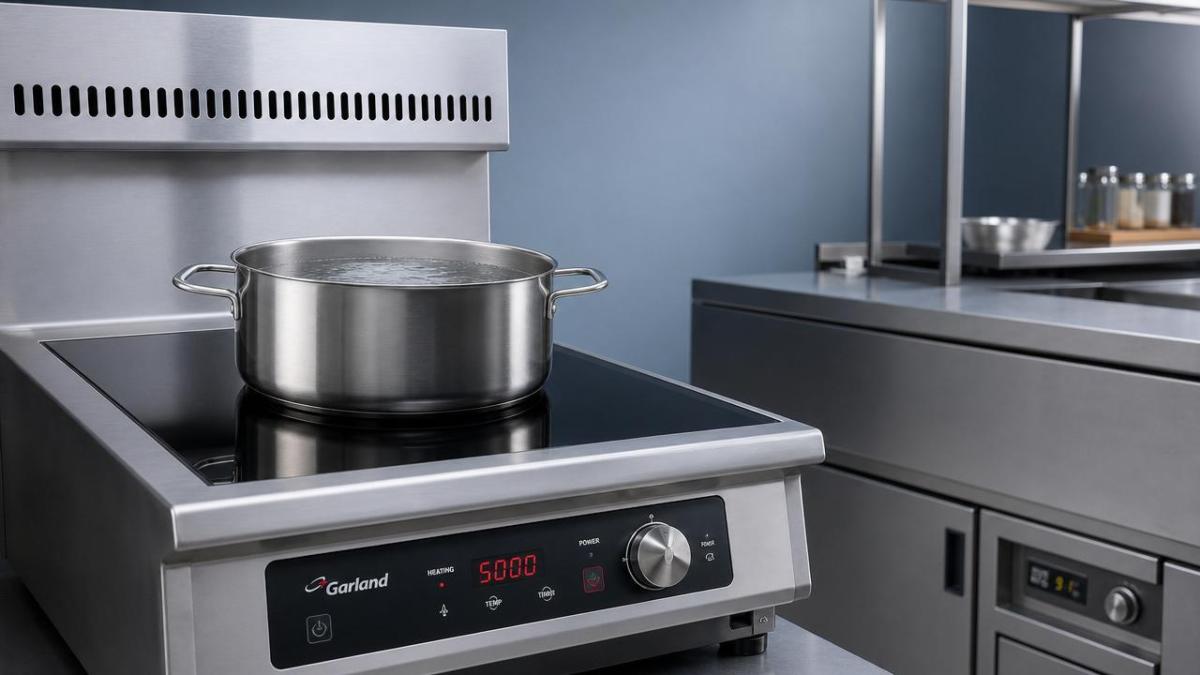
In real kitchens, unstable heating appears before complete failure. The unit still turns on, but the pan no longer receives smooth, steady energy. Operators notice longer boiling times and uneven cooking results.
A Commercial Induction Cooker depends on coordinated work between the coil, inverter, control board, sensors, and cooling system. When one section weakens, heat output often begins pulsing or drifting instead of stopping instantly.
Common early symptoms
- Boiling takes longer than usual at the same setting.
- Power rises slowly after startup.
- Heating cycles become irregular during continuous use.
- The unit reduces output after several minutes.
- Pan detection becomes less reliable.
These warning signs often seem minor, but they point to internal stress. In many service cases, thermal overload, airflow restriction, or sensor drift is already developing before any alarm code appears.
Current change signals show performance loss is becoming a precision issue
Older maintenance logic focused on obvious electrical failure. Today, Commercial Induction Cooker service is increasingly about performance deviation. Kitchens run longer hours, demand tighter consistency, and expect energy savings without sacrificing output.
This means small efficiency losses matter more than before. A cooker that still works but reacts slower can disrupt batch cooking, line timing, and quality control. In high-volume environments, slight instability becomes an operational problem.
The trend is especially clear in integrated kitchens using digital controls and stricter process timing. As equipment becomes smarter, hidden decline in a Commercial Induction Cooker becomes easier to detect and more important to correct early.
Why Commercial Induction Cooker output drops first in specific areas
The first decline is rarely random. It usually starts in components exposed to heat cycling, grease, dust, vibration, or unstable power conditions. The table below shows the most common starting points.
Among these, cooling problems often appear first because thermal management affects every other section. Once internal temperature rises too quickly, the Commercial Induction Cooker starts protecting itself by limiting output.
Response speed is the next trend signal technicians should watch
A healthy Commercial Induction Cooker reacts quickly when power levels change. If response becomes delayed, the issue may involve capacitor aging, inverter inefficiency, control lag, or poor communication between sensors and the main board.
This matters because modern commercial kitchens rely on fast transitions. Stir-fry, sauce reduction, and batch reheating all depend on immediate heat adjustment. Slow response reduces control and increases the risk of waste or inconsistent results.
Field checks that reveal response decline
- Compare startup heating time against baseline records.
- Observe how fast the cooker reaches a rolling boil.
- Test power step changes from low to high settings.
- Monitor whether output fades during repeated cycles.
These checks are simple, but they provide useful clues before major component failure. Trend-based service works better than waiting for a complete outage.
Power consistency losses now have wider business impact across kitchen operations
A weak Commercial Induction Cooker affects more than one cooking station. It changes throughput, energy use, timing accuracy, and sometimes food safety margins. Small output drops can force longer holding times or repeated heating.
In restaurants and hotels, this can reduce service flow during peak hours. In central kitchens and food processing environments, it can interfere with standardization and production scheduling.
- Longer cook cycles raise energy cost per batch.
- Unstable heating increases recipe variability.
- Frequent thermal stress shortens component life.
- Unexpected slowdowns disrupt labor efficiency.
This is why early performance analysis of a Commercial Induction Cooker has become part of broader kitchen reliability management, not just equipment repair.
The strongest maintenance focus should move from failure repair to early pattern recognition
The industry is moving toward predictive care. Instead of treating every Commercial Induction Cooker issue as a breakdown, the better approach is to track small shifts in behavior and connect them to root causes.
Key points worth monitoring regularly
- Warm-up time under standard cookware and water load.
- Fan noise, airflow strength, and vent cleanliness.
- Surface temperature rise near electronics housing.
- Power draw consistency during long operation.
- Error history, even when alarms clear automatically.
- Cookware recognition reliability across different pans.
These checkpoints build a performance profile for each Commercial Induction Cooker. Once a baseline exists, subtle decline becomes easier to identify and service decisions become faster.
Practical judgment steps help separate minor decline from serious internal risk
Not every weak symptom means a major repair is needed. Some issues come from environmental conditions or poor cleaning practices. Others point to deeper electrical stress. A structured assessment reduces misdiagnosis.
This approach helps determine whether the Commercial Induction Cooker needs cleaning, calibration, component replacement, or deeper electrical testing.
The next smart move is building a repeatable service routine around early decline points
The most effective response is not waiting for a shutdown. A repeatable inspection routine improves uptime, extends component life, and keeps a Commercial Induction Cooker operating closer to design performance.
Focus first on thermal behavior, response speed, and power consistency. Those are the earliest and most useful trend signals. Then compare findings against previous service records to spot decline patterns over time.
In a market moving toward smart, efficient kitchen systems, stable equipment performance is a competitive advantage. Treat every small change in a Commercial Induction Cooker as actionable data, not a minor inconvenience. Early attention leads to faster diagnosis, fewer disruptions, and stronger kitchen reliability.
Popular Tags
Kitchen Industry Research Team
Dedicated to analyzing emerging trends and technological shifts in the global hospitality and foodservice infrastructure sector.
Industry Insights
Join 15,000+ industry professionals. Get the latest market trends and tech news delivered weekly.
No spam. Unsubscribe anytime.
Hot Articles
Contact With us
Contact:
Anne Yin (Ceramics Dinnerware/Glassware)
Lucky Zhai(Flatware)