
Meat Mincer cleaning risks that are easy to miss
A Meat Mincer can become a hidden source of contamination when cleaning steps are rushed or incomplete. For quality control and safety management, missed residue inside blades, feed tubes, seals, and joints can raise microbial risk, affect product quality, and weaken compliance performance. Knowing these overlooked cleaning risks helps protect food safety, extend equipment life, and support stable daily kitchen operations.
Why is Meat Mincer cleaning risk often underestimated?
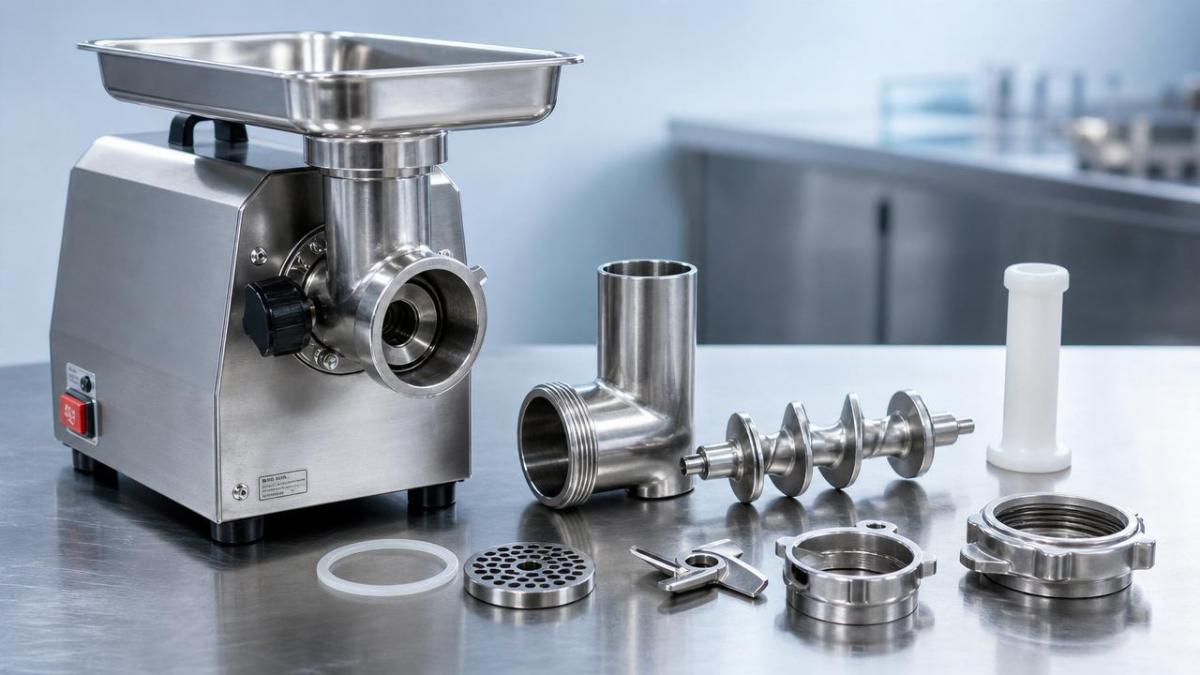
Many teams think visible cleanliness means the Meat Mincer is safe. That assumption creates risk because contamination often remains in hidden contact points.
A Meat Mincer handles raw protein, fat, connective tissue, and moisture. These materials cling to narrow spaces and support bacterial growth if not fully removed.
The danger increases when operators clean only external surfaces. Shiny housings can hide residue behind cutting plates, worm shafts, locking rings, and seals.
In commercial kitchens, hotels, food processing rooms, and central kitchens, high production speed often shortens cleaning time. This is where easy-to-miss hazards develop.
Another reason is equipment familiarity. Staff may use the same Meat Mincer daily and stop noticing wear, micro-cracks, or trapped debris in repeated cleaning cycles.
Risk is not limited to bacteria. Poor cleaning can also cause lubricant transfer, metal fragments from worn parts, allergen carryover, and unpleasant odor retention.
Which hidden areas of a Meat Mincer are easiest to miss?
The most overlooked contamination zones are usually small, moist, and difficult to inspect. These spots deserve extra attention during every Meat Mincer cleaning routine.
1. Blade and cutting plate contact surfaces
Protein paste can remain between the blade edges and plate holes. If dried, it becomes harder to remove and may contaminate the next production batch.
2. Feed tube and throat interior
The upper tube often looks clean after rinsing. However, sticky fat film may remain along the inner wall, especially near bends and seams.
3. Worm shaft and rear connection point
This area collects compressed residue during operation. It may also trap moisture after washing, creating ideal conditions for microbial growth.
4. Rubber seals, gaskets, and joints
Seals can hide food particles inside folds. If not removed or inspected, the Meat Mincer may pass hygiene checks visually while still holding contamination.
5. Fasteners, threads, and locking rings
Threaded parts are common accumulation points. Small debris left inside these features can spread into fresh product during restart.
6. Drainage-poor housing corners
When a Meat Mincer is reassembled while still wet, water remains trapped. Residual moisture weakens sanitation results and may promote corrosion.
What cleaning mistakes increase Meat Mincer contamination risk?
Several common mistakes appear harmless but significantly reduce hygiene control. Most happen during routine turnaround between shifts or product changes.
- Cleaning without full disassembly of removable parts.
- Using water only, without suitable detergent action.
- Skipping manual brushing of holes, grooves, and threads.
- Rinsing with water that is too cold to remove fat.
- Using overly hot water that bakes protein onto surfaces.
- Reassembling the Meat Mincer before complete drying.
- Failing to separate allergen and non-allergen cleaning tools.
- Not verifying sanitation through inspection or swab testing.
Tool selection matters too. Abrasive pads may scratch stainless steel and create niches where residue can collect more easily in future cycles.
Chemical misuse is another issue. Too little concentration reduces effectiveness, while poor rinsing can leave chemical traces on the Meat Mincer.
How can you judge whether a Meat Mincer is truly clean?
A reliable decision should not depend on appearance alone. Effective verification combines sight, touch, smell, disassembly checks, and routine sanitation records.
A clean Meat Mincer should have no visible tissue, grease film, trapped liquid, foreign odor, or discoloration at product contact points.
Inspection should include removed components laid out individually. Flat surfaces are not enough; holes, seams, and rear contact zones need separate checks.
For higher-risk environments, ATP testing or microbiological swabbing can support visual inspection. These methods help confirm that hidden contamination has been controlled.
When does Meat Mincer cleaning require extra caution?
Some operating situations create higher risk and demand stronger controls. In these cases, standard quick cleaning may not be enough for a Meat Mincer.
After allergen handling
If the Meat Mincer processed seasoned mixtures, cheese, soy ingredients, or specialty fillings, residue may cause allergen carryover into later products.
After long idle periods
Equipment left assembled overnight may retain condensation or overlooked debris. Restarting without a fresh inspection increases contamination risk.
During high-volume shifts
Production pressure often reduces cleaning quality. A Meat Mincer used continuously may need interim checks, not only end-of-day sanitation.
When switching raw materials
Beef, poultry, seafood, and plant-based mixtures leave different residues. Cleaning methods should match the product’s fat level, texture, and safety risk.
When parts show wear
Damaged surfaces are harder to sanitize. Worn cutting plates, loose seals, or pitted metal can prevent the Meat Mincer from reaching hygienic condition.
What practical steps reduce Meat Mincer cleaning failures?
Control improves when cleaning is standardized. A documented process helps reduce variation between shifts, sites, and different kitchen equipment users.
- Disconnect power and cool the Meat Mincer safely.
- Disassemble all removable food contact parts completely.
- Pre-rinse with suitable temperature to loosen residue.
- Apply approved detergent and brush every groove and hole.
- Rinse thoroughly to remove loosened matter and chemicals.
- Sanitize according to process requirements.
- Air-dry fully before reassembling the Meat Mincer.
- Inspect, record, and verify before return to service.
It also helps to maintain color-coded brushes, replacement schedules for seals, and regular sharpening or inspection for blades and plates.
Where digital kitchen management is used, sanitation checklists can be logged electronically. This supports traceability across foodservice and food processing operations.
FAQ: common questions about Meat Mincer cleaning risks
Meat Mincer hygiene failures rarely come from one dramatic mistake. More often, they come from small skipped steps repeated over time.
A stronger cleaning routine should focus on hidden contact points, full drying, verification, and timely maintenance of worn components.
Review current cleaning instructions, inspect hard-to-reach areas, and update sanitation records. A safer Meat Mincer process starts with more precise daily checks.
Popular Tags
Kitchen Industry Research Team
Dedicated to analyzing emerging trends and technological shifts in the global hospitality and foodservice infrastructure sector.
Industry Insights
Join 15,000+ industry professionals. Get the latest market trends and tech news delivered weekly.
No spam. Unsubscribe anytime.
Hot Articles


Contact With us
Contact:
Anne Yin (Ceramics Dinnerware/Glassware)
Lucky Zhai(Flatware)