
How kitchen design for industrial kitchens prevents bottlenecks
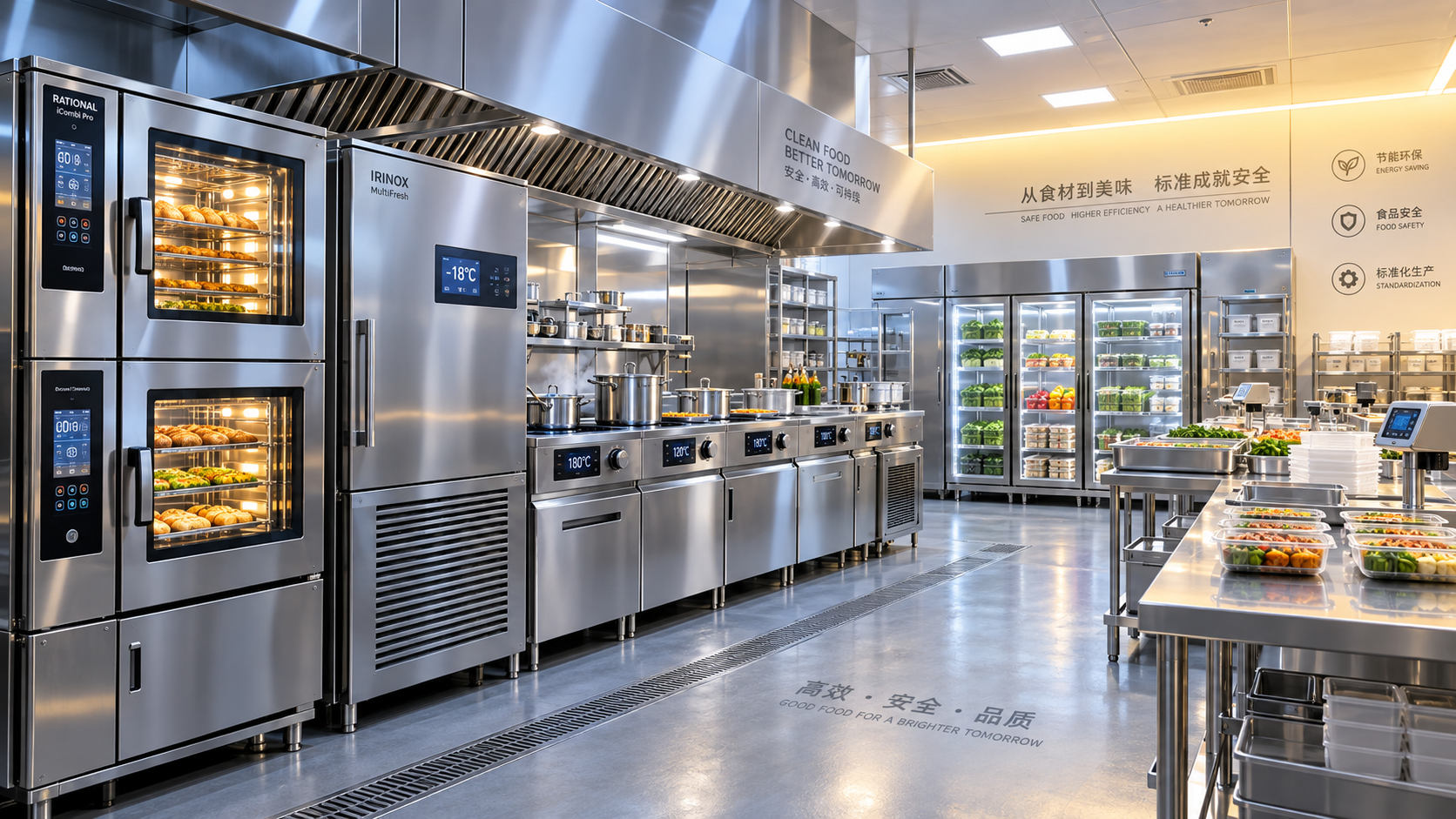
In high-output foodservice environments, bottlenecks can quickly reduce efficiency, increase labor pressure, and affect food safety. That is why kitchen design for industrial kitchens plays a critical role in workflow planning, equipment placement, and space optimization. A strong layout is not only about fitting equipment into a room. It creates a predictable production path, reduces unnecessary movement, and supports steady output during peak demand.
Across restaurants, hotels, central kitchens, and food processing operations, kitchen design for industrial kitchens is increasingly linked to automation, digital control, and energy efficiency. When the layout matches process flow, teams work faster, cleaning becomes easier, and future expansion is less disruptive. This checklist-based guide explains how to identify bottlenecks early and build a layout that performs under pressure.
Why checklist-based planning matters in industrial kitchen design
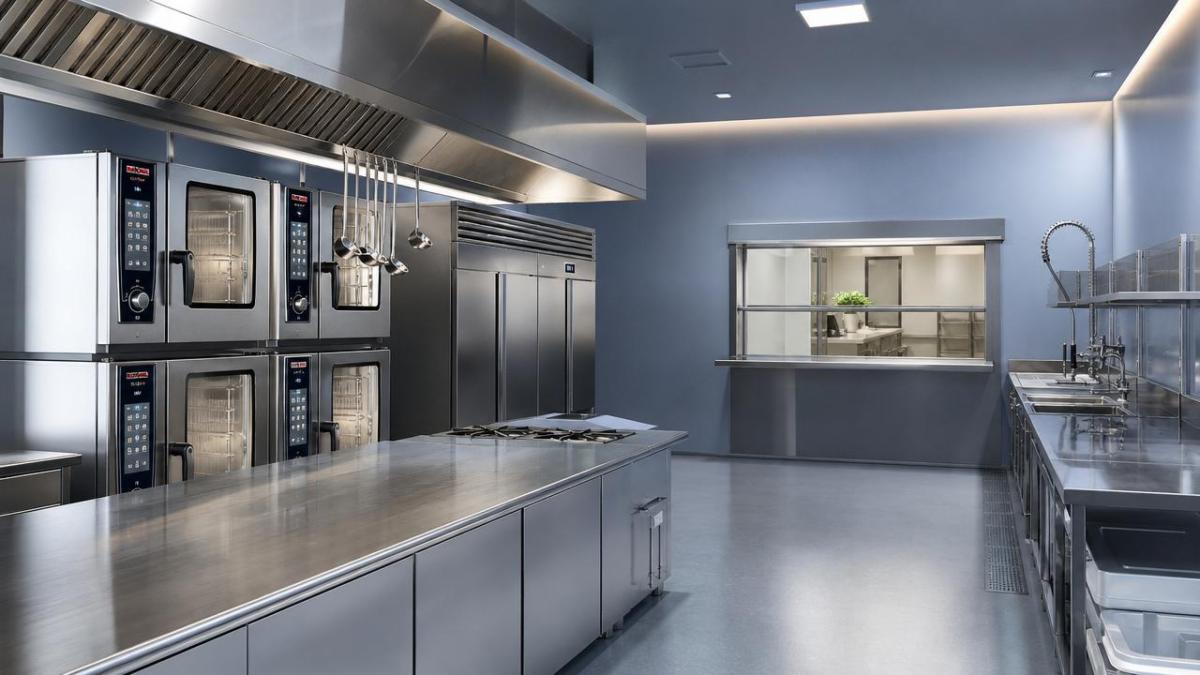
Bottlenecks rarely come from one mistake alone. They usually result from several small layout decisions that conflict with production flow. A checklist helps evaluate movement, utilities, storage, sanitation, and service timing before installation begins.
This approach is useful in the broader kitchen equipment industry because modern projects often combine cooking lines, refrigeration, automated prep systems, ventilation, and digital monitoring. Kitchen design for industrial kitchens must therefore balance labor efficiency, food safety compliance, and equipment performance in one coordinated plan.
Core checklist to prevent bottlenecks
- Map product flow from receiving to service, and remove any path where raw goods, finished food, waste, or staff movement cross too often.
- Separate hot, cold, dirty, and clean zones clearly, so each task area supports safe handling and prevents delays caused by shared space.
- Position high-use equipment in sequence, placing prep tables, sinks, cooklines, holding units, and pass areas according to actual production steps.
- Reserve enough aisle width for carts, staff turns, and restocking, especially near combi ovens, refrigeration doors, and dishwashing entry points.
- Size storage by usage frequency, keeping daily ingredients close to prep stations and bulk inventory farther away but still easy to access.
- Plan utility connections early, including gas, drainage, water, power, data, and ventilation, to avoid equipment relocation after installation.
- Match extraction and airflow to heat load, because poor ventilation slows staff, raises room temperature, and affects cooking consistency.
- Integrate cleaning routes and waste removal points, ensuring sanitation can happen continuously without blocking active production zones.
- Allow service and maintenance access around equipment, since tightly packed lines often create hidden downtime during breakdowns or inspections.
- Design for peak periods instead of average volume, using real batch sizes, ticket frequency, and turnaround targets as planning inputs.
- Add flexibility for future menu changes, smart kitchen systems, or automation modules, so the layout stays useful as operations scale.
How this checklist improves output
A practical kitchen design for industrial kitchens reduces walking distance, limits task overlap, and keeps equipment loaded at a stable pace. That directly improves labor productivity and reduces fatigue during long shifts.
It also strengthens food safety. Better zoning helps separate raw and ready-to-eat products, while smoother cleaning access supports hygiene routines without interrupting production cycles.
Application notes for different operational scenarios
High-volume restaurant kitchens
In fast-paced restaurant operations, the main risk is congestion between prep, cookline, and pickup areas. Kitchen design for industrial kitchens should shorten the distance between refrigerated ingredients, finishing equipment, and service pass stations.
Ticket spikes also require balanced station capacity. If fryers, grills, and holding cabinets are not aligned with order mix, one station becomes overloaded while others wait idle.
Hotels and banquet production
Banquet kitchens need strong batch flow and temporary staging space. Large-scale production often fails when plated service, bulk preparation, and dish return all compete for the same corridor.
A better layout uses separate staging for cold holding, hot holding, and outbound service carts. This reduces waiting time and protects food quality during high-volume dispatch windows.
Central kitchens and food processing support
Central kitchens depend on repeatable flow more than individual station speed. Here, kitchen design for industrial kitchens should prioritize linear movement, traceability points, packaging access, and sanitation barriers.
Automated processing equipment and digital kitchen systems work best when ingredient handling is standardized. If containers, carts, and operators constantly change direction, automation loses value.
Hybrid facilities with smart equipment
Many modern facilities combine traditional cooking with intelligent ovens, sensors, and software-based monitoring. These projects need space for interfaces, data cabling, and maintenance access, not only physical equipment footprints.
In this setting, kitchen design for industrial kitchens must support both human workflow and machine workflow. Poor placement can delay loading cycles, software checks, or cleaning validation.
Commonly overlooked risks that create bottlenecks
Undersized receiving and unpacking areas
Deliveries often arrive in bursts. If receiving lacks table space, temporary cold storage, or waste separation, products back up immediately and disrupt prep scheduling.
Door swing conflicts and refrigeration access
Cold room doors, undercounter units, and freezer lids can block aisles at peak moments. These small conflicts create repeated pauses that are rarely visible on initial floor plans.
Inadequate dish return separation
Dirty ware should never compete with plated food movement. When dish return shares the same route as service traffic, both hygiene risk and turnaround time increase.
Ignoring maintenance downtime
A layout may look efficient on paper but fail during repair events. Equipment packed too closely can force shutdown of an entire line for one service task.
Poor alignment between menu and equipment mix
Kitchen design for industrial kitchens should reflect actual production ratios. Installing premium equipment without matching menu volume often shifts the bottleneck elsewhere instead of removing it.
Practical execution steps for a better layout
- Collect real operational data, including item counts, batch sizes, service peaks, cleaning cycles, and receiving frequency before drawing the final plan.
- Run a walk-through simulation with carts, trays, and opening doors to test movement conflicts that a static CAD layout may not reveal.
- Review utility loads together with equipment schedules, so exhaust, drainage, and electrical capacity support both current and future production needs.
- Standardize workstation dimensions where possible, making training easier and helping replacement equipment fit without major reconstruction later.
- Phase implementation carefully if the facility remains active, protecting service continuity while upgrading critical bottleneck zones first.
These actions make kitchen design for industrial kitchens more evidence-based. They also support the wider industry shift toward integrated systems, smart equipment, and energy-efficient operations.
Conclusion and next action
Effective kitchen design for industrial kitchens prevents bottlenecks by connecting layout decisions to real workflow, sanitation demands, equipment performance, and future growth. The strongest designs are not simply compact. They are coordinated, measurable, and adaptable.
Start with a flow map, test the checklist against peak demand, and verify every zone against safety, access, and service speed. A disciplined review today can prevent years of congestion, wasted labor, and avoidable downtime.
Popular Tags
Kitchen Industry Research Team
Dedicated to analyzing emerging trends and technological shifts in the global hospitality and foodservice infrastructure sector.
Industry Insights
Join 15,000+ industry professionals. Get the latest market trends and tech news delivered weekly.
No spam. Unsubscribe anytime.
Hot Articles
 How to Size a Commercial Kitchen Hood for Cooking Equipment and Heat Loads
- How to Size a Planetary Mixer Machine for High-Viscosity Batch Production
- How to Choose Ceramic Rice Plates for Restaurants: Size, Glaze, and Chip Resistance
- Kitchen Innovation Trends in Emerging Markets: Where Growth Will Come From in 2026
Contact With us
Contact:
Anne Yin (Ceramics Dinnerware/Glassware)
Lucky Zhai(Flatware)